
After a long travel day, we made it to Quito in the wee hours of September 2. We had rented a sweet old colonial house in the old section of town. After a few pretty “basic” weeks in Costa Rica, we felt as if we were living the high life with a full kitchen, four levels, and private bedrooms! And, best of all, the climate had gone from hot, sweaty and buggy to cool and dry! Quito is at nearly 9,000ft, so the evenings were cool enough to want a sweater – something we hadn’t considered since leaving upstate New York. We were in heaven.
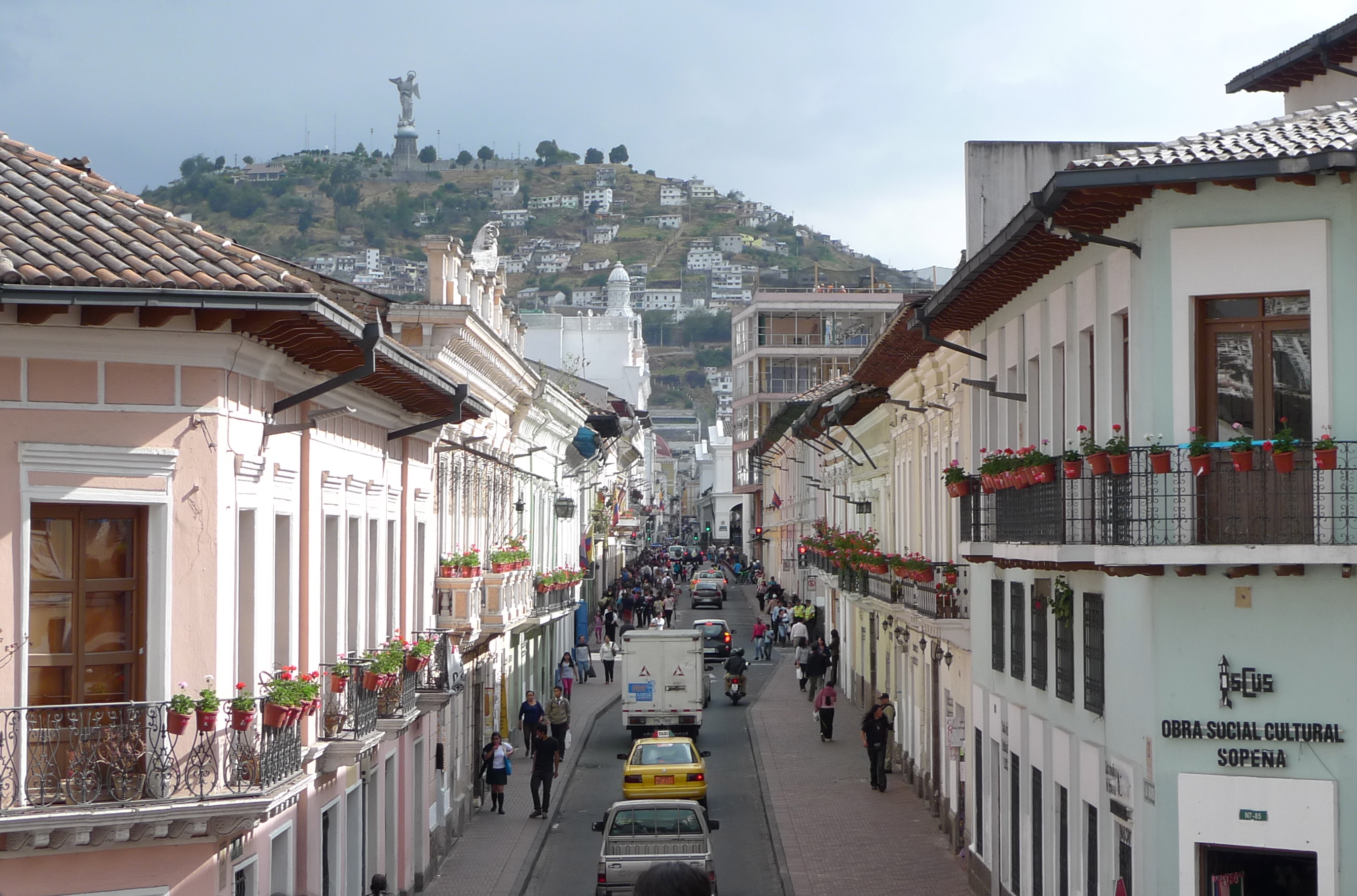
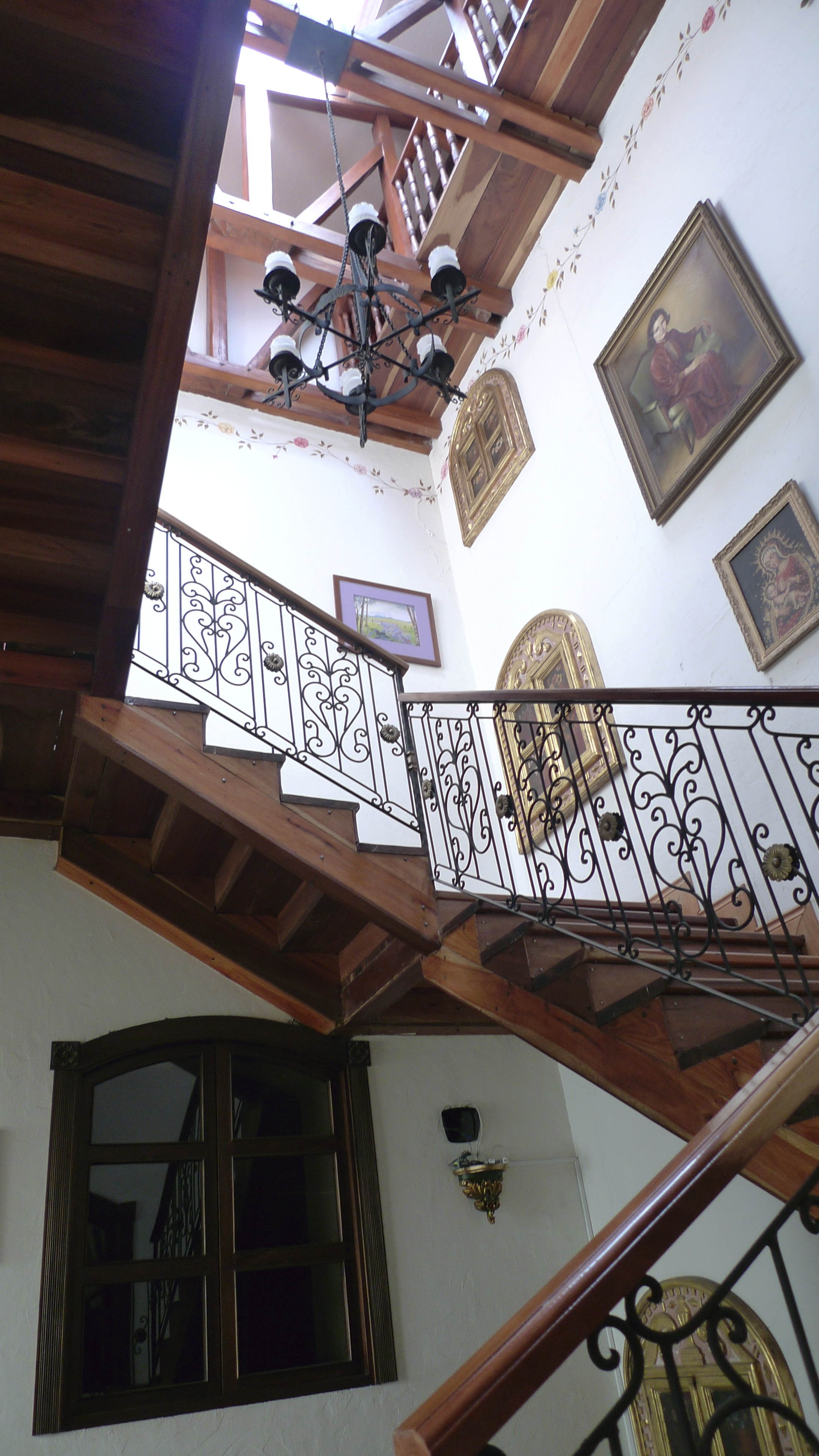
The Old Town part of Quito is a World Heritage Site and its easy to see why. The area is small, maybe 12 x12 blocks, surrounding three main plazas. Many of the homes have been restored and the Colonial Churches are awe-inspiring. The house we rented, like all colonial homes in South America, has a large stone and stucco facade right on the sidewalk, leaving no “front yard”. The only indication that there is a home inside are the two large heavy wood doors. These doors open to a hallway that in turn opens to an interior courtyard surrounded by public rooms (i.e. kitchen, sitting room, etc.), hammocks, and two outdoor seating areas. The bedrooms and library are on the second floor and more rooms and a great roof top terrazzo on the third floor. The basement floor had a small chapel (which kind of freaked us out at first) and what appeared to be a storage area. Throughout the house the walls had ceramic murals, beautiful sculptures, and hand-painted floral designs. And, all of this for $100 per night! I would have loved to know more about the history of the house as it probably has many stories to tell.
The morning that we arrived was the weekly changing of the guard at the Presidential Palace. Since we were only three blocks from the main square, we felt that we absolutely had to see it and we were glad that we did. Accompanied by the requisite pomp and circumstance, it was quite a sight to behold – parading horses, ceremonial guards with shining lances and colorful pennants, protesters, indigenous folks dressed in traditional clothing, water coca leaves and sun hats being hawked, kids offering shoe shines, and the actual President doing a meet and greet.
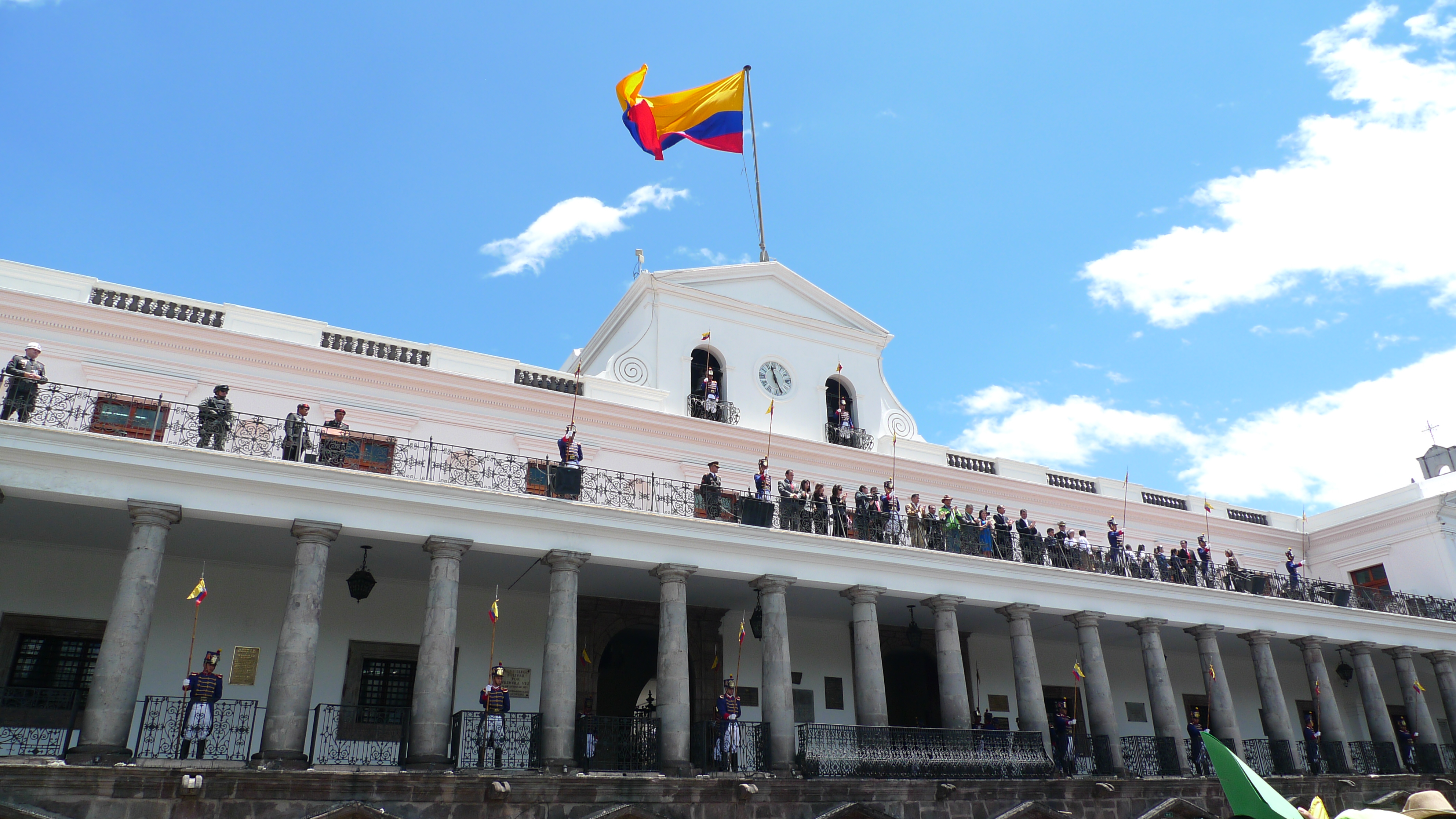 Having been part of the entourage that took the former President Clinton and his family rafting on the Snake River, I had seen the various levels of presidential security, all of which seemed to be present for this weekly activity. There were even a couple responses to minor threats as evidenced by the Secret Service guy with dark suit, reflective glasses, communication thing in his ear and in his hand goes running in to the crowd with the uniformed “Presidential Police” guy in full riot gear only to come walking back a few minutes later. Apparently that situation had been handled and all was well. For only the second time in our trip, we felt that we were truly “somewhere different” (the first was doing the land border crossing from Costa Rica in to Nicaragua).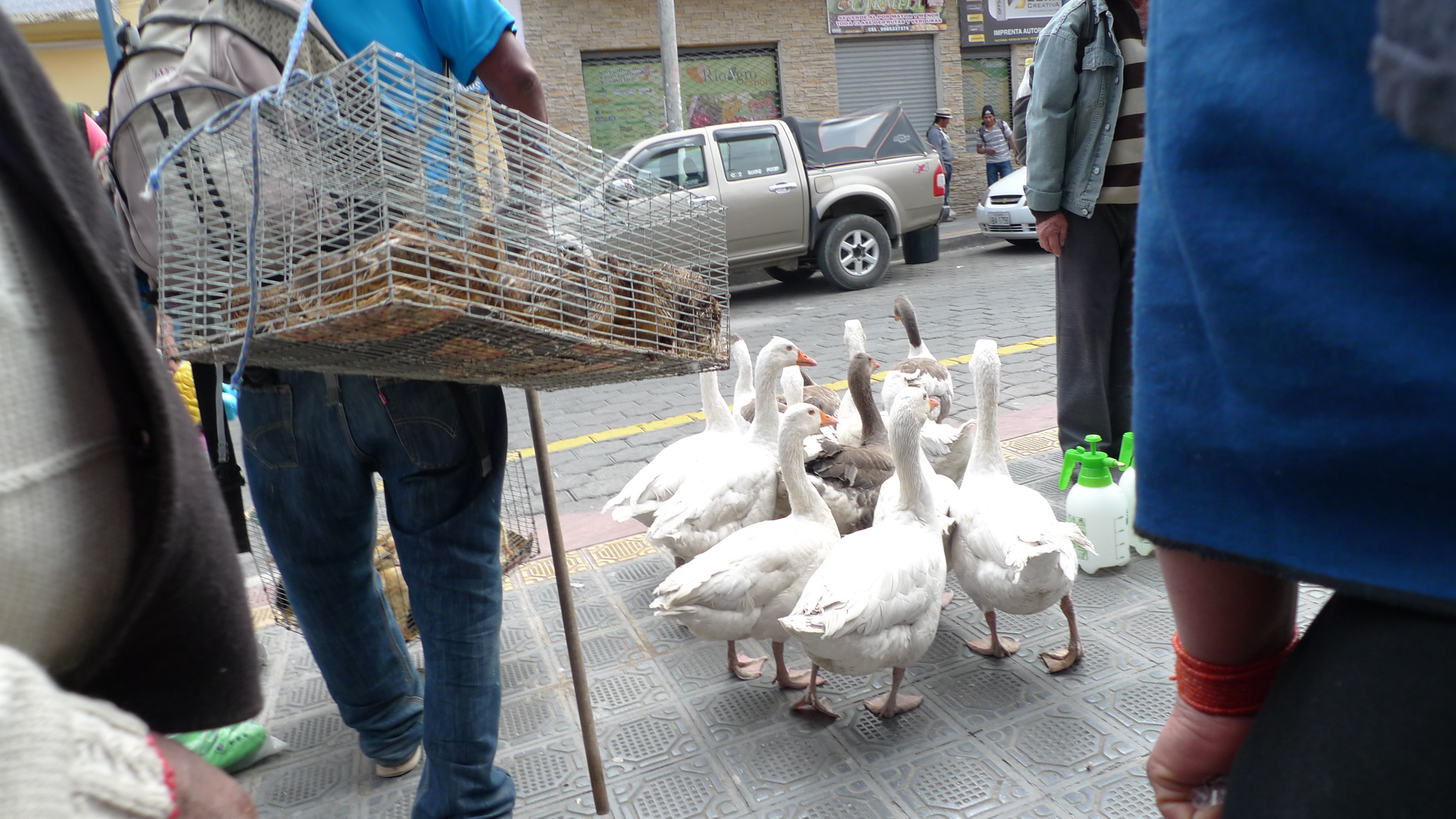
Quito also has a great Museum of Archeology chronicling the human history of Ecuador. The bottom floor is pre-colonization history and the upstairs is post-colonization. On the first floor, Mac was fascinated by the dioramas of the different ancient peoples that inhabited the various climates of the country. We probably spent 20 or more minutes looking at each one (there were 6 or 8 of them), finding the similarities and differences between the jungle people and the mountain people across time, how they hunted, what they ate, what animals were where, how the lives of folks changed with “progress”, etc. It was quite engaging for both of us.
 Lucia and Colburn spent their time perusing the pre-Incan artifacts and reading about the history as well. This part of the museum is very well done but we were all struck when we went upstairs to view the post-colonization section. Gone were the dioramas and objects of daily living. Instead, the entire upstairs was devoted to Spanish Colonial Christian antiquities including gilded alters, a plethora of graphic crucifixes, paintings of damnation and other many other fear-inducing artifacts. After about 10 minutes, the kids had had enough of the torment of Jesus and we headed out for a little time in the park to clear our minds of the images we had just seen.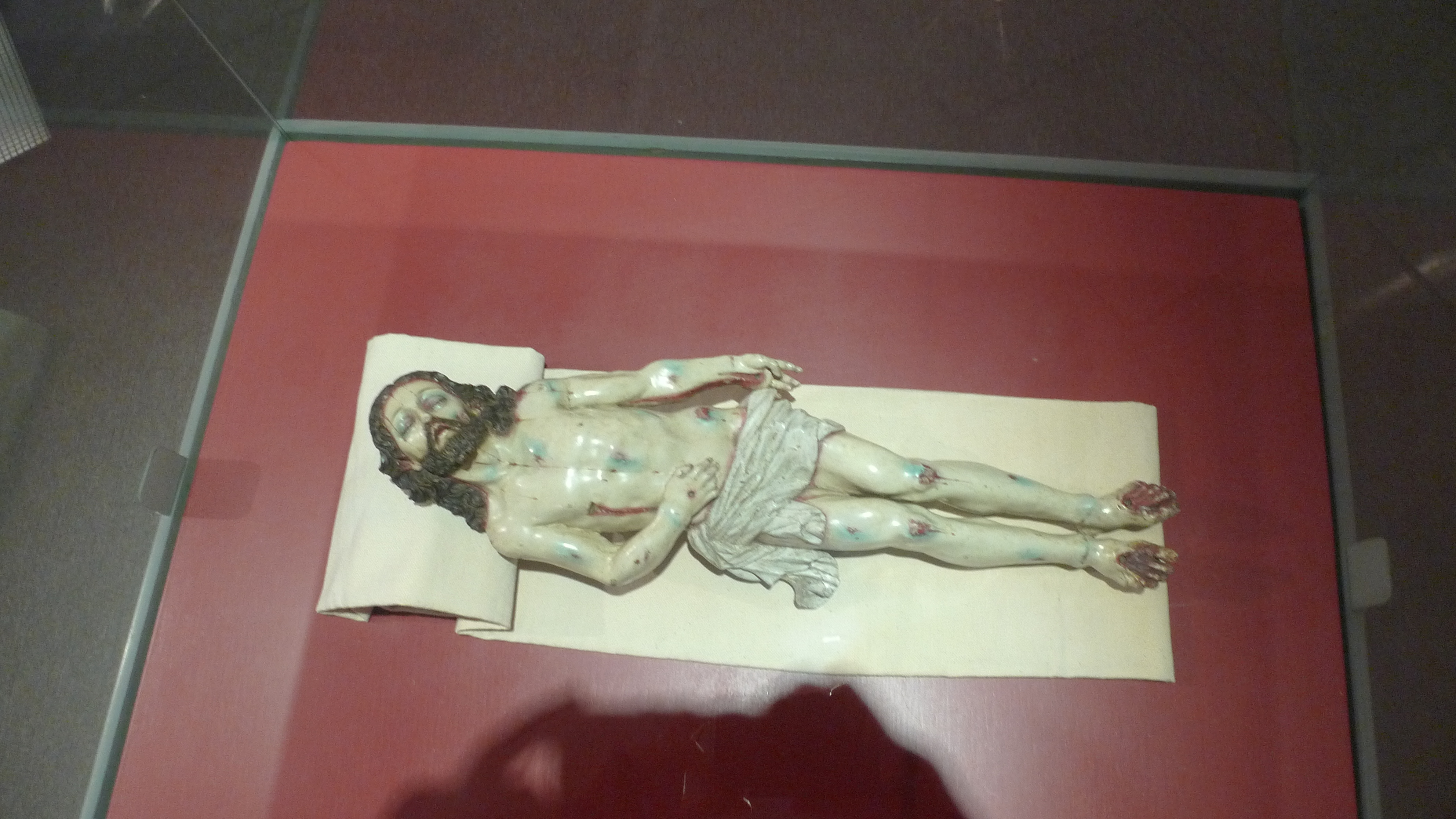
After a brief stop at the “Middle of the World” (literally on the equator – Mac is checking the GPS to make sure it read 000,000,000), we headed up to Otavalo, a smallish town a couple hours away known for its weekly indigenous crafts market.

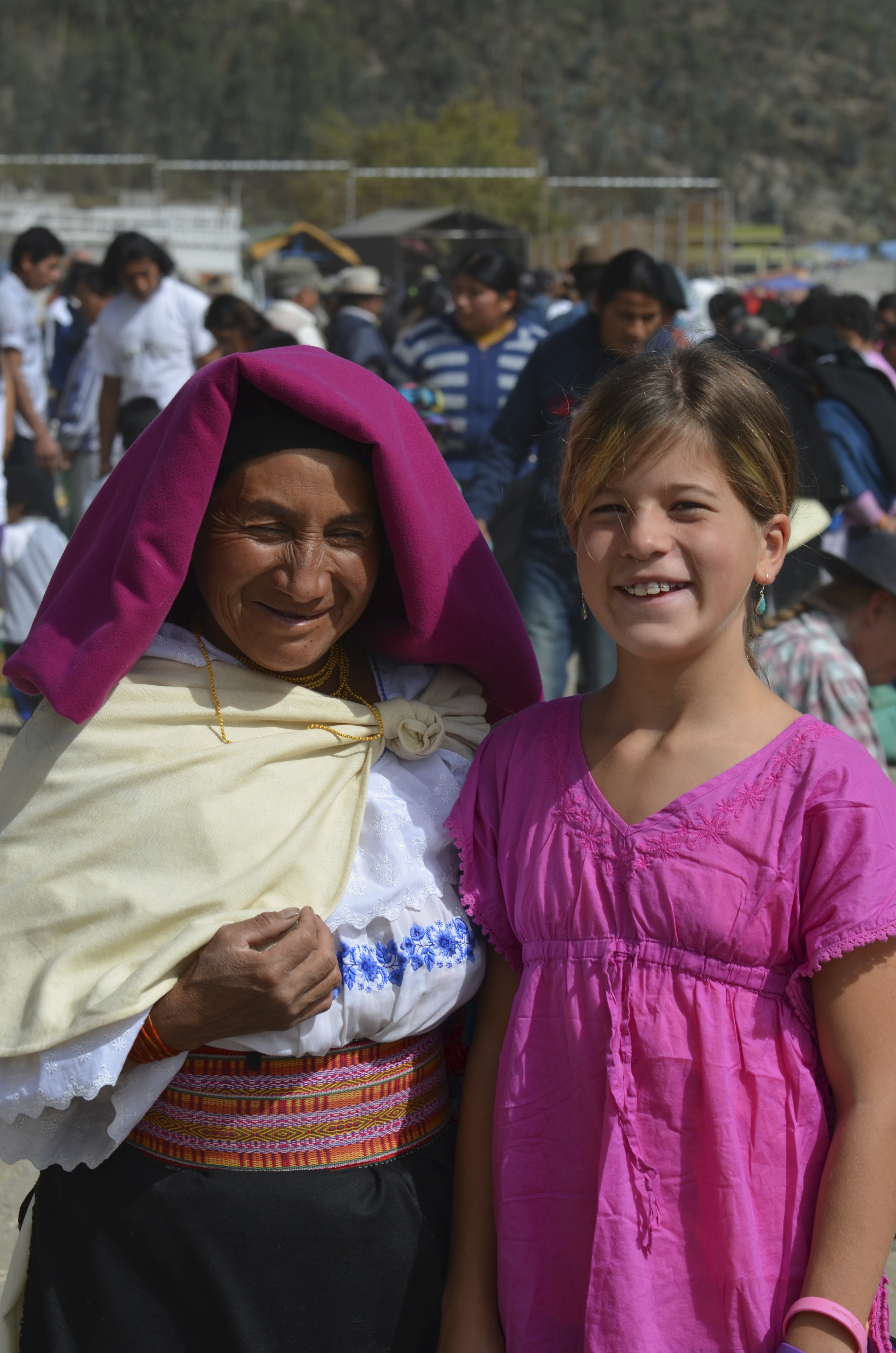
While many of the guide books state that this is now largely a tourist market, we did not find it to be overrun with tourists. Perhaps because we are here in the off-season, we felt as if we experienced folks going about their weekly routine purchasing meat, plastic pots, clothing, etc.

Yes, many of the stalls are dedicated to souvenir-type objects, but there were also many selling traditional clothing (which, despite the high cost, people still wear on a regular basis), underwear, cell phones, horseshoes, leather belts, brooms, vegetables, plastic tarps, etc. (Note on photos below: Our family is not standing on anything – they are on the sidewalk, even with the other folks)

The market is definitely the place to be on Saturday as what is normally a quiet small city becomes a bustling metropolis over night. Streets and sidewalks are congested with people and cars, restaurants and food stalls are packed, and there is the constant soundtrack of the pan flute everywhere.
There is also a Saturday live animal market that coincides with crafts market. Colburn and I had been to several “meat markets” when we were in Asia years ago, but never one for live animals. The kids had never been to any such an event before.

In this market there were chickens, geese, and ducks in all the different stages, guinea pigs by the sack-full (literally they are carried in old rice sacks), and sheep, goats, pigs and cows tethered to makeshift ropes. There were even puppies and kittens being sold as pets, not a food source.
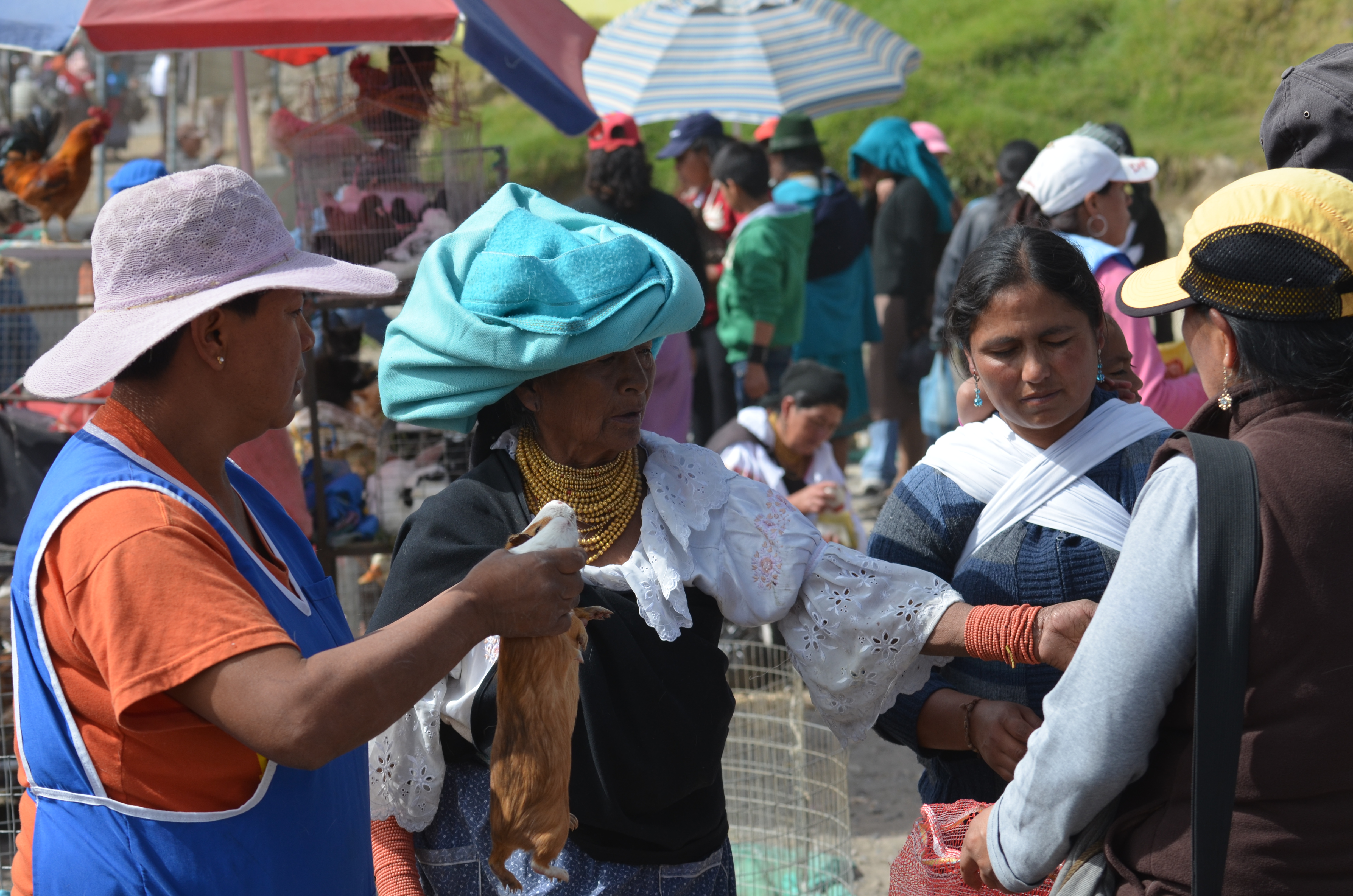
Each animal received a thorough evaluation by the buyer before purchase. If the chicken was not heavy enough or the guinea pig didn’t pass muster, they were put back and another one offered for inspection (note the movement of the guinea pigs being proffered).

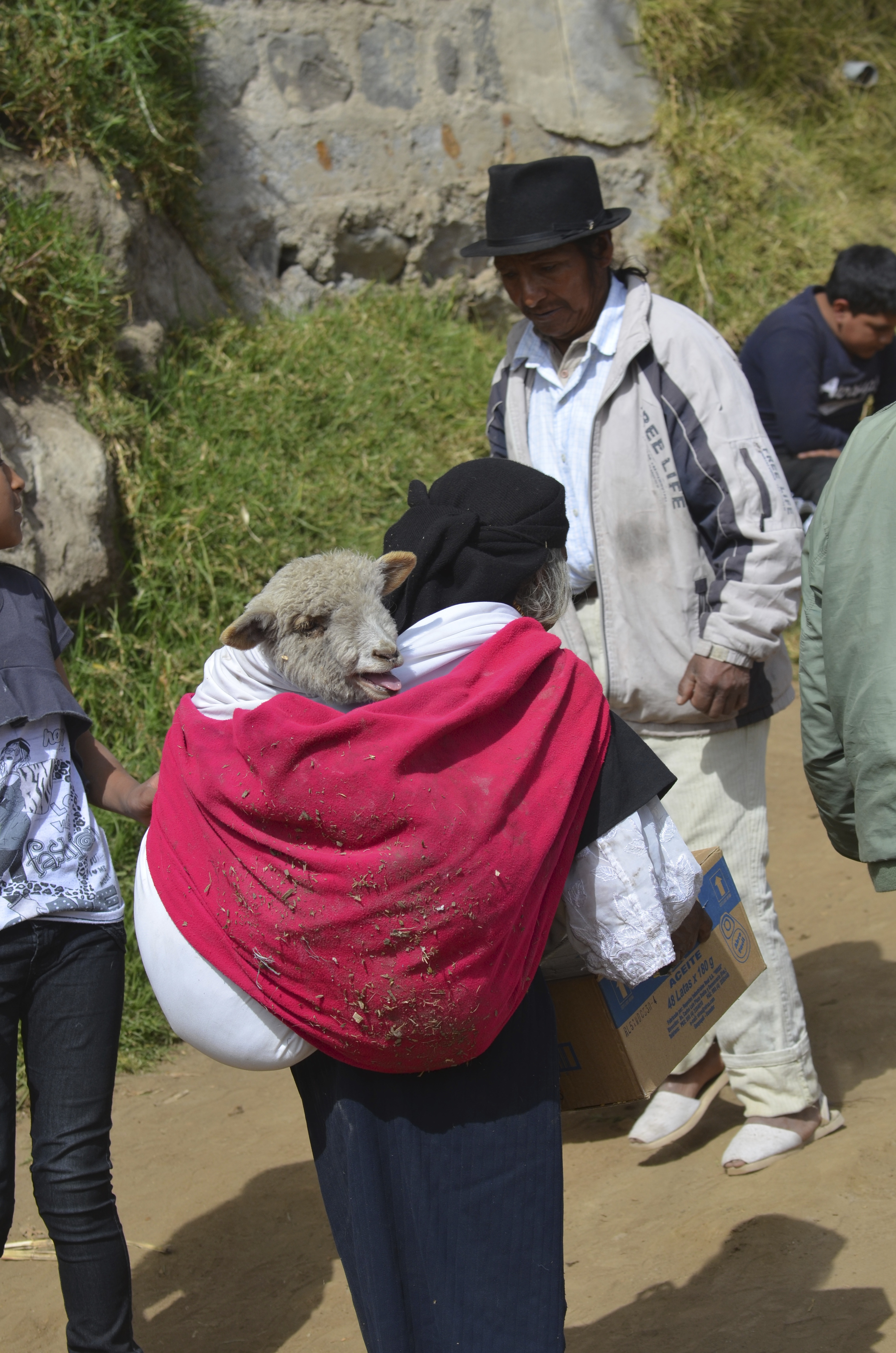
People walking away from the market had live chickens hanging upside down form both hands or tucked neatly under an arm, a lamb in a baby carrier on their back, or a squealing squirming bag of guinea pig slung over their shoulder.
One thing that we have learned though long term travel is that, unlike one or two week trips, we cannot handle multiple events in one day without blowing a fuse. Spending a few hours watching the changing of the Presidential Guard, wandering through the weekly market, or sometimes just getting from one place to the next can be enough exploration for one day. We like to spend time just hanging out together. We do school work with the kids, make reservations for our next destination, play games, or just veg-out with iPads, audiobooks, or a movie. Our family has now been together 24/7 for more than two months and it seems to be getting easier, not harder.
So, now we are off to the Galapagos for the next month. It is somewhat surreal to think that we will be going to a place that I have always dreamed of going, but never thought that it would actually happen. We loved the wildlife in Costa Rica and are hoping to get our fill out there.


 The Shindells - Four to Go
Leave a reply to Stephanie DeBoor Cancel reply