This is a hodgepodge of short thoughts we have had recently, none of which warrant a full post so are put together.
A Boy and His Dog(s)
Mac and Brownie
Anybody who knows us, even a little, knows that we love dogs. Apparently, we have passed this affliction on to our children because they both fawn over any friendly dog we pass. We have found dogs to love in nearly every city, town, and hamlet we have passed through. This longing has seemed to intensify during our time in Nepal and Bhutan as Mac has been particularly hard hit by missing our curly dog. When we speak of what we long for about home, Moxie tops Mac’s list most every time. While he misses certain foods, his friends, clean toilets, etc., it is always Moxie that he misses most. Along our trek in the Annapurna region, he was able to find a young Tibetan Mastiff mix to love in every town. They all looked similar so he named each after a candy bar – Bounty, Snickers, KitKat, and Brownie. Each dog would walk us from our guest house to the end of his territory where we would eventually be guided by a different dog from the next town. Mac has been reading a lot of stories about boys and their dogs (i.e. Shiloh, Where the Red Fern Grows, etc.) which seems to allay the loss somewhat, but also seems to intensify the longing as well. That connection is something he desires intensely. Right now the kids are talking about how many and what kinds of dogs will round out our menagerie when we get back. There is something about the bond between a boy and his dog that cannot be substituted, and missing Moxie is one of the more difficult parts of traveling this long.
Mac and Bounty
A Girl Grows Up
We were looking through last year’s photos recently when we realised just how much Lucia has grown up over the past year and one half. No longer a young girl, she is now an independent, capable, witty and aware young woman entering her tween years with grace and a level head. She has also developed a keen awareness of the role of inequality in the world. For example, while hiking in Nepal, we walked for a while with a transgender woman. After we parted ways, Lucia wondered out loud how the process happens which led us to a discussion of the role of hormones in the development of male or female characteristics. As I explained how exogenous testosterone can change physical appearance (i.e. hair on the face and chest, greater muscle mass, deeper voice, etc.), she, without missing a beat, adds, “And, of course, greater job opportunities.” At 11, she has recognised the pervasiveness of gender-based inequality across the globe – an unintended, but wholly welcome, lesson. Also showing wisdom beyond her years, after getting on Instagram after a couple weeks without internet, she said, “I am so tired of all the selfies on Instagram! Don’t my friends have anything better to do with their time?” Yes, honey, I sure hope they do, but what they look like is the most important thing in the world to them right now. We can only wonder what re-entry will be like for her. Perhaps we are simply providing something for her to go to therapy about later in life.
Lucia and Mac with Auntie Mar just before we leftLucia now
The Bickersons
Often we are asked if it is difficult to spend so much time together, if we we are constantly at each other’s throats. The reality is no – not at all – it may seem like it from the outside but it’s really quite enjoyable. This is not to say that traveling together is always easy, but we are quite happy together and have worked out who does what within the family. Colburn is in charge of money and restaurants, Deb is in charge of reservations and logistics, Lucia now makes sure we don’t leave too much stuff behind because we have lost 6 water bottles since August, and Mac makes sure we have snacks and water. We all have a role to play, but one of the unintended consequences of being together all day, every day for a year and a half is that our marriage has matured at an accelerated rate. We’ve become an old married couple much earlier than our 18 years together would indicate. Perhaps it stems from being more comfortable with and up front about our individual strengths and weaknesses, perhaps it is not having the distractions of work and school to temper our actions, perhaps it is just the consequence of so much time together – something most couples don’t really do until retirement – it is difficult to tell why. From the outside it may look as if we are arguing about trivial things, but the reality is that it is much more of a form of playful banter and not really an argument at all. You can’t spend this much time together and not get along. We love each other more and more each day.
Having fun in CaliforniaHaving fun in Mustang
Holding on and Letting Go
Traveling together for an extended period has brought us to the realisation that life really is a matter of deciding what needs to be held on to and what needs to be let go. Hold on to your children, let go of your preconceived notions of who they should be. Hold on to principles and let go of steadfast rules. Hold on to simple routines, let go of expectations that everything will go the way you think it should. Hold on to what matters most to you – people you love, beliefs, dreams – and let go of anything or anyone who does not support you in those things. Hold on to tradition even when letting go is easier. The list goes on. In fact, it might even be the theme for our book, should we ever write one…..
If there is one thing that this trip has taught us, it is that we tend to take the more difficult path towards our goals. We rarely choose the easy way. Trekking in Nepal was no different. We faced a conundrum choosing among the myriad of hiking possibilities, each with their own benefits and drawbacks. We considered doing the Annapurna Circuit, but decided that it would be much too crowded at this time of the year. We really liked the Tibetan culture and arid landscapes of Upper Mustang, but the permit is crazy expensive ($500 for 10 days) and it involved a lot more logistics. We almost chose Langtang, but then thought that it involved too much looping back to the same spot which could be difficult to motivate the kids. Finally we chose Goyko Lakes to the Everest Base Camp. It is one of the more challenging treks in Nepal because of the altitude, has great scenery and would be a great way to see the classic Himalayan views.
Typical Lunch Stop
Our last few days in Paris were focused on indulging in little luxuries while getting ourselves psyched up for the challenge of 14 days of difficult trekking without showers, internet, or food other than rice and lentils. When we checked the weather before we left Europe, we became a bit apprehensive as we watched a large cyclone that had caused flooding in India heading towards Nepal. Trekking in snow is just not very much fun, especially when you are a kid with short legs, and we weren’t prepared for winter weather. We talked to the trekking company to see if it would be possible to change our route if the weather stayed wintry. “No problem” said the owner, “we will talk when you get here.” Relieved we boarded our plane for the little more than hour and a half flight from Delhi to Kathmandu.
Our first indication that something may not be right was when the captain announced that all flights were being diverted because of weather in Kathmandu. He didn’t sound hopeful. After spending the better part of an hour on the ground in Lucknow, India, we were told that Kathmandu remained closed so all flights were to return to their origin. Since we had come from Delhi, it was only a little over an hour back, but it was also 5:00 in the afternoon and there wouldn’t be any planes out until tomorrow. Humm – what to do? Without an Indian visa we could not leave the airport and we were already pretty tired because we had come in on a red-eye from Paris. Colburn and I considered our options. The thought of sleeping in the Delhi airport was a bit unsettling, but not out of the question as we have done it in JFK, Nairobi, and Johannesburg.
What followed was, without a doubt, one of the longest and most arduous days of our travel so far. Lucia had caught her yearly strep throat when we were in Paris and it was making its way around to each of us, so we didn’t start with much reserve. There were so many people stranded by the combination of flooding in India and weather in Kathmandu that the airport hotel was overflowing. The kind folks at Air India were eventually able to finagle a way for probably 100 of us without Indian visas to spend the better part of a night in a hotel near the airport. We had to surrender our passports to immigration officials without so much as a note or receipt, but since we were such a large group it seemed a small risk all in all. They fed us a dinner and arranged for buses to take us to and from the hotel. They even added an additional flight to the next day so that all the passengers could eventually make it to Kathmandu. Although frustrating because of the lack of communication about what was happening (twice we were roused out of our sleep to be told we had to be on the bus “right now”) , they really did bend over backwards to help us through the evening. I can’t imagine a US airline doing half as much as they did because of a weather delay. Twenty eight hours after we were supposed to land, we eventually made it to Kathmandu, through the rugby scrum of immigration, and to our hotel, exhausted and relieved. Traveling takes grit.
As we checked the weather to see what the forecast was for the Everest region, we saw that it was indeed a continued “wintry mix” of rain and snow with temps hovering near freezing – our least favourite weather to hike in. When we looked at the other areas, only Mustang had clear weather predicted for the upcoming week. Annapurna, Langtang, and Everest all had mixed weather, but Mustang had a big orange “clear and sunny” icon. When we talked about it with the kids, they were very enthusiastic about trekking in Mustang as we have often spoke with them of our time in Tibet. They wanted to see what it looks like for themselves. Also, as we learned about the incredible numbers of trekkers stranded, caught in avalanches, and otherwise in danger from the unusual weather in the Annapurna region, we felt even more confident that Mustang would be a good choice. Working miracles, our trekking company was able to arrange for us to go to Upper Mustang starting just one day later. Kudos to Nepal Social Treks for the flexibility!
Flying in on a 18-seater plane to Jomsom for the start of our trek was one of those times when, as a parent, you question your own judgement. The weather was perfect for flying – clear, sunny, with incredible amounts of snow on the high peaks. The Annapurna Range is spectacular. Pictures cannot do it justice as these are absolutely GIGANTIC mountains. They dwarf the Sierras, Rockies and Andes. Our little plane flew parallel to the range for 30 or so minutes in the early morning sun. Like something out of a movie, we were oohing and aaahing, when the plane took a hard right turn and started heading up a small valley between two very large peaks, Nilgiri and Dhaulagiri. Small clouds clung to the steep walls. There were large waterfalls cascading down either side. Suddenly we found ourselves observing the mountains close up on either side of the plane rather than from a distance, almost as if we had entered a tunnel. I couldn’t help but think of the Far Side cartoon where the copilot says to the pilot, “Hey, what are those mountain goats doing up here in the clouds?” Flying up the valley we were awestruck when the runway appeared and rose up to meet the landing gear of our plane. In the blink of an eye, we were on the ground, nearly skidding to a stop.
A short three minute walk from the airport lead us to a tea house/hotel where we met our porters, Mr. Lama and Mr. Kumari, both local farmers who use their portering wage to supplement their income. As frequently happens when changing from one region or culture to another, we were initially struck (and a little intimidated) by the dusty, gritty environment of Jomsom. After spending two months in the orderliness and sterility of western Europe, my first thought was, “oh my, I forgot about this part of Asia.” Not sure how the kids would react, we were watching for any signs of distress. There were none visible. Lucia had to go to the bathroom and was uncertain how to handle the Asian squat toilet but a quick lesson got her up to speed and we were on our way, hiking up the valley.
Our goal for this trek was Lo Manthang, capital of the Forbidden Kingdom of Lo, a five-day (58 km) walk up the valley. Located on a centuries-old trans-Himalayan trade route, the Kingdom of Lo held a strategic and powerful position between India and Tibet. Being in the rain shadow of the Himalayas, the people are Tibetan in physical appearance, language, and culture. The people of Lo were not subjected to the demands for change imposed as part of the cultural revolution in what is now China, so in many ways have retained a fairly pure form of Tibetan Buddhism. The area was annexed by Nepal in the 1600s, but left largely untouched by outside influences until it was opened to tourism in the mid 1990s. In fact, the king (who only ceased to be considered the king in 2008) has a direct lineage back to the 14th century founding of the kingdom. The people of Lo take great pride in the fact that things go on as they have for centuries in Lo Manthang.
The first day and a half of hiking were easy, mostly along the Kali Ghandaki (Black River) valley floor. The terrain is rocky, almost always along a jeep road made up of river cobbles of varying sizes. Yes, there are undulations, but of a mild sort that only take 20 or 30 minutes to climb. As we finished our second day, our pleasant journey up the broad river valley ended abruptly with the steep walls of the upper canyon forming a barrier to continued progress. We climbed steeply to a bench overlooking the entire 20 km we had walked so far. It was phenomenally beautiful.
Our guide, Achut, had told us that the next day would be more difficult. Always be wary when your guide says something like that. It is a kind of a cruel foreshadowing that they do. Our first days were not difficult by any means, but they were enjoyable. We were ready for a step up in challenge….if we only knew how much more difficult it was, we may have thought differently. Day 3 involves crossing three different passes and a total of 21 km. In between each pass we descended steeply for a few hundred meters to cross a river before heading back up the other side. The cumulative effort that it took was substantial. Before lunch, as we headed up our second pass, I felt defeated. I simply couldn’t keep the pace walking the vertical stone steps which took us down then up out of each of the river valleys. I had been fighting off a low-level bronchitis that started as we left Paris. The aerobic effort needed up the stairs would leave me in coughing spasms that were so bad I couldn’t catch my breath. It felt like my lungs were those of a life-long smoker who can’t walk up a flight of stairs without resting. The kids were fine. Colburn was fine. I was miserable. I had thought that biking 1,000 km would have improved my stamina, but I guess I was not the right type of preparation for this type of activity.
Nearly in tears, I asked Colburn to carry the family water tank (3 litres). He graciously carried the extra weight and eventually I dragged my sorry excuse for an ass in to lunch. Noodle soup never tasted so good, but we still had one more pass to cross before we made it to our hotel. This pass was not as steep as the others, but it was longer and grinding. Achut could see that I was tired, out of breath, coughing, and generally miserable so offered to carry my pack. “No, thanks, I can do it myself” I responded. He said, “Madame, really it is no problem for me. I am used to walking in these hills. Please, let me carry your pack.” My pride was mortally wounded. First I had to get rid of the water, then I had to get rid of my entire pack to make it over a damn “hill” – not even a mountain, he called it a hill for Christ’s sake. Tail between my legs, I coughed my way to the pass and down to our next town. Sitting in the dining room that night, sipping a cup of tea and licking my wounds, I met two young women hiking the same route. One was born and raised in Nevada, the other New York. They, too, were “surprised” by the challenge of the day. I felt a little better knowing that it wasn’t just me.
The next day was supposed to be not as difficult as yesterday according to Achut. “Good,” I thought, “I don’t want another one of those days.” We started off with a gentle uphill. I continued to cough, but was okay. About an hour in to the day, Mac said, “I guess yesterday really wore me out, I’m not feeling so good.” He didn’t look good either. His rosy cheeks, pale skin, and warm forehead all told a not-so-good story. He was walking, but slowly. Each step took effort. This day had two passes, each supposed to take about three hours. As we crested our first pass at four and a half hours, we knew we had to relieve Mac’s misery. He kept going, saying that it was okay, but he was sick, everyone could see it. The kid’s got a great attitude about these things. One of the unfortunate parts about a trip like this is that when you are sick, you can’t just go home and rest. Sometimes you have to just keep going even when you don’t feel well. Achut tried to find us a room for the night at the lunch stop, but no luck – everything was booked.
Looking for alternatives, he found a guy with a couple horses we could hire. Plunking Mac and Lucia (just because she likes to ride) on horses, we headed up our final pass of the day. Like the day before, this was a long grinding uphill on loose gravel. The path climbs steeply across a sidehill. Even Colburn who, in nearly 20 years of hiking together, has never once said to me that a trail was too steep, said, “I don’t know if I can go over one more f#$^&*@ pass like this!” I was glad that the kids were on horses because I was so distraught, I don’t know that I could have possibly helped them through it. It was a kind of self-preservation thing – at that moment, I could only think about myself and getting enough air in to my wheezing lungs to make it up the hill. Nine and one half hours later, we made it to Tserang, our town for the night. Again, feeling defeated and truly wondering where the fun was, we collapsed in to bed for the night.
The human body is amazing because the next morning Mac awoke cheery, energetic, and ready to go. Unlike my slow lingering malaise, the virus had hit him suddenly and hard then left quickly. Although it didn’t seem possible at the time, my cough was getting worse and the wheezing increasing. This meant that I needed to start antibiotics because bronchitis (even the kind with horrible coughing) is usually viral and antibiotics don’t do any good. But, when it starts getting worse a week or two in to it, you begin to worry about a secondary bacterial infection or pneumonia. I could hear the fluid bubbling in my lungs each time I took a breath. This wasn’t good. No wonder I hadn’t been able to walk. Fortunately, the day was all downhill and only four hours. Easy-peasy lemon-squeezy as we say. It was a beautiful day. Easy walking, kids talking, and great vistas all the way in to Lo Manthang. “Now this is why we do this!” I thought to myself. As the antibiotics kicked in, I began to feel better. Mac was better. We felt the accomplishment of making it to our destination despite the challenges we faced. It takes grit to travel and sometimes you have to let go of your pride and let someone else to carry your pack to make it to your destination.
Lo Manthang is beautiful. A medieval walled city of 170 or so structures, life there goes on as it has for centuries. Women work the fields and tend the children. Men care for the animals and operate the businesses. Winter is the season for which the rest of the year is spent preparing. We toured the local monasteries, took a horse ride to the super cool local caves, and enjoyed the feeling of being incredibly far away. Walking more than 30 hours to cover 60 km took us back two centuries.
The trip out was much easier than the one in. We were all feeling well, so the days, though difficult, were enjoyable. As they frequently do when we are hiking, the kids spent hours walking in near constant discussion about MineCraft. While making our way up one exceptionally long (800 meter) ascent, they planned several new worlds including one that has rooms for all of their cousins, one that has mini-villages of all the different places we have been, and another that will be their Christmas gifts to each other. While I don’t like them glued to their screens all of the time, it is amazing to me how they use MineCraft to process what they see and experience. They also put a great deal of effort and planning they put in to what they build prior to actually doing anything. They have drawings of where things are going to go, lists of what will be included in each chest, etc. The benefit for us when we are hiking or trekking is that once they get talking about MineCraft they hike for literally hours with great enthusiasm. I know that there is much debate about the addiction elementary school aged kids have with MineCraft, but I can only say that our kids can walk incredible distances as they are thinking it.
The trek to Upper Mustang was an extraordinary experience. It was physically demanding, culturally fascinating, and geographically beautiful. Perhaps one of the best things about long term travel is the ability to share these kinds of experiences with our children. They have seen us struggle and are learning from how we handle those challenges. Since we don’t always have the answers (i.e. where are we eating tonight, how long will it take, what are we going to do about….), they are learning to live with uncertainty and no longer think that Mom and Dad have all the answers. Through our experiences, we have witnessed what life is like for those for whom life is not as comfortable as ours and have developed a greater appreciation for the luxuries we usually take for granted. As we spend time in more cultures, we have learned that although people may dress differently, look different, or speak different, we all strive for the same basic things in life – security, love, comfort. That’s a pretty good thing for a kid to know.
My mom was the eighth of nine children born and raised in Maastricht, a relatively small town (population 120,000) in the southern part of the Netherlands. Maastricht is not just a quaint little Dutch town, it is an old town. From early in the 1st century BC, Maastricht has had continuous settlement for nearly 2000 years. There are old churches from the 11th and 12th century still in use in Maastricht. There are parts of an old bridge from the same time period that is still used to cross the River Maas. There are ancient and winding streets lined with narrow houses, largely unchanged for centuries, still inhabited. Unlike the United States, things don’t change quickly in Maastricht. But my mom left Maastricht at age 19 to be with my father, an American. Even though her parents, her grandparents, and probably her great grandparents and great- great- grandparents had always lived in Maastricht, she decided to move away to a new continent, a new language, and a new culture with a new husband and a new baby. Growing up, I didn’t realize how much courage that must have taken for her to do that.
Maastricht city walls
Having been born in 1937, nearly all of my mom’s childhood memory involved war. She didn’t often speak of her experiences, perhaps because the memories were too painful or perhaps because she didn’t want to live in the past, I never knew. My first recollection of her even talking about the war was when I was around 12 years old and there were night-time helicopters flying low over the homes in our area spraying pesticides for the fruit fly infestation. When the helicopters would fly over, she would wake up terrified and in a panic then run outside. I was too young to understand why. It seemed odd and, frankly, slightly unreasonable to my pre-teen self. She simply said that the sounds reminded her of bombing raids during the war. I wish that could have understood then what it meant to live through a war. Later in life, she would talk to Colburn about the post-war years – of living with an ever-present hunger, of her mom having to line her shoes with newspaper to cover up the holes because they could not afford to purchase new ones, of her father fishing the river for dinner after working the night-shift as a coal miner – but rarely spoke of such things to me or my siblings.
The church where my parents were married
There were parts of her we never understood while she was alive – why there always had to be sheer white curtains hanging in the front windows, why french fries had to be homemade, and why sheets had to be ironed. She did them, but we never understood why. My mom never taught us how to speak Dutch because she said it wasn’t worth the effort to learn because her dialect is not widely spoken. The main concession she made to her heritage is by choosing to use the name “Oma”, the Dutch word for grandmother, instead of Grandma when my niece was born in 1985. She did her best to adopt all of the typical American traditions saying that now she was an American so didn’t want to focus too much on the traditions of her childhood. Despite this, parts of her “Dutchness” crept in to our lives: we all love hagel (small chocolate sprinkles) on warm toast, we eat french fries with mayonnaise instead of ketchup, and some of us drink a lot of beer!
Touring the city with my cousins
Coming to Maastricht five years after my mother died has had a profound effect on me. There has been an unexpected and overwhelming sense of comfort and being at home even though I have never lived in the Netherlands. The people here look like me – they are stout and solid with big shoulders and strong legs. At least three times a day we see someone that looks exactly like my mom, at least from the back. I can see her at 77 years old riding her bike to the bakery to get some bread then visiting the butcher for some sliced meats then stopping by the florist to pick up fresh flowers. I can picture me living here too as it is all so familiar. All of the windows have white lace-trimmed curtains in them. We even saw the exact fabric my mom used when we visited the weekly market. She must have bought her fabric 20 years ago, but they are still selling the same style because things don’t change quickly in Maastricht. The cakes and pies are the kind that my mom loved – sweet and creamy – served with a tiny fork. Meeting my cousins was not like meeting strangers, it was very much like meeting younger versions of my mom. They laugh like she did, they joke with each other the way my mom did, they use small spoons and always have a cup of strong coffee at the ready as my mom did. One night we were sitting around the table at my cousin’s house and I had a flash-back to visiting here when I was six. I don’t remember a lot of particulars about that trip, but there are a few images and feelings that I clearly recall. This was definitely one of them. The image I remember is of our parents sitting around the table at my aunt’s house – drinking, smoking, laughing, telling stories. And now, some 40 or more years later, I found myself sitting around the table in an immaculate Maastricht home with my cousins, drinking, smoking, laughing and catching up on what has been too many years of not really knowing each other. I regret not having come here with my mom while she was still alive and sharing this experience with her.
The cycle path from Aachen to Maastricht
The feeling of being at home started before we met up with my cousins though. It started as soon as we crossed the border from Germany to the Netherlands. We stopped for a coffee and pastry just over the border and immediately we were struck by the differences. The language in Holland is softer, has more emphasis on the vowels and more lilt to it. There is much more laughter here. People at the tables next to us were laughing, the lady who took our order laughed, we laughed louder than we had in the past month. After the reserved manner of Switzerland and Germany, the lightheartedness of the Limburgers was refreshing…and familiar.
10,000 US soldiers are buried here
As we rode our bikes through the countryside, the weather was perfect and we came across a commemoration of Operation Market Garden at the third largest American cemetery in Europe. Unaware that seventy years to the day, the most extensive paratrooper drop of the war happened near Arnhem. Just three days before we had seen the movie, A Bridge Too Far, which dramatizes the battle. The day after seeing the movie, we visited the Peace Museum which was developed in the old bridge abutments at Remagen, one of the bridges in the operation and the only one left intact. As we passed through Margraten, there was a big poster on the side of a barn with three images: GI’s in action , GI’s and citizens raising the Dutch flag and a young girl praying at a grave. Just riding by the poster gave us the chills. Fifteen minutes later, we found ourselves at the entrance to the Netherlands American Cemetery with more than 10,000 US soldiers (1,800 were unknowns) buried in it.
Honoring the fallen
As we walked through, we were struck by how many graves had beautiful bouquets of fresh flowers on them. It didn’t seem possible that all of the flowers had been placed by US relatives in just the past couple days. Then we saw an older lady with a big bunch of flowers being pushed in her wheelchair along a path by younger family members. We wondered out loud if she had known one of the soldiers, perhaps it was her husband, nephew, or brother that she was honoring. Later we found out that 100% of the graves in this cemetery have adopted by families in the area. There is even a waiting list of families hoping to adopt a fallen soldier. The locals treat the graves as if they were one of their own family, placing fresh flowers and visiting occasionally, out of continued gratitude. Suddenly, everything came together in a sobering, somber wave. In a moment, I understood more about what my mom had endured than I had ever known before. Unfortunately, it is too late to tell her that I can now understand where she came from.
With few exceptions, our entire first year of travel was spent in areas where we were always easily identifiable as “foreigners” or “tourists”. You get used to it after a while. In fact it can be wonderful because there is a kind of pity given to foreigners that helps when you’re lost or clueless as to what to do in a particular situation. Except for our time in Argentina and South Africa, we have always stood out for our size, our clothing, our language and the color of our skin. However in Europe, our experience is quite different. We fit in – very well – almost too well. People only speak to us in English if we specifically ask them to do so. Strangers ask us for directions. We are expected to know how the local restaurants work (which is not always intuitive). People really think that we are from the area. That rarely happened last year. When they find out we don’t speak German, French or Swiss German, the first guess is that we are from the Netherlands. This is understandable given that we both come from Germanic heritage – Deb’s mom was born and raised in Holland, Colburn’s father’s side of the family comes from Germany and Austria – and English is widely spoken in the Netherlands. So, if you speak English and look Germanic, you must be Dutch! I guess if you only based it on our looks, it would be completely possible.
Can You Guess The Nationality?Fun Cycling
One lady was convinced that we were from somewhere in the UK because folks from the US wouldn’t be biking with their kids. And Lucia was once mistaken for being Italian because she reflexively responded to a question in Spanish rather than English. Embarrassed, she came back to us exasperated, but we all have had to fight the urge because if we’re not speaking in English, we must have to speak Spanish as it is the only other language we know. Unfortunately, it’s not a common language here so we’re left playing charades or trying to get by on the simple phrases and words we do know. But, it’s pretty amazing how much we can actually understand without knowing much about the language. The other day, we were cycling through a little town and saw a house that had a sign on it that was a very long word. We doubled back to take a picture of the sign and when Colburn asked permission, the gentleman standing outside explained to us in German that the word was word was the year the house was built (1758), possibly written in the local dialect. He then went on to explain that the area has been wiped out by the Turks, the Franks, and we think, the Allemani but then was rebuilt in the 1600’s. His particular house used timbers and materials from the 1600’s but was actually built a century later. And we understood all of this without actually speaking German. Pretty amazing. The other aspect of travel where we feel like we fit in is being on our bikes. It’s wonderful to see how many people bike around town – older ladies going to the bakery for bread, young adults going to work, toddlers on their balance bikes tooling down the path. Everyone bikes. But perhaps the most surprising to us has been the number of 60 or 70-somethings we see touring on bikes. If I had to estimate, I would say that probably two-thirds of the folks identifiable as bike tourists (are using a map) are in the 60-80 year old category. Now, they aren’t carrying all of their gear with them like we are; it’s a different type of cycle-touring. They don’t camp, their luggage gets forwarded from inn to inn, they have electric assist bicycles — but they are still out here doing the same basic thing we are – seeing the Rhine by bike. It’s totally awesome.
The Middle Rhine
Surprisingly, we have only seen a couple other kids carrying gear on bikes – one at our first campground and another at our last one – both with a single parents. When we feel that we are intrepid bikers, we remember that we are in Europe and there are folks way tougher than us doing the same thing. We stand out only because the kids are carrying stuff, not because we are biking 1200 kilometers.
Water Bottle Holders Can Carry Wine Too!
With almost 800 kilometers completed, we have settled in to a lovely routine with bike touring. Unlike the Upper and Alpine Rhine, the well-cycled Middle Rhine has not presented the navigational or topographic challenges we experienced early on in the trip. The route now clearly follows the river, often on the tow paths as we had expected. The going is easy and the days enjoyable. Our bodies have adapted to the demands of cycling nicely – no more sore butts or tired legs. We carry a lot of food with us because we need to stoke the engines frequently. That being said, we can easily add 10 or 15 km to a day if we need to without anyone having a meltdown. It’s just not a big deal anymore (it was the first couple weeks).
Our 1980’s Airstream in BonnThe License Plate on Our Room for the Night
We like to camp for a few nights then stay in a hotel, hostel, or funky Bonn camper hotel – we are staying tonight in a 1983 Airstream – or, the other night, a 9th century castle. That was a real treat – but was hard-earned as the climb was steep!
Our Castle Retreat
We ride for a few days then take a day to enjoy the area. We can do school on most days, even if it is a full riding day. We have settled in to our routine and it’s good. Soon we leave the Rhine to visit some family in the south of Holland then take a train up to visit more family in Amsterdam. After Amsterdam, we cycle down the coast of the Netherlands to the Belgian border where we will store our bikes for the winter. We intend to hop back on them in the late Spring to ride the Danube from outside of Vienna down to Prague and possibly even beyond. We will have to see what the Spring holds for us, but for now we are enjoying the ride!
Leaving SFO with our bags and bikes in boxesPutting bikes together in the Zurich Airport
450 km of the Rhine completed, 800 km to go! Perhaps up there with hiking Colca Canyon in Peru and to the Mirador de las Torres in Chile, biking through the upper portion of the Rhine route ended up being one of the more challenging physical activities we have undertaken. Listed as an “easy” and “suitable for families” route, we thought that it would be the perfect introduction to cycle touring. Relatively short days of around 50 km per day and flat terrain coming out of the mountains would allow us to settle in to a rhythm and get used to biking with all our gear with us. At least, that’s what we thought it would be. The reality has been quite different, still good, but not nearly as “easy” as we thought it would be.
Bike lanes are everywhere
You’ve got to love the Swiss because the whole country is set up for bicycling. There are literally thousands of bikes traversing cities, towns, and villages. The Swiss are also fanatical about identifying their bike routes. Think signage at every possible juncture. Unfortunately for us, we encountered 100 or more such junctions each day as we were winding our way through medieval towns, traversing apple orchards and spanning rural farm roads.
Well marked, but sometimes confusing
The system works great until you don’t see one of the signs because it was hidden behind a jasmine bush or hyacinth. It may take a while for you to realize that you’ve lost your signage and now are not really sure how to get back to where you want to be without backtracking great distances – something irritating in a car but down right disheartening when on a loaded bike. We also have a mobile app which has all of the Swiss bike trails on it, so we thought we were good to go. If we got lost, we could just look up where we were on the map and find our way back to the route. It would probably work great if it didn’t take 10 minutes to load when we were in the rural areas of the Alpine Rhine or if we had better cell coverage. In the end, it was pointless to even try to use it so we were stuck relying on the signs. It worked okay, but we have made more than a few wrong turns which extended both our mileage and daily elevation.
Konstanz, Germany from the church tower
In my mind, I had pictured peacefully spinning along the riverbank on a flood dyke or towpath, following the river as it meandered across the valleys. However this section is through the mountains so the river is sinuous and convoluted as it tumbles down from the high passes. The bike route frequently has to veer away from the river to cross a ridge because the valley cut by the river is too narrow or too steep for a bike path.
Pleasant Swiss courntryside
A few of our “misdirections” included adding 12 km of “undulating” terrain through the hills where the book Heidi was set on our very first day, crossing through a farmer’s field and sheds to then go down a dirt path, across a stream, and back up the other side of the ravine on the third day (this one ended up great though because we found a Turkish restaurant for lunch as a result!), pushing our bikes through a quagmire of clay-like mud along a construction zone as it rained on day 6, and a 3 km ride along what might be described as a high-speed truck-route our last day in Switzerland. And this is just some of the highlights of our misdirection adventures – there were many, many more!
One of many clock towers
However frustrating the navigation, the scenery and experience have been amazing. We began riding in Chur, one of the longest inhabited cities in Switzerland. Charming streets are lined with half-timber houses, winding narrow cobblestone streets, and yummy peasant food lured us in to its charms. The scene was idyllic – high granite mountains with a quaint typical Swiss town in the valley below. It was the kind of scene which makes you want to break in to Julie Andrews, “The hills are alive, with the sound of music….” but we didn’t because none of us can really sing all that well. The weather was fantastic – high puffy clouds, 70 degrees, and abundant sunshine. This, of course, was not to last too long as it has been a rainy summer here, but we enjoyed the auspicious start.
A rainy day
After a few days of riding we decided to spend our first rest in a hotel in Konstanz, Germany. A very welcoming college town, it was easy to get out and see some of the sights. Part of us just wanted to hole-up in the hotel and relax, but the other part of us really wanted to walk the streets, see the churches, and explore the area. This conundrum is something that we have faced often. If you are visiting an area for a week, you can sort of suck it up and do everything that you want to even though it is exhausting in the end. If you’re only going to be someplace once, you need to make the most of it, right? With long-term travel, it is different because you simply cannot have amazing new experiences every minute of every day. You saturate your mind, burn out, melt down, and end up in a puddle on the ground.
Finally getting out for a walk
Over our time traveling, we have found that one incredible “event” per day is plenty. It may seem like we are wasting our time because we’re sitting down listening to music or reading stories instead of seeing all of the sights of an area, but we just can’t do any more than that. Some days our event is simply getting from one place to the next, other days it might be visiting a church or taking a tour by canal boat. We also have to be able to get school done along the way and we have found that the process is much easier if the kids aren’t exhausted from touring different sights.
A small Swiss castle
Another few days of biking lead us to the small town of Kaiseraugst, Switzerland. Our family has a thing for ancient history so we wanted to see Augusta Raurica, an old Roman fortified town built around 200 A.D. Walking down a path along the river we came across the restored old bath house you can just walk through — no entry fee, no guards making sure you don’t touch anything, just informative signs as you walk through. Walking further along the path, we came to a playground the kids wanted to explore. As we looked around, we noticed that the wall of the playground was really, really thick – like 9 feet thick – it was part of the old fortifications. Again, the kids could climb on it if they wanted to – no barriers, no signs admonishing you to stay off of the relics, just history embedded in to the town. The weekend we were there was also the annual Romanfest complete with expositions of gladiator fighting, presentation of the troops dressed in period clothing, and a whole bunch of other Roman things.
Parading of troops at the Romanfest
This was one of those times when we were so tired we could barely walk to the store to get groceries but really wanted to go see the festival too. After much deliberation, we thought this was something we really had to do so pulled our butts up one more hill to the festival. It was good fun, but probably would have been better if we could have understood at least a few words of what they were saying. Leaving Kaiseraugst was difficult as we really liked the town and our campsite along the river. The whole process was very relaxing. The people who run the place are a Swiss-American couple so it was nice to be able to speak fluently with her about the area, how to get around, etc. The man is Swiss and Lynn his partner is from Long Island, NY.
Demonstrating a battle formation – Mac loved it!
Switzerland is not part of the EU so has its own currency, Germany, France and Austria use the Euros. You would hope that most places would accept either currency at a nominal exchange rate, but our experience has been that in Switzerland it is Francs and only Francs and everywhere else is Euros only. We ended up having two different money storage (left pocket Euros, right pocket Swiss Francs) and would have to figure out if we had enough money when we had to pay for something because you often cannot tell what country we are in. One day we must have crossed back and forth in to different countries at least six times. Mac got a kick out of this though because he hates immigration. He thought it was a hoot that we never had to have our passports stamped!
Steim am Rhine, with a beautiful medieval main street
Strasbourg, France followed Kaiseraugst. We decided to hop a train as there were 150 km of undulating terrain, a big city, and not too much to see so we decided to get a bit ahead by taking the train for a couple hours. It was a nice break as we were able to get an extra day in Strasbourg, which we adore, and also to give our legs a break.
How bikes travel on French trains
The kids were able to do double lessons, Colburn and I were able to eat some yummy Alsatian food, and we enjoyed walking around town. One of the things that we love about many of the cities/towns we have been in is just how walkable they are. Unlike the US where your favorite restaurant may be 20 miles away, our favorite place was only three doors down from our apartment (not that we were there long enough to really develop a “favorite”, but we really enjoyed our date-night there). Strasbourg was especially nice and we have started to consider coming back for a European Christmas!
A stormy morning in France
Our last few days have been much more along the lines of what we expected – flat tow-paths and flood dykes, long-ish distances (60 km yesterday) without being exhausted when we get to camp , and a little bit of extra time to enjoy where we are. We have spent these couple days mostly “big ring riding” – a phrase we can only use when the terrain is flat that you can actually use your largest chain front ring. We love big ring riding!
Happy bikers
So, to this point, if you would ask us if we have enjoyed biking the Rhine, we would give it a qualified yes. It has been more difficult both physically and emotionally than we had anticipated yet we have enjoyed the process overall. Despite near-obsessive signage, we manage to get mis-directed several times each day. It’s happened so much now that the kids just groan or chuckle we she have to take a “detour”. We’re settling in to a rhythm and realizing that a decent map is a godsend, that shorter days are better than longer ones, that chocolate makes everything better, and that we need way more food with us than you would think. The kids love the pastries, schnitzel (fried anything, sometimes on bread=schnitzelbrat), spaetzle (a thick egg noodle), and Shorley (an apple drink). Colburn and I love the wine and beer.
Currywust and Schnitzelbrat at a festival
The people in Switzerland were lovely, reserved but always patient and helpful. We were also surprised in Strasbourg by how accepting of our linguistic incompetence people were and how they would go out of their way to try to help us. Often it has required a mixture of German, Spanish, and some English. Now we are in Germany and have been struck by just how far the German people will go out of their way to help us. In just one day, a man saw us ride up and down the same street (we were looking for a bakery) and he got on his bike to make sure we found what we were looking for; another man saw us looking at our map so asked where we were going and gave us two different options on how to get there; a woman who saw our tent and sleeping bags on the back of the bikes stopped to ask us if we were looking for a campground because there were none in the area. Finally, when we stopped for lunch at a Home Depot type place, another man was checking out our bikes and started to ask questions about what we’re doing – ends up he lived in Pittsburg for several years as a coal miner. Speaking with him in English was profound for Colburn as he sounded precisely as a early Shindell in Pennsylvania would. So far we’ve made it through every situation somehow – often through the kindness of strangers. These are the experiences which make travel so rewarding. Everywhere we turn there is warmth, kindness and generosity of time and spirit.
For the past few years, Colburn’s family has arranged for all of the siblings to meet for a week or two of family time with either Granny on the Cape and Grandpa up in the Adirondack Mountains. Some years we are able to do both, but we always try to make it for at least one week together. These events have become an institution: cousins separated by a continent play together on the lake or in the ocean, siblings reconnect, and time is spent together as a family despite the geographic disparity of where we live. As we planned our trip, we realized that we did not want to miss out on the annual get together, so were trying to be back in the US in time for the end of the July get-together. When we decided that our trip would take more than a year, we committed to being back for the summer. We knew that if we stayed in one place we would lose our travel mojo as it is much easier to be sessile in a comfortable location with your native language than it is to constantly work to understand the language and customs of foreign lands. And so, the seed for a US road trip was born. A couple months on the road with Sylvia, our trailer (yes, we named our trailer), would allow us to explore the US in a similar fashion to what we have done in other countries. It would be a little bit of a rest break but we could visit some of the “must see” highlights of the US while enjoying relatively easy travel.
Disneyland
When we were abroad, there were a couple activities that the kids really missed and we couldn’t find a suitable substitute. Mac really missed riding his bike and few places rent kid-sized bikes. In nine months, we tried several different times but could only muster one trip around a city park in Buenos Aires. Lucia really missed rock climbing. Much like trying to find a Mac-sized bike, trying to find someone that was prepared to take kids rock climbing was challenging. Sure, they can zipline lots of places, but no one had climbing available for anyone under 16. Interestingly, I didn’t realize that either of these things were really important to the kids, but it came up several times while we were traveling so we made sure we scheduled in climbing and biking time to our US itinerary as possible.
Lucia on a Crack
Our trip started in mid-May getting Lucia on the rock at Joshua Tree. For several years we had tried to get there during spring break when the weather there is perfect, but the timing never worked out for us. In the 1990s, I ran outdoor ed and climbing trips in Joshua Tree so remember well the challenges of trips planned too close to summer. The heat can be oppressive. You only have until about 10:30am to do anything then must to hole up in the shade until early evening. As intense as the midday sun can be, the nights are still gloriously cool. Even though when we went it was only mid-May, the 105 degree heat and blazing sun every day reminded me of why April is a better time to be there. But, we pushed on and were able to work around the weather by climbing early and late in the day. Mid-days were spent under the awning of the trailer doing school work and reading. Lucia loved the heat of the rock and used her sweaty determination to climb steadily more difficult routes. One day as she reached the top of her climb, she said, “I have gone from liking rock climbing to loving it! Sure it’s hot and sweaty, but I think I want to do this more when I get older!” Now we ponder what her twenties will look like — and worry just a little that it might look an awful lot like ours!
Pool Jumping
After Joshua Tree, we headed to Los Angeles to do some theme parks (Legoland and Disneyland) and visit friends. It was wonderful to catch up with old friends that are sorely missed. The kids had three full days of playing with some of their best friends in the whole world, our old neighbors from Reno. Picking up as if they had never been apart, the kids realized that true friendships survive months and miles of separation and spent the entire weekend engrossed in their play. In fact, we rarely saw them unless it was meal time!
Biking along Venice BeachHanging With FriendsDarth Mac-ius
Next we headed to Utah and Arizona for some Southwest fun. Mac had wanted to do more biking, so we planned on a few mountain bike trips. First was the St. George area, a fabulous biking and hiking spot in southern Utah. Red rock formations, slot canyons, and great mountain biking trails kept us busy for an entire week. The kids are really just getting their legs underneath them in terms of mountain biking and it was amazing to watch them progress on each ride. Gooseberry Mesa (just outside of Hurricane, UT) has lots of interconnecting trails of varying length and difficulty so you can create any type of ride you’d like. It is also substantially cooler than in the valley so provided a nice break from the heat. The area also has beautiful slot canyons to explore. Our favorite was actually at our campsite (Red Cliffs) – perhaps a 20-30 minute walk to a series of swimming holes and waterfalls to explore. Unfortunately, we lost our camera with all the beautiful slot canyon and water pictures on it, so can’t share the images. Great fun was had by all we highly recommend this to anyone interested in biking and hiking.
Red CliffsKanara Creek
Continuing our Western adventure, we headed to the North Rim of the Grand Canyon to ride the Rainbow Rim trail. This place was AMAZING! Having rafted down the Colorado twice and hiked both in to and out of the canyon, I have a soft-spot for the quietness and solemnity of the place. We had originally planned to stay in the Park on the north rim and pedal around the trails there when we found out about the Rainbow Rim Trail just outside of the park on National Forest land. The trail itself is 18 miles of intermediate level terrain that parallels the canyon rim. Vistas in to the canyon are only had at one of the five points you bike across, but whoa, are they beautiful! Perhaps the best part was that we were able to do some wild camping right on the rim overlooking the lower Canyon.
Rainbow Rim Trail Camp
We had the place to ourselves, literally not another soul around except for the bikers during the day. As with the St. George area, if you are at all interested in this type of experience we highly recommend it. The only caveat I would provide is that the trail is really an intermediate one with a few sketchy areas (think scree slope crossing that dumps over a 100 foot cliff or sharp downhill turn that if you miss you’d go over a cliff in to the canyon) so is not one for newbie mountain bikers. There were a couple times we held our breath as the kids negotiated these challenges, but in the end they did fabulously and we had a lovely time.
Biking at Canyonlands/MoabOn the rim of Canyonlands
It was hard to beat our experience at the Grand Canyon, but Moab gave it a good run. Moab truly is an outdoor heaven. We stayed in a commercial RV park right in Moab so we could have air conditioning, power, and an easy stay thus giving us more energy to explore the surrounding areas. We biked in the mornings and climbed in the afternoons. As with Joshua Tree, mid-days were spent doing school in the comfort of an air conditioned trailer. Both kids mastered going over 12-18 inch ledges, learned to shift on the fly and rarely put their butts on the saddle. Mac is a truly gifted mountain bike kid — and is fearless when it comes to down-hilling — which also makes us wonder what his twenties will look like. He was confidently going down stuff that I was hesitant to do. Lucia, on the other hand, was again completely in her element on the rock. Sweaty and dusty, she would beg us to stay longer so she could do, “just one more route, Daddy!” every evening.
Lucia’s First Lead
By the end of the week she wanted to lead her first climb. Colburn and I looked at each other wondering if 10 years old was too young, but we were confident that she could do it because she had easily done the route a couple times so we said, “Go for it!” Although she got a little tweaky mid-climb, she completed it with her usual understated grace. We couldn’t be more proud of our kids. Not just for what they do, but also how they do it. Each time we present them with a challenge, they seem to step up to it without much hesitation. They know what we ask them to do is sometimes “scary” and “difficult” but that we won’t let them auger unnecessarily. We mitigate the risks and recognize when it’s “too much”.
Mac’s Climbing Attitude
In reading blogs of families that travel, one family that bicycled with their kids from Washington to the tip of South America provided the advice to “never ever underestimate what your kids can do”. When I went on a 9 mile, 2400 foot vertical “Third Grade Hike” with Lucia’s class I couldn’t believe that the whole class did it without even one whimper. We saw it again when we were trekking in South America and now again here. Kids can do much more than we think they can. The lesson has now sunk in – never, ever, underestimate what your kids can do.
GI Colburn at the WWII MuseumDebbo the Riveter
From our outdoor adventures in the West, we made a bee-line for Tulsa and the Woody Guthrie Center to begin our “Civil War to Civil Rights Tour”. Chronicling his life, music, and art, the Guthrie Center has a mix of his music and artifacts as well as a broader presentation of the importance of his music to society. It provided a very informational and inspirational start to this part of our trip. The Guthrie Center was followed up by the National Civil Rights Museum at the Lorraine Motel in Memphis (where Martin Luther King Jr. was killed). An incredibly interactive experience, the kids really got an idea of how the Civil War did nothing to assure equality and that the struggle continued with great consequences for more than 100 years. They recognized some of the parallels to the race relation issues we learned about and witnessed first hand when we were in South Africa. The concept was reinforced when we went to the World War II Museum in New Orleans (which is also a fabulous and interactive experience) and they listened to the stories of soldiers, especially African-American soldiers. We can whole-heartedly recommend all three places for an interesting and educational experience with kids. The discussions that followed were pretty interesting.
The Shindell’s at Hogsmeade
After so much focus on “learning” and “education” we headed to The Wizarding World of Harry Potter – one of the relatively new sections of Universal Studios Orlando. As big fans of the books and movies, it was almost a pilgrimage for us. There is a replica Hogsmeade village complete with HoneyDukes, the Three Broomsticks and butter beer, a reality ride that begins with the line wandering through the different parts of Hogwarts, and the opportunity to have a wand choosing session at Olivander’s among other things. We were engaged for several days – even as adults. Although we missed the opening of the new Diagonally section by less than a week, we thoroughly enjoyed the theme park experience before visiting with family for the remainder of July.
Adirondack Fun
Eleven weeks and more than 10,000 miles later we made it back to the California/Nevada area to get ready for the next leg of our trip – biking the Rhine. We didn’t realize it when we were planning the US adventure, but perhaps the greatest benefit of road tripping in our trailer is that we wouldn’t have to pack up and schlep our bags every day. We had a home and all of our stuff with us without having to move in and out all of the time. If you are not in constant motion, it may seem like a little thing, but the sheer process of packing up and moving is exhausting with frequent repetition – absolutely exhausting – and we only used carry-on sized bags when we were abroad! We we were able to experience a great cross-section of Americana; from an incredible wilderness campsite by ourselves on the rim of the Grand Canyon to truck stops/Walmart parking lots in the south and lots of places in between. Great fun!
When we were first planning our trip we offered an open invitation for anyone who wanted to join us to choose where or when they wanted to meet us and we would do our best to arrange our schedule accordingly. Not surprisingly, it ends up that Africa was the big winner for folks being willing to pack up and travel halfway across the world to come join us. After four weeks with the Lowell’s (Deb’s brother and his family), we headed to Cape Town for a week of Western Culture, school and wine tasting then met up with Grandpa (Colburn’s dad) in Kenya for a magical ten-day safari organized by Nella Nacini of Tin Trunk Safaris.
Tracking dogs are used to locate poachers after a kill
Unlike our previous safaris, this one did not involve endless days of driving to see everything that we could possibly see but rather focused outings based on specific viewing goals. Because the Great Migration is not in Kenya at this time of year and the fact that our lodges were all situated on conservancies rather than in national parks, the viewing is wonderfully intimate. The extensive herds of wildebeest and zebras are down on the short grass plains of the Serengeti at this time of year so we split our time between an area known for its big cats (lion, leopard, cheetah), another area known for rhino and elephant conservation, and a third area which has strong tribal culture.
The endangered Grevy’s Zebra
Unfortunately, the area we were supposed to visit for tribal culture is experiencing extensive cultural “tension” over grazing rights, so we had a last minute change to an area that was not as interesting, but offered wonderful views of Kilimanjaro and the opportunity to have drinks with Richard Bonham, a gentleman who is working diligently to prevent rhino and elephant poaching through his foundation Big Life.
Young male lion
The Maasai Mara is the northern boundary of the wildebeest and zebra migratory path. The flat horizon-line of the Serengeti gives way to gently rolling hills, lightly green after the onset of short rains. An open landscape of volcanic rock, acacia trees and open savannah, the Mara has many small rivers providing water throughout the year and supporting resident populations of grazers which in turn support an extensive populations of the big cats.
The leopard is the most elusive of the cats but because of the density here, we were able to watch a female for the better part of an hour as she gave a half-hearted attempt to hunt then rested in an acacia tree. We were the only folks in the area until our driver-guide called another group in the area to let them know of our find.
Leopard in a tree
Although we didn’t see any actual hunts, we came across four or five groups of lions and cheetahs gorging then relaxing after a kill. Because the populations are resident (not transient), the individual animals and their territories are known to the guides which allows you to follow a particular animal over several days to see their behaviors, their range, and the intricacies of their life rather than simply bagging yet another amazing photo opportunity.
Mac’s photo of a cheetah momma
The other amazing area we visited was the Lewa Conservancy in northern Kenya. Once a private cattle ranch, this area has one of the most stable rhino populations on the continent because of extensive conservation efforts. Rhino populations in Kenya have plummeted from more than 65,000 in the 1970’s to less than 3,000 in 1990’s, with the vast majority of rhino’s being poached solely for their horns which are used in traditional Chinese medicine.
The baby rhinos
Some estimates indicate that the rhinos will be extinct within the next 20 years if stronger anti-poaching practices aren’t implemented. Lewa employs more than 250 people to protect and monitor individual animals as well as herds. We were able to observe a single ranger who protects three baby rhinos: one born blind, one whose mother is blind, and a third whose mother was poached. Witnessing the plight of these amazing prehistoric animals has stirred Mac into action to preserve these magnificent animals.
The rhino log – each rhino is tracked every day. If they don’t see the rhino for 3 days, they send out a search party to find it.
In Tanzania and Namibia, we saw rhinos (both black and white) but always from a great distance. Rhinos are shy animals that spook easily so we would usually see them from a hundred or more meters away – really more of a rhino speck on the horizon rather than an animal up close. In Lewa it was very different – the black rhino are still shy but the whites will peacefully munch on grass even though the truck is only fifteen or twenty meters away. After so many encounters that involved a brief glimpse of a rhino butt as it ran away or a small dot on the horizon, it was wonderful to be able to watch them from such proximity as they were comfortable and did not fear for their lives when humans approached.
The retired generals, a herd of bull elephant
The other aspect of our time in Lewa that made it so memorable was genuine interest and friendship demonstrated by our guides, James and Peter. Both men are Maasai warriors from local clans who speak excellent English and have undertaken additional studies post high school to become professional guides. Beyond being able to spot wildlife from great distances and provide extensive background information about the animals we were watching, James and Peter were engaging, funny, and helped us understand a great deal about life in Kenya and Maasai culture. They embraced Mac and Lucia as if they were a distant niece or nephew rather than a paying client or child from a different culture halfway across the world. Warm pats on the head, gentle ribbing or chiding, and arms draped around shoulders were common occurrences.
Lions lazing about
One afternoon we hiked up to a local waterfall for a swim and picnic lunch. James had removed his traditional bright red and white fabric robe so he could swim (don’t worry, he still had shorts on!). As we were drying off, he offered the opportunity for Mac to try it on to see what he would look like as a Maasai warrior. The traditional dress of warriors in this area is intricately braided and adorned long hair, red robes held tight at the waist with a leather belt, and extensive beadwork adorning wrists, chest, neck, and head. The next ten or fifteen minutes were spent adorning Mac with James’ and Peter’s regalia – the red robe, a beautifully beaded belt with large knife, strands of beads crisscrossed across his chest and back, headdress with interlaced beading, necklace, etc.
Intricate braids typical of northern Maasai men
Mac immediately recognized this as a great honor. Since we have been in Africa, Mac has developed an interest in weapons of all sorts – bows, spears, knives, etc. Knowing that Peter and James are really warriors for their clans made them demigods in Mac’s view of the world. Mac realized that to have these men sharing their warrior dress with him – literally taking it off their bodies and putting it on him – was a very special honor. I will never forget the look in Mac’s eyes or the smile on his face as he wore the regalia of a young Maasai warrior.
Talala (Peter) adorning Mac
We ended our time in Kenya in Nairobi. By all accounts, Nairobi is not an international tourist destination, yet we enjoyed our afternoon there. From hand-feeding endangered giraffes to visiting the Sheldrick Elephant Trust and adopting protected baby elephants to souvenir shopping in the local crafts market, we had a good time in Nairobi.
Each baby elephant has a “keeper” who stays with them 24 hours a dayUp close with a giraffe
And now we are back in the US to help a family member who is ill with a very aggressive type of cancer. Our trip is on a hiatus until late August when we are planning on returning to Africa to continue the adventure. There is still a great deal of the world to explore and we are deeply committed to spending more time exploring what it has to offer. In the mean time we will be enjoying our time with family and digesting our nearly ten months on the road. This time has changes us in both obvious and not-so-visible ways.
The warthog – always around but rarely photographed
After a phenomenal game viewing experience in Tanzania, we headed off to Southern Africa for a self-drive road trip with the Lowell’s (Deb’s brother and his family who had joined us in Tanzania). A thirty-two hour travel day dropped us off in Zimbabwe to see Victoria Falls and begin driving ourselves “half way across Africa” as Laura would term it.
Traveling KidsMosi-oa-Tunya
Mosi-oa-Tunya (Victoria Falls) itself was as impressive as one might imagine. Having skipped Iguazu Falls on the Argentina/Brazil border, we were not disappointed. The falls are formed along a fault line that forms a gash in the otherwise flat landscape. A fairly placid section of the Zambezi River suddenly drops over 100 meters in to a chasm running perpendicular to the river. The resulting crash of water sprays great quantities of water upward, creating a feeling as if it was “raining up”.
The Victoria Falls Chasm
The afternoon we visited was windy and rainy too, so we ended up having it rain in all directions – from the sky, towards, the sky, and crossways! As you can see from our photos, we were drenched but all had great fun stomping around an area so powerful and magical.
Very Wet at Mosi-oa-Tunya
For this leg of the trip, we rented kitted-out Toyota 4×4 trucks with tents that pop up over the top of the trucks. This allowed us to alternate two or three nights of camping with staying in lodges along the way. Our route took us from northern Botswana across the Caprivi Strip then down through Namibia all the way o the Sossusvlei in Namib Desert then finally back up to Windhoek.
Road Trip!Our Camping Rig
This arrangement keeps you out of reach for most of the critters. Also, the truck/tent combination does not look like typical prey so no one is going to “hunt” you. Everywhere we stayed was in a proper camp, not bush camping, so we were usually surrounded by a fenced compound and had other campers near by. While it may sound crazy, it is actually a great way to see the country. Imagine barbequing wild game steaks over a wood fire while drinking a lovely South African wine under the stars in the Namib…pretty romantic and great fun.
Looking for Wildlife
Because it was the rainy season in this area, the game viewing was not nearly as prolific as it was in Tanzania but we did get to have a few memorable animal experiences that would not have been possible elsewhere. The first was sitting with a pod of a dozen hippos for a half hour or so. It was a truly magical experience to be the only group of folks watching the hippos from close range as the sun set over the Okavango Delta drinking gin and tonics. The other was watching a pack of jackals eating a springbok.
The Hippos Up CloseLucia Lotus Girl
Unlike our time in Tanzania which was spent in near constant motion and involved jostling with other safari vehicles for the best view, both of these experiences happened without crowds around creating a much more intimate relationship.
Sossusvlei
Namibia is a beautiful country and one we would like to explore in greater depth. On this trip we missed the Skeleton Coast, Fish Creek Canyon, Moremi Game Reserve and a whole bunch of other experiences that would be fantastic to see.
The Dunes at Sossusvlei
Namibia has a wonderful mixture of people, game viewing, landscapes, and culture like its more famous neighbors but is largely absent from most people’s Africa itineraries. We were talking with a gentleman who is trying to improve the profile of Namibia as a tourist destination, especially within the United States.
Some Folks We Met on the Roadside
In talking with him, we realized that Namibia is a lovely but underappreciated country, much like Nevada is a lovely but underappreciated state. Perhaps we have a soft-spot for the underdogs or just felt comfortable with the mixture of desert landscapes and wild country.
“This is the circle of life, but it’s not like the song” said Mac after witnessing a lioness hunt and kill a baby gnu then feed it to a group of cubs. For the better part of an hour we watched and followed a single lioness hunt along the shores of an alkaline lake in the Ndutu Region of Tanzania, just outside of Serengeti National Park. Moments before, we had watched as she left three cubs and two of her sisters to collect dinner for them all.
Watching the lioness
We spotted the lioness from over a kilometer away, just an unmoving dot on the barren land, yet clearly visible as something different. Our Chakra guides, Godlisten and Agray, bring us closer so we could get a better view. The lioness lay on the dirt, scanning the area to identify a gnu or zebra that is old or injured or for a mother not paying attention to where her young offspring are. As a lone hunter, it is too difficult to take down a healthy animal so instead she waits for one to show a sign of weakness or inadvertently get separated from the herd. We park behind her as she faces into the wind, the main herd behind all of us. There is a solitary gnu walking along the lakeshore. She waits and watches. The gnu sees her, but knows that she is far enough away to not present a threat as lions can run fast, but not far. She knows, however, that she is between the gnu and the herd so she waits. We wait too, not sure what to expect. The gnu is grazing absently, but is still too far away. The lioness rises and slowly creeps closer, freezing any time the gnu looks her way as gnus have poor eyesight and cannot discern an unmoving lion from a stump or rock. The tension builds as we are witnessing something that we have only seen on television. As she creeps closer, the gnu sees her and startles but does not run away. Her cover blown, the lioness gives a half-hearted chase, but the solitary gnu is still too far away. She gives up and resumes her place in the dirt; the gnu joins the herd behind us.
Lioness watching gnu
The minutes pass without other prey in sight when suddenly a mother gnu and a newborn scamper directly towards the hunter. They are easy prey. She doesn’t even have to move – the unaware gnus canter within striking distance. The lioness seizes the opportunity. Kicking up alkaline dust, she sprints towards the baby, separating it from its mother. In less than 30 seconds, the hunt is over and the lioness has captured the baby gnu. But she doesn’t kill the baby immediately. The big cats (cheetahs, leopards, and lions) typically kill their prey before they eat it, unlike hyenas which will eat their prey as soon as it is subdued. Lucia says that this type of behavior is “barbaric”, but the lioness seems to be waiting for something, perhaps so that she can teach the cubs how to make the kill themselves. Maybe we were in the way. We will never know because as she drags the catch towards the bushes, the baby gnu goes limp and we feel relief as the suffering has ended.
Lioness after the kill
She hides the quarry in the tall grass then summons the cubs and the other lionesses. The mother gnu paces in the distance, unsure what to do. The lionesses greet each other as the cubs jockey for the tastiest bits of the catch. We watch from five meters away and listen to the incongruously deep growls of the cubs establishing dominance among the group fascinated by how something so small could make a sound so resonant. The mother gnu continues to pace in the distance. Eventually she too joins her herd and will have to wait until next year to reproduce. Such is the circle of life on the savannah.
Lion cubs after feeding
We spent eight days exploring the Serengeti, a vast open plain of 30,000 square kilometers straddling the border between Tanzania and Kenya. In February, the wildebeest (gnu) and zebra migrate to the short grass sections of the Southern Serengeti to give birth. They come here because it is easier to spot a predator in grass that is only a few inches tall. But the predators know that, despite the lack of cover, the odds are still in their favor. Numbering in the millions, the herds of zebras and gnus move in long serpentine lines on the horizon and congregate in to massive clouds of stripes, dust, and braying. The young are born mobile, but naïve and slow to react so are “easy” prey. The lions don’t have to conceal themselves much to separate a newborn from its mother.
Herds of wildebeest
The sheer quantity of life present on the plains is astounding. For an area that is semi-arid, the grasses that grow during the wet season support an immense population of grazers. At times, we would see a line of zebras or gnus stretch from one end of the horizon clear across to the other side, literally “as far as the eye can see”. The gnus would move en masse, the herd taking on a morphing life of its own that stretched and congealed without an obvious leader, but always on the move.
Zebras
Giraffes, the most improbable of all animals, saunter like moving sky-scrapers across the plains and through the trees. Despite their size, they are often somewhat difficult to spot if they are not moving because of their excellent camouflage. Leopards and lions spend their days in the dappled shade of trees, waiting for the cool of the night for their hunt. Like giraffes, they are difficult to spot if not moving. Thry are so difficult to spot that we literally almost ran over a group of young lionesses because we did not see them until we were almost on top of them.
Similar to our experience in the Galapagos, the proximity of the animals on the Serengeti is remarkable. A pride of lionesses and a half-dozen or so cubs were not bothered by us watching them from a mere six-foot distance. They know that they are the king of the animals and have nothing to fear from us so are not upset by our presence any more than they would be a bird observing them from a tree. Despite the size of our vehicle (an 8 person Land Cruiser with a pop-top) and the loudness of both the engine and the people inside, they go about their day as if we are part of the landscape, not something separate from it.
Elephant close up
The same evening as the lion kill, at the opposite end of the lake, the animals congregated in a small dense valley creating something that looked as if it should be in a “Land Before Time” movie – elephant, giraffe, gazelles, baboons, eland, antelope, wildebeest and zebras calmly milling about in the cool of the late afternoon. If there ever was a quintessential picture of African wildlife, this scene was surely it. The mental images will stay with us forever, but wrapped up in the scene as we were, we did not take any pictures which is just as well because a picture would not capture the cool of the evening, the smell of the wetlands, or the sounds as they moved about and called out.
Giraffe in camp
Staying mostly in tented camps instead of lodges allowed us to be closer to the wildlife. Each night we would have different visitors milling about our camp – one night it was elephant, another zebra, and another giraffes. You don’t walk anywhere alone after dark unless the perimeter is secured with a fence, and even then we did not let the kids out by themselves. Each camp employed one or more young Maasai warriors escort you to and from your tent after sundown and who stands watch all night for dangerous intruders. They are posted outside of your tents, a respectful distance away yet close enough for quick access should anyone hear or see something of concern (which we never did….even the elephants were amazingly quiet – the only evidence was a large pile of fresh dung on the road in to camp). The lodges we stayed in provided wonderful views, swimming pool entertainment for the kids and the ability to have a spot of laundry done (necessary as standing up driving around all day looking for wildlife is a dusty proposition) but did not have the ambiance or intimacy of the tented camps.
Hadzabe men before hunting
The other remarkable experience we had while on safari was spending a morning with the Wa’Hadzabe bushmen tribe near Lake Eyasi. The Hadzabe are a modern day hunter/gatherer society who are keenly aware of the utility of running water, subsistence agriculture, and permanent housing yet voluntarily choose to maintain the hunter/gatherer lifestyle. They are a small band, perhaps 30 or so members, where the men hunt in the bush for small game, birds, or baboons with hand made bows and arrows while the women gather nuts, fruits, and other products from the forest.
Successful Hadzabe hunting
If they catch game, they can either make a small fire (without matches or a lighter) and cook it in the bush or sometimes they will just eat it raw right there. We did our best to keep up with them but were frequently caught up by having our clothes snagged in the acacia thorns, stumbling over the rocky terrain, or needing to stop to catch our breath. They didn’t wait for us and continued on their hunt because if they do not catch anything, there is nothing to eat today. Our translator would help us find them again, calling out in the click language or with a whistling sound. The end of our visit included trying our hand at shooting their bows (harder than you’d think) and sharing a farewell dance together.
Mac shooting with Wa’Hadzabe
Our preconceived images and knowledge of the Serengeti were acquired solely through visits to the zoo or watching David Attenborough or Marlin Perkins show us via television or film. When we found ourselves in the truck racing across the Savannah with animals on all horizons, we found ourselves to be somewhere we never imagined possible. Spending time with the Maasai and Hadzabe as they went about their daily life brought all of our anthropology and sociology lessons to life. For Lucia and Mac, their experience will be flipped from ours; they have experienced these things early in their lives and will be able to have a context for further learning when it comes up in school. Our whole time in the Serengeti area felt as if we were part of an old-style National Geographic Expedition (but with many more comforts) or somehow part of a movie. We all felt more alive and further away from home than we have anywhere else. It was truly an experience of a lifetime.
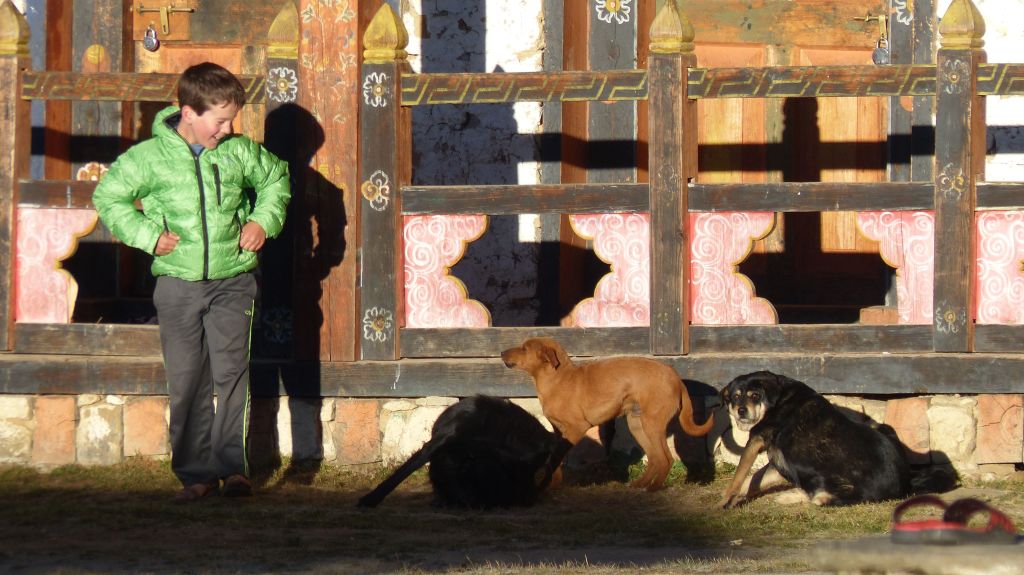
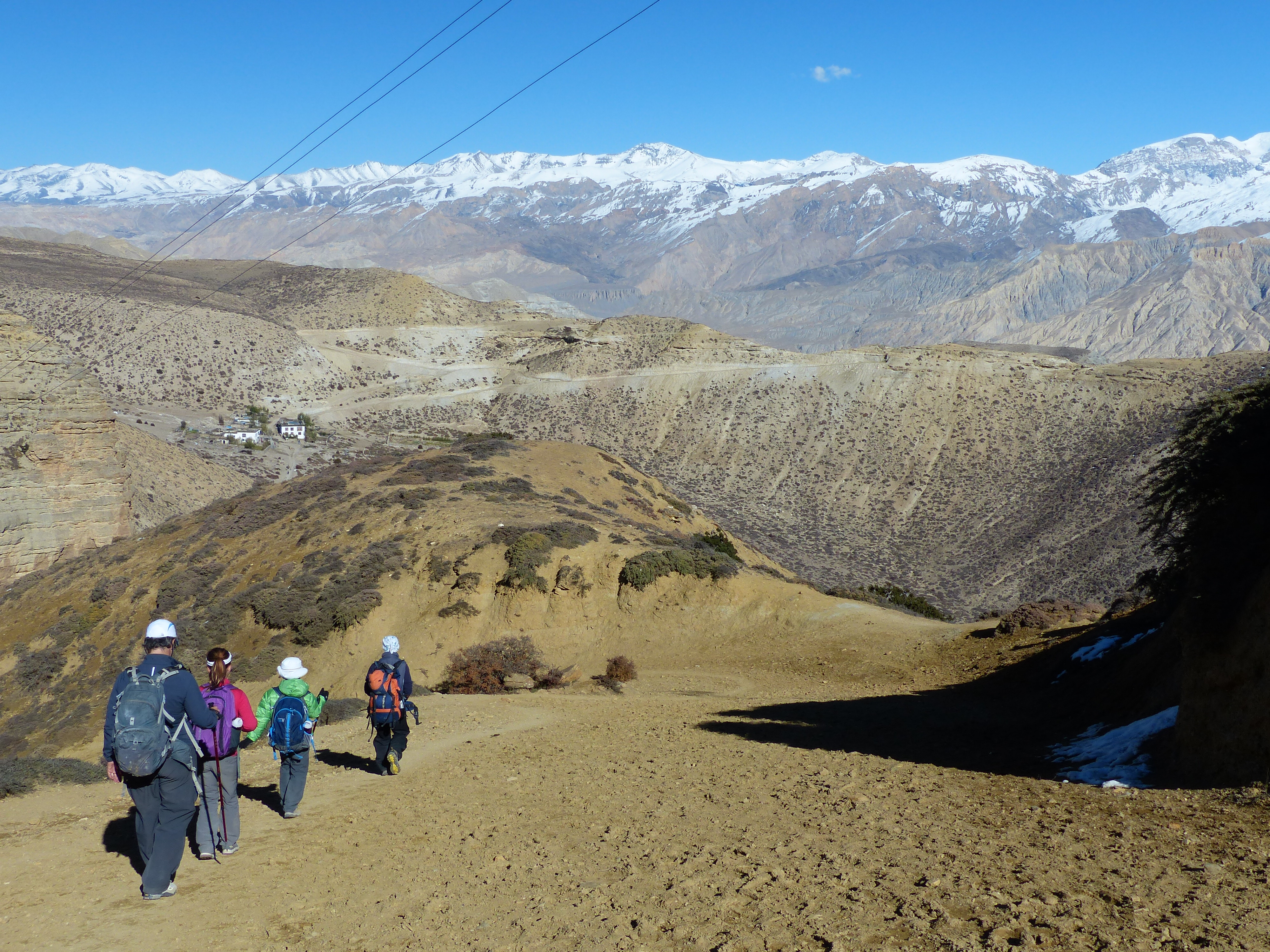


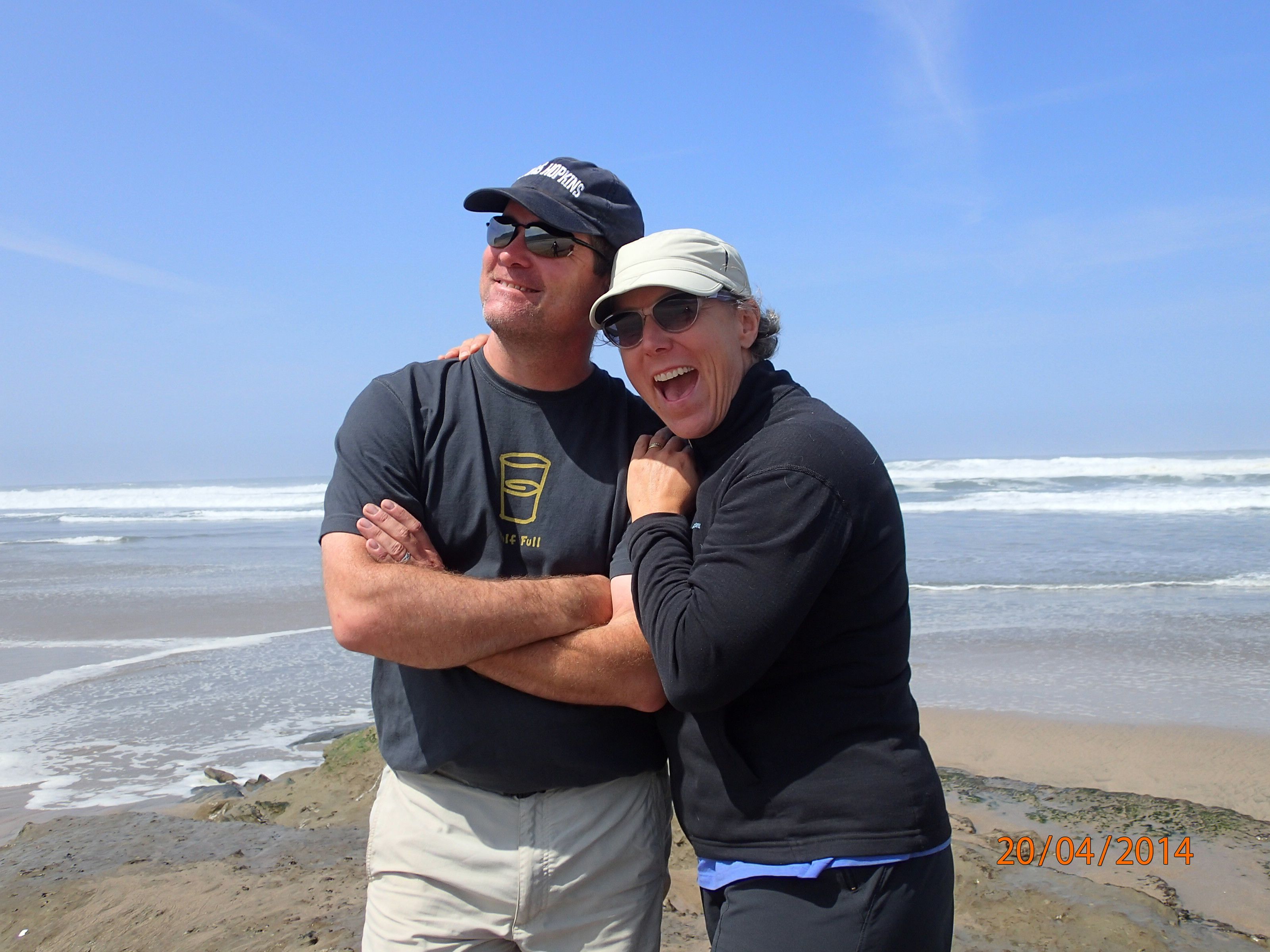
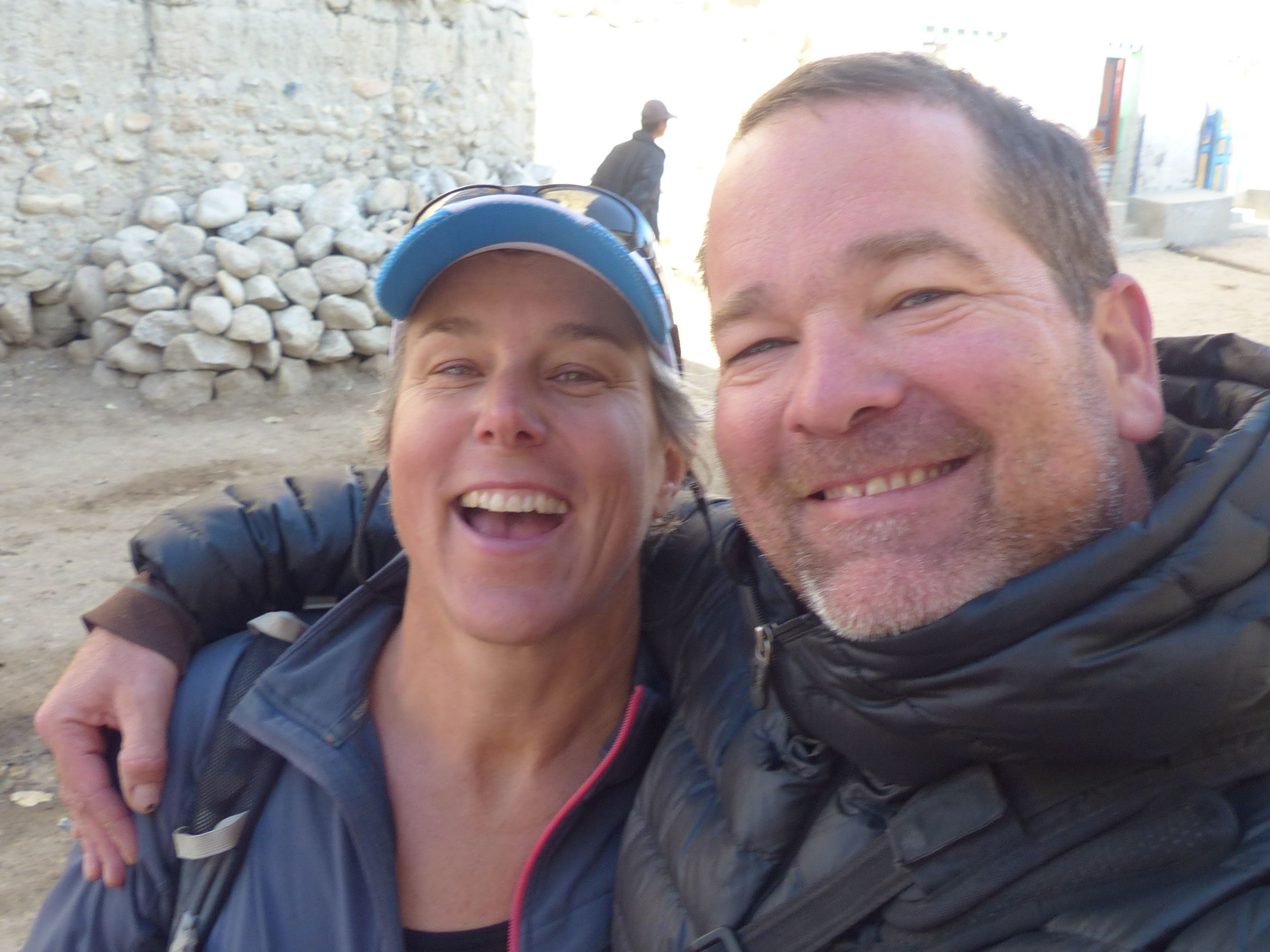


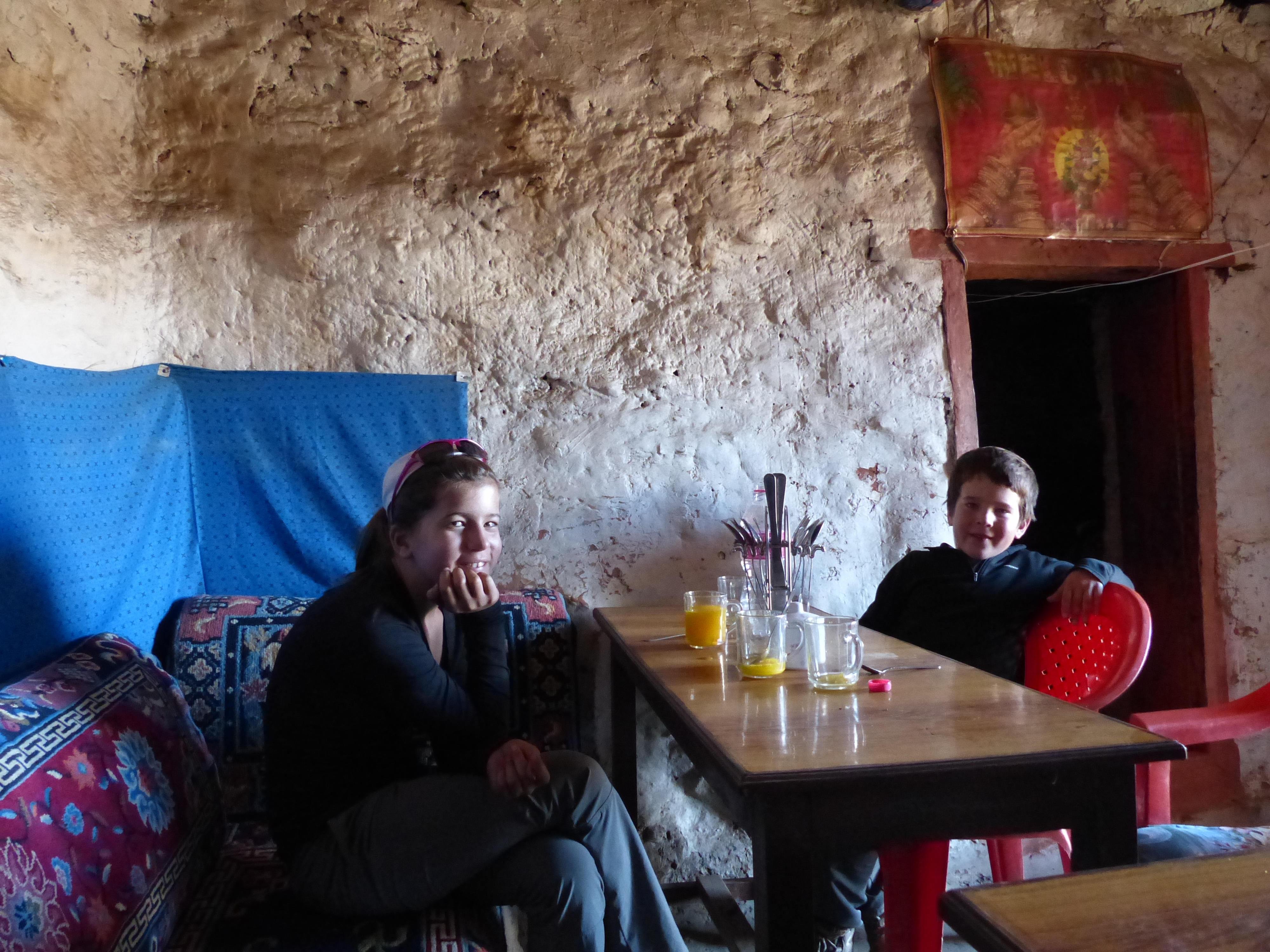

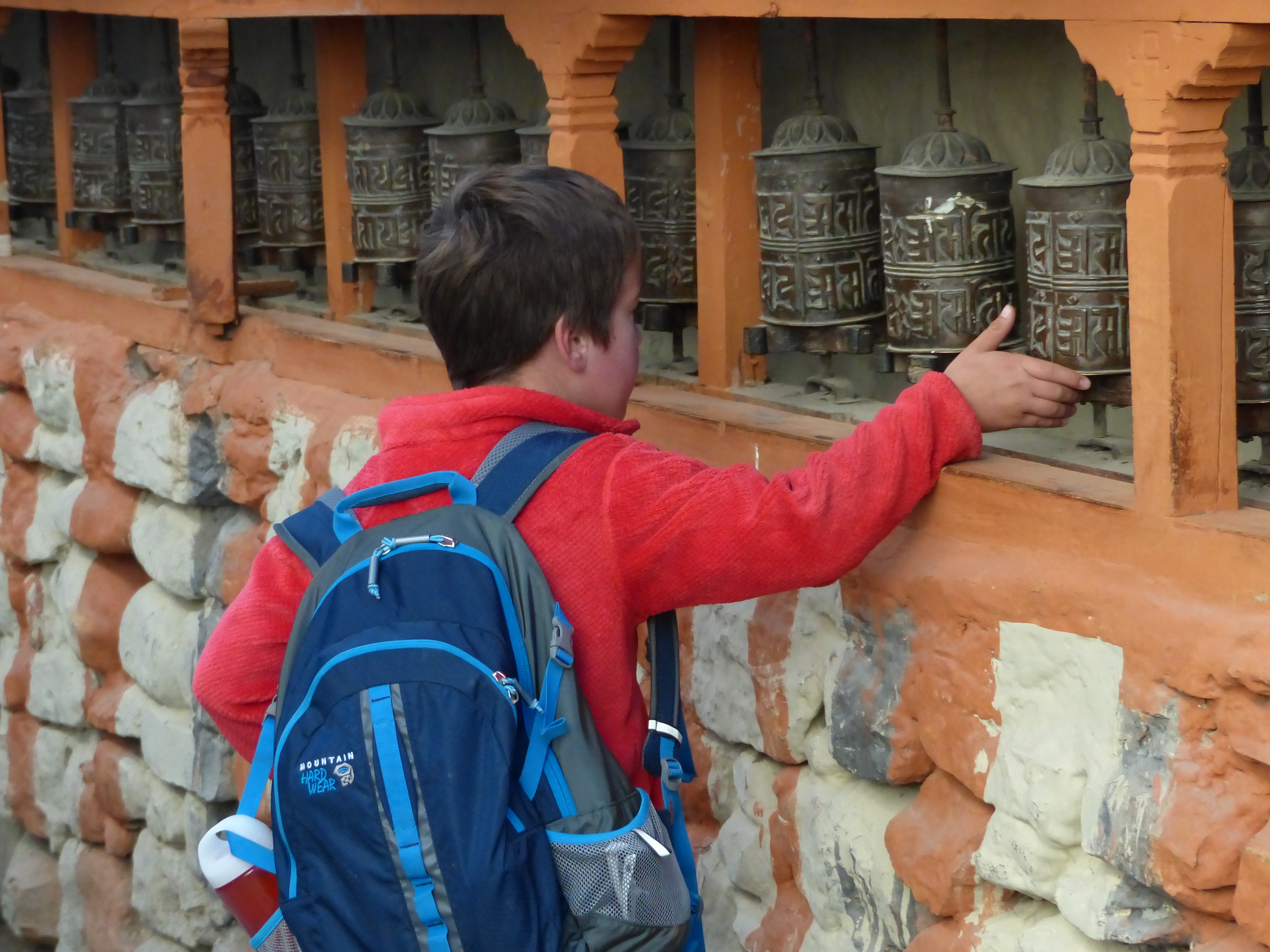
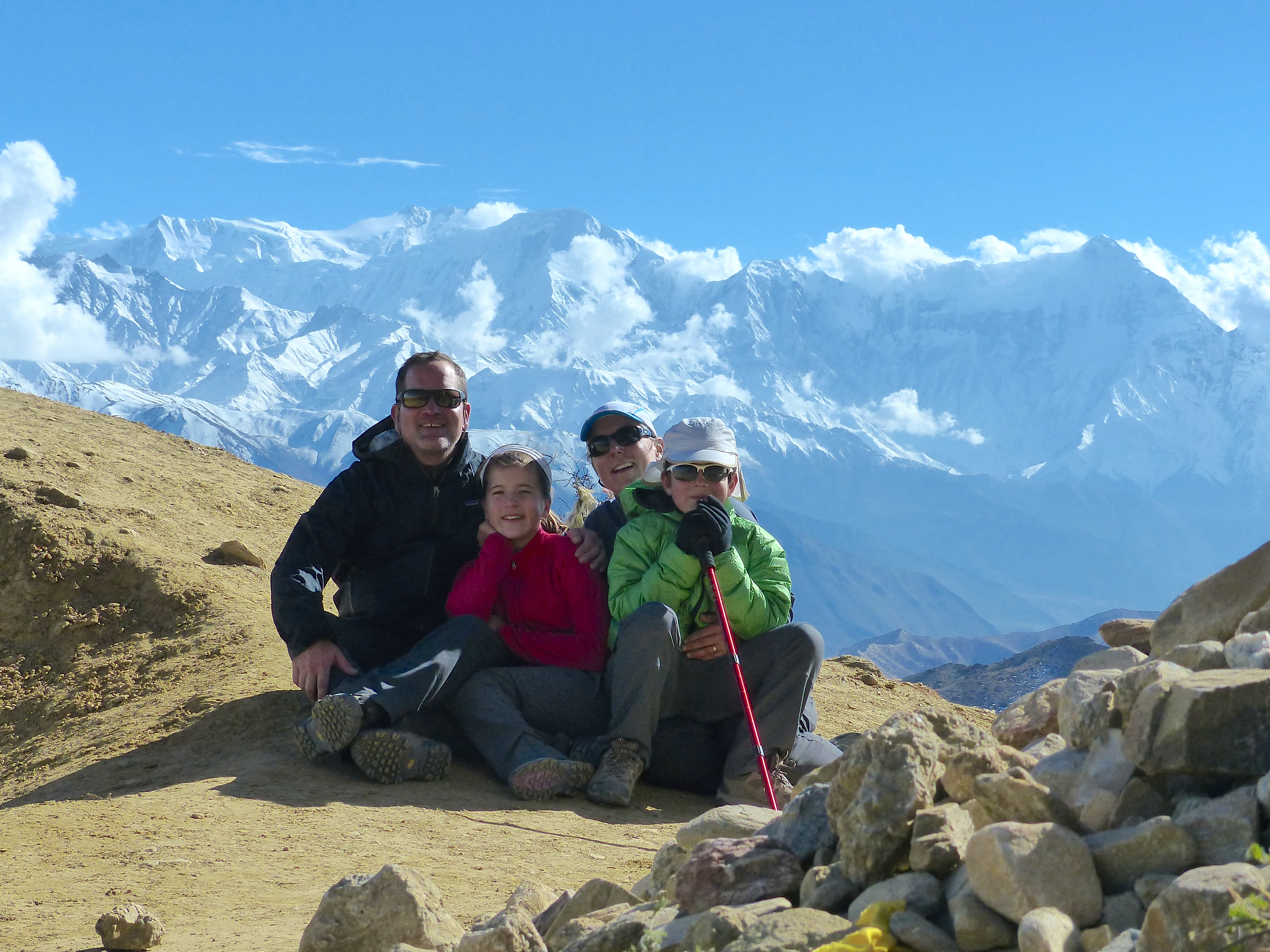


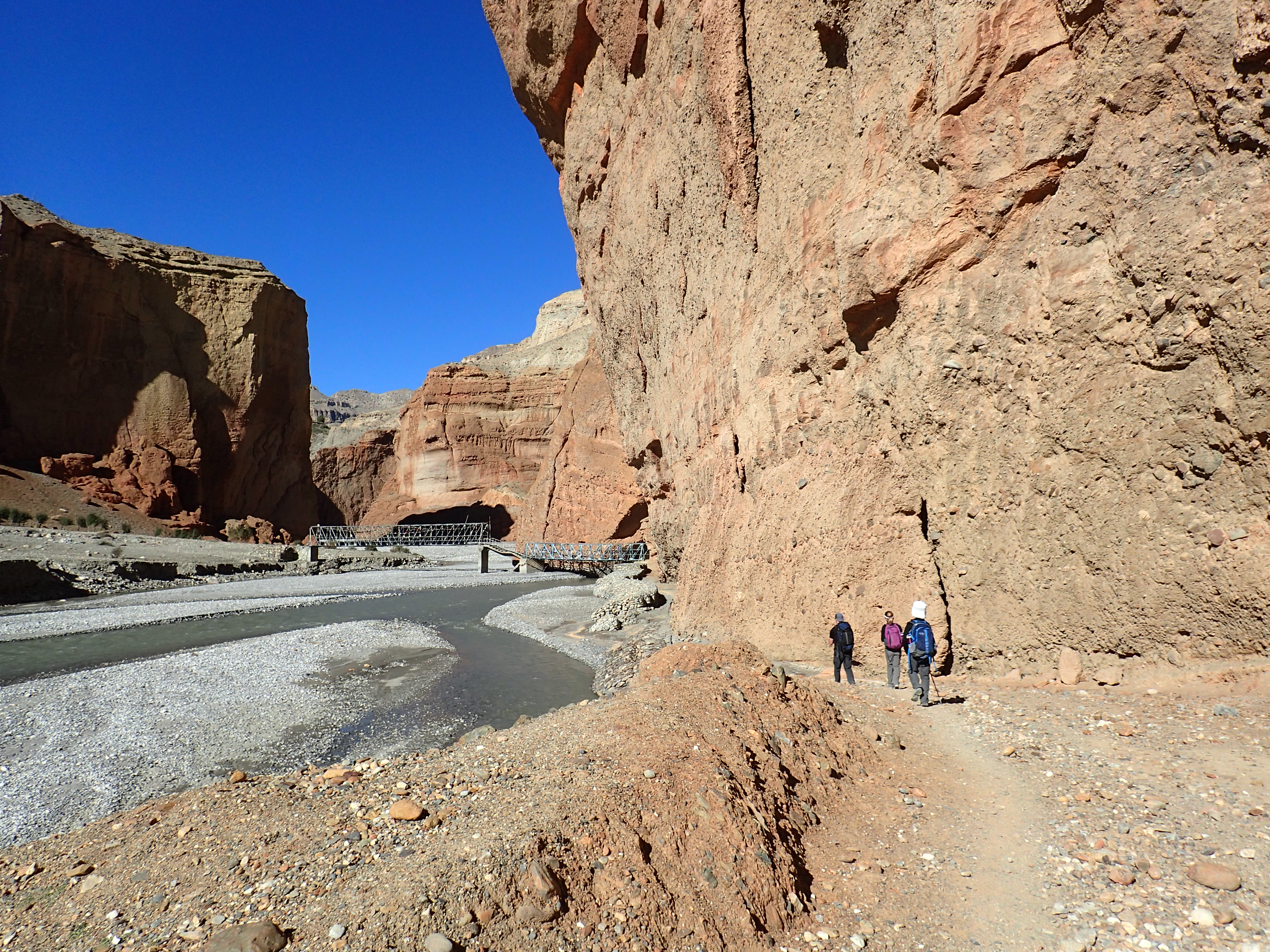
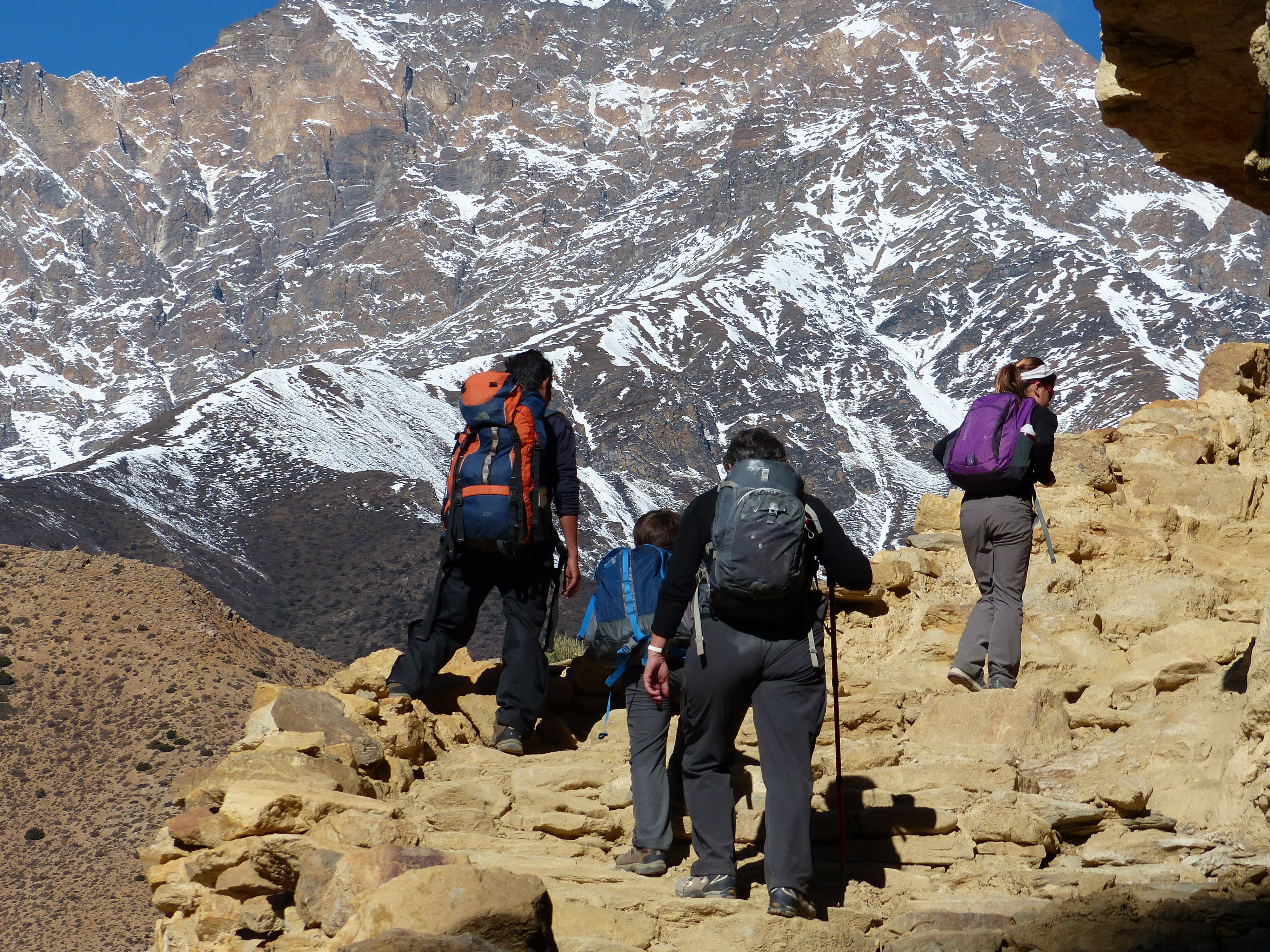
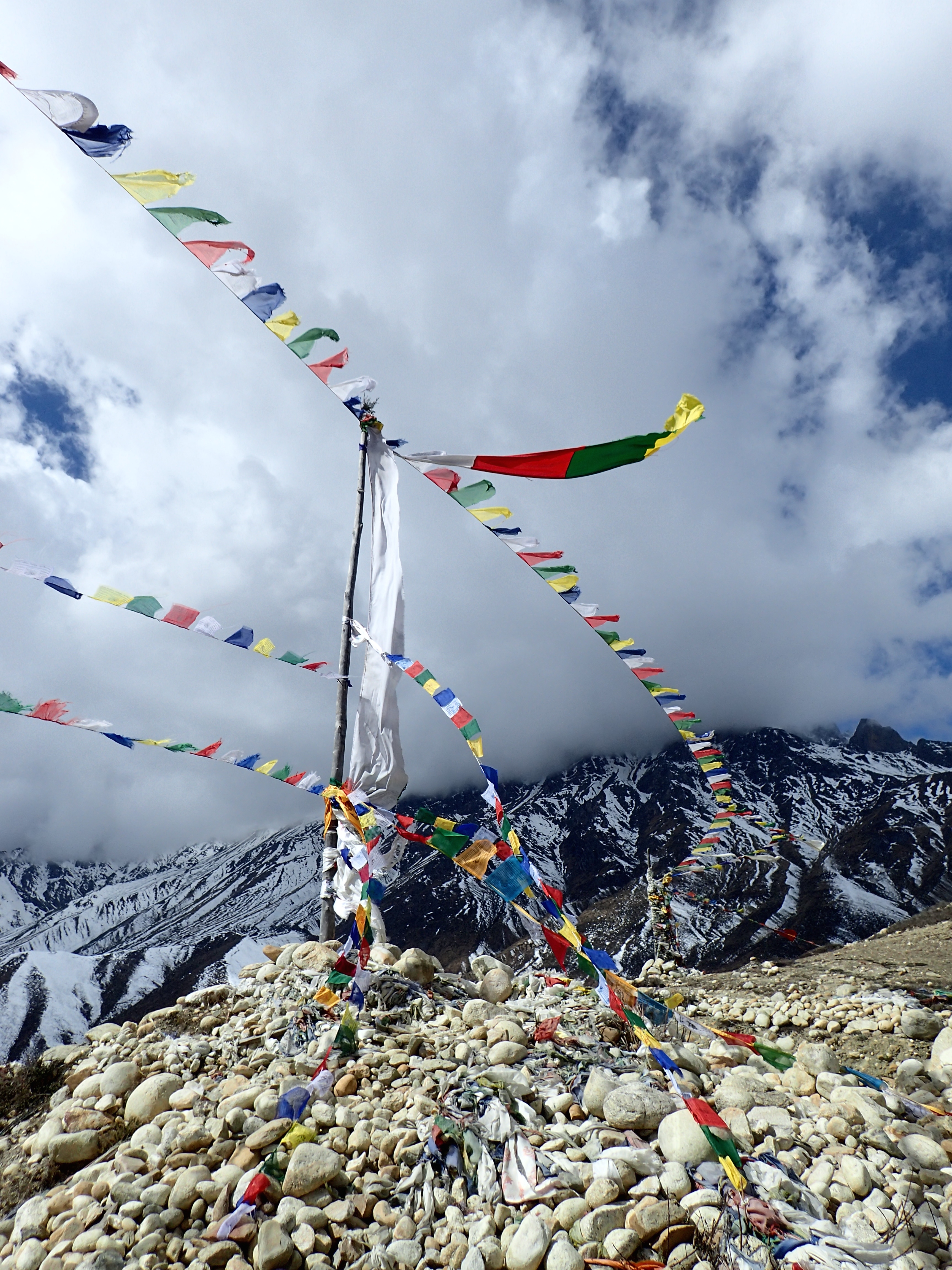

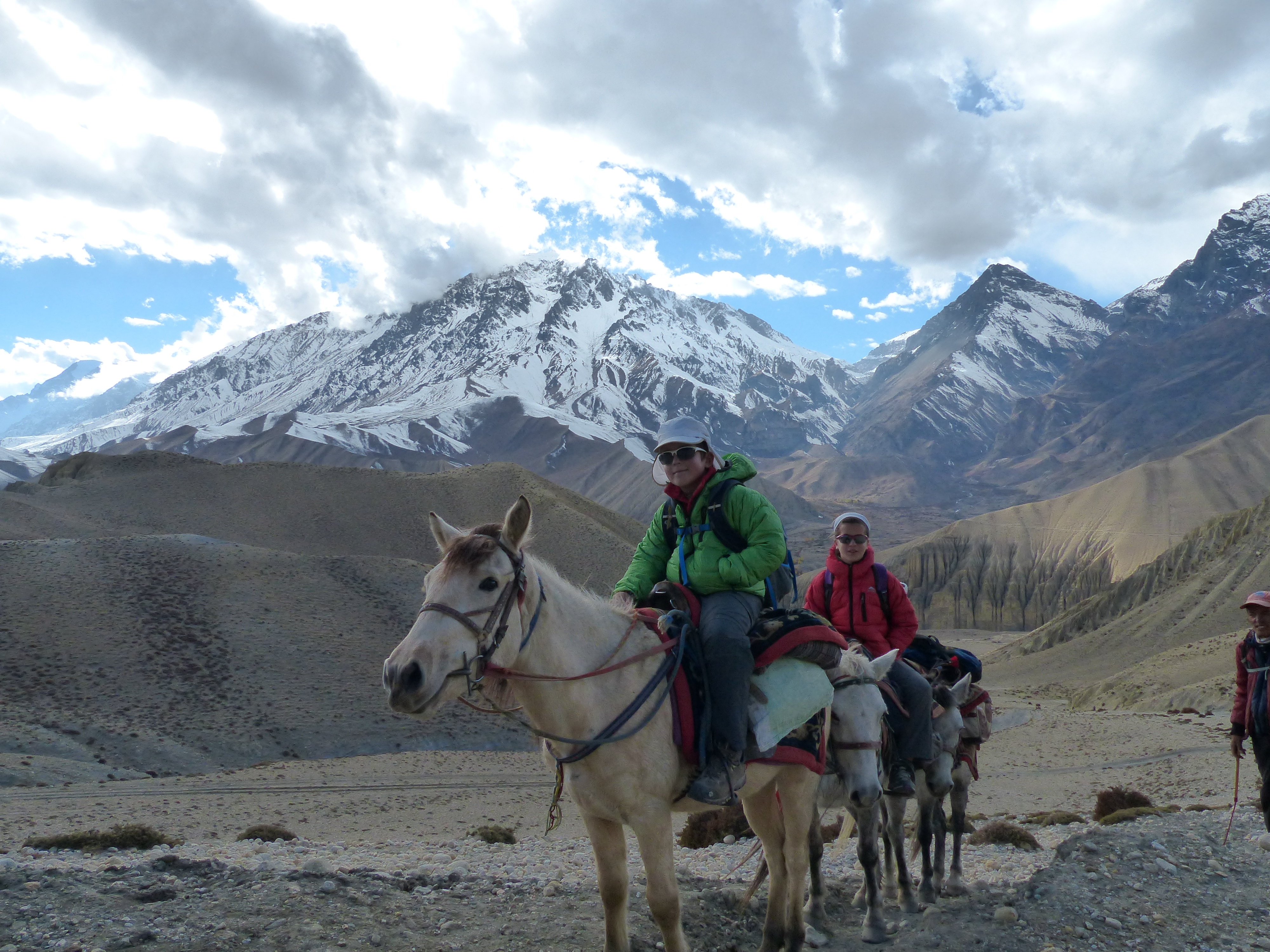
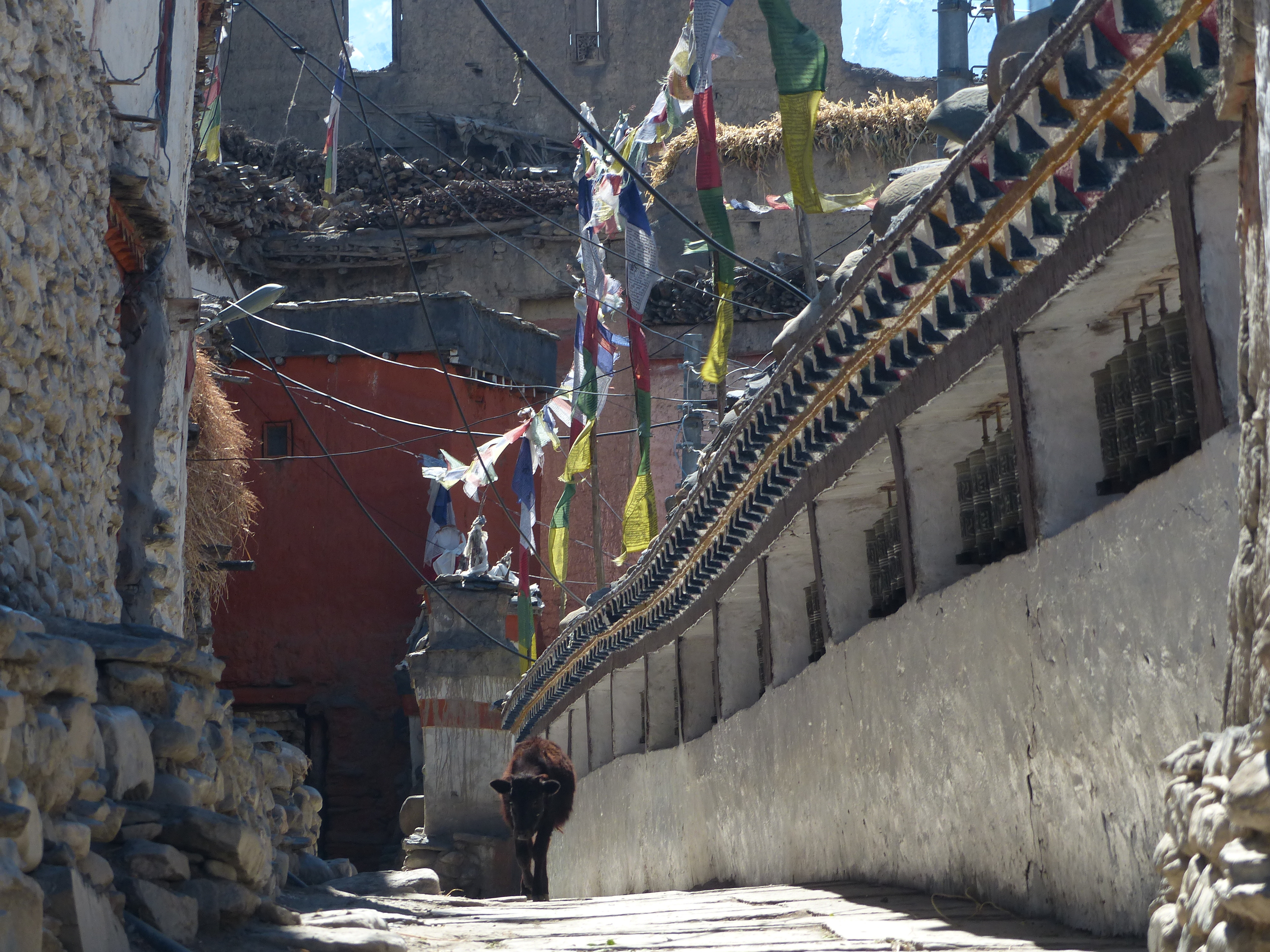


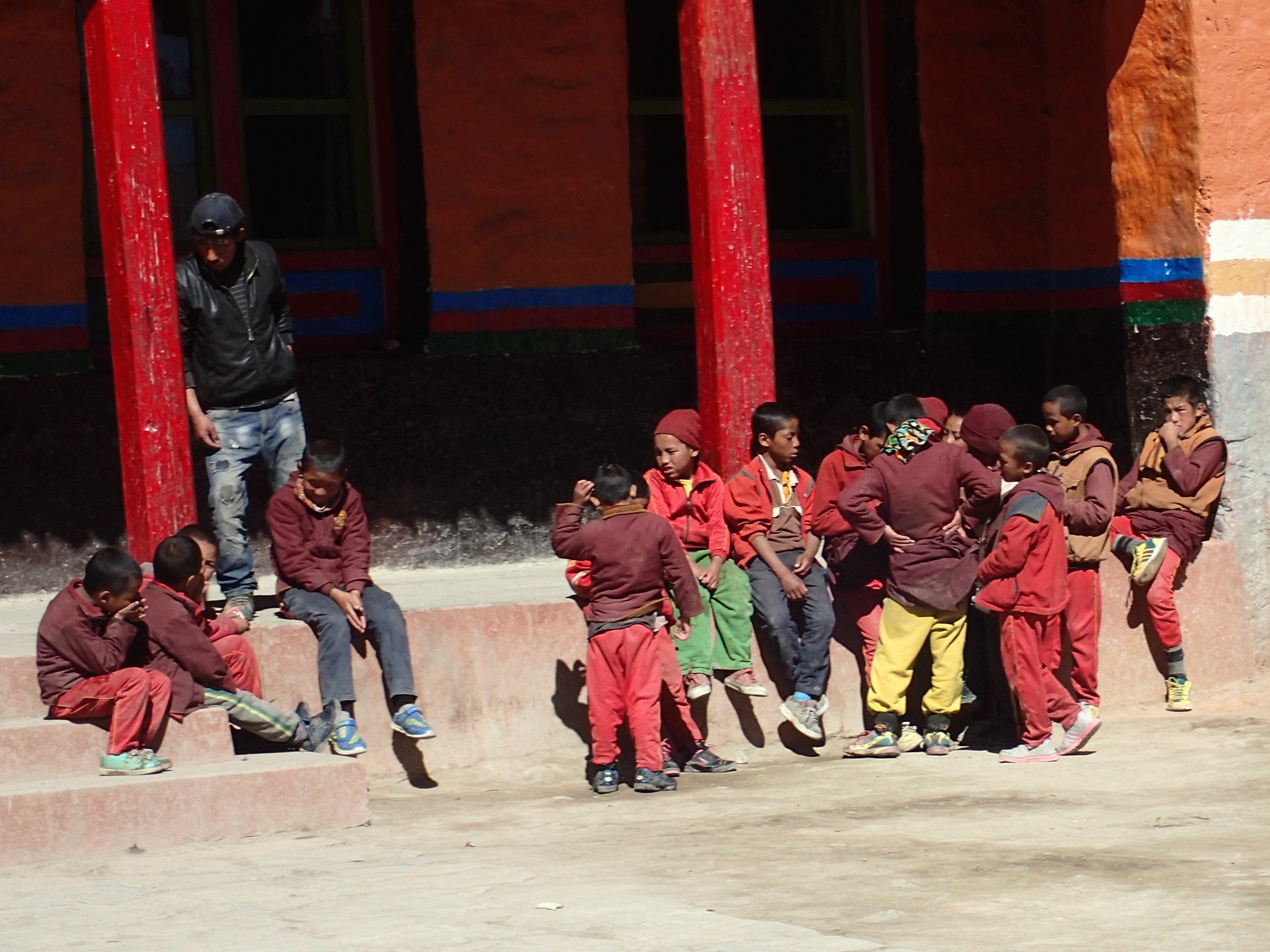
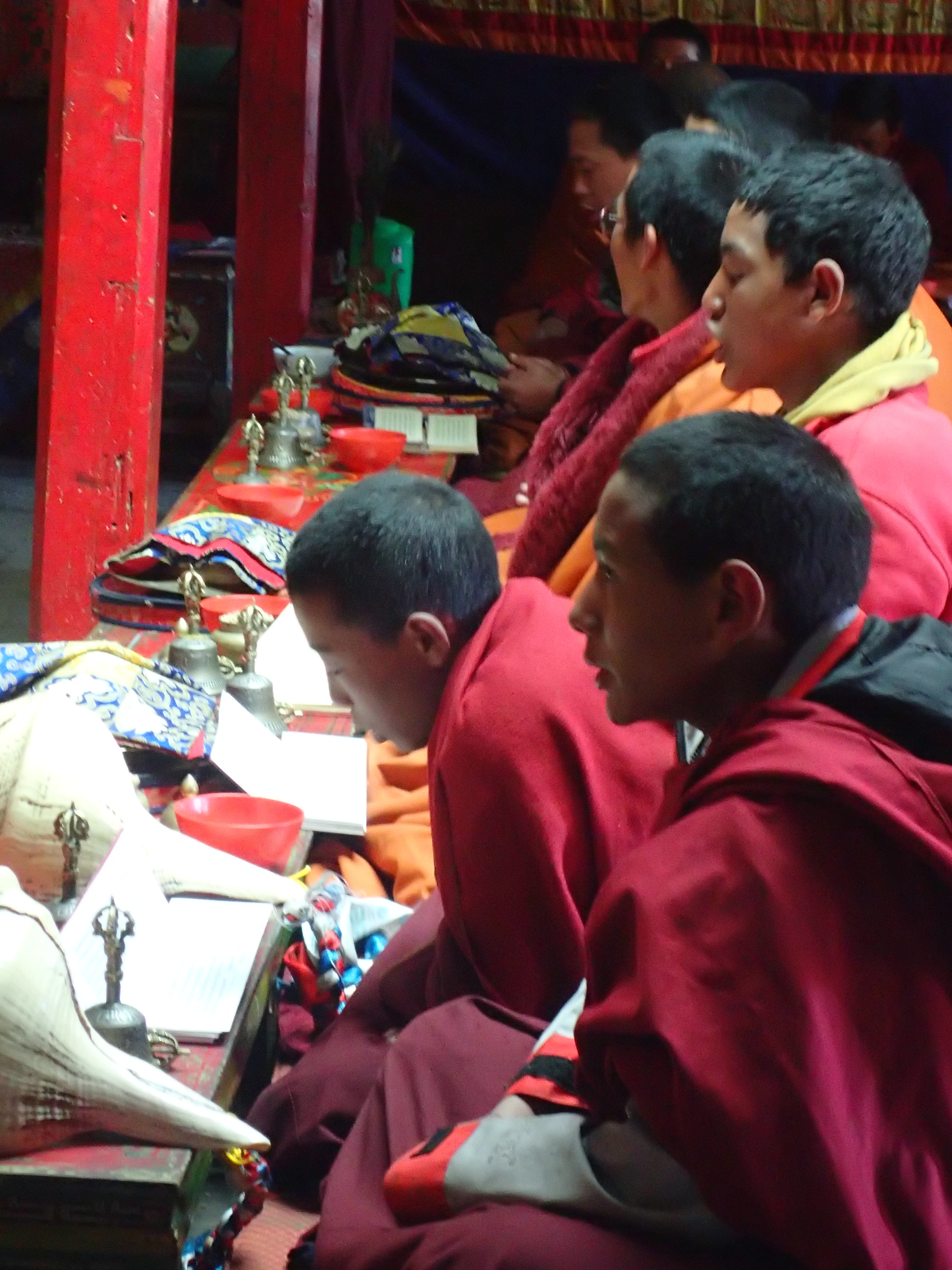

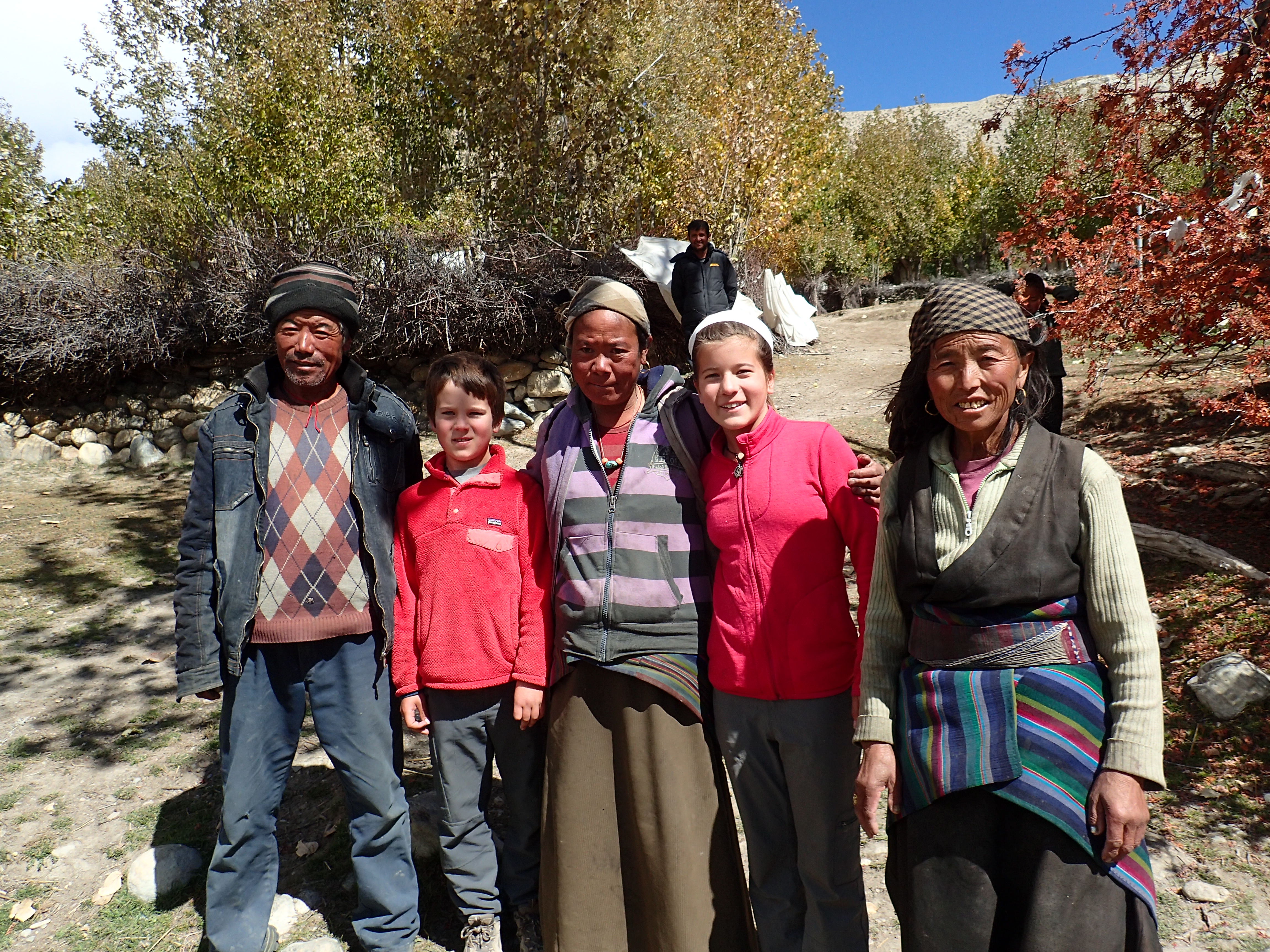


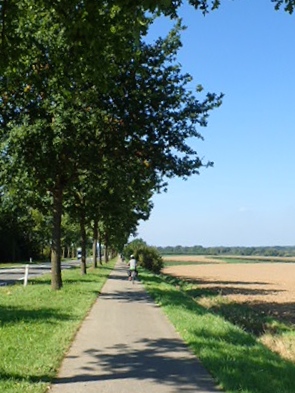
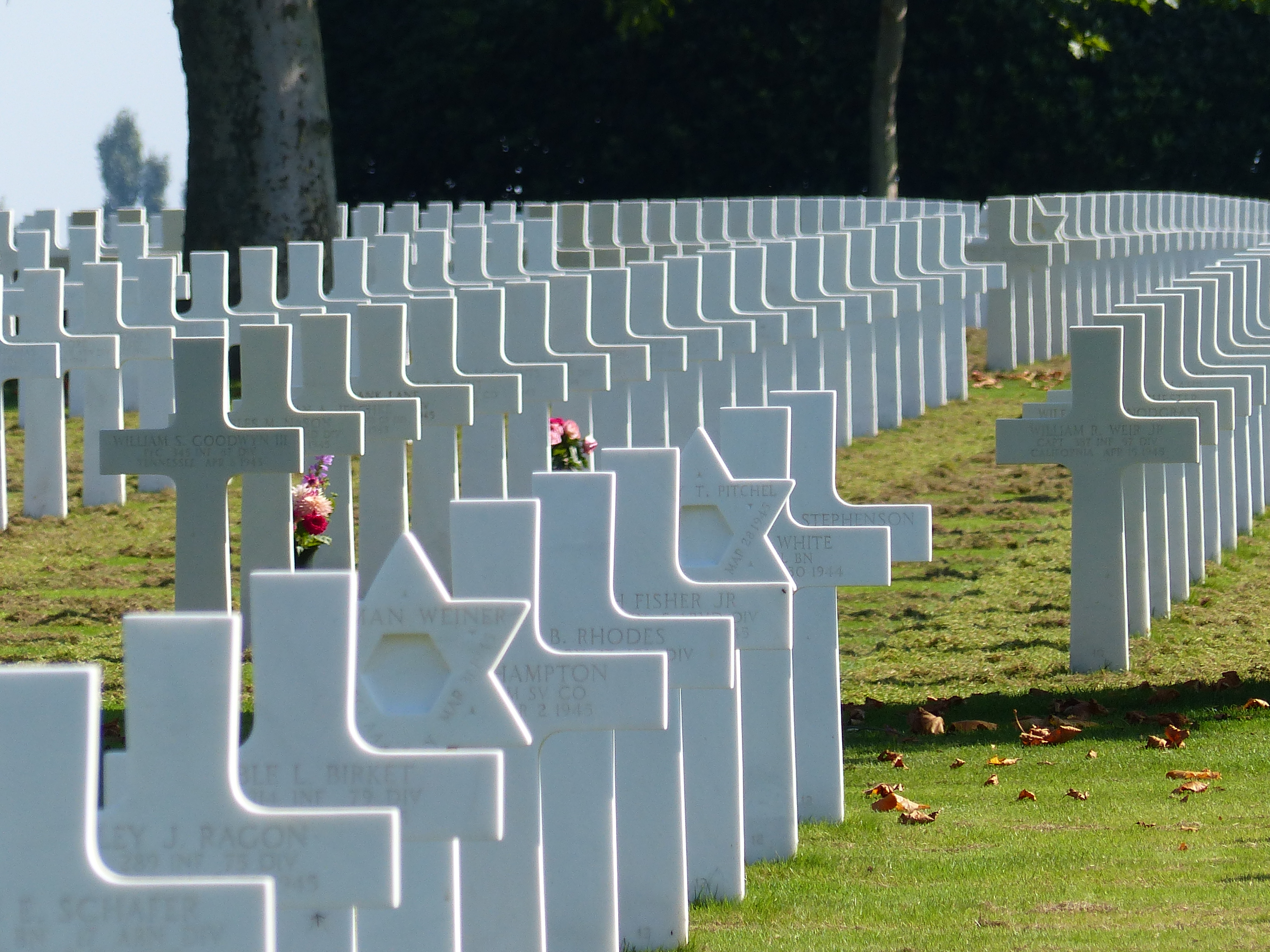


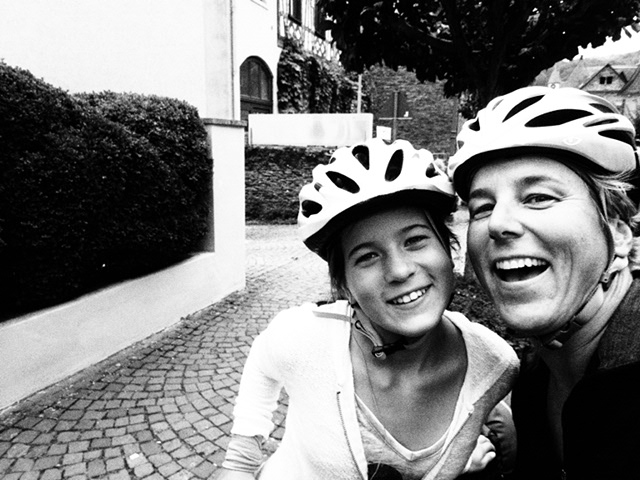

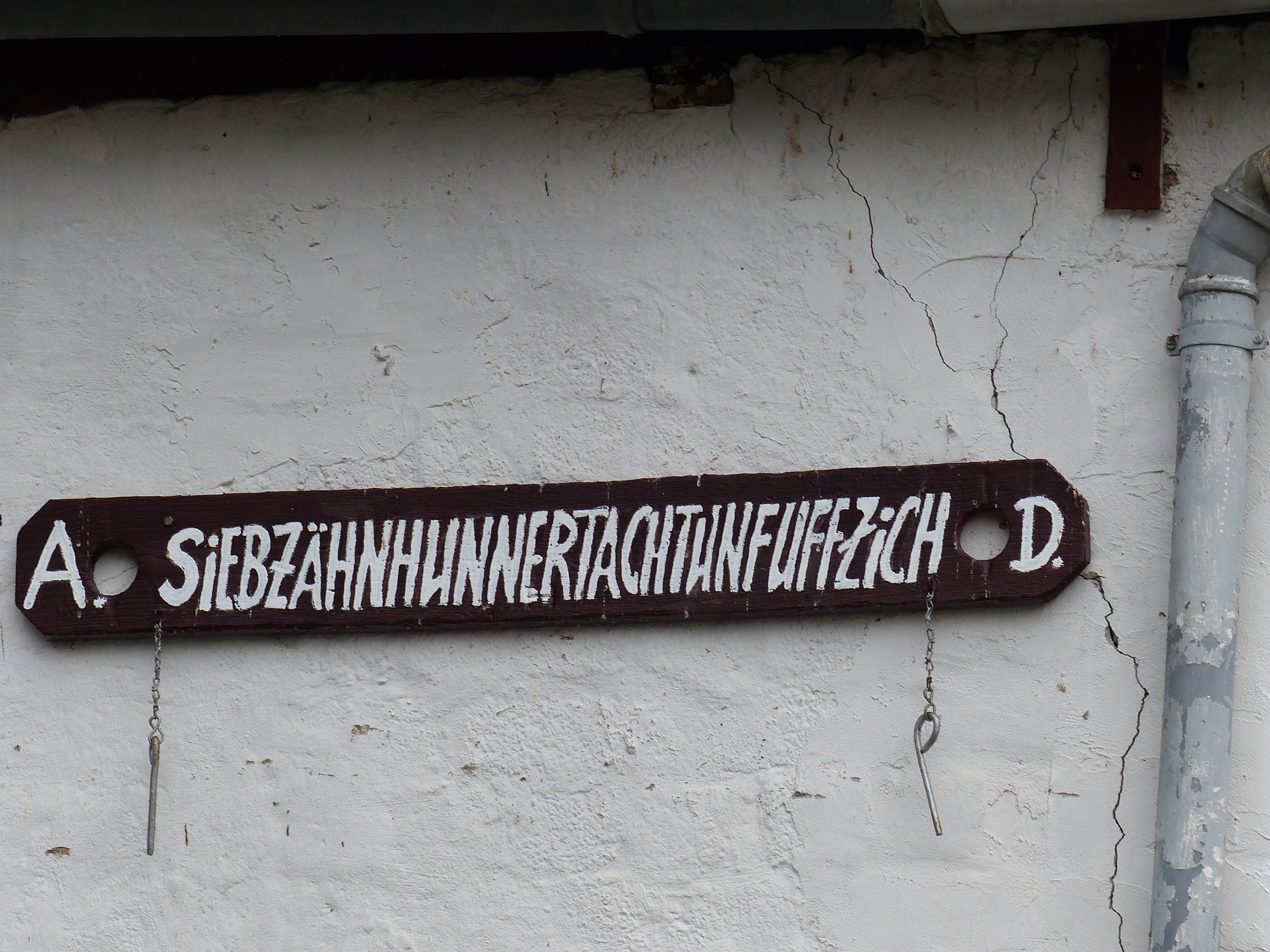

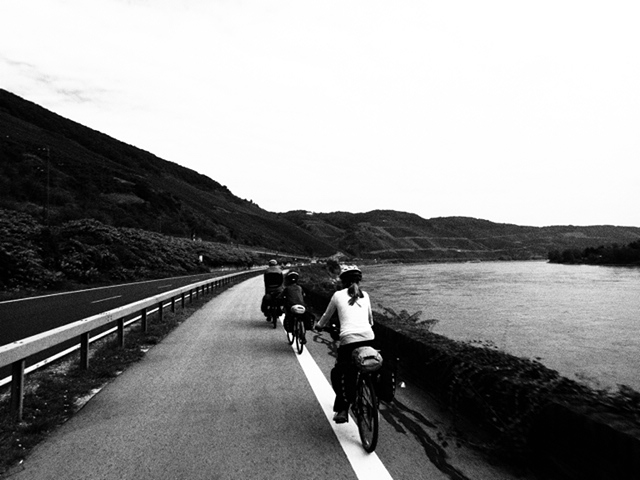
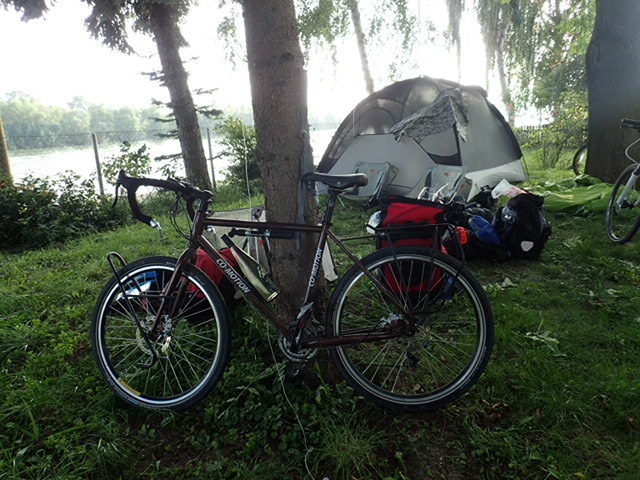


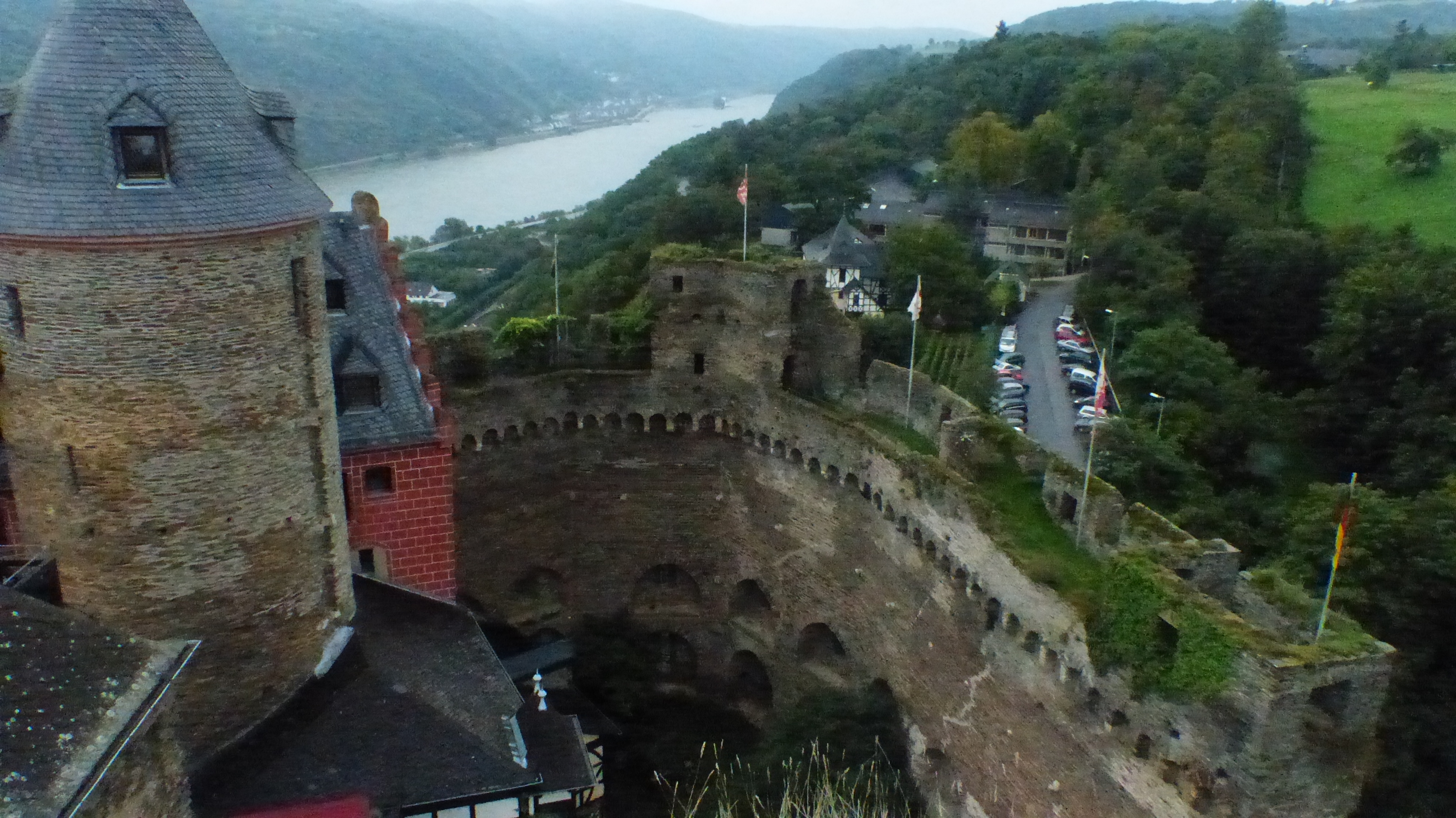
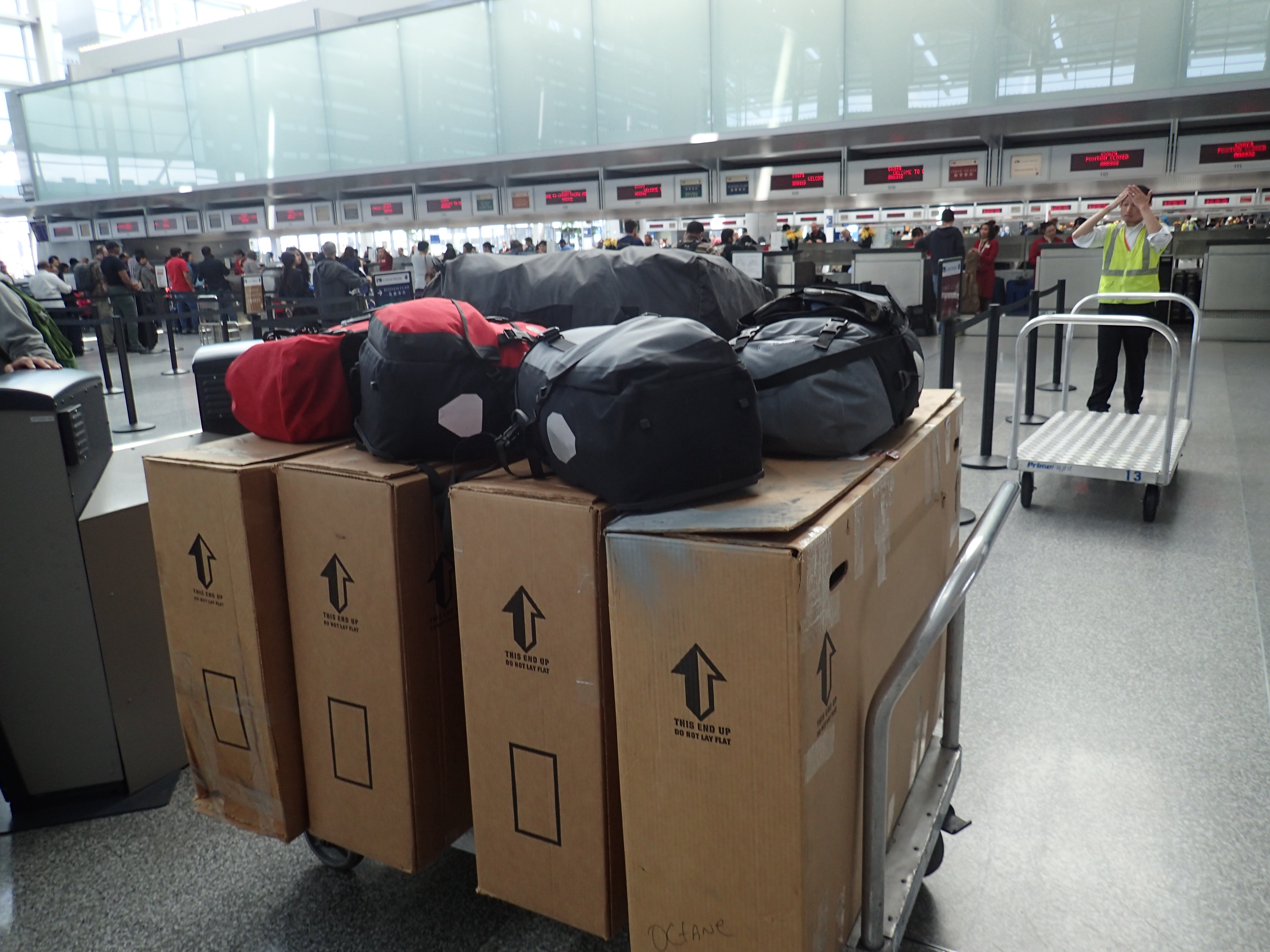




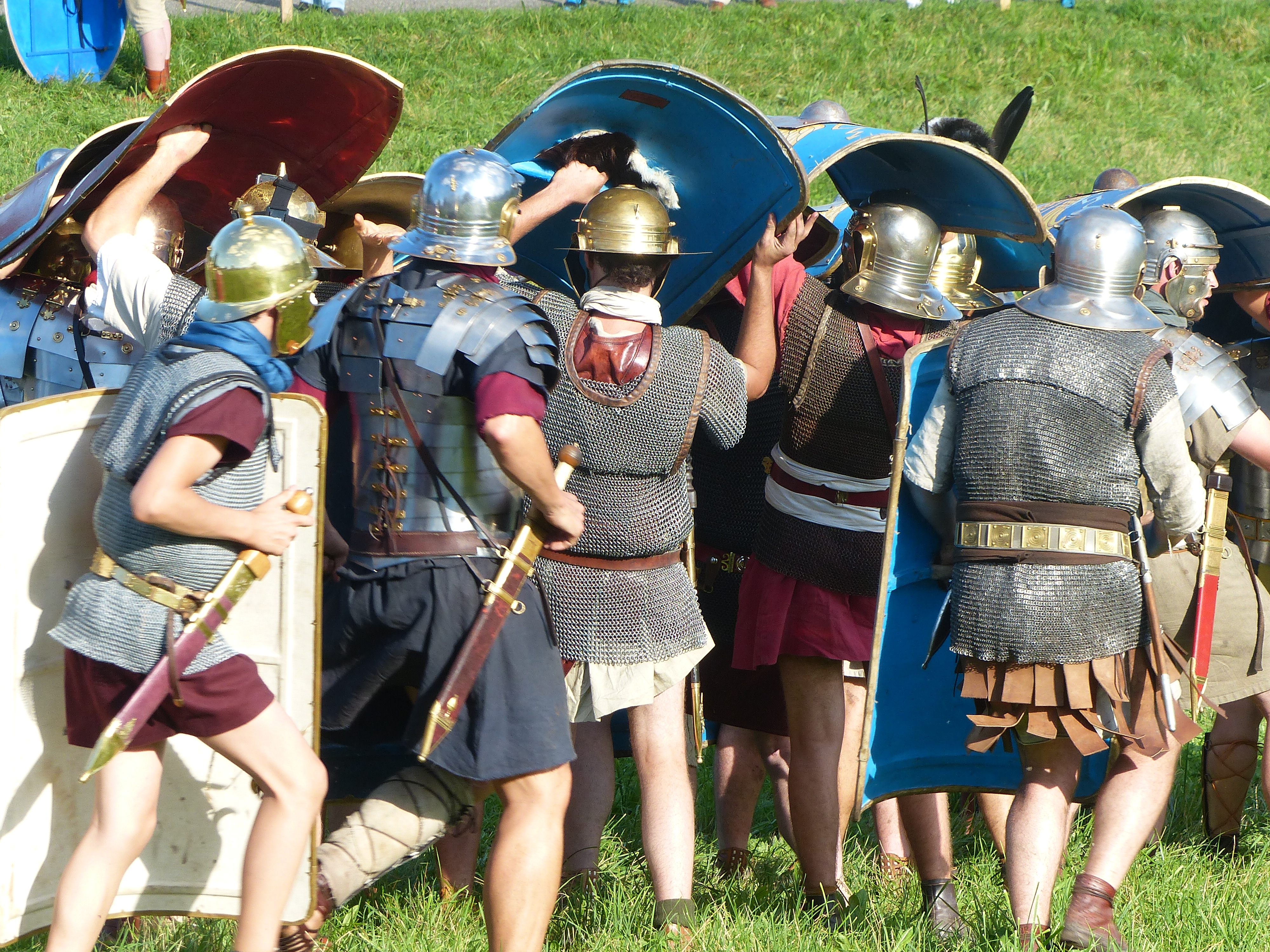




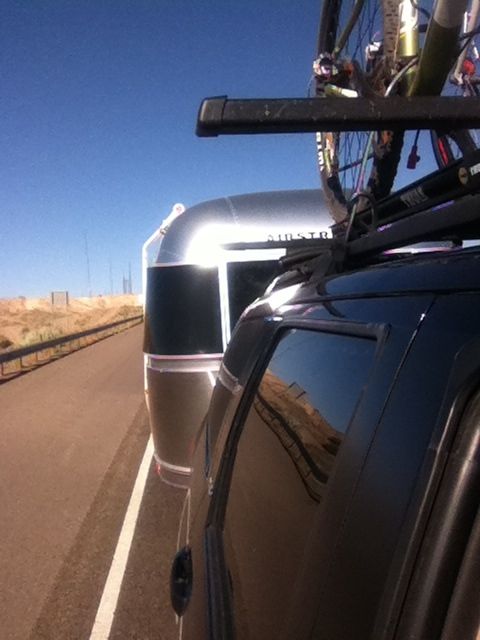


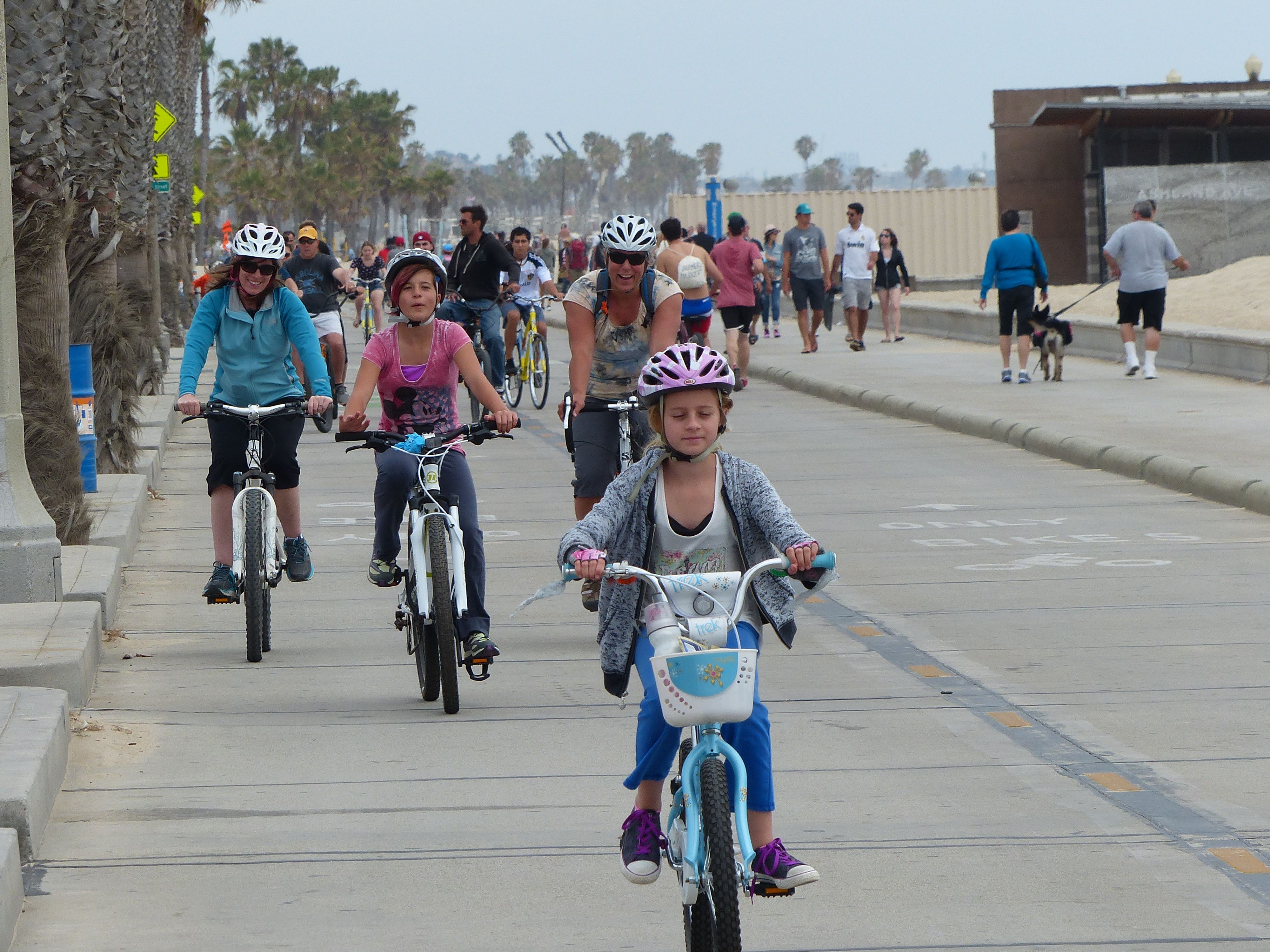

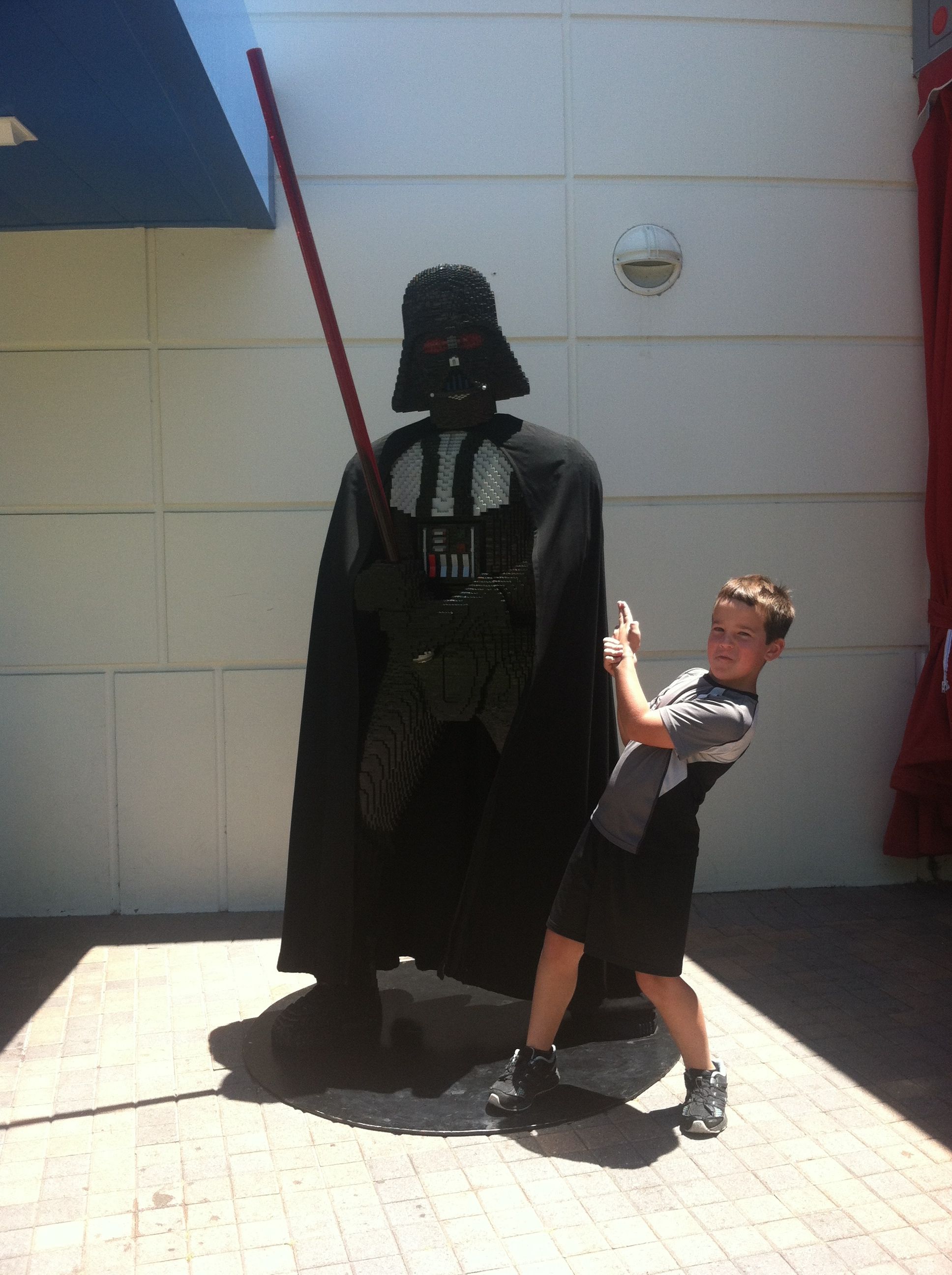
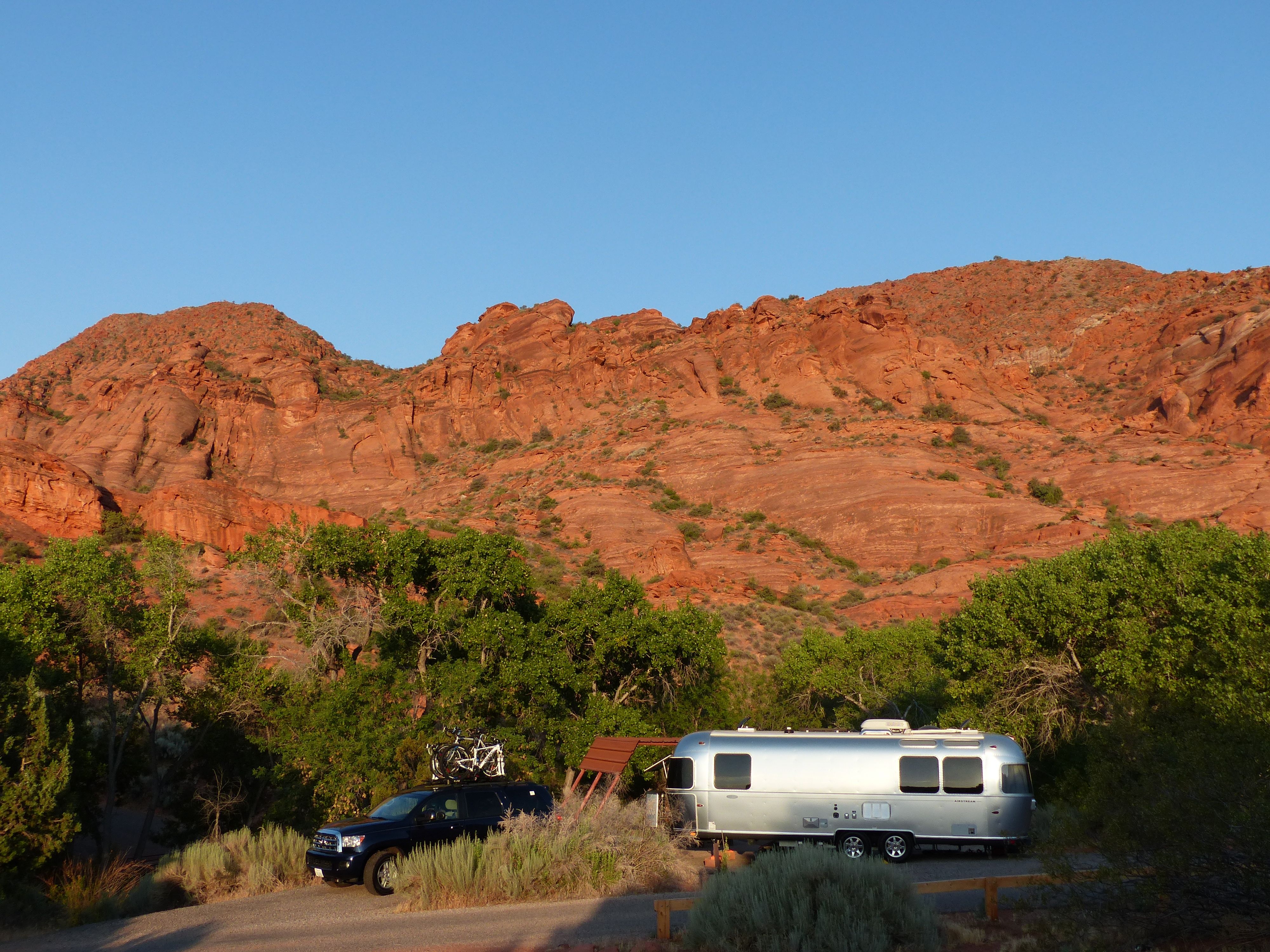

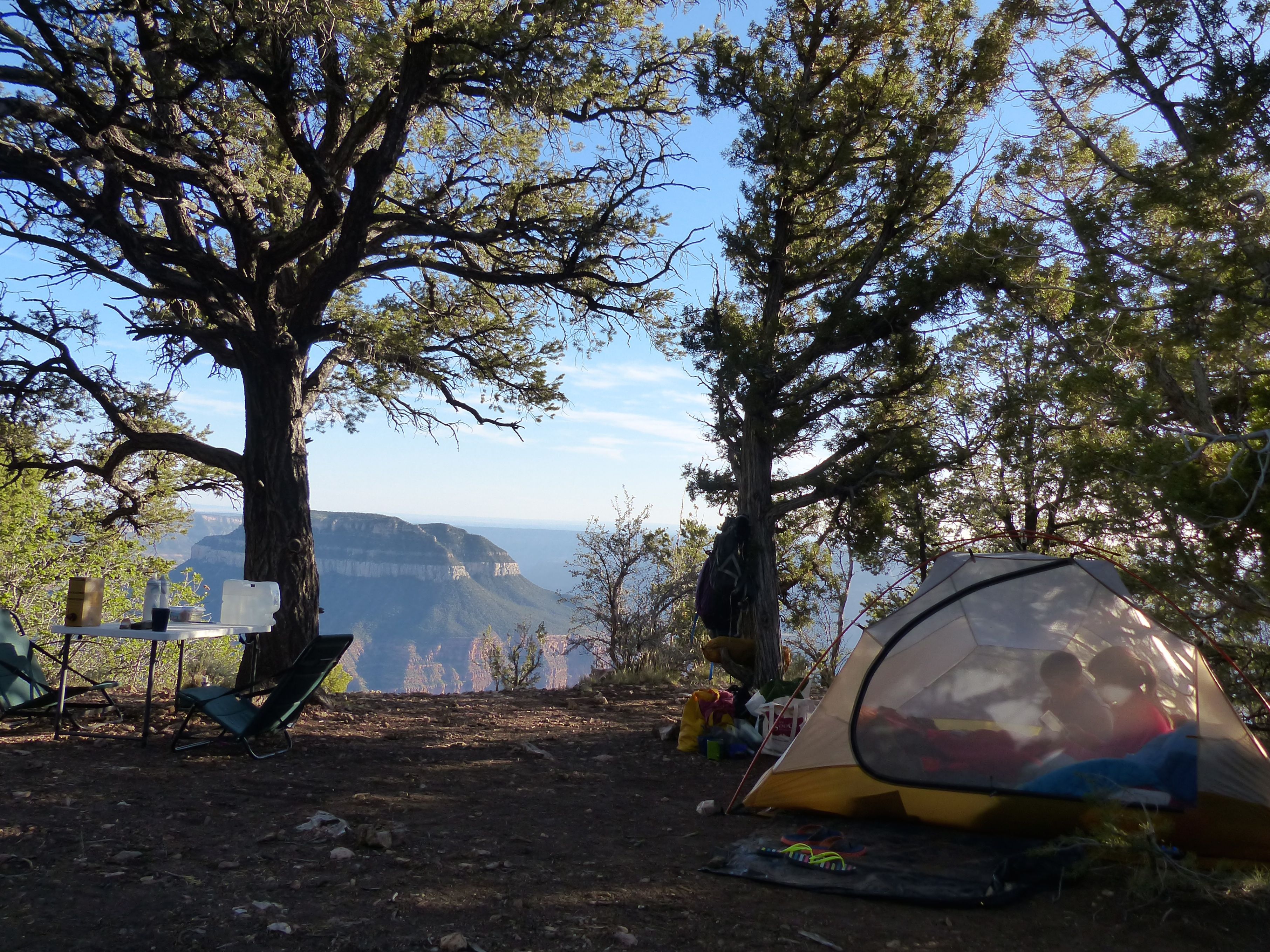

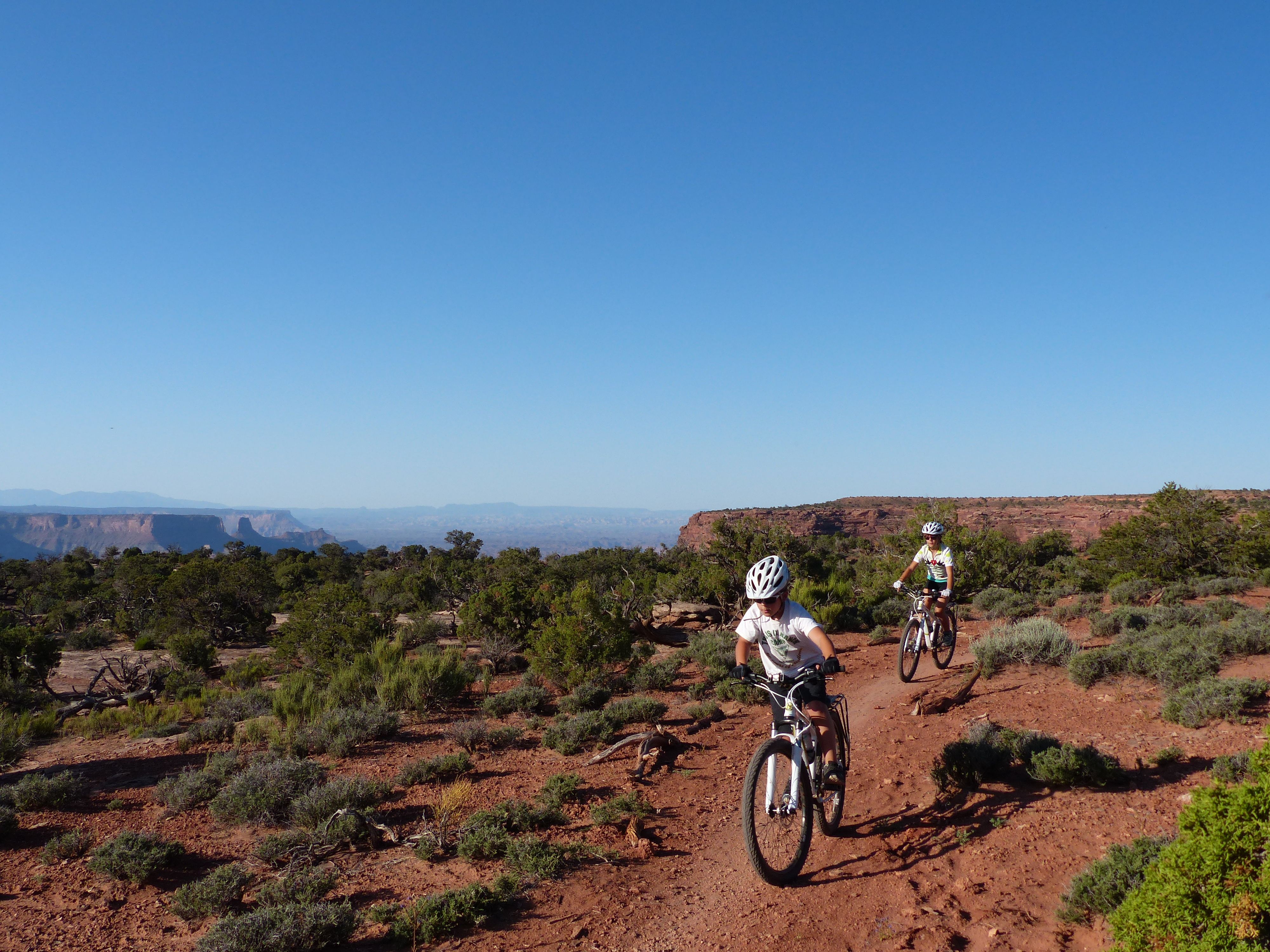


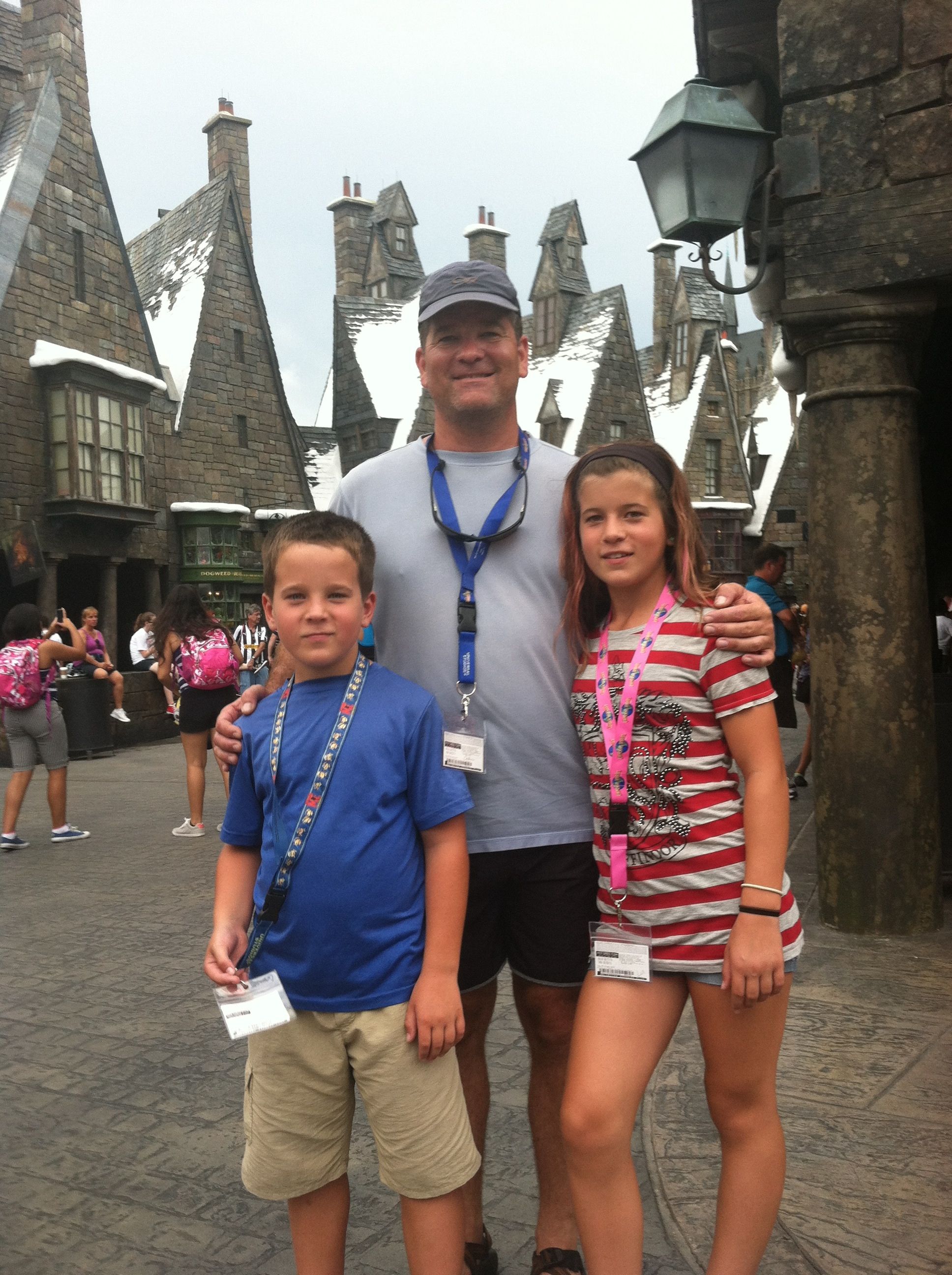


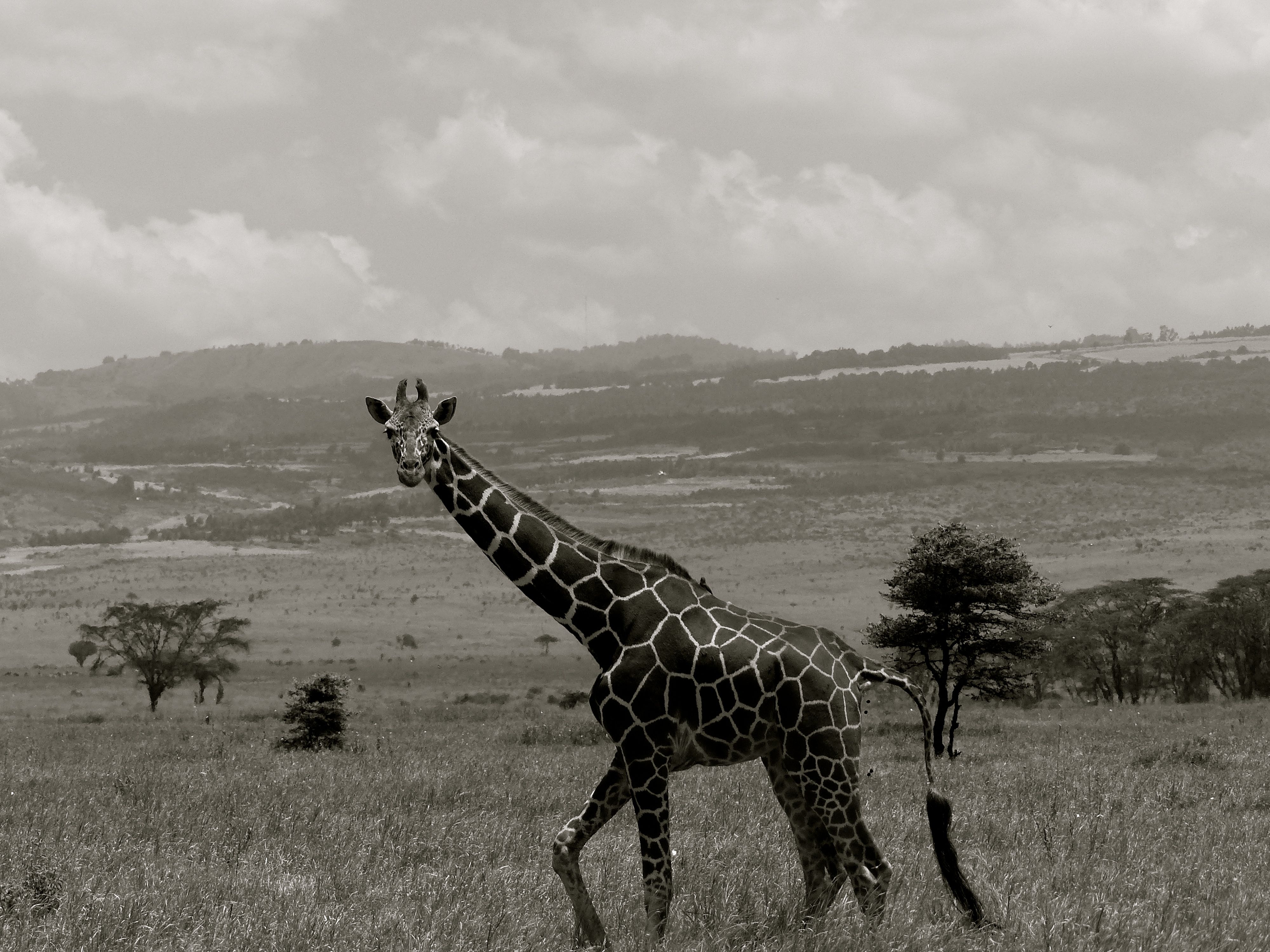
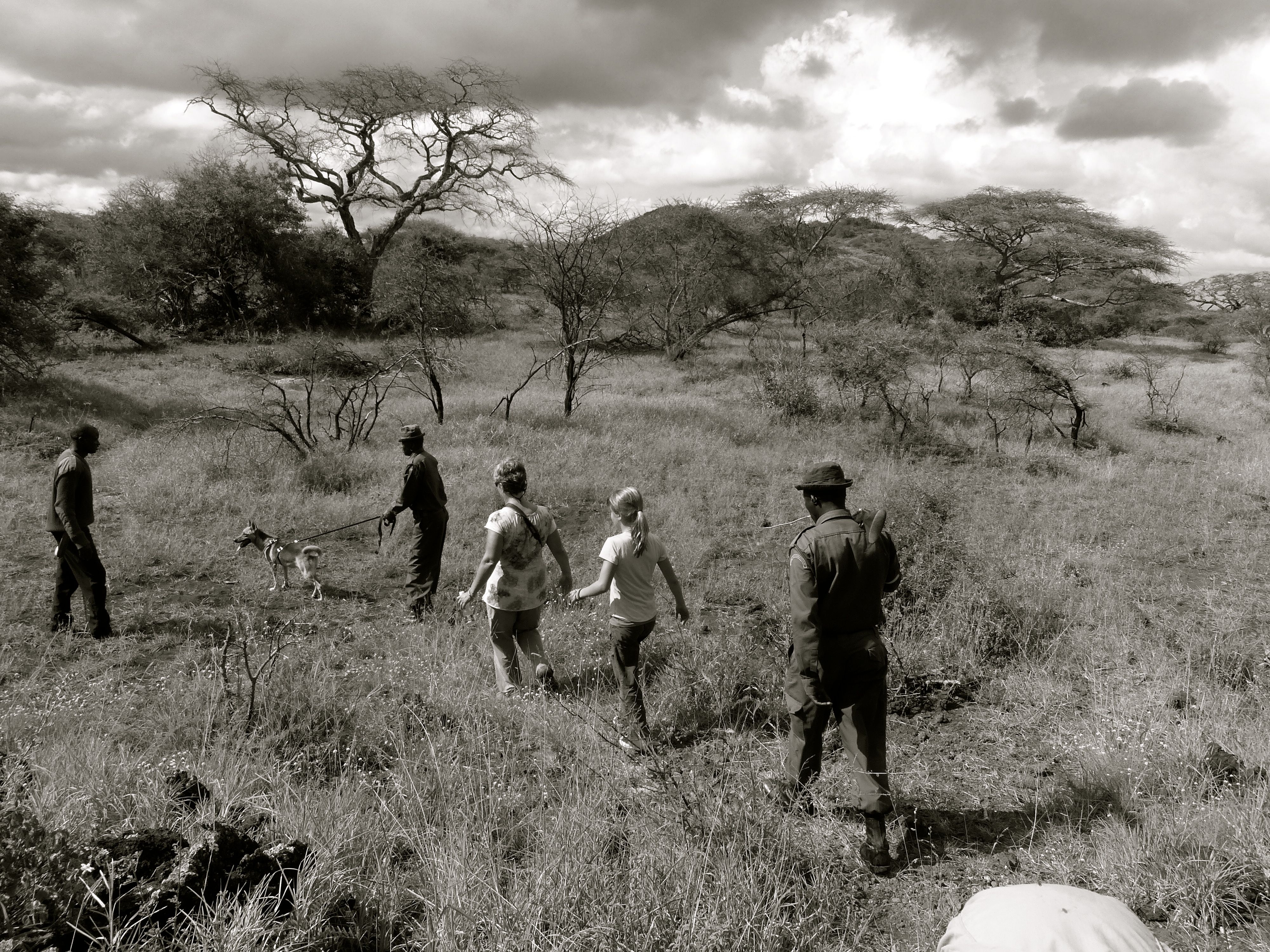
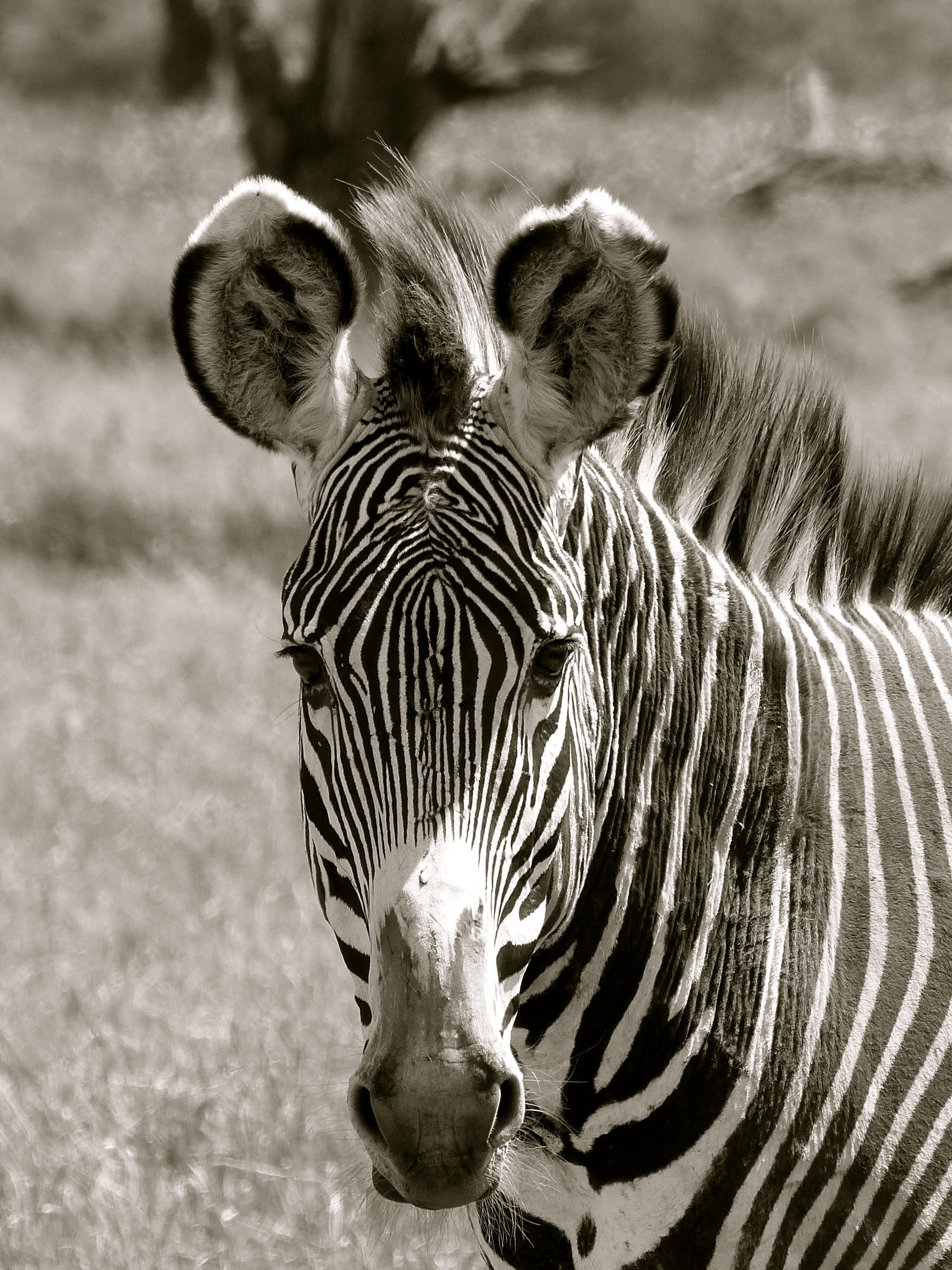

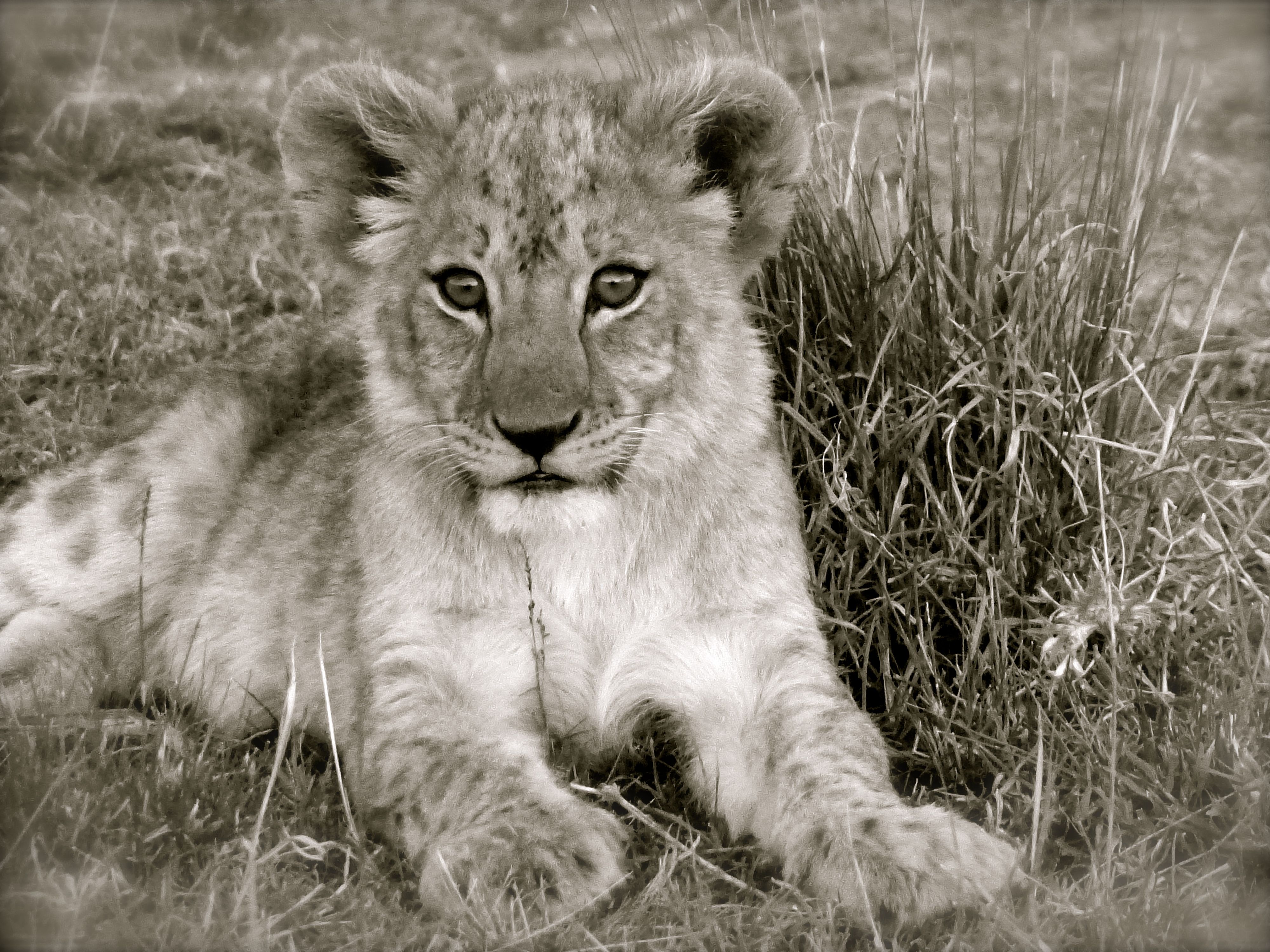
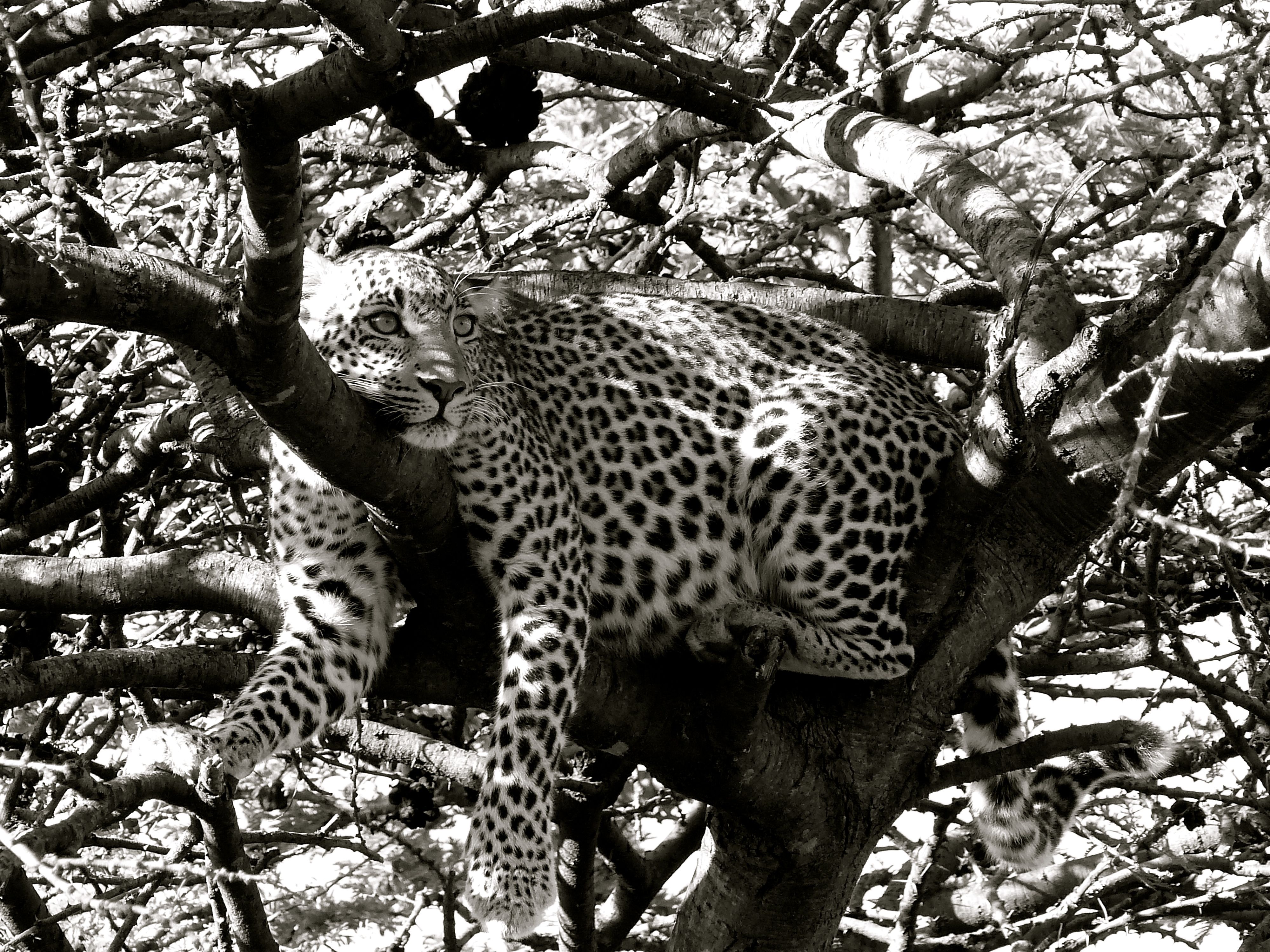


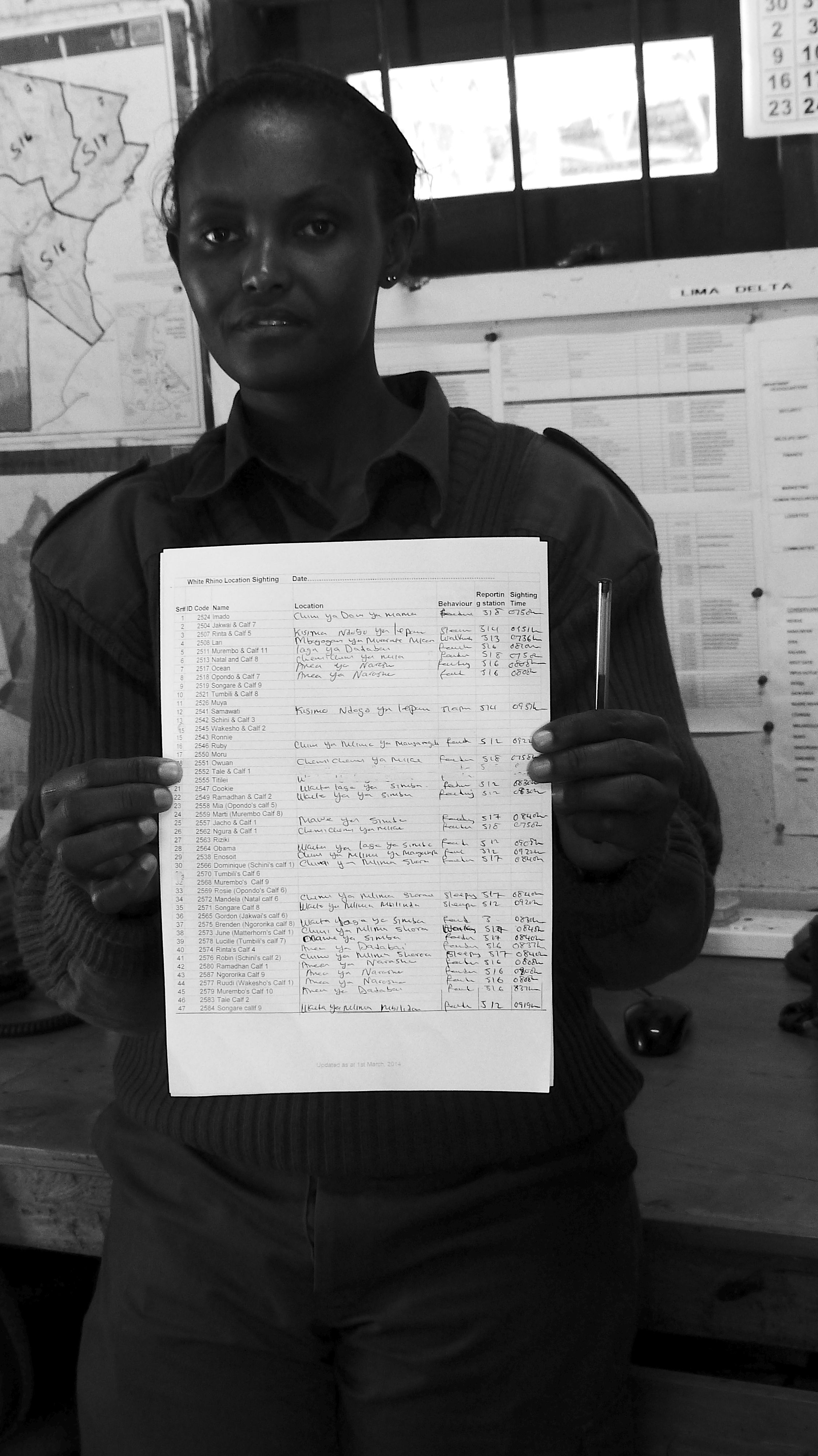


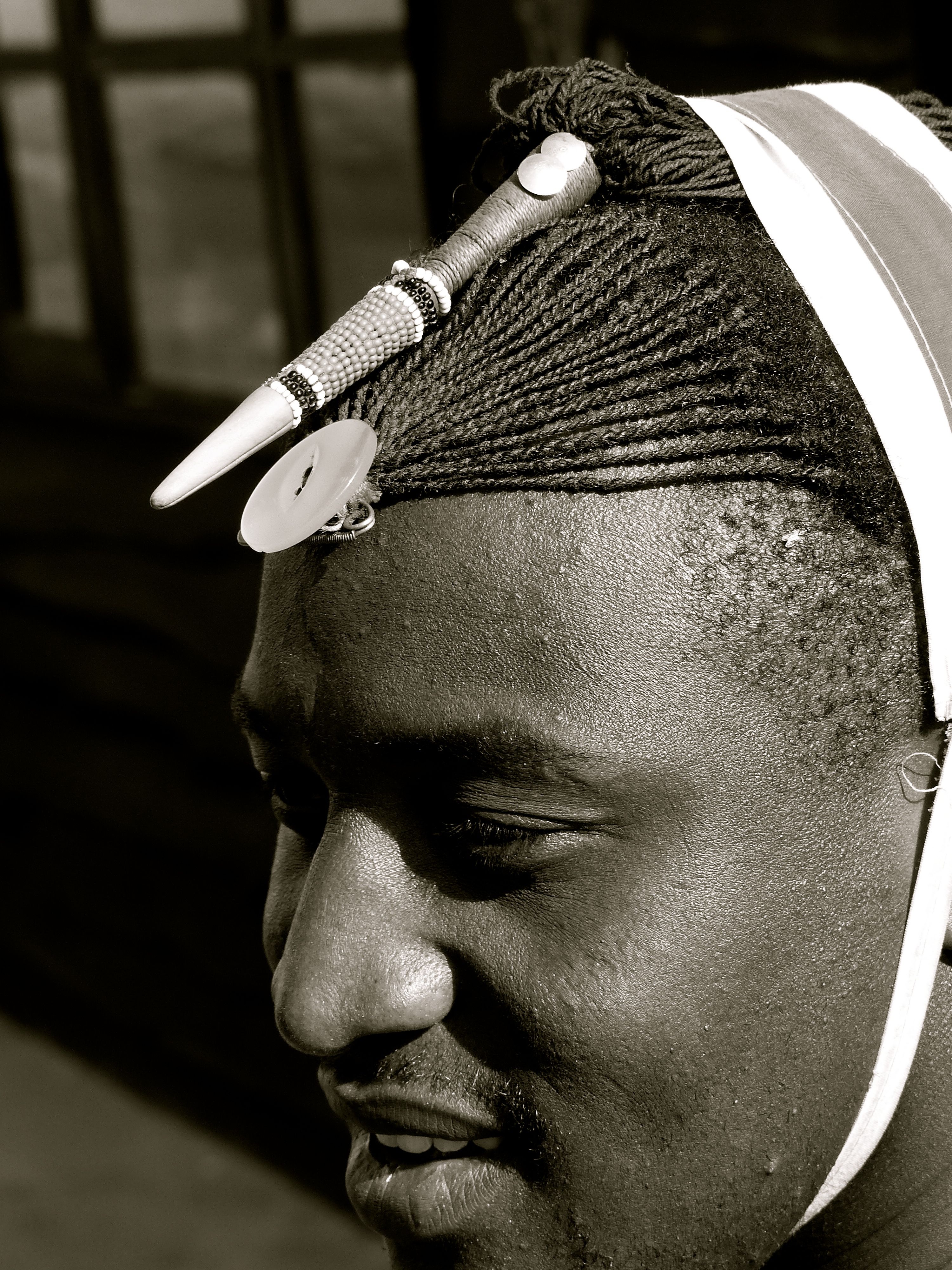
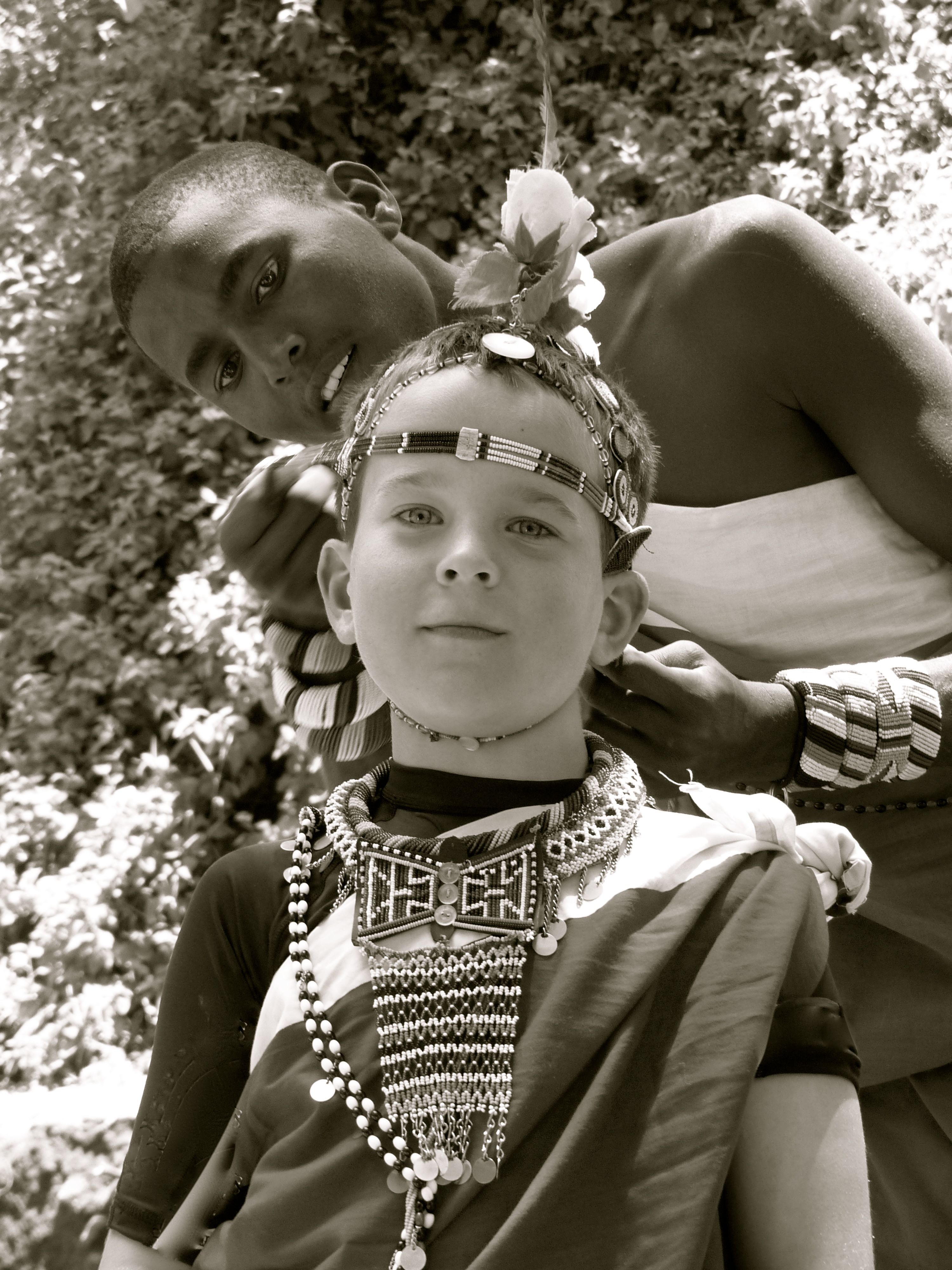
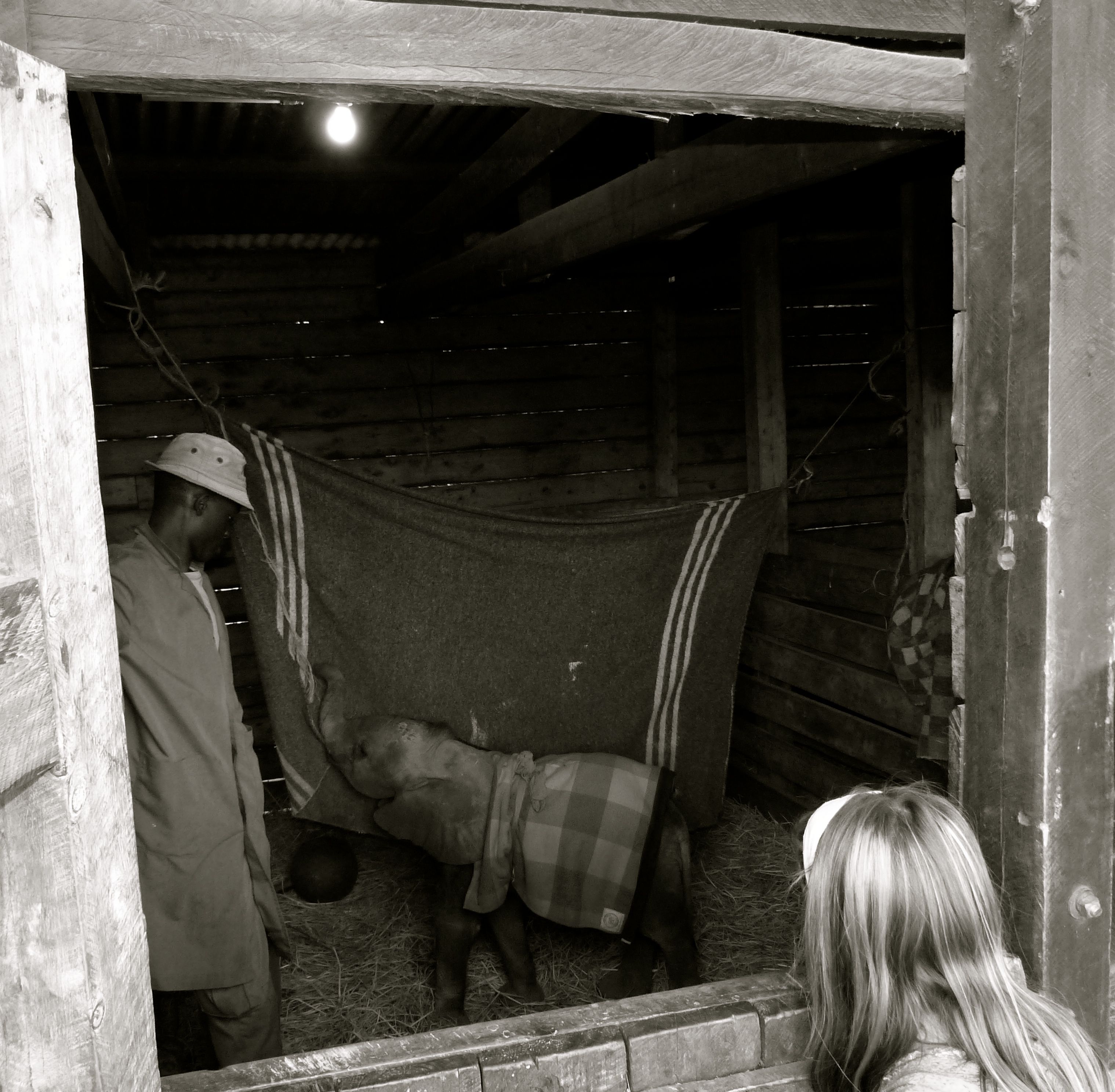

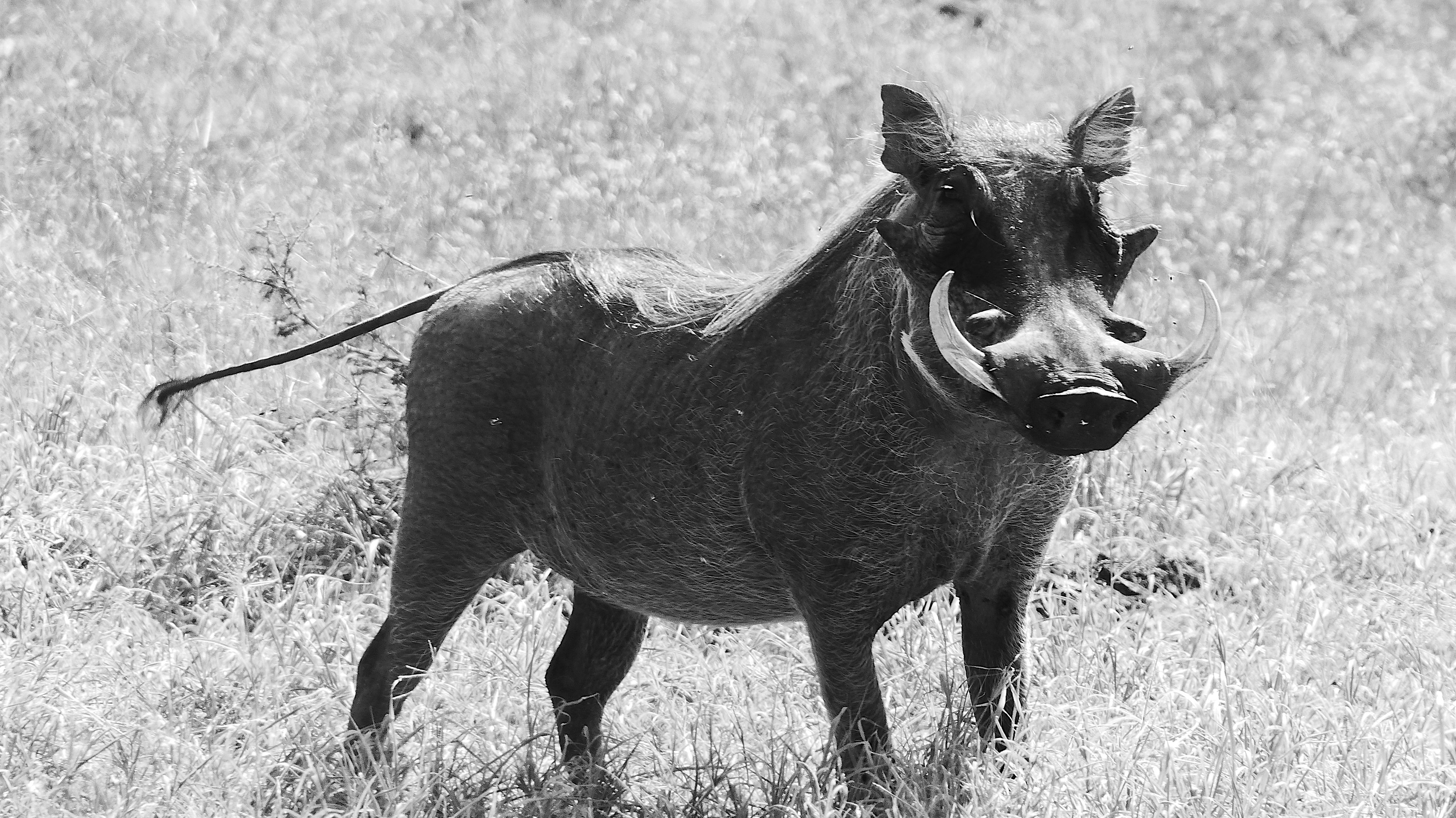

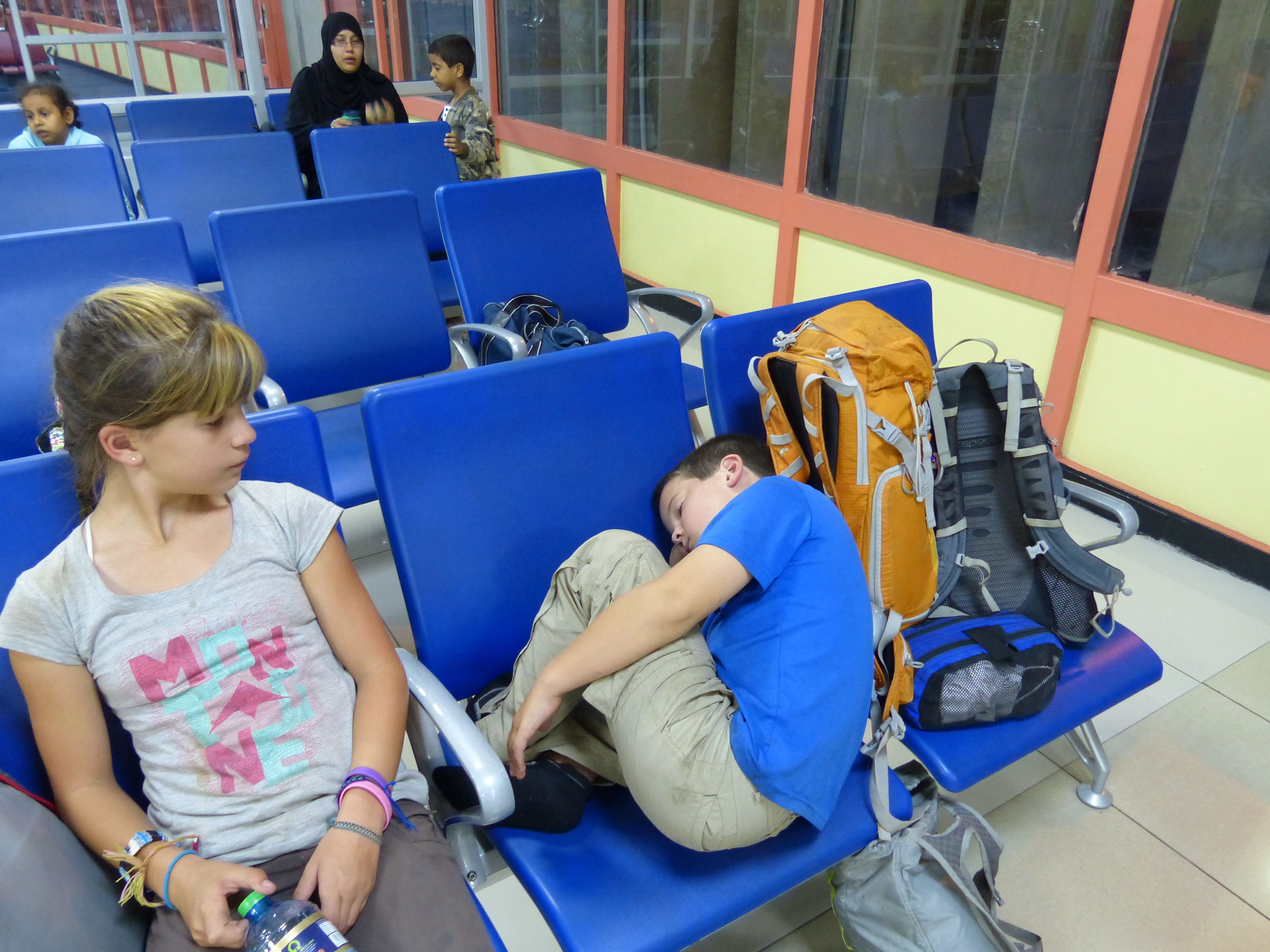

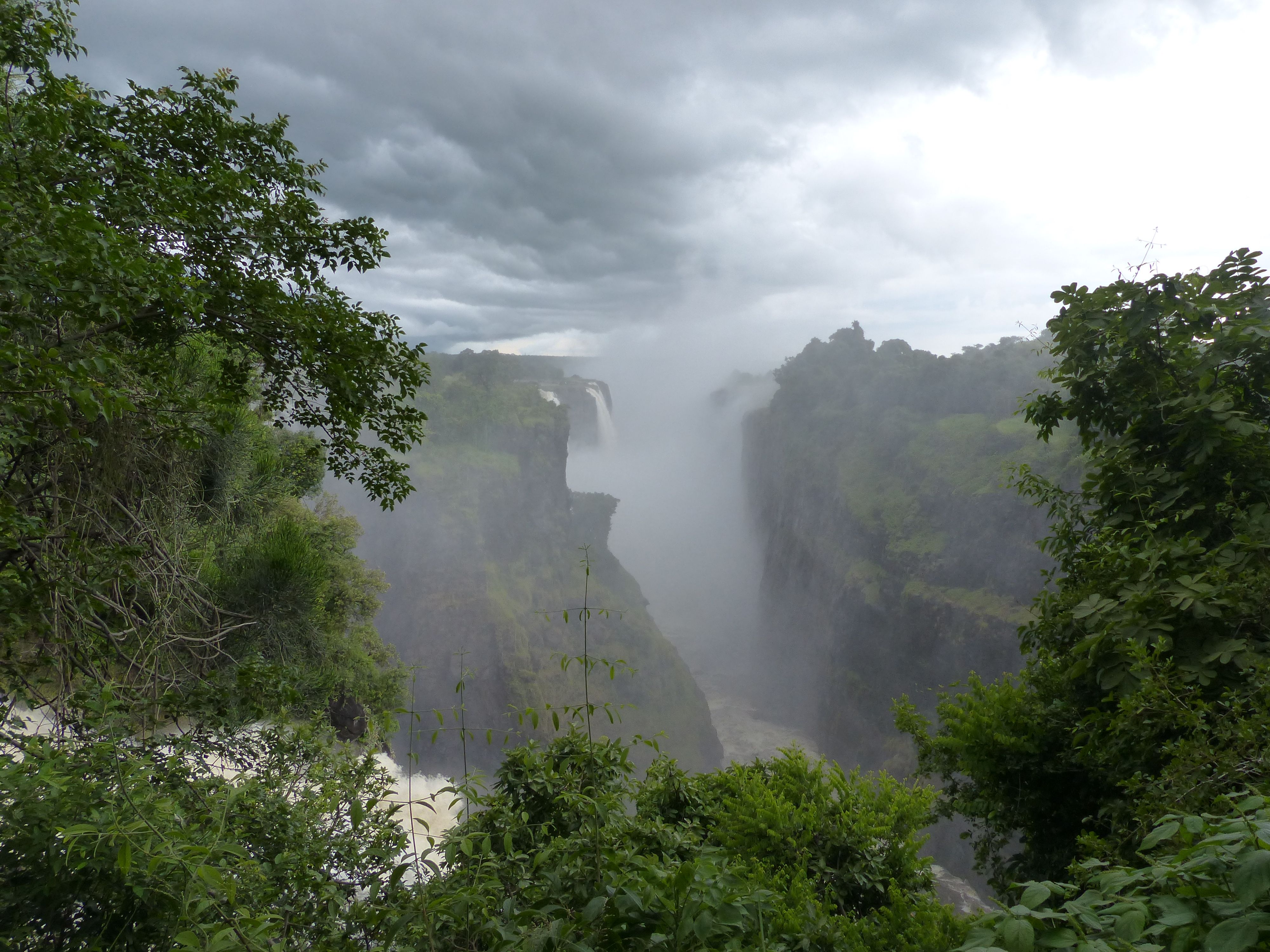
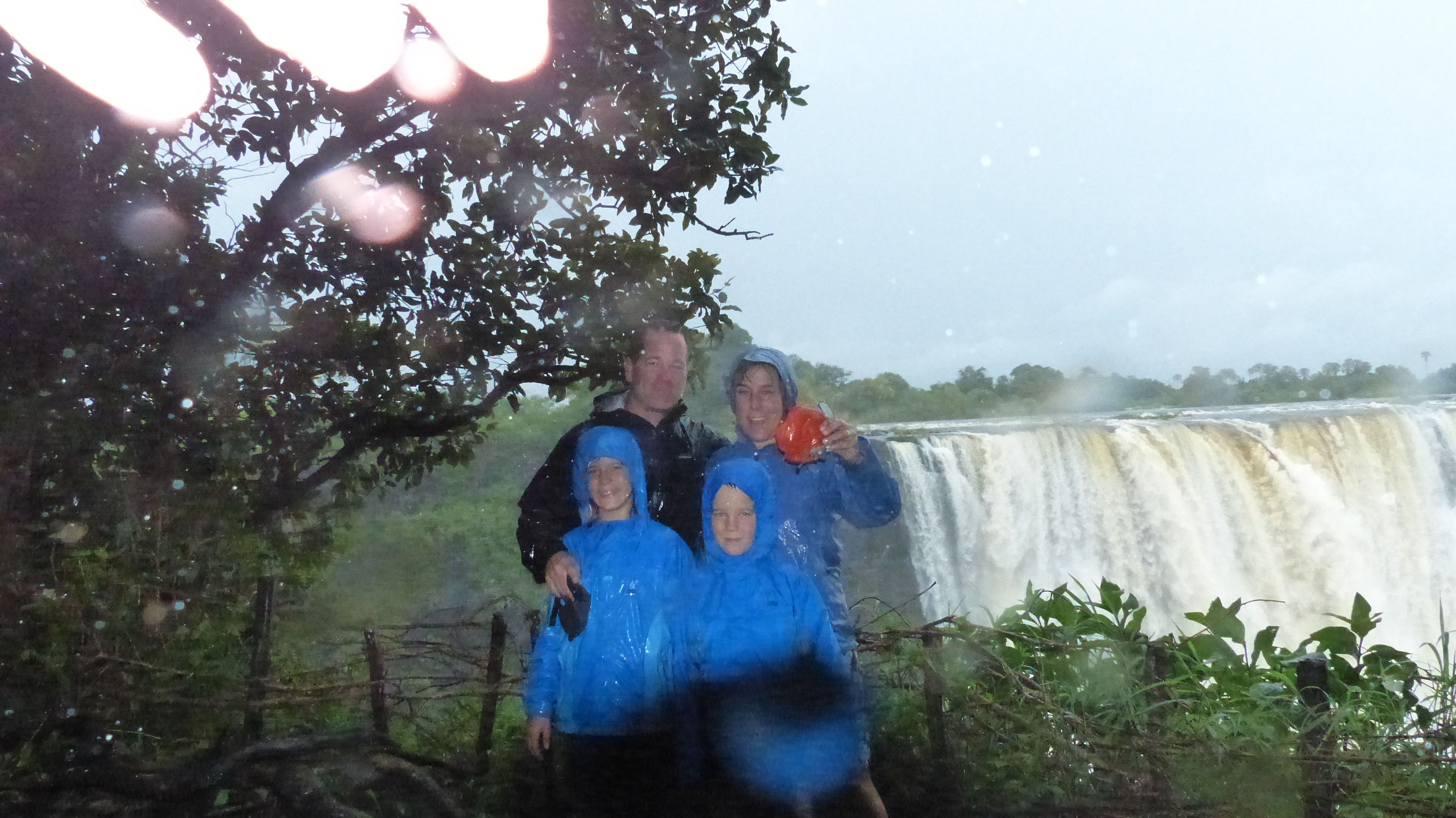

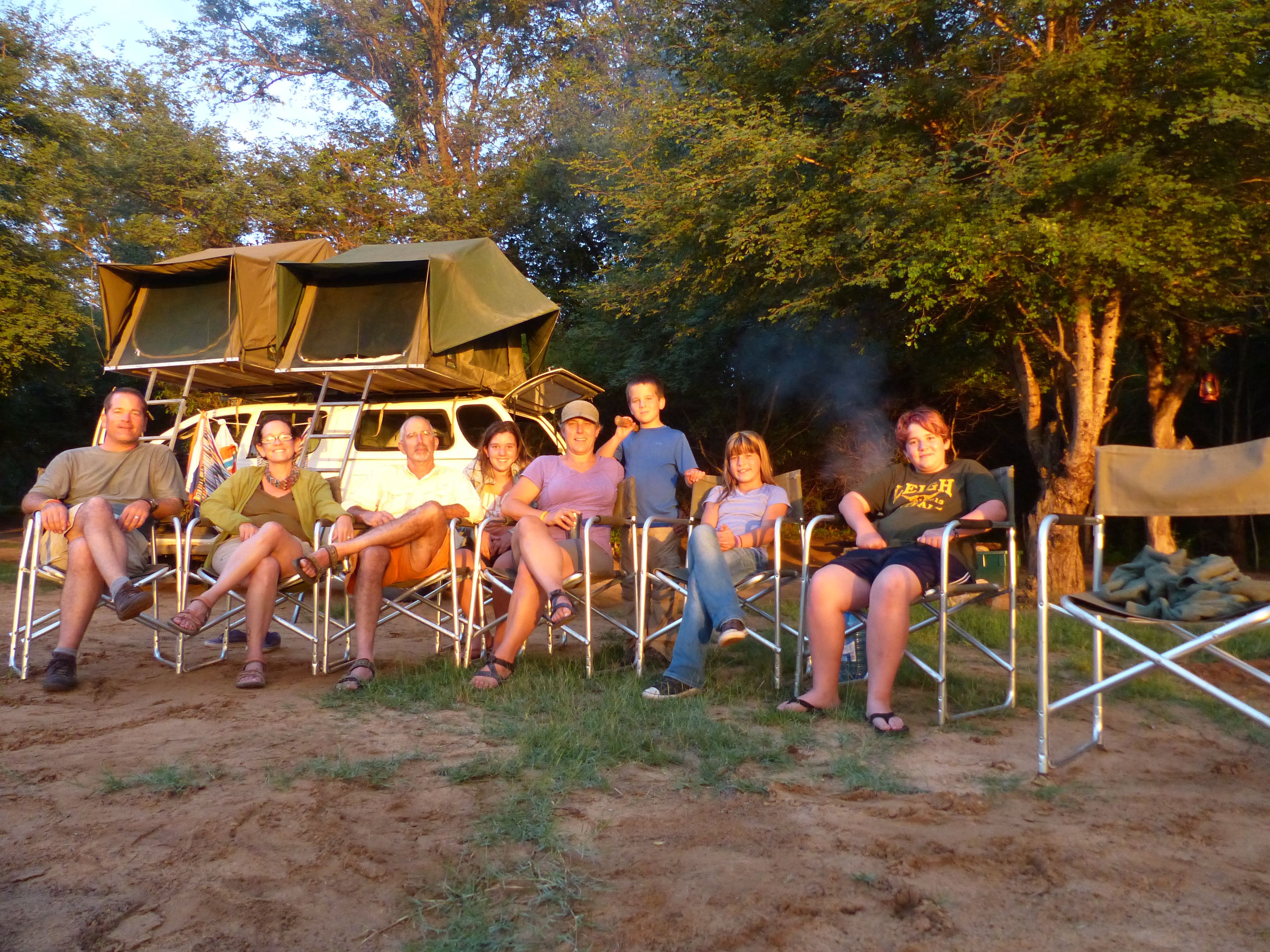


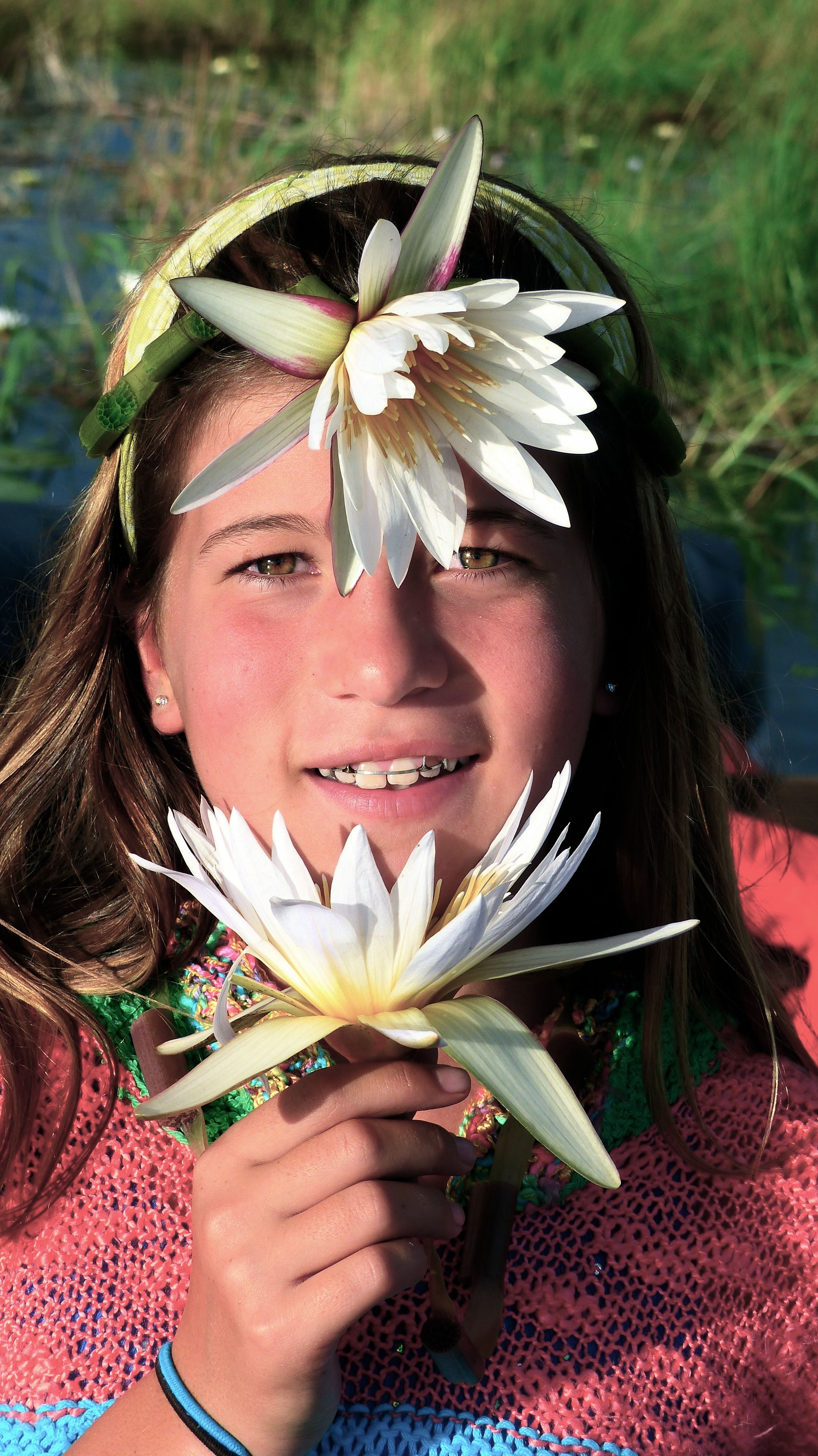
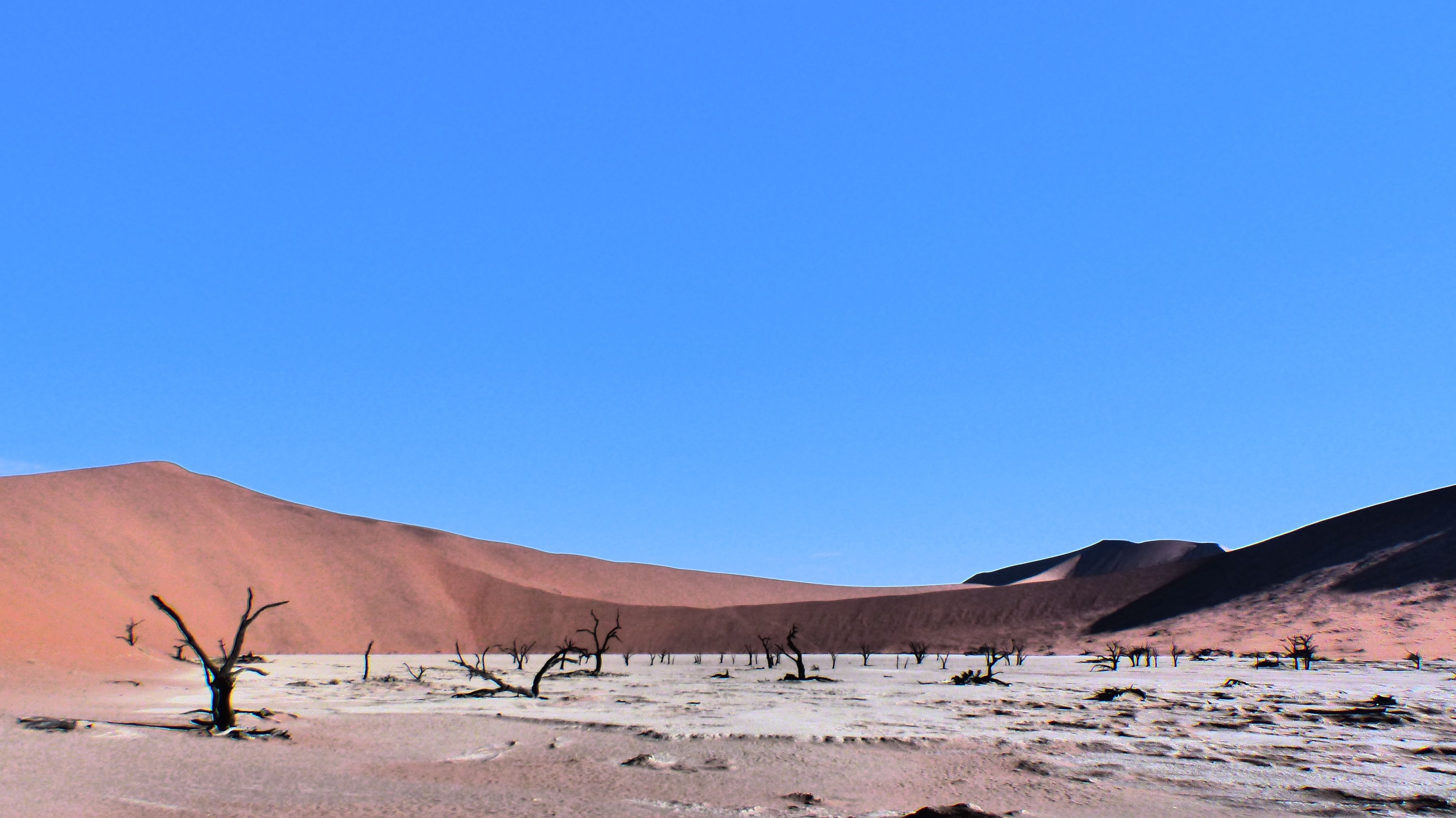


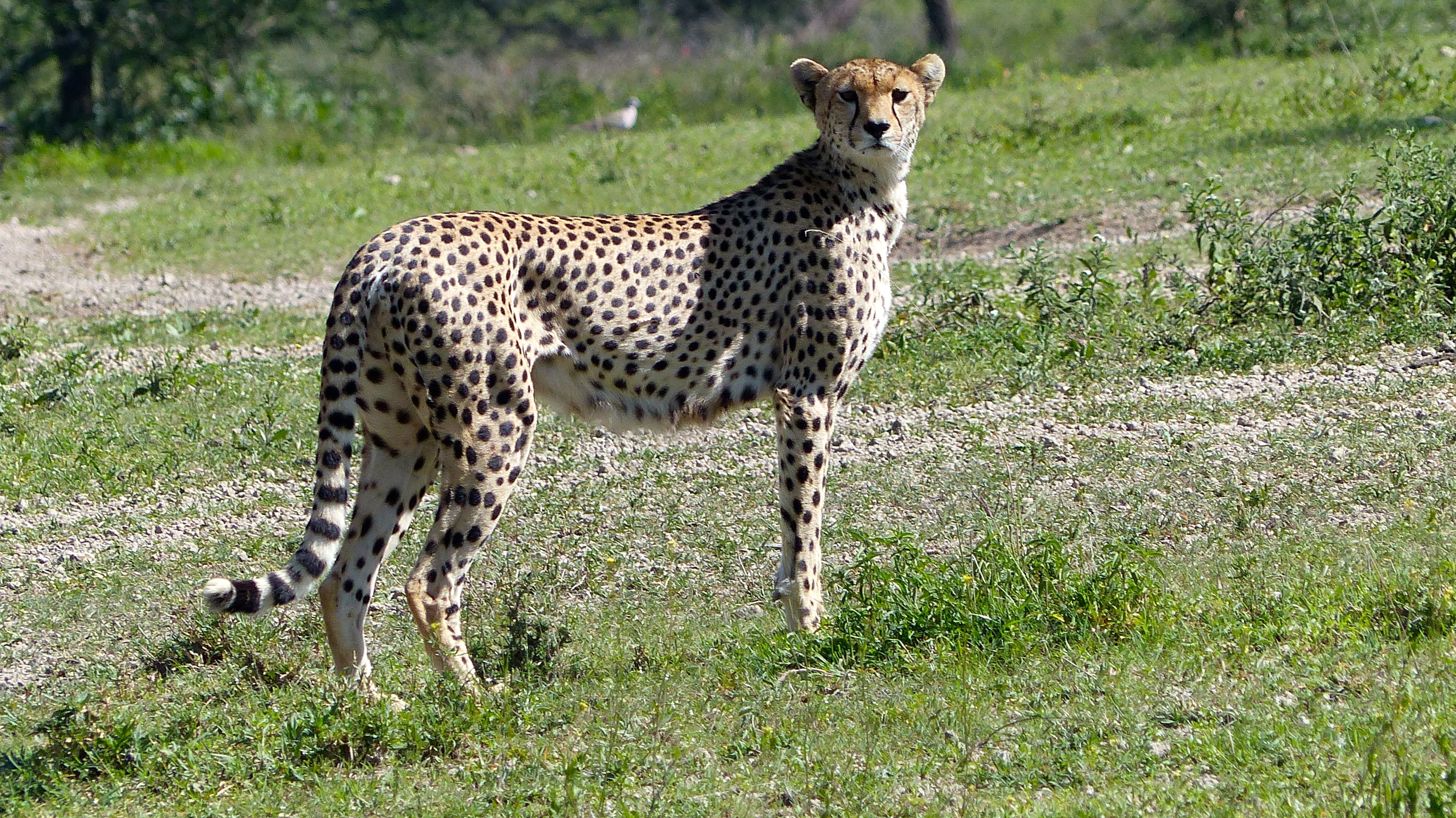

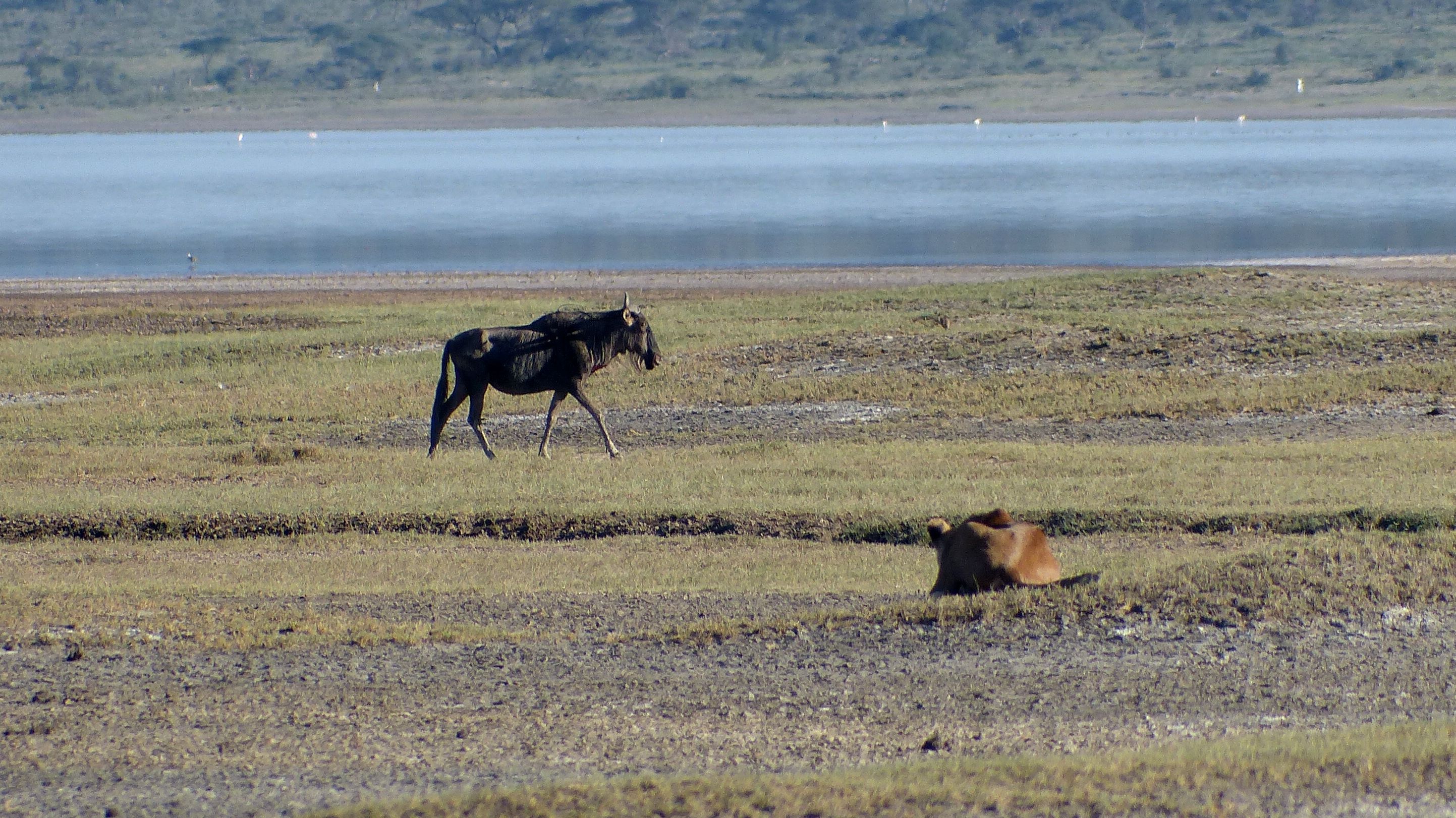
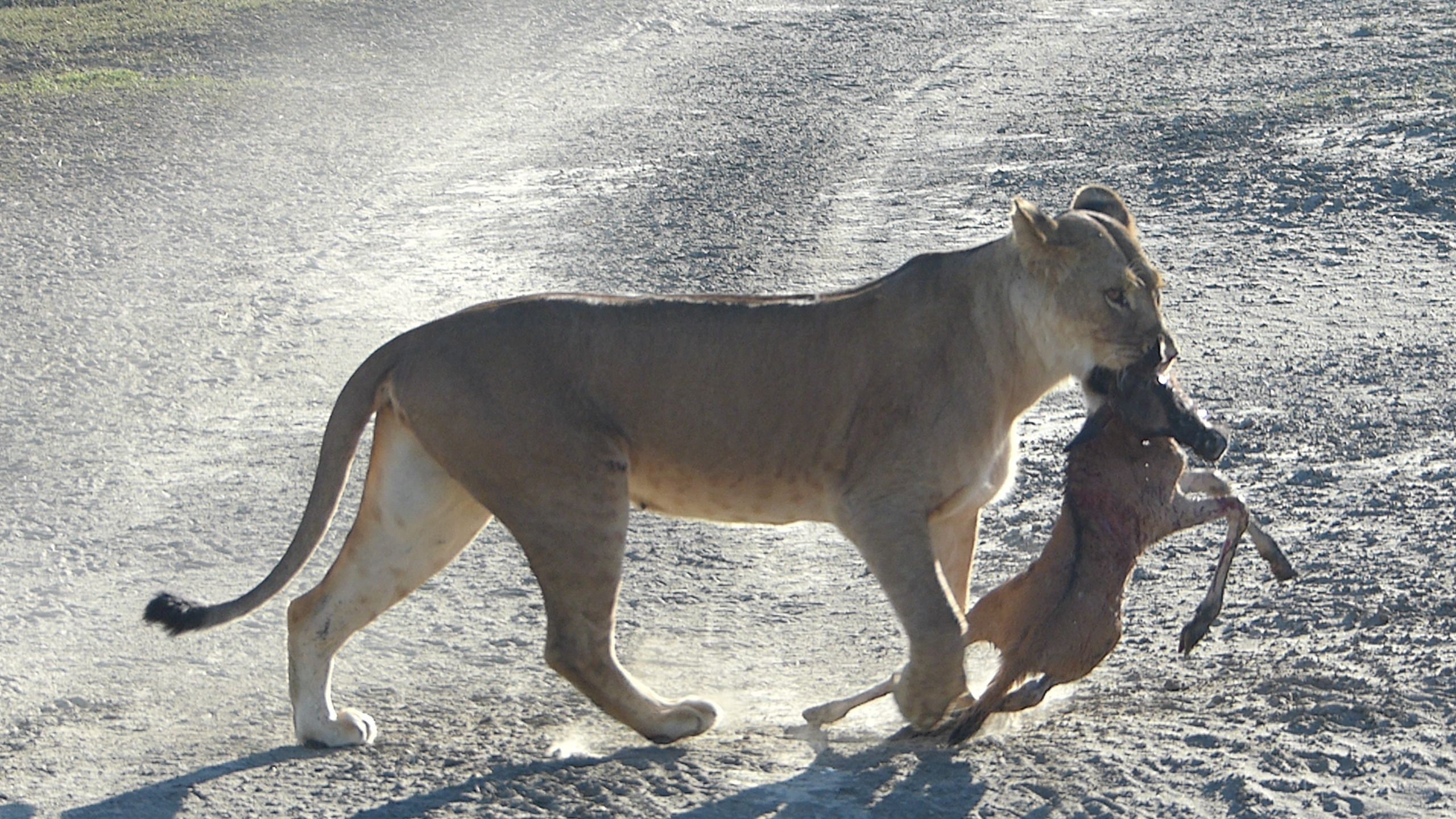
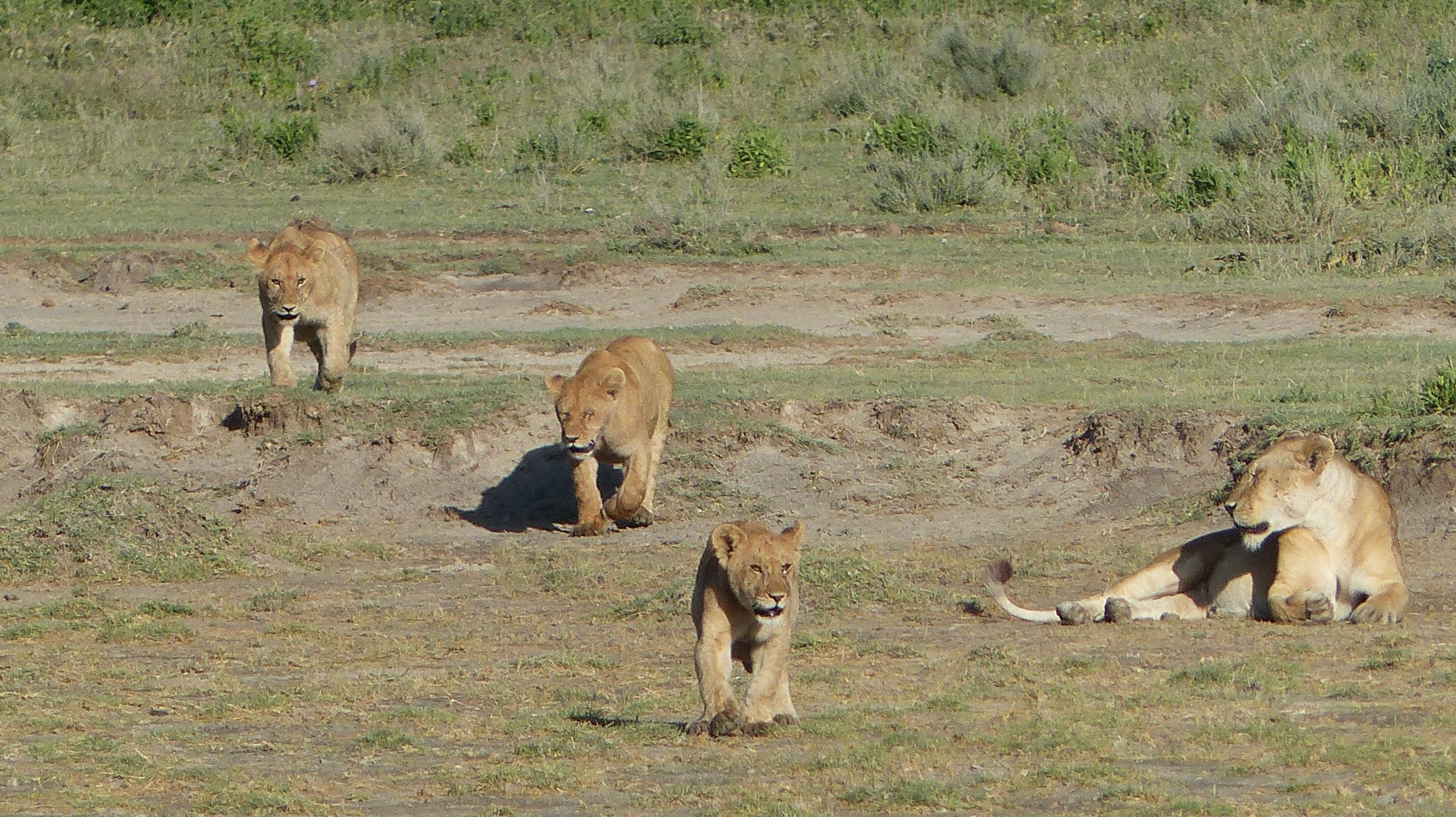


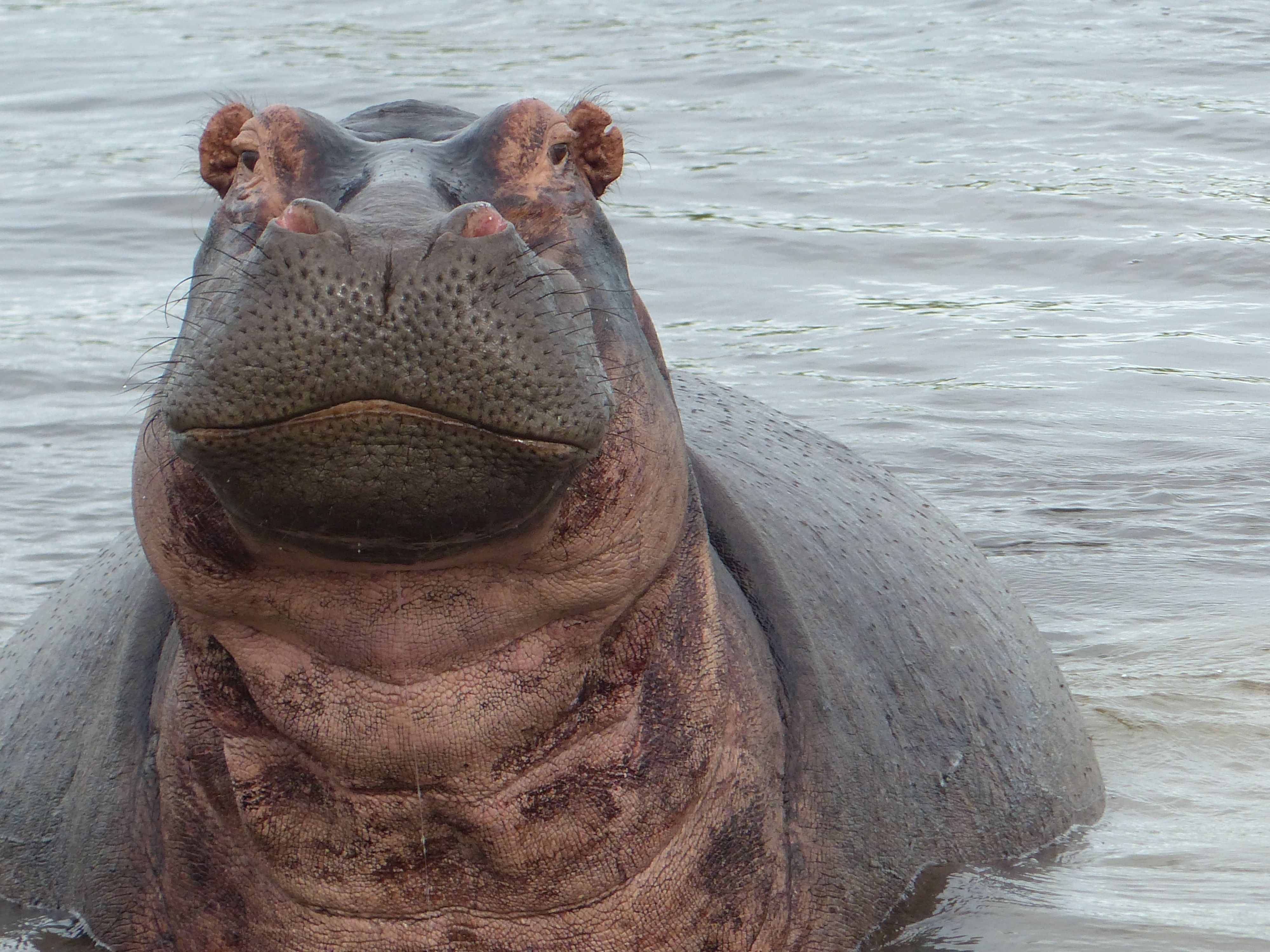


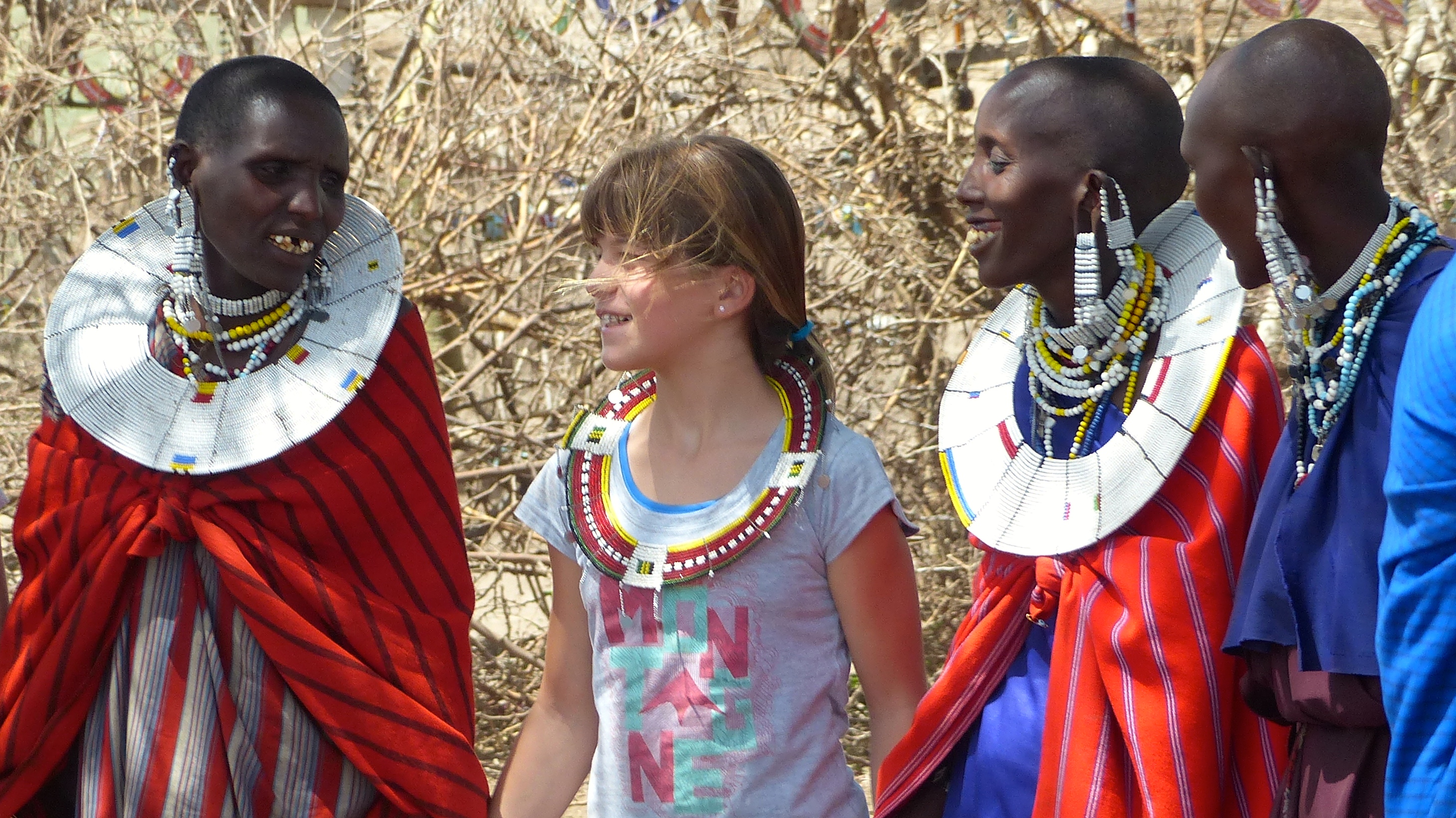
 The Shindells - Four to Go