Category: Uncategorized

  • End of a Chapter

    End of a Chapter

    We are finally back in our house after 24 months and 22 days on the road.  What a grand adventure this has been, yet coming home is bittersweet.  We actually arrived in the US in mid-May, in time for the kids to visit potential schools before the schools let out for the summer. Getting back before school ended necessitated moving up our schedule up by 6 weeks and cutting out biking the Danube.  We will have to leave that adventure for another time.  It also necessitated a major shift in logistics, but we’ve become pretty good at working things like this out, so it was only moderately painful.  Trying to get four bikes plus camping gear boxed and transported from the storage unit in Brugge to the airport in Brussels took some pretty complex logistical work, but we were able to do it with only minor glitches (like the Belgian equivalent of Home Depot isn’t open on Sunday and they don’t rent moving trucks to people without a EU address, so we had to improvise) and a lot of driving.  72 hours later, all of us and three of the four bikes arrived safely in California with minimal damage.  The fourth bike was tied up in Dublin and arrived in Reno a week later.  My sister and brother both met us at the airport which provided a grand welcome back as we settled in to life in the US.

    Fig
    Our Little Aussie – Fig

    Although we had to return earlier than anticipated, we were not ready to settle back in to our home at the beginning of the summer so decided to take another US road trip in Sylvia, our trailer.  Last summer we did a southern route through Arizona, New Mexico, Utah, Oklahoma, and Florida.  This time headed north stopping in Oregon, Wyoming, South Dakota, Chicago and finally on to New York.  In Oregon, we picked up the newest addition to our family, Fig, a red merle Australian Shepherd puppy.  Ever since Taggart died in 2010, we have dreamed of another Aussie.  Somehow the stars converged to bring little Miss Figgy to our family just one week after we arrived on home soil.  The breeder said that her personality is that of a “spitfire” and she has lived up to that designation.  Smart, funny, energetic, sassy, and confident, she is all Aussie and such a joy to have as part of our lives.
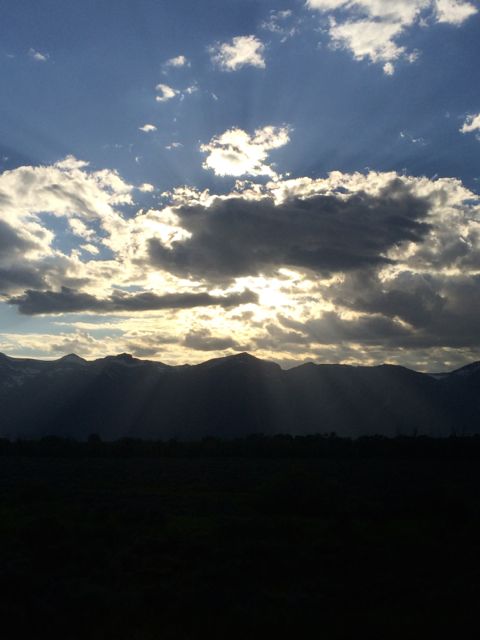
    Jackson Hole Wyoming
    Jackson Hole Wyoming

    Colburn and I met in Wyoming, so going back with the kids was like setting the family reset button 20 years later.  Jackson Hole is fantastically beautiful and many of our old friends still live there, so we were able to catch up on too many years gone by without seeing them.  Lucia has decided that when she takes a gap year before college, she will either go to Jackson or New Zealand, but Jackson is higher on the list because she take her dog with her since it is still in the US.  We will see how this works out for her!  South Dakota was simply for the biking and climbing, both of which filled our days before we made a bee-line to Chicago and catching up with Marquee and Jay, friends we met while diving in Indonesia. The next few weeks were spent with family in New York, Pennsylvania, and Massachusetts doing our typical summer thing and catching up with Uncle Joe (and finally getting to meet his daughter Andrea!) and Cilla in Ohio.  From Ohio, it was a straight line back to Reno, only stopping for an emergency set of new tires in Utah.

    Colburn and Mac Mountain Biking
    Colburn and Mac Mountain Biking
    Boating on Big Moose Lake
    Boating on Big Moose Lake

    Now we are home in every sense of the word – in our country, in our town, in our home. Friends and family are close by. We sleep on our own beds, have more than four shirts to choose from, can make whatever we want to for dinner and are going to birthday parties and meals with friends, all of the things that are “normal”, yet we grieve for the loss of our travel-selves.  It hit me hard when we unpacked our travel mementos – a weaving from Bhutan, a wooden bowl be bought from a family on the roadside in Namibia, beer coasters from anywhere I could pilfer them, a rug from Turkey, the mosaics the kids made at art camp in Florence.  As the memories of each item swirled in my head, I realized that there is a larger loss, that of our family as one unit instead of four individuals.  Now that we are home, the kids go to bed in their own beds in their own rooms, alone.  We give them a kiss goodnight, but I no longer hear them breathing in the bed next to me or see their sprawled bodies first thing in the morning. They went away for two weeks to a sleep-away camp.  Having spent the last two years together night and day, it was a drastic change to suddenly be apart for that long.

    Leaving Lewa Conservancy Kenya
    Leaving Lewa Conservancy Kenya

    Each of us has had their own revelation of sadness – Mac commenting how much he misses traveling — which is remarkable given that he spent the better part of our two years abroad lamenting being away from home, Lucia wondering if we will ever get do something wonderful like that again, me contemplating what life will be like without the newness every day, and Colburn working to find his legs without being part of a school.  When someone put the label of “grieving” on our emotions, it made me feel better for I have grieved deeply before and that is exactly what I am feeling now.  I am sad to know the trip is over.  I am apprehensive about the future.  I know that there are many wonderful things about being home and that we will adjust and develop a new normal, but I already miss how we were as a family traveling – the laughter, the sense of common goals, the stories we made together.  Already I feel the pull of commitments – school, work, activities, friends drawing us apart.
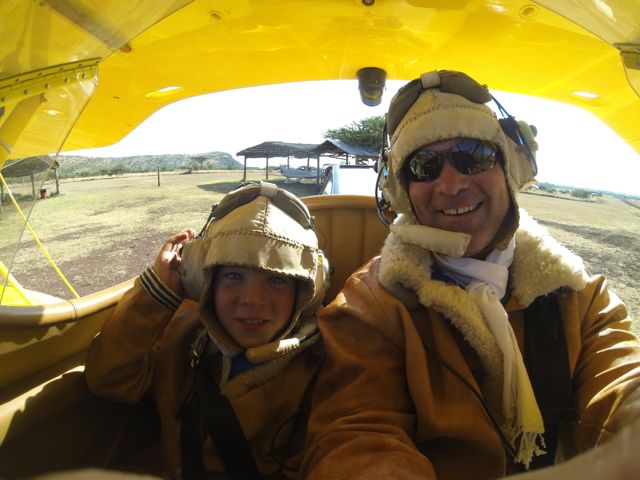
    BiPlane Ride
    BiPlane Ride

    What is it like to be home?  It is a much more difficult transition than I had imagined it would be.  One afternoon, Colburn and I sat in our car waiting for a break in the traffic so we could turn in to our neighborhood and commented to each other about how busy everything seems here.  Drivers are impatient and so self-centered that they cannot wait for someone else to pass.  Our dentist wanted to cancel our appointment because we were stuck in traffic and arrived 8 minutes late.  There also seems to be a glorification of having a busy schedule.  When we ask people, “How have you been?” the answer is almost invariably something along the line of “busy as ever!” or similar.  Parents lament about their children’s over-committed schedules, it takes three weeks to get together with someone for a cup of coffee, time is marked in 5 minute increments instead of the full days we were used to on the road. The pace of life is much faster than we are accustomed to living.  We have slowed down and are not in nearly as much of a rush as we used to be.
    DCIM100GOPRO

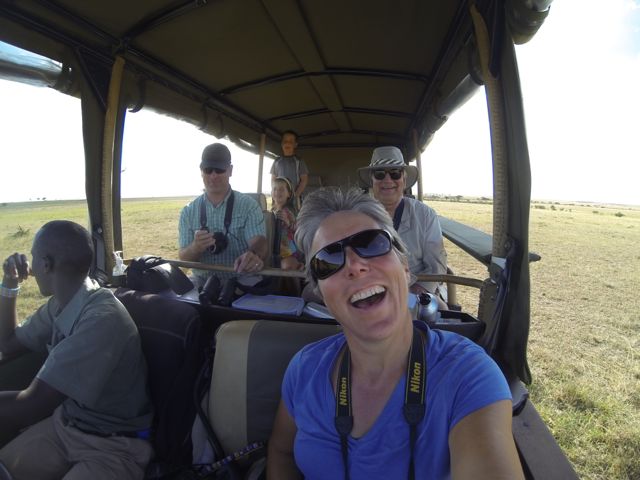
    Family Time Kenya
    Family Time Kenya

    Would we do it again?  Yes, absolutely, no question.  As we watched the final versions of the videos in this post, we all were teary-eyed and spent the next hour or two considering how we could make it happen again.  Spending two years together as a family has brought us to an understanding of each other that is nearly impossible to do in a society which separates us for large parts of every day.  We are now more involved in our children’s lives, not simply the driver which gets them to school on time, to their after-school activities on time, and feeds them dinner before making sure they get to bed on time.  We know more about who they are, the challenges they face, and the accomplishments they feel because we have gone through those experiences with them, along side of them, not just heard about them at the end of the day.  The kids have seen us struggle so know who we are and how we face these challenges.  By stepping off of the unconscious train tracks we were living our life on, we can now see opportunities and responsibilities we could not imagine before the trip.  We are more aware that world needs us and there are a myriad of ways we can give back. We have learned that if you have stuff, it needs to be useful or bring joy to you otherwise it is simply an encumberance. If you have relationships, they should be meaningful if they are to be worthy of your time.  We are more present in each moment together as a family because we know that it is an amazing gift to have such wonderful people around you.  No longer is dinner preparation or grocery shopping a solitary, unwanted task for me or Colburn, it is a family event where we share stories of our day and laugh together enjoying each other’s company.  We have finished this chapter of our adventure, but already developing plans for the next!
  • Peaceful Papua

    Peaceful Papua

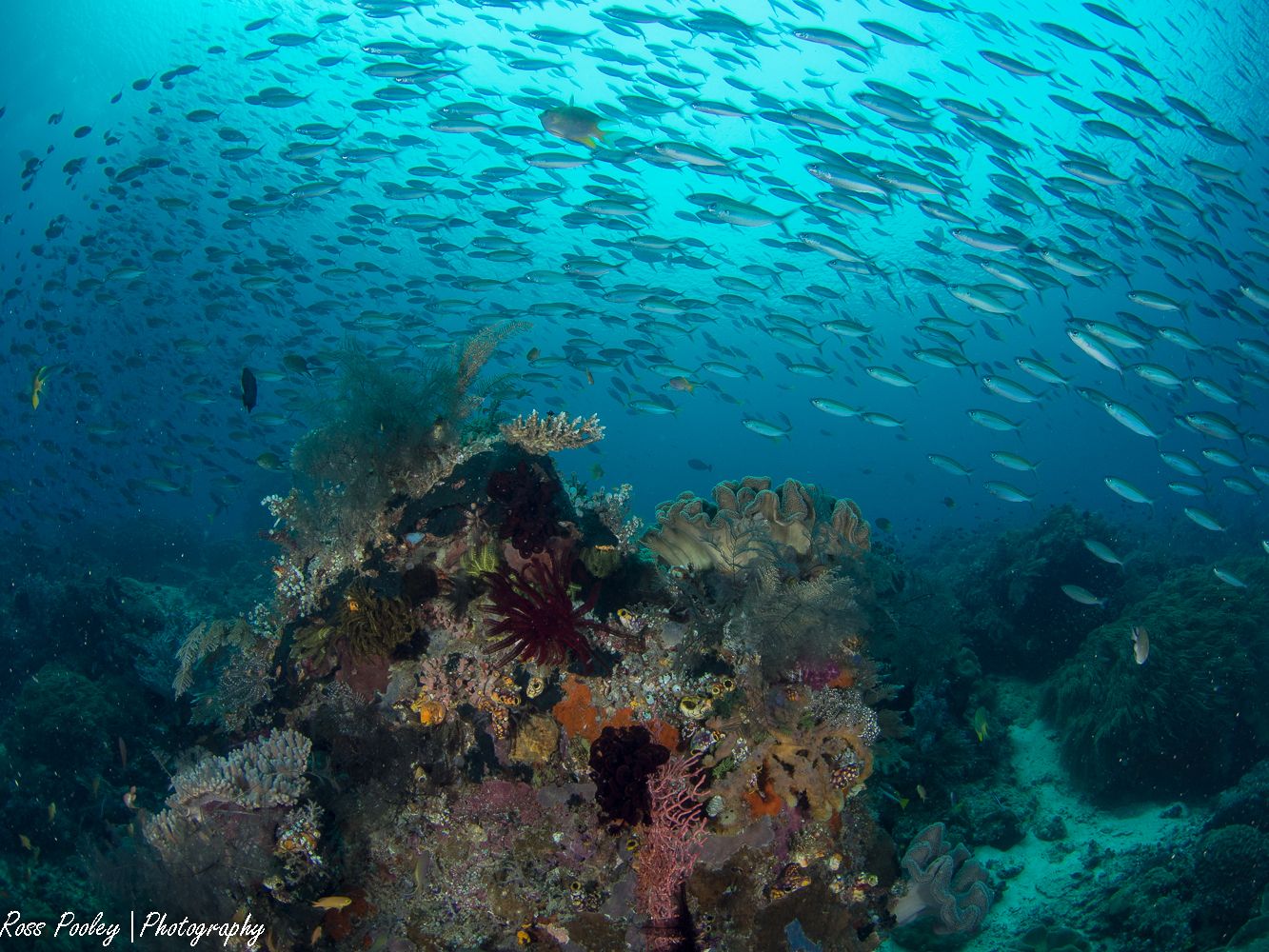
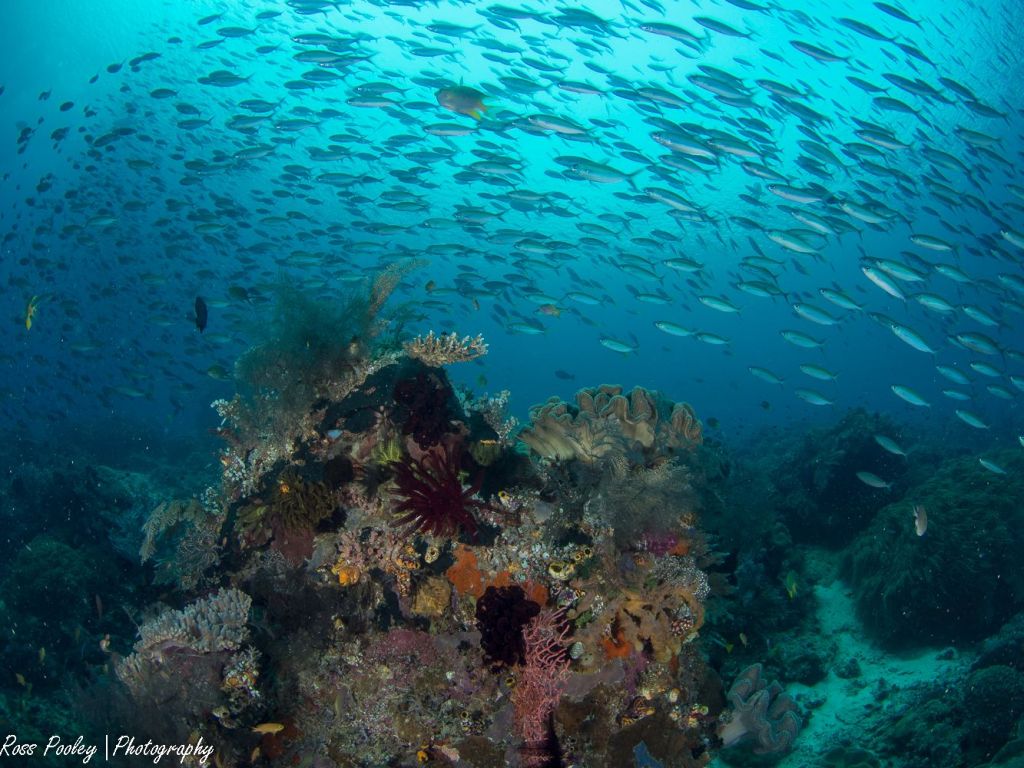
    Healthy corals (Photo: Ross Pooley)
    Healthy corals (photo: Ross Pooley)

    Located off the north-western side of the island which is split between the countries of Indonesia and Papua New Guinea, Raja Ampat is an archipelago in the middle of the Coral Triangle with incredible marine diversity.  We ventured here because it holds some of the last pristine coral reefs anywhere in the world.  Noted naturalist and broadcaster, David Attenborough (Mac’s idol since he was 5 years old) says that a single reef in Raja Ampat can contain more species of coral than in all of the Carribbean – 75% of all known species grow here.  And, having seen it, I believe that these claims might well be true.

    One of several turtles we saw snorkeling
    One of several turtles we saw snorkeling

    Coral reefs world-wide are dying at an alarming rate.  It is estimated that 25% of all coral reefs are now damaged beyond repair with another 60% are under imminent risk because of a combination of factors including rising surface temperatures, ocean acidification due to increasing CO2 levels, rampant costal development causing both pollution and sedimentation as well as over-fishing and destructive fishing methods (dynamiting, poisoning). Science does not yet have an answer for why the reefs of Raja Ampat have survived better here than in other areas but they appear to be more resistant to high surface temperatures, somehow making them less likely to suffer from the bleaching and coral disease that have decimated other areas of the oceans.

    Mayhem  (photo: Ross Pooley)
    Mayhem (photo: Ross Pooley)

    Healthy reefs support health fish populations so this area also has some of the greatest biodiversity of anywhere on Earth because it is at the crossroads of two major oceans – the Pacific Ocean and the Indian Ocean.  Like in the Galapagos, cold currents bring nutrients from deep in the open ocean to the surface when they hit the shallower waters of the archipelago.  Unlike many shallow seas which are devoid of nutrients, the nutrient-laden water supports a wide variety of fish – more than 1,500 different species and nearly 700 mollusk species.

    Note the shark in the back is grabbing a fish (photo: Ross Pooley)
    Note the shark in the back is grabbing a fish (photo: Ross Pooley)
    Little Nemo fish
    Little Nemo fish

    All of these factors combine to make one incredible place to visit.  Although many people would wait until they had more dives under their weight-belts to venture this far, we decided that if we waited to go to Papua, we probably would never see it.  You see, getting there is not easy – which is probably good because too many people would go if it was easier to get there.

    Our favorite surface interval spot, Kri Beach
    Our favorite surface interval spot, Kri Beach

    Our journey began in New Zealand with a 10 hour journey to Denpasar, Bali via Brisbane, Australia.  After clearing Indonesian immigration and switching to the domestic terminal, we took an hour-long flight to Makassar then had to spend part of the night there because our second leg didn’t leave until 3:00am.  Arriving in Sorong, West Papua, at 6:30am, we waited until 11:00am for our boat to the island, which was another hour-and-half journey. All-in-all, the entire journey took us something like 30 hours, only about three of which were actually spent sleeping, and that was beginning relatively close by in New Zealand.  You really have to want to get to Raja Ampat to go there, but it is definitely worth the effort.

    Mantas (photo: Ross Pooley)
    Mantas (photo: Ross Pooley)

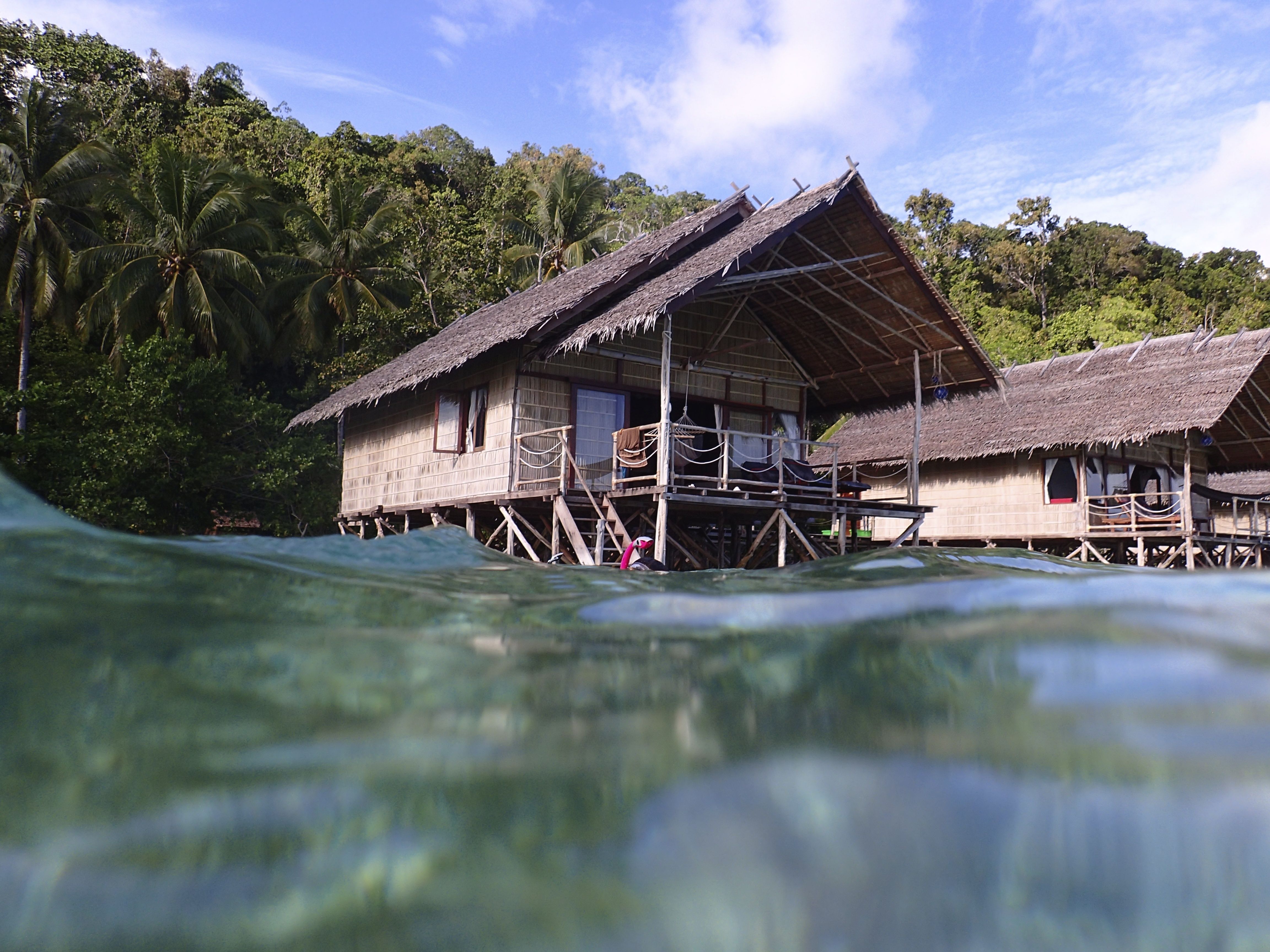
    We chose a relatively new resort, Papua Explorers, because it offered the right mix of both diving and non-diving activities.  We aren’t really big scuba divers, so don’t plan our days around getting in as many dives as possible. Instead we wanted to learn about life both above and below the water.  PapEx helped us snorkel as a family, visit local villages, find the elusive Red Bird of Paradise and get some phenomenal diving in for the parents as well.

    Snorkeling in the blue waters
    Snorkeling in the blue waters

    The snorkelling and diving were incredible – pictures only capture momentary glimpses of what we experienced.  Beyond the myriad of fishes, we saw octopi fighting, were visited by reef sharks on nearly every dive, watched manta rays being cleaned for probably 20 minutes, found woebegong sharks hiding under rocks, observed the diminutive pygmy sea horse (even a pregnant one!) hanging on to sea fans and were surrounded by more fish than I ever thought existed in the world.  There were three baby black-tipped reef sharks and a blue-spotted ray that swam under our bungalow porch like clock-work every morning and evening.

    The baby sharks and rays would hang out under our bungalow
    The baby sharks and rays would hang out under our bungalow
    Mac inspecting a tiny sea star
    Mac inspecting a tiny sea star

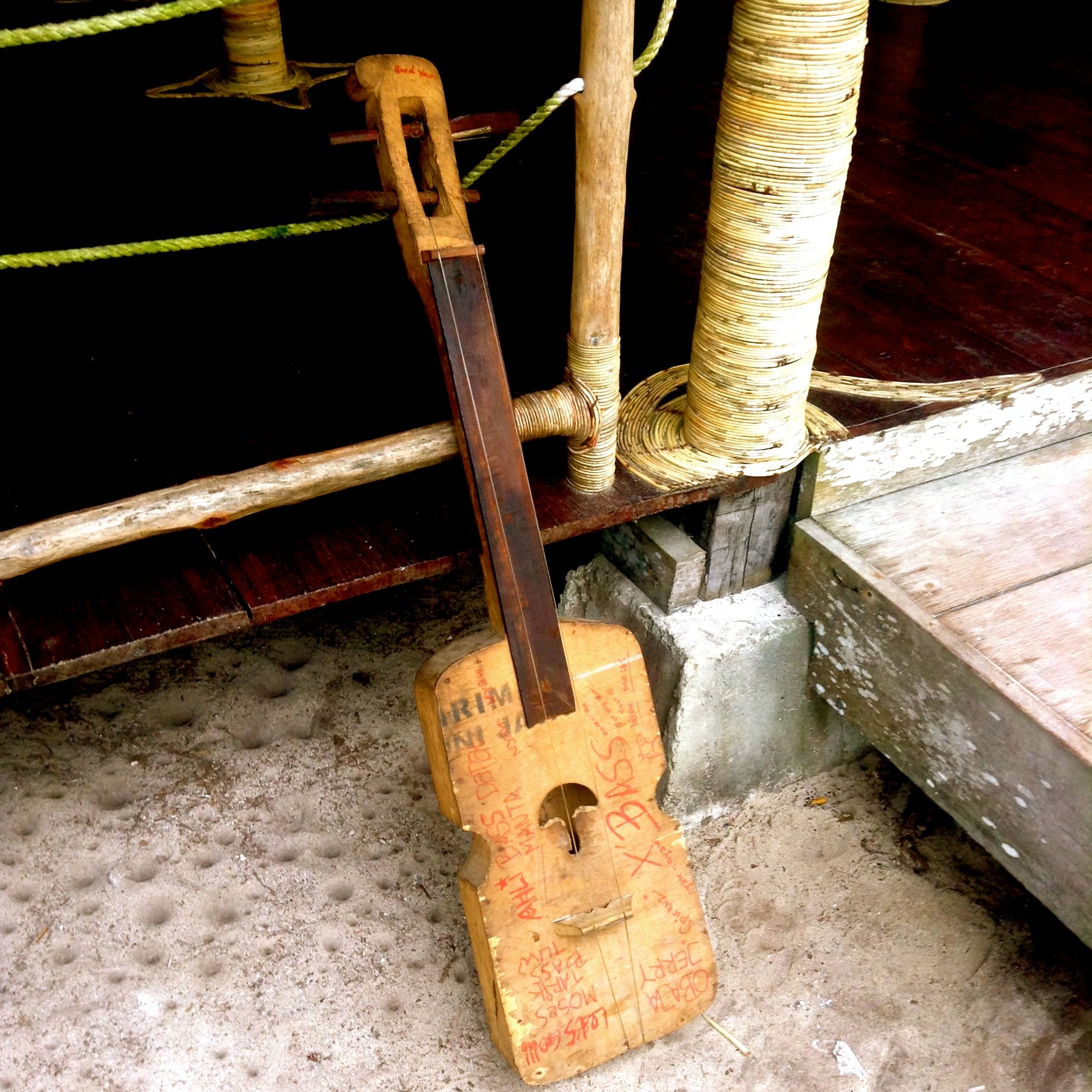
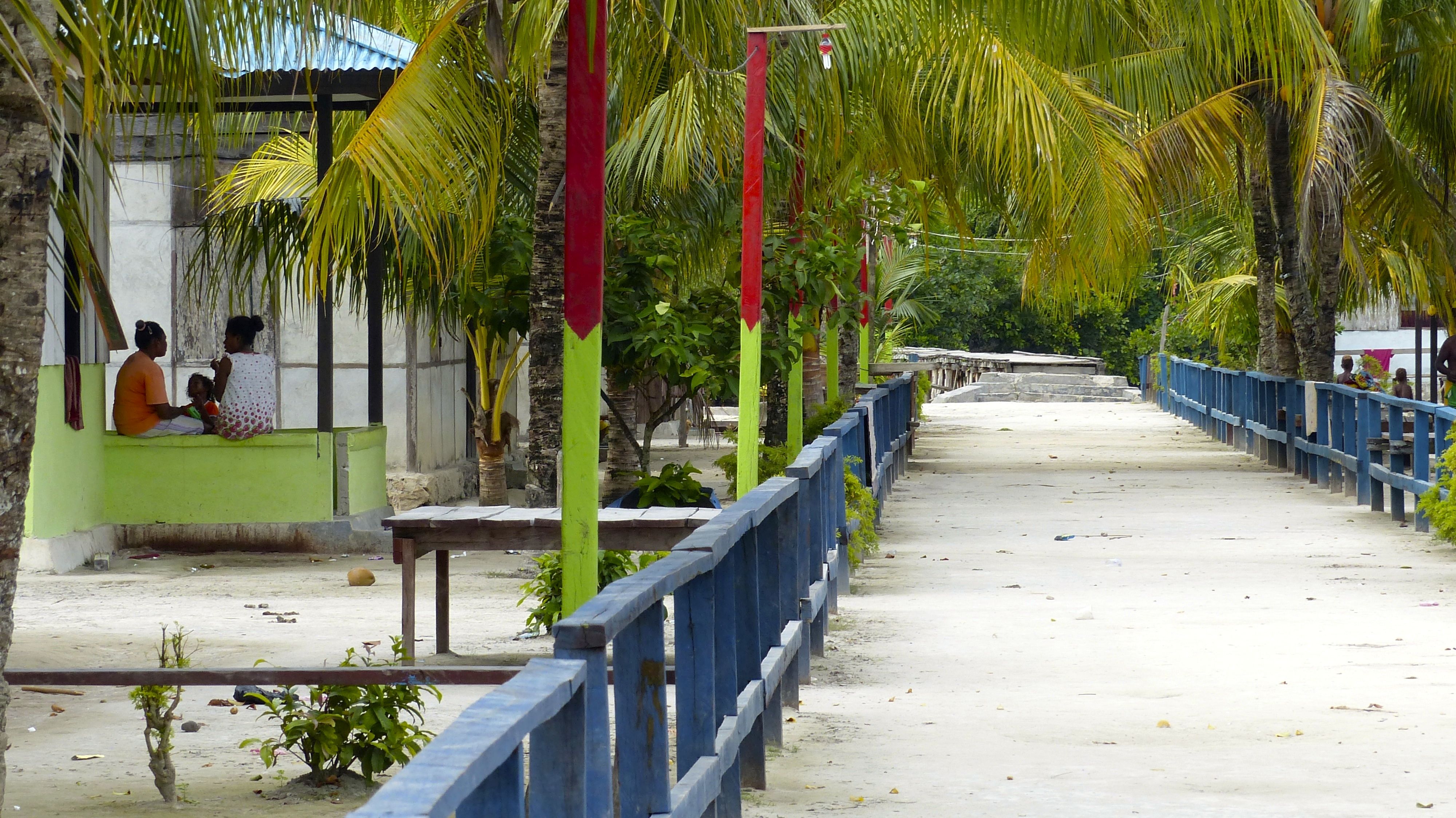
    But, more than the marine life, the things we enjoyed most about Raja Ampat were the people.  The local Papuans are peaceful, soft-spoken, quick to smile and always singing or playing an instrument.  We visited a village on Arborek Island where we were allowed to walk through town without once being accosted by people trying to sell us trinkets and treasures.  In nearly two years of travel, this is the first time that I can recall where literally no one asked us to buy anything.  In fact, there was nothing but biscuits and toilet paper for sale – no necklaces, bracelets or sarongs.  The people smiled at us, waved, and went about their day, seemingly happy to share their island with us without expectations.  It really makes me wonder why the people of Papua have not succumbed to exploiting tourists in the same way that nearly every other place we have visited has.

    Always music around
    Always music around
    The village near our resort - extremely tidy and nothing for sale
    The village near our resort – extremely tidy and nothing for sale

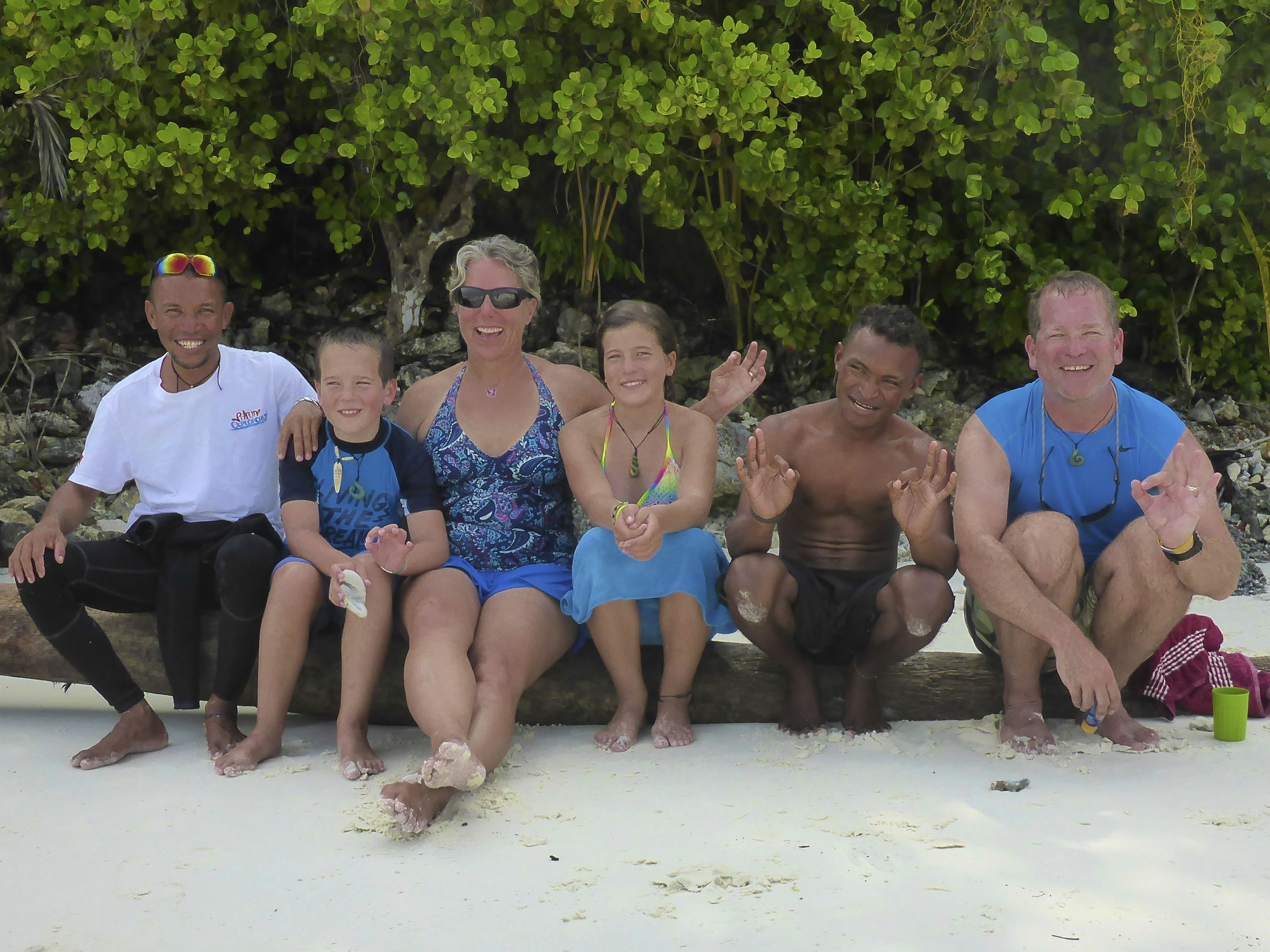
    Our main dive and snorkelling guides, Hervil and Moses, are brothers from a neighbouring island.  While their English is limited,  Hervil’s zen-master confidence diving put our nervous nelly tendencies at ease.  Moses seemed to enjoy playing with the kids in the water as much as they did, but also found lots of critters to look at as well, striking the perfect balance and keeping them interested day after day.  Our other guides and boat drivers, Obaja, Ismail, Derek, Manu, Nathan, Gundawan and others were wonderful as well – we just didn’t spend as much time with them as we did with Moses and Hervil.  Everyone made us feel very welcome and well looked-after every day.

    Most of our dives/snorkels were guided by Hervil & Moses
    Most of our dives/snorkels were guided by Hervil & Moses

    We were also fortunate to have an incredible group of guests with us almost the entire two weeks we were there – Marquee and Jay from Chicago, Sonia and Richard from Portland, and Joonas and Camilla from Finland – making the time out of the water as enjoyable as the time diving and snorkelling.  They embraced the kids as equal members of the group, not just something to be seen and not heard.  This made our time together even better, especially for Mac and Lucia who now exhibit the traveller’s love of sharing stories from the road, but are often over-looked during the dinner-table discussions because they are “just kids”.  Not so in Papua.  We would love to come back again sometime soon.

    Having fun in Raja
    Having fun in Raja
  • A Kid’s Guide to Trekking

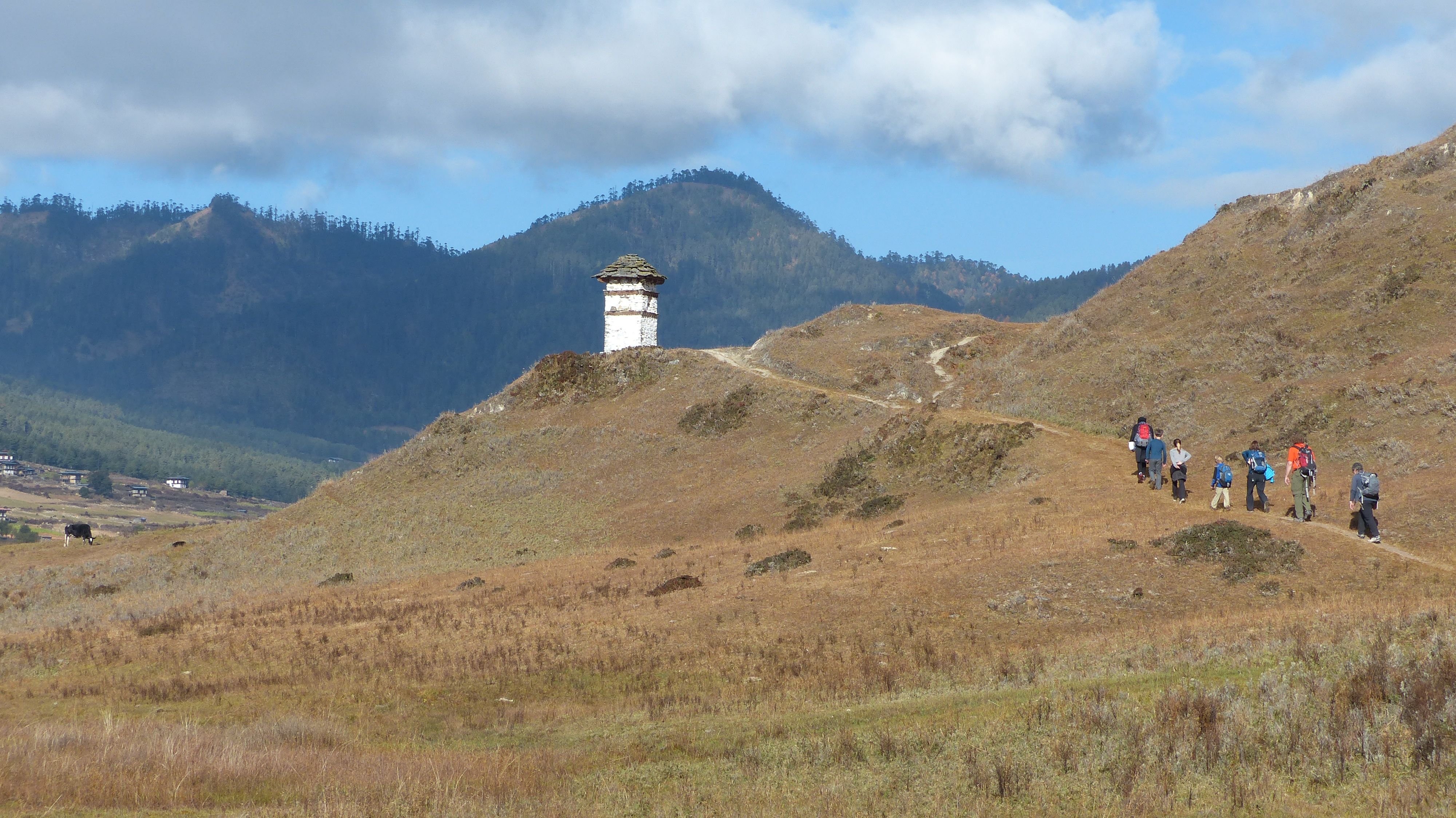
    Not stylish, but versatile
    Not stylish, but versatile

    By Lucia

    As a kid coming from the USA, I never thought that I would be taken on an around the world trip by my crazy parents. But I did, and I have picked up on a few things about fashion, food and fun that can make trekking more enjoyable.

    Fashion

    When we were in Nepal, we went on a twelve-day trek and brought way more stuff then we needed. Here is a list of some of the things that we actually used.

    • Comfy clothes for at camp
    • Quick dry pants and a warm shirt for on the trail
    • A really warm down jacket
    • A pair of warm gloves
    • A warm hat
    • 5-7 pairs of socks (depending on the length of the trip)
    • Firm but comfy shoes
    • Comfy shoes for at camp
    • Sunglasses and sunscreen
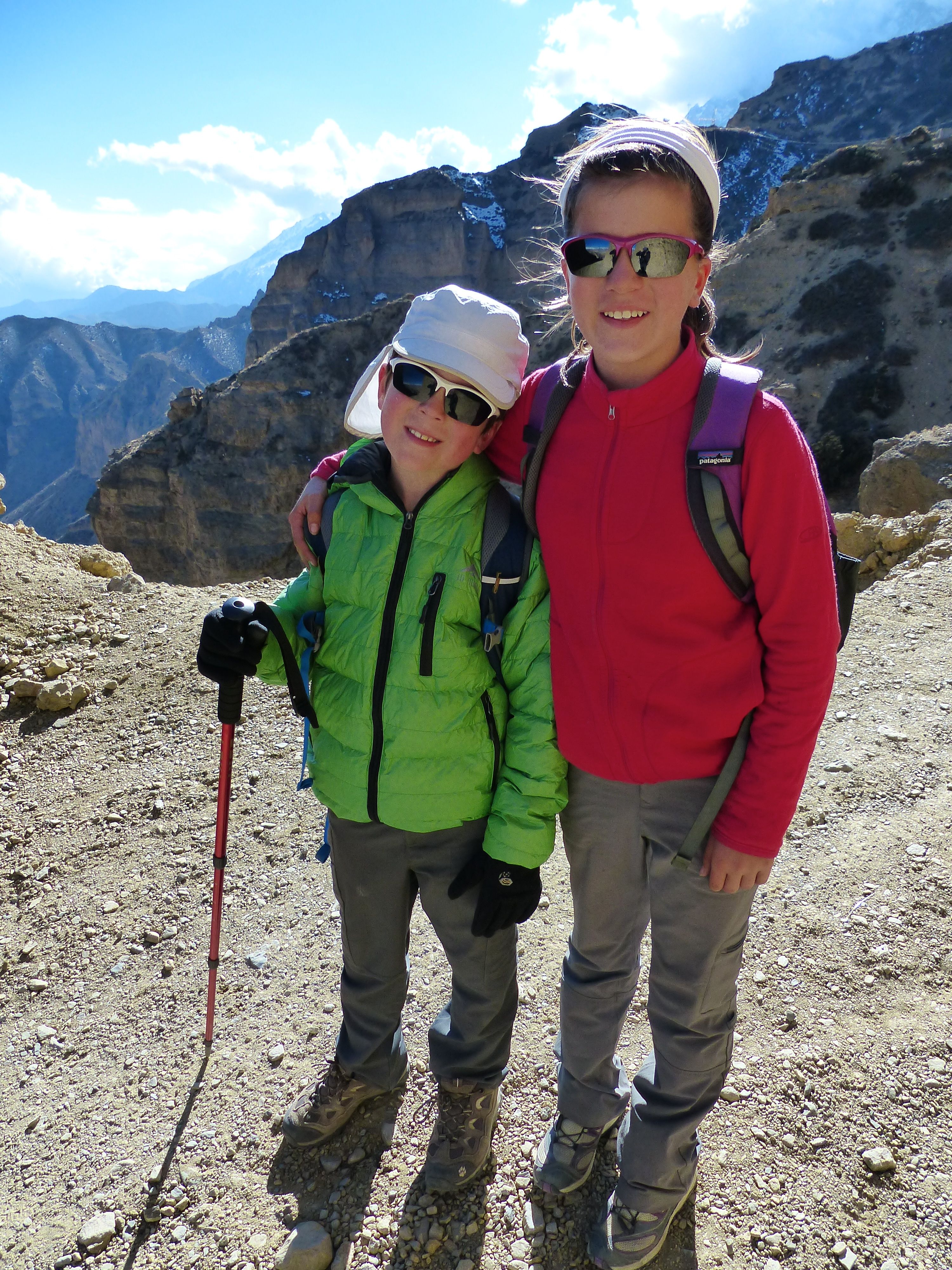
    Warm, not stylish
    As you can see we were really cold in the Himalayas but we got in and out just fine.

    Food

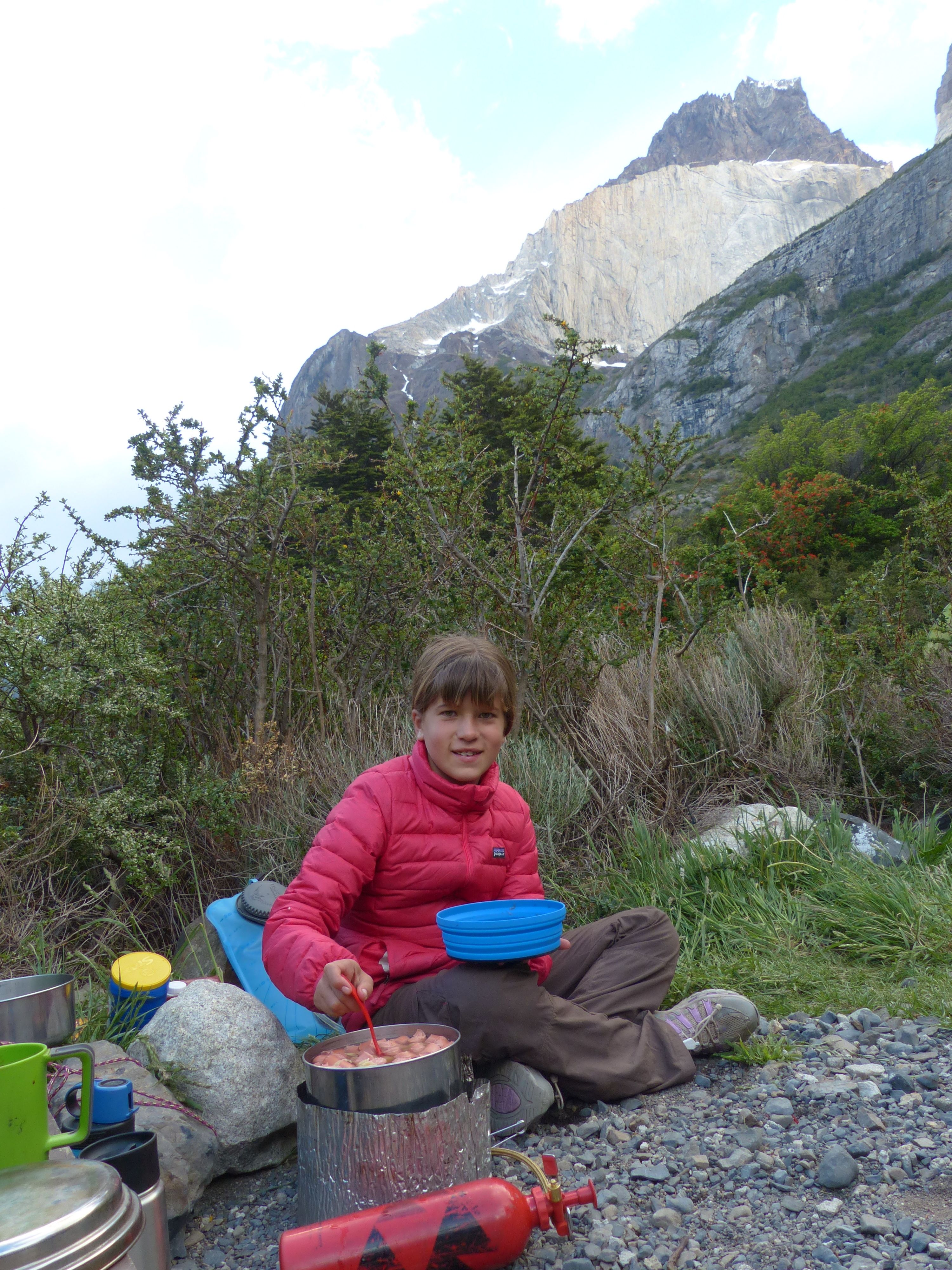
    My family and I have trekked through several different countries – Peru, Nepal, Chile, Ecuador and New Zealand – and food has been part of the fun. You might think that freeze dried food is horrible but it is really not bad and the lasagna is actually good once you unstick it from the fork. The same goes for local food. In Nepal, the momos, meat or vegetable filled dumplings, are tasty. Kids, I would watch out in Nepal, India and other Asian countries because you can never quite trust the ketchup and other condiments. They might be spicy or not quite what you were expecting.

    Cooking mac and cheese in the Torres
    Cooking mac and cheese in the Torres

    When you are on the trail, candy that tastes really good to you is important to keep you going. Mentos or some other kind of small candy to pop in your mouth when you feel tired has really helped my brother and I keep going.

    Fun

    I really love to read and draw so I brought a book and a pad of paper which helped the time at camp go by more quickly. We also brought our iPads and a pair of ear buds to listen to music or a story.

    Sometimes days are long
    Sometimes days are long

    Every trek has at least one or two really hard days and my brother and I do some of these things to help us through. Mac and I like playing a computer game called Mine Craft so we spend a lot of our trekking time planning what we are going to build or do. Another thing I do is practicing my spelling words or multiplication tables.

    One of the things that I found while trekking is that even if you give up your feet will just keep moving. When this happens it feels like your brain has shut down and you are moving on autopilot. I also like picking a bush and just making it to that bush and then I say good job to myself and pick another goal. When the trail looks endless, this keeps me going.

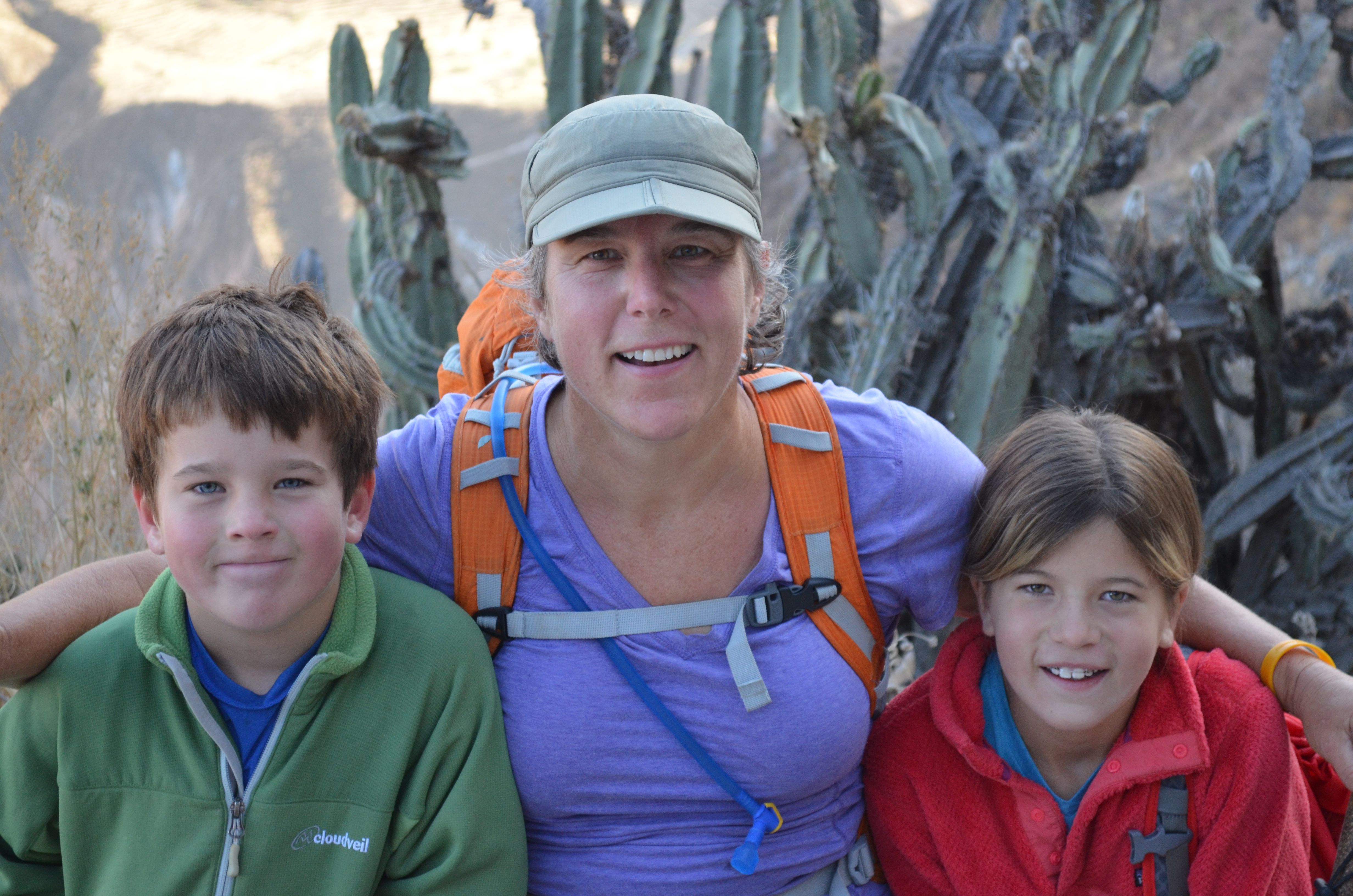
    At the top of Canyon del Colca
    Near the top of Canyon del Colca

    On this crazy trip we have trekked Colca Canyon, The Inca Trail, Torres Del Paine, The Fitz Roy, Mustang, part of The Annapurna Circuit, The Whanganui and the Routburn-Greenstone Circuit. After many kilometers of walking, I have found that a positive attitude is critical and having the right combination of fashion, food and fun makes it more enjoyable.

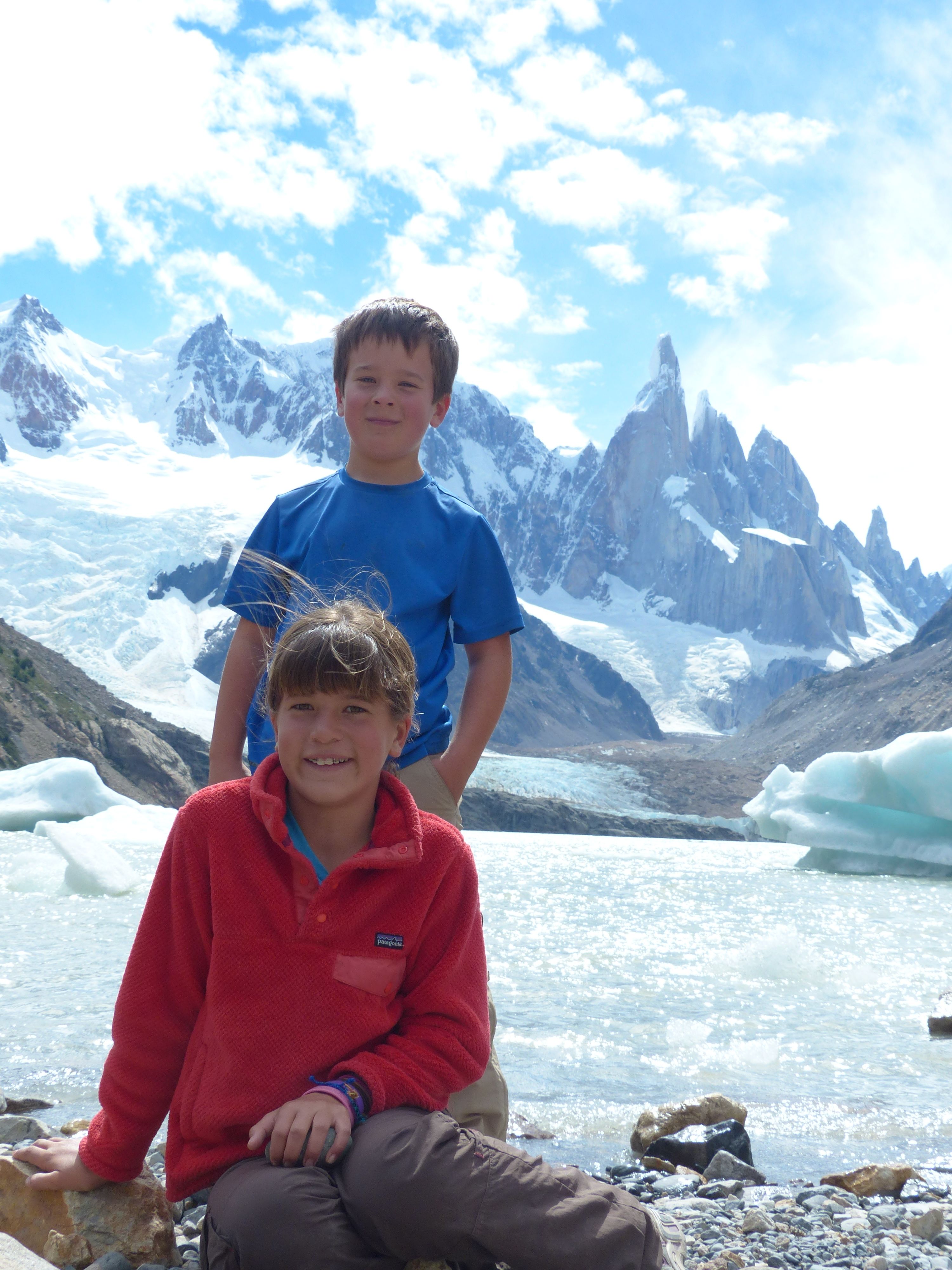
    Mac and me at FitzRoy
    Mac and me at FitzRoy
  • The Most Perfect Week Ever

    Skills session in the pool
    Skills session in the pool

    Traveling is different than vacation.  Vacation is for relaxing and having “down time”, but traveling is  hard work.  Yes, it great fun and there is little else we would rather be doing, but at least the way we travel, it is also a lot of work. We need to have an idea of not only where we want to go and what we want to do, but also how to get there, what is needed before we get there (i.e. visas, plane reservations, arranging for a car to meet you at the airport, etc.), where to stay, where to find food, what the best activities are, etc.  On top of the travel, we must try to conjure up something for Christmas, homeschool our kids and still keep up with our regular duties (i.e. preparing for taxes in not too long, making sure our renters are not having any problems in the houses, etc.).  As the Count says in the Princess Bride, “I have a marriage to plan, my wife to murder, and Guilder to frame for it.  I’m booked!”

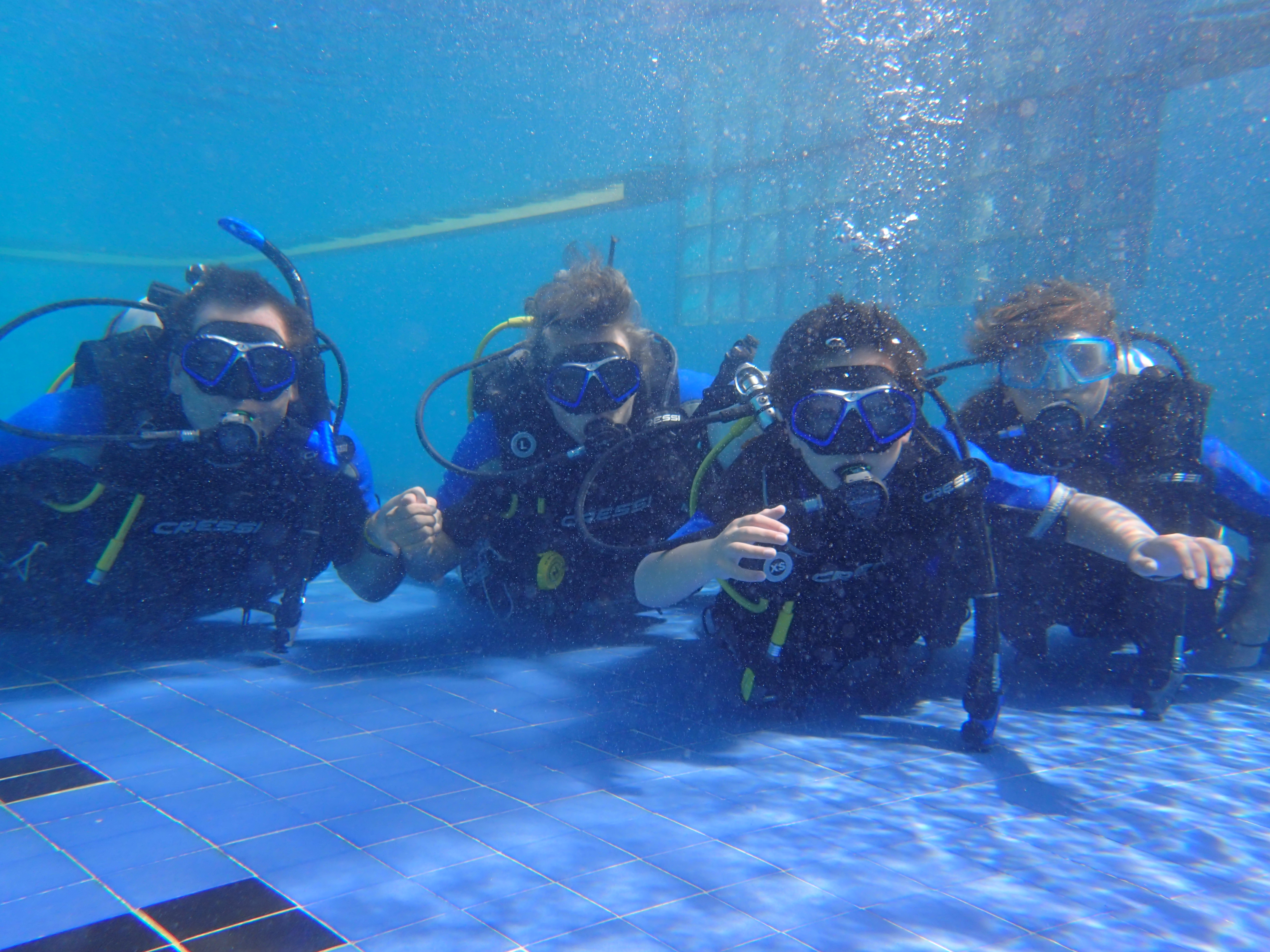
    All OK underwater
    All OK underwater

    After traveling for the better part of a year and a half, we were incredibly tired, the kind of tired where you don’t want to get dressed all day and just want to eat ramen and cold pizza.  We didn’t want to have to think about where to go for dinner, what restaurant would have food which was not too spicy for the kids to eat, worry about them getting run over by motos and taxis every time we left our hotel/apartment/room, etc.  We just wanted to relax for a while and catch our collective breath.  The first place we thought of was Thailand.  Colburn and I had gone to Thailand as we ended our last Asia trip in October of 2001.  We really enjoyed the ease of travel, the amazing food, and the very kind people we met during that trip.  It is also a great place to “splurge” without breaking the bank as the dollar goes pretty far here.  We decided that Thailand would be where we would take a vacation from our travel.

    OLYMPUS DIGITAL CAMERA

    A quick internet search landed us with a phenomenal rental villa on a relatively quiet island, Ko Lanta.  Unlike its much busier neighbors, Phuket and Ko Phi Phi, Ko Lanta was not wiped out by the 2004 tsunami and has retained its laid back beach vibe despite significant growth in the past few years.  To be certain, there are full moon parties, new moon parties, half moon parties and just about every other kind of party, but they are all very low-key in comparison to Phuket and Phi Phi.  The population of Lanta is largely Muslim, not Western, so tourism has not steam-rolled the local population as it has elsewhere.  It is also somewhat difficult to get to (2.5 hours from the nearest airport including two car ferries).  We found a great villa that was a huge splurge for us, but one that we thought we could afford given all the budget-conscious accommodation we had in Nepal and throughout Europe.

    Our welcoming towel sculpture.  There was a new one most every day.
    Our welcoming towel sculpture. There was a new one most every day.

    Arriving in the early evening just as the sun was setting, we were giddy with excitement as the villa was even better than we had anticipated.  Located up on a hill with endless views across the Andaman Sea, but only 5 minutes to the main beach area. It is spotless, modern and built with exceptional craftsmanship.  Fresh flowers, beautiful towel sculptures, and even a cold beer awaited our arrival.  We felt as if we had traveled to a different planet.  Definitely not a resort, but with all the conveniences of having a full staff, everything is handled for you by the owners, Luk and Ian, and their staff.  If you’d like dinner brought to the villa, just let them know what you want and they will get it take out from their favorite local restaurants then serve it plated in your villa.  Need dinner reservations or a driver for the day, no worries.  Everything was just perfect for us to relax.  We were enjoying having a beautiful, climate controlled, modern home so much that we didn’t even leave the house for the first couple days.  We had food brought in, caught up on sleep, played in the pool, did some school and watched videos.  We planned the second half of our year and made reservations.

    Lucia and Steve
    Lucia and Steve

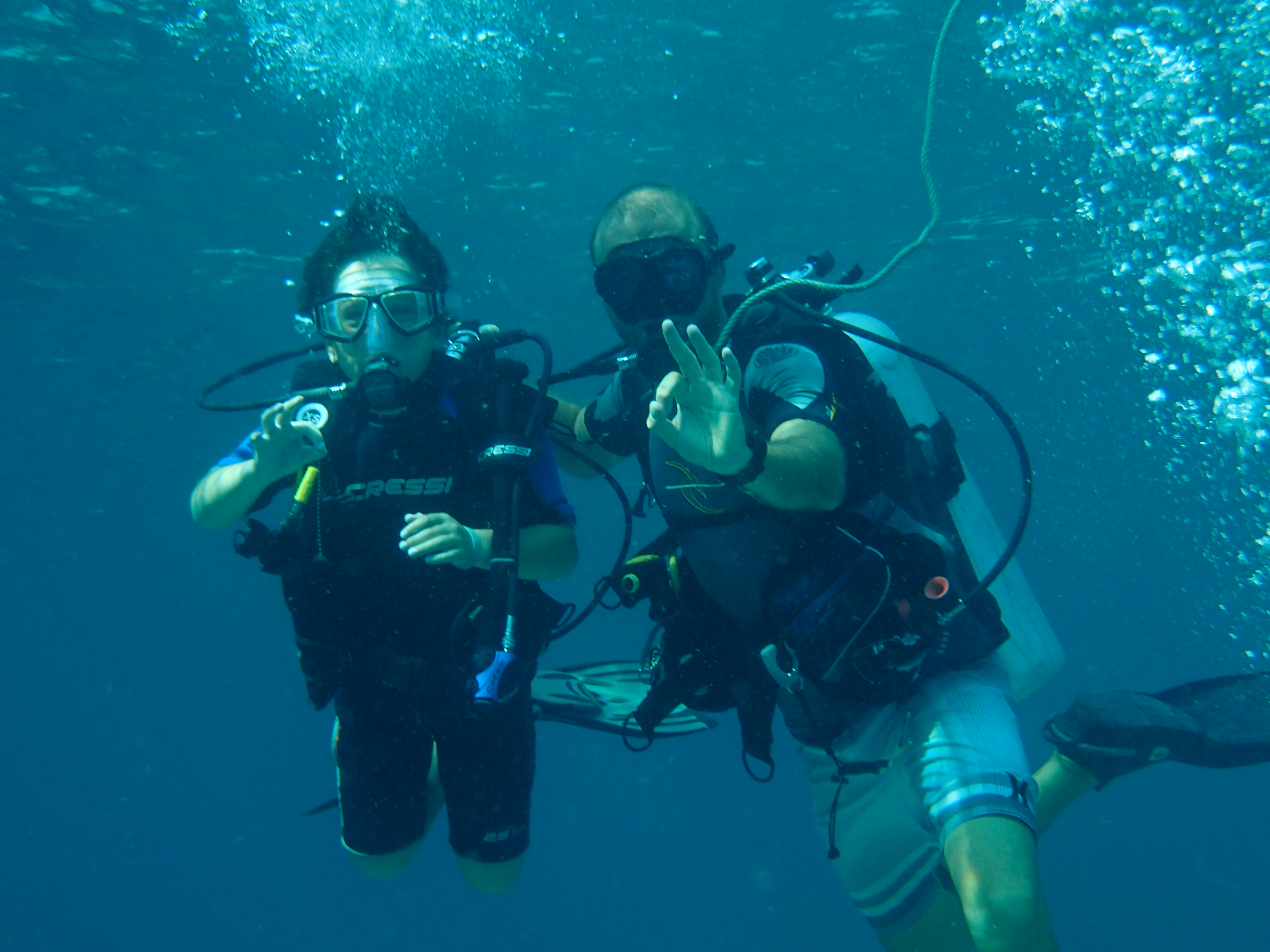
    Around day three we began to get a little itchy to do something other than sit around so decided to check out the diving scene.  We aren’t really scuba divers, but Colburn and I did do an open water course13 years ago which we loved. We just haven’t had the opportunity to do a lot of diving.  Our villa manager called their favorite dive shop and the manager tracked us down at dinner that night.  Lee was personable, relaxed, and seems like a really competent yet unpretentious guy.  He explained that it would only take a quick refresher to get the adults back up to speed and the kids could do kid-specific intro courses simultaneously – “bubble maker” for Mac (depth limit 2 meters) and “discover scuba” for Lucia (depth limit 12 meters).  Everyone was excited to try diving, so we signed up.  A bit nervous, we showed up at the dive shop the next day for our pool session.  When your 11 year old is going to be breathing under 12 meters of water for the first time, you want to make sure that you have confidence in who will be monitoring her safety.

    OLYMPUS DIGITAL CAMERA
    Mac and Harun

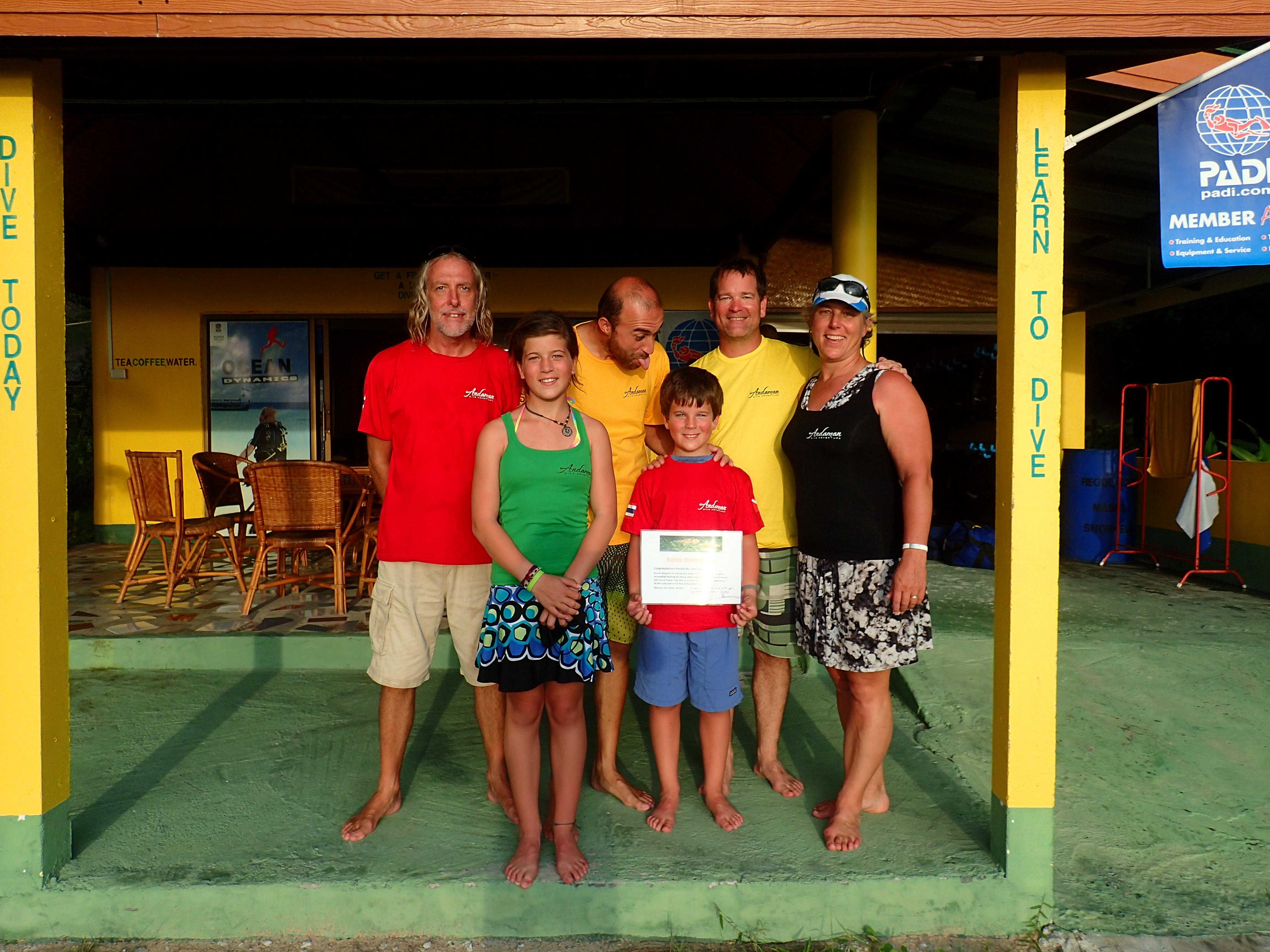
    Within minutes of meeting our phenomenal dive instructors, Steve and Harun, we all felt relaxed and comfortable about what we were going to do.  Both men are casual yet very professional, genuinely caring, and excellent teachers.  A quick review of essentials and some time practicing underwater skills like equalizing your ear pressure, clearing your mask of water and retrieving your regulator should it fall out were accomplished quickly.  Harun said that he knew the kids would be fine when he told them to watch his demonstration of regulator retrieval but instead of watching they copied him step for step as he was showing the skill.  As the lesson came to a close, he showed us how to blow bubble rings underwater, quickly creating a new obsession for us all.

    Bubble rings!
    Lucia working on her bubble rings

    The next day we headed out one of the local dive sites, Ko Haa, a collection of six small uninhabited islands about an hour and a half south west of our town.  Harun would be Mac’s buddy at two meters and Steve would dive with Lucia, Colburn and me a bit lower.  Our first dive together was wonderful.  Working our way along the edge of two of the islands along a relatively shallow ledge (15 meters) allowed us all to get used to the process while seeing heaps of reef fishes – three different kinds of puffers, the improbable box fish, scorpionfish, some barracuda, several moray eels (one of which was HUGE), and lots of others.  Both kids came up ecstatic, as were we.  On the boat with us were Tony and Chris, a wonderful couple from the Netherlands, who were as happy for the children’s success as we were.  The second dive was equally as exciting with Mac spotting two sea snakes, a crown of thorns sea star, and a very large grouper.  He has an eye for wildlife spotting and his talent showed itself underwater as well.  Tired, a little sun-burned, and incredibly happy we motored back to town completely at ease.  We had so much fun, we decided to do it again a couple days later with the same crew of people!

    OLYMPUS DIGITAL CAMERA
    At the end of our first dive together, very happy

    Beyond the joy of sharing a new experience with your kids, watching them explore the underwater world was wonderful.  Lucia said that, while she enjoys watching the wildlife, her favorite parts were feeling like she was flying through the water and playing with the bubbles as she moved along.  Like Mac, she has an eye for wildlife spotting, but seems to enjoy the whole process so even if there are not a lot of animals, she still thinks it is awesome.  Mac is now adding dive master to his list of possible career options and we can only guess what his perspective will be when he can go deeper than six feet.  Colburn and I have always wanted to do more diving, but with young kids, it was not a priority.  Now that we can enjoy it as a family, it will definitely be on our radar.

    Our group! Harun knew when to focus and when to be silly!

    As we came back to our lovely villa at the end of our second day of diving, we were elated by the combination of rest, activity, and having spent time with some incredible people.  This might be the most perfect week ever.

    Parent selfie underwater
    Parent selfie underwater
  • Road Tripping in the US

    Sylvia, Our Trailer
    Sylvia, Our Trailer

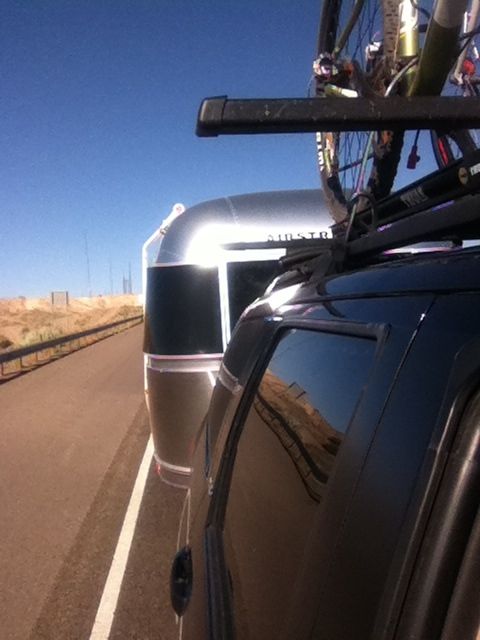
    For the past few years, Colburn’s family has arranged for all of the siblings to meet for a week or two of family time with either Granny on the Cape and Grandpa up in the Adirondack Mountains.  Some years we are able to do both, but we always try to make it for at least one week together.  These events have become an institution: cousins separated by a continent play together on the lake or in the ocean, siblings reconnect, and time is spent together as a family despite the geographic disparity of where we live.  As we planned our trip, we realized that we did not want to miss out on the annual get together, so were trying to be back in the US in time for the end of the July get-together.  When we decided that our trip would take more than a year, we committed to being back for the summer.  We knew that if we stayed in one place we would lose our travel mojo as it is much easier to be sessile in a comfortable location with your native language than it is to constantly work to understand the language and customs of foreign lands.  And so, the seed for a US road trip was born.  A couple months on the road with Sylvia, our trailer (yes, we named our trailer), would allow us to explore the US in a similar fashion to what we have done in other countries.  It would be a little bit of a rest break but we could visit some of the “must see” highlights of the US while enjoying relatively easy travel.

    Disneyland
    Disneyland

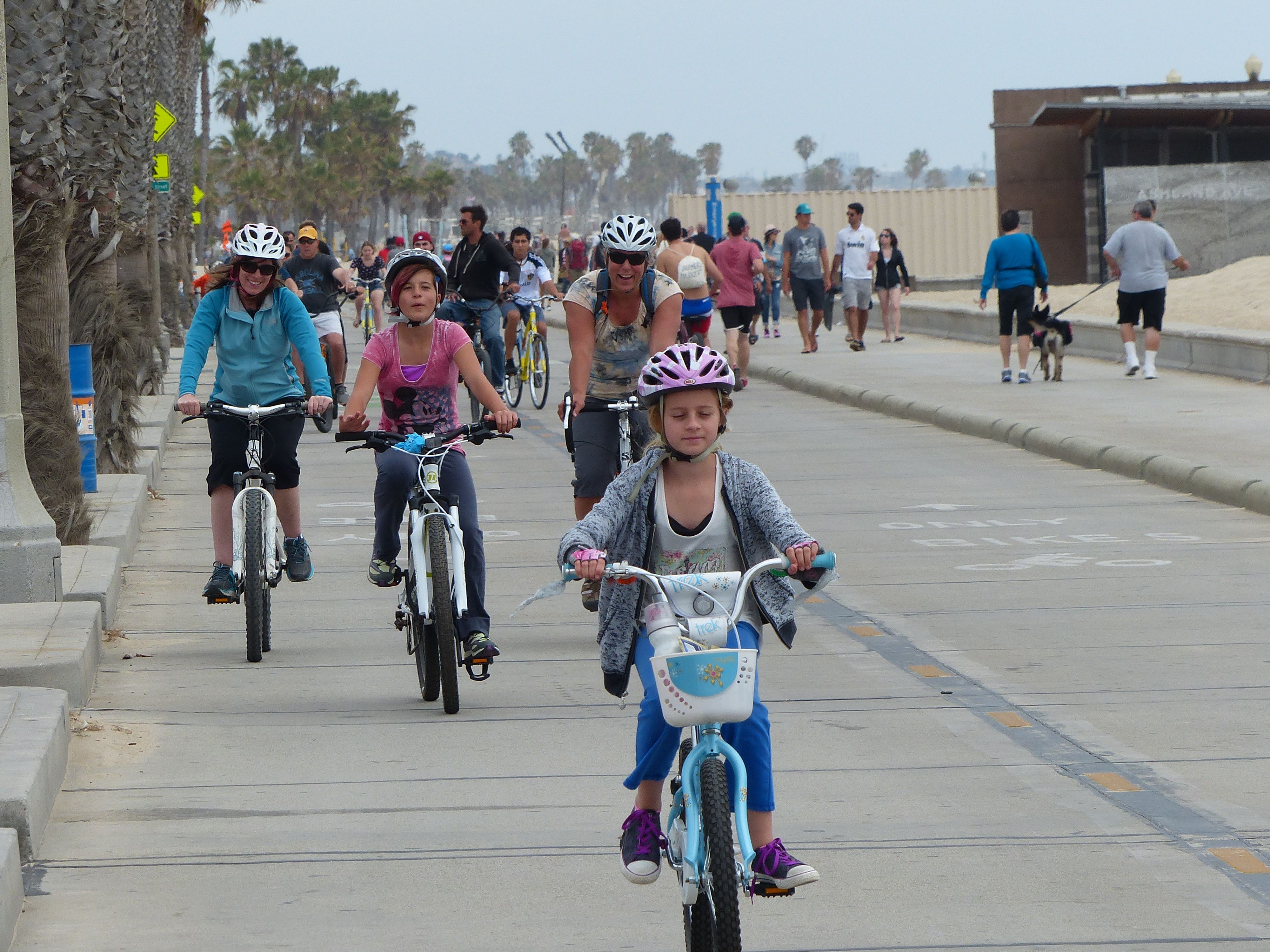
    When we were abroad, there were a couple activities that the kids really missed and we couldn’t find a suitable substitute.  Mac really missed riding his bike and few places rent kid-sized bikes.  In nine months, we tried several different times but could only muster one trip around a city park in Buenos Aires. Lucia really missed rock climbing.  Much like trying to find a Mac-sized bike, trying to find someone that was prepared to take kids rock climbing was challenging.  Sure, they can zipline lots of places, but no one had climbing available for anyone under 16. Interestingly, I didn’t realize that either of these things were really important to the kids, but it came up several times while we were traveling so we made sure we scheduled in climbing and biking time to our US itinerary as possible.

    LuciaIris
    Lucia on a Crack

    Our trip started in mid-May getting Lucia on the rock at Joshua Tree.  For several years we had tried to get there during spring break when the weather there is perfect, but the timing never worked out for us.  In the 1990s, I ran outdoor ed and climbing trips in Joshua Tree so remember well the challenges of trips planned too close to summer.  The heat can be oppressive.  You only have until about 10:30am to do anything then must to hole up in the shade until early evening. As intense as the midday sun can be, the nights are still gloriously cool. Even though when we went it was only mid-May, the 105 degree heat and blazing sun every day reminded me of why April is a better time to be there.  But, we pushed on and were able to work around the weather by climbing early and late in the day.  Mid-days were spent under the awning of the trailer doing school work and reading. Lucia loved the heat of the rock and used her sweaty determination to climb steadily more difficult routes.  One day as she reached the top of her climb, she said, “I have gone from liking rock climbing to loving it!  Sure it’s hot and sweaty, but I think I want to do this more when I get older!”  Now we ponder what her twenties will look like — and worry just a little that it might look an awful lot like ours!
    Pool Jumping
    Pool Jumping

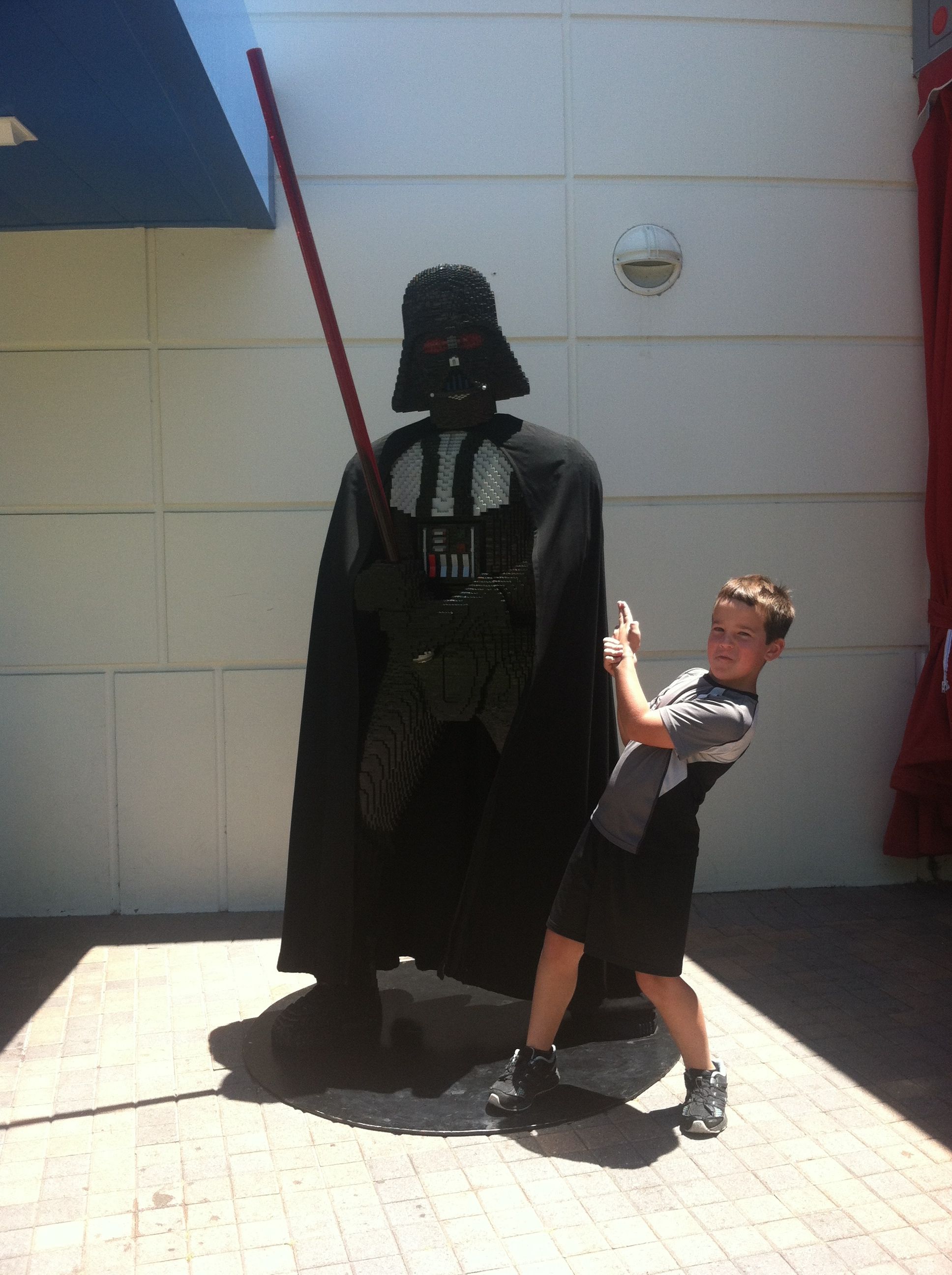
    After Joshua Tree, we headed to Los Angeles to do some theme parks (Legoland and Disneyland) and visit friends.  It was wonderful to catch up with old friends that are sorely missed.  The kids had three full days of playing with some of their best friends in the whole world, our old neighbors from Reno.  Picking up as if they had never been apart, the kids realized that true friendships survive months and miles of separation and spent the entire weekend engrossed in their play.  In fact, we rarely saw them unless it was meal time!

    Biking on Venice Beach
    Biking along Venice Beach
    Hanging With Friends
    Hanging With Friends
    Darth Mac-ius
    Darth Mac-ius

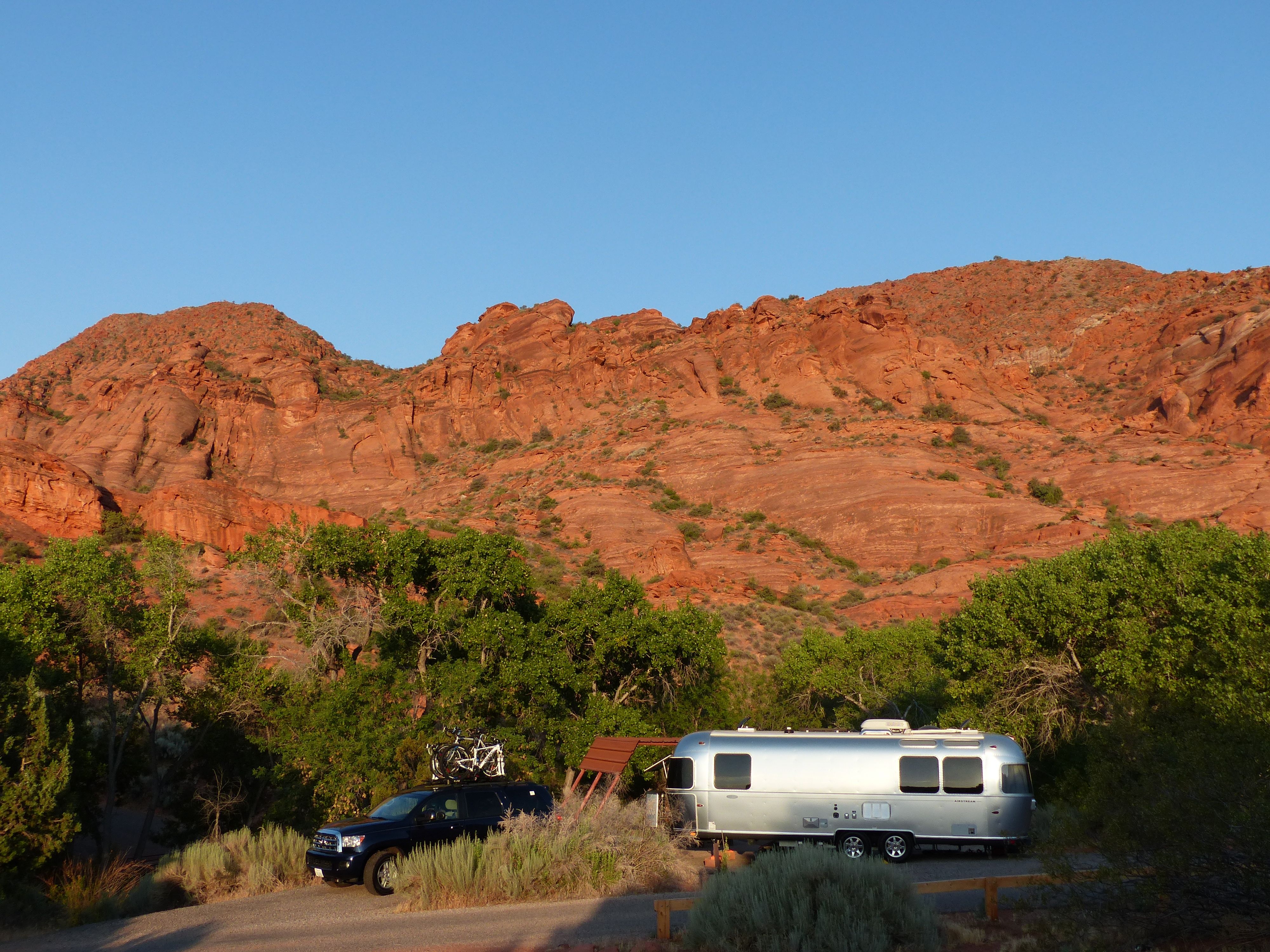
    Next we headed to Utah and Arizona for some Southwest fun.  Mac had wanted to do more biking, so we planned on a few mountain bike trips.  First was the St. George area, a fabulous biking and hiking spot in southern Utah.  Red rock formations, slot canyons, and great mountain biking trails kept us busy for an entire week.  The kids are really just getting their legs underneath them in terms of mountain biking and it was amazing to watch them progress on each ride.  Gooseberry Mesa (just outside of Hurricane, UT) has lots of interconnecting trails of varying length and difficulty so you can create any type of ride you’d like.  It is also substantially cooler than in the valley so provided a nice break from the heat.  The area also has beautiful  slot canyons to explore.  Our favorite was actually at our campsite (Red Cliffs) – perhaps a 20-30 minute walk to a series of swimming holes and waterfalls to explore.  Unfortunately, we lost our camera with all the beautiful slot canyon and water pictures on it, so can’t share the images.  Great fun was had by all we highly recommend this to anyone interested in biking and hiking.

    Red Cliffs
    Red Cliffs
    Kanara Creek
    Kanara Creek

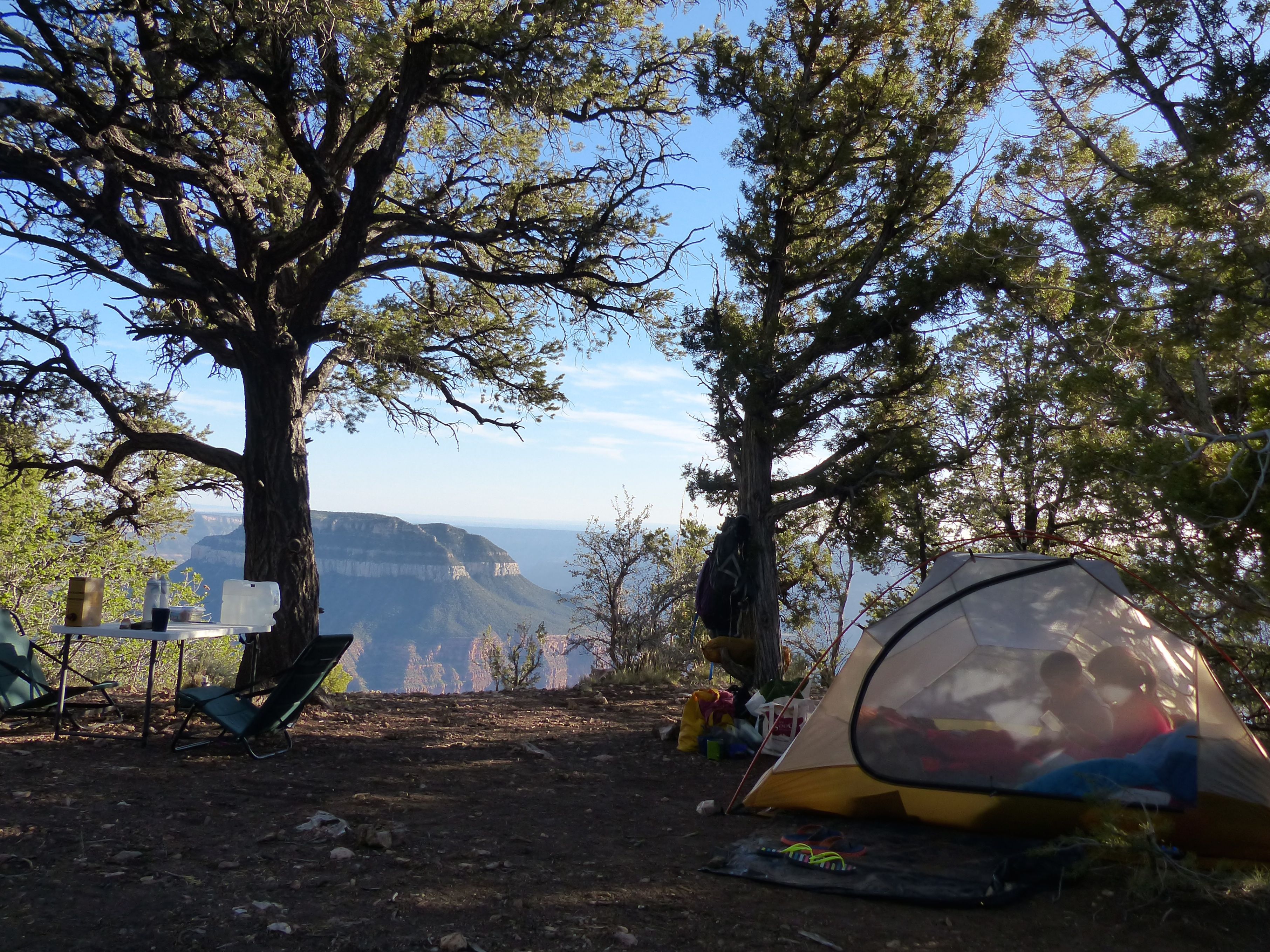
    Continuing our Western adventure, we headed to the North Rim of the Grand Canyon to ride the Rainbow Rim trail.  This place was AMAZING!  Having rafted down the Colorado twice and hiked both in to and out of the canyon, I have a soft-spot for the quietness and solemnity of the place.  We had originally planned to stay in the Park on the north rim and pedal around the trails there when we found out about the Rainbow Rim Trail just outside of the park on National Forest land.  The trail itself is 18 miles of intermediate level terrain that parallels the canyon rim.  Vistas in to the canyon are only had at one of the five points you bike across, but whoa, are they beautiful!  Perhaps the best part was that we were able to do some wild camping right on the rim overlooking the lower Canyon.

    Rainbow Rim Trail Camp
    Rainbow Rim Trail Camp

    We had the place to ourselves, literally not another soul around except for the bikers during the day.  As with the St. George area, if you are at all interested in this type of experience we highly recommend it.  The only caveat I would provide is that the trail is really an intermediate one with a few sketchy areas (think scree slope crossing that dumps over a 100 foot cliff or sharp downhill turn that if you miss you’d go over a cliff in to the canyon) so is not one for newbie mountain bikers.  There were a couple times we held our breath as the kids negotiated these challenges, but in the end they did fabulously and we had a lovely time.

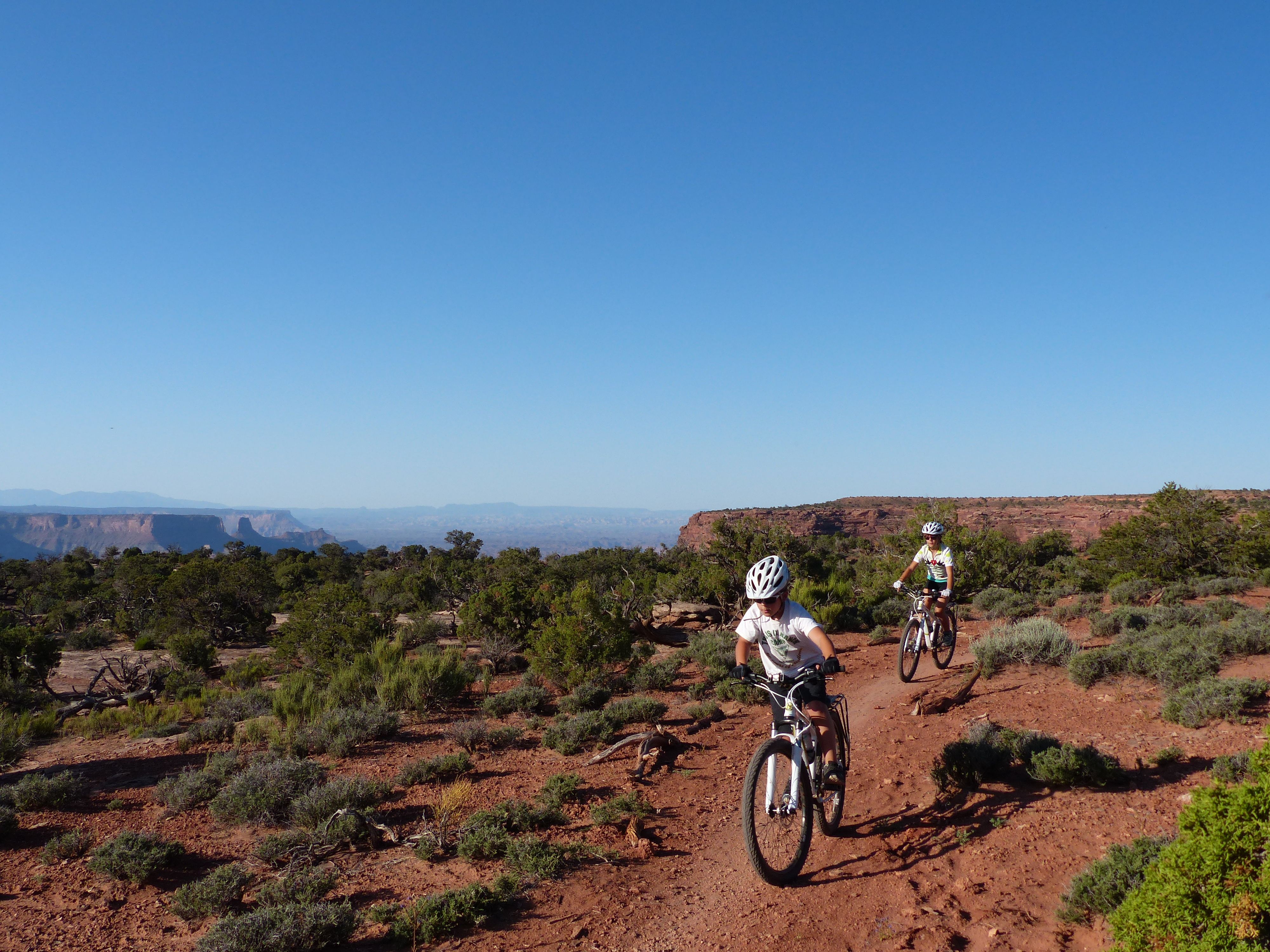
    Biking at Canyonlands/Moab
    Biking at Canyonlands/Moab
    On the rim of Canyonlands
    On the rim of Canyonlands

    It was hard to beat our experience at the Grand Canyon, but Moab gave it a good run.  Moab truly is an outdoor heaven.  We stayed in a commercial RV park right in Moab so we could have air conditioning, power, and an easy stay thus giving us more energy to explore the surrounding areas.  We biked in the mornings and climbed in the afternoons.  As with Joshua Tree, mid-days were spent doing school in the comfort of an air conditioned trailer.  Both kids mastered going over 12-18 inch ledges, learned to shift on the fly and rarely put their butts on the saddle.  Mac is a truly gifted mountain bike kid — and is fearless when it comes to down-hilling — which also makes us wonder what his twenties will look like.  He was confidently going down stuff that I was hesitant to do.  Lucia, on the other hand, was again completely in her element on the rock.  Sweaty and dusty, she would beg us to stay longer so she could do, “just one more route, Daddy!” every evening.

    Lucia's First Lead
    Lucia’s First Lead

    By the end of the week she wanted to lead her first climb.    Colburn and I looked at each other wondering if 10 years old was too young, but we were confident that she could do it because she had easily done the route a couple times so we said, “Go for it!”  Although she got a little tweaky mid-climb, she completed it with her usual understated grace.   We couldn’t be more proud of our kids.  Not just for what they do, but also how they do it.  Each time we present them with a challenge, they seem to step up to it without much hesitation.  They know what we ask them to do is sometimes “scary” and “difficult” but that we won’t let them auger unnecessarily.  We mitigate the risks and recognize when it’s “too much”.

    Mac's Climbing Attitude
    Mac’s Climbing Attitude

    In reading blogs of families that travel, one family that bicycled with their kids from Washington to the tip of South America provided the advice to “never ever underestimate what your kids can do”.  When I went on a 9 mile, 2400 foot vertical “Third Grade Hike” with Lucia’s class I couldn’t believe that the whole class did it without even one whimper.  We saw it again when we were trekking in South America and now again here.  Kids can do much more than we think they can.  The lesson has now sunk in – never, ever, underestimate what your kids can do.

    GI Colburn
    GI Colburn at the WWII Museum
    Debbo the Riveter
    Debbo the Riveter

    From our outdoor adventures in the West, we made a bee-line for Tulsa and the Woody Guthrie Center to begin our “Civil War to Civil Rights Tour”.  Chronicling his life, music, and art, the Guthrie Center has a mix of his music and artifacts as well as a broader presentation of the importance of his music to society.  It provided a very informational and inspirational start to this part of our trip.  The Guthrie Center was followed up by the National Civil Rights Museum at the Lorraine Motel in Memphis (where Martin Luther King Jr. was killed).  An incredibly interactive experience, the kids really got an idea of how the Civil War did nothing to assure equality and that the struggle continued with great consequences for more than 100 years.  They recognized some of the parallels to the race relation issues we learned about and witnessed first hand when we were in South Africa.  The concept was reinforced when we went to the World War II Museum in New Orleans (which is also a fabulous and interactive experience) and they listened to the stories of soldiers, especially African-American soldiers.  We can whole-heartedly recommend all three places for an interesting and educational experience with kids.  The discussions that followed were pretty interesting.

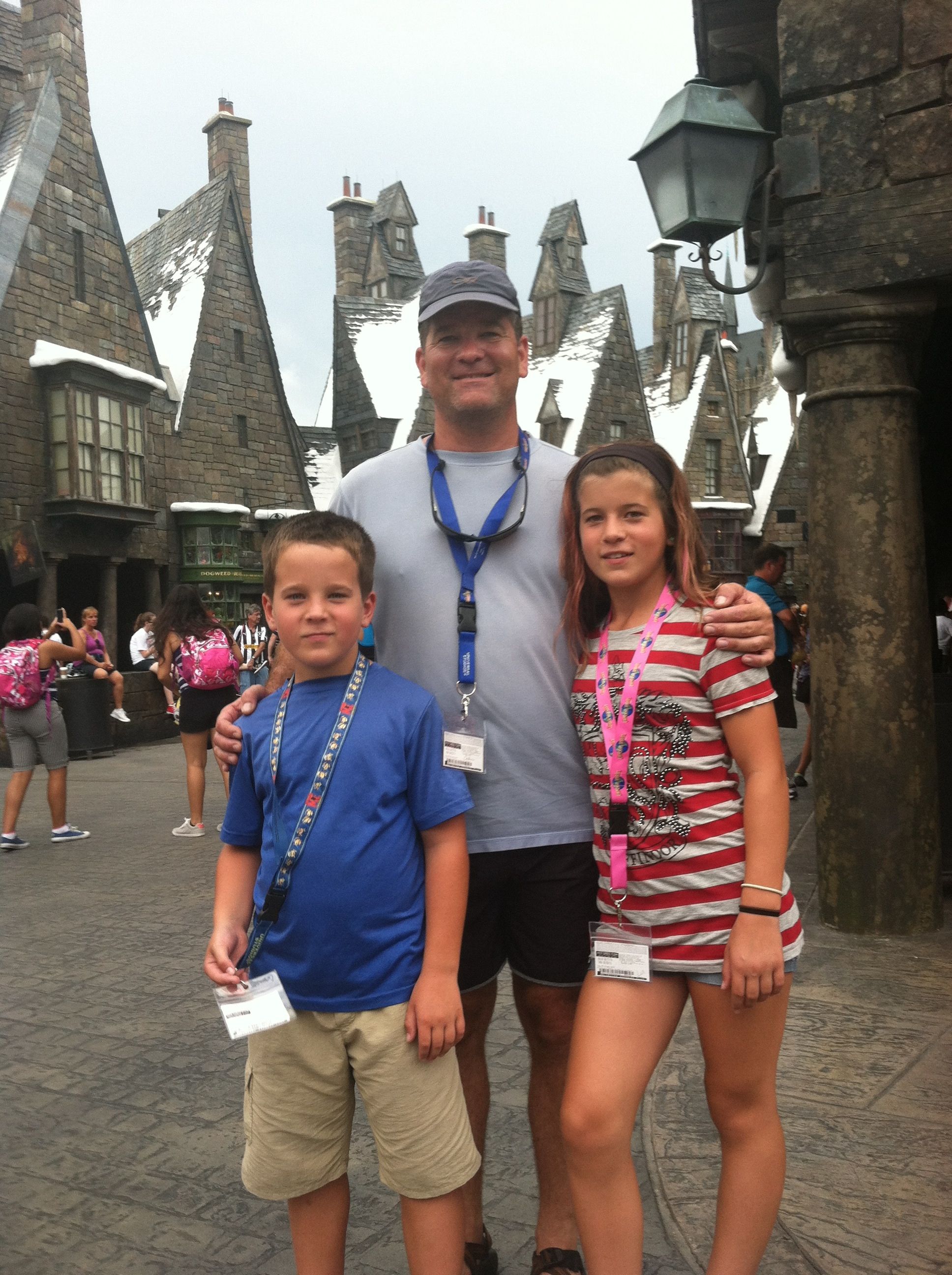
    The Shindell's at Hogsmeade
    The Shindell’s at Hogsmeade

    After so much focus on “learning” and “education” we headed to The Wizarding World of Harry Potter – one of the relatively new sections of Universal Studios Orlando.  As big fans of the books and movies, it was almost a pilgrimage for us.  There is a replica Hogsmeade village complete with HoneyDukes, the Three Broomsticks and butter beer, a reality ride that begins with the line wandering through the different parts of Hogwarts, and the opportunity to have a wand choosing session at Olivander’s among other things.  We were engaged for several days – even as adults.  Although we missed the opening of the new Diagonally section by less than a week, we thoroughly enjoyed the theme park experience before visiting with family for the remainder of July.

    ADKFun
    Adirondack Fun

    Eleven weeks and more than 10,000 miles later we made it back to the California/Nevada area to get ready for the next leg of our trip – biking the Rhine.  We didn’t realize it when we were planning the US adventure, but perhaps the greatest benefit of road tripping in our trailer is that we wouldn’t have to pack up and schlep our bags every day.  We had a home and all of our stuff with us without having to move in and out all of the time.  If you are not in constant motion, it may seem like a little thing, but the sheer process of packing up and moving is exhausting with frequent repetition – absolutely exhausting – and we only used carry-on sized bags when we were abroad!  We we were able to experience a great cross-section of Americana; from an incredible wilderness campsite by ourselves  on the rim of the Grand Canyon to truck stops/Walmart parking lots in the south and lots of places in between.  Great fun!

    Camping in the Walmart Parking Lot
    Camping in the Walmart Parking Lot in Okalahoma
  • The End of Six Months in South America

    We have been on the road in Central and South America for six months.  As we are wrapping up this phase, we wanted to reflect upon what the trip has held for us so far.  South America has been a grand adventure – trekking, rafting, snorkeling, zip-lining, hiking, surfing, etc.  We have experienced a range of situations that have tested our limits.  We have navigated our way through an entire continent in a different language, not always smoothly, but we’ve done it.  We have learned what we need to stay happy on the road and just how little stuff is actually necessary.

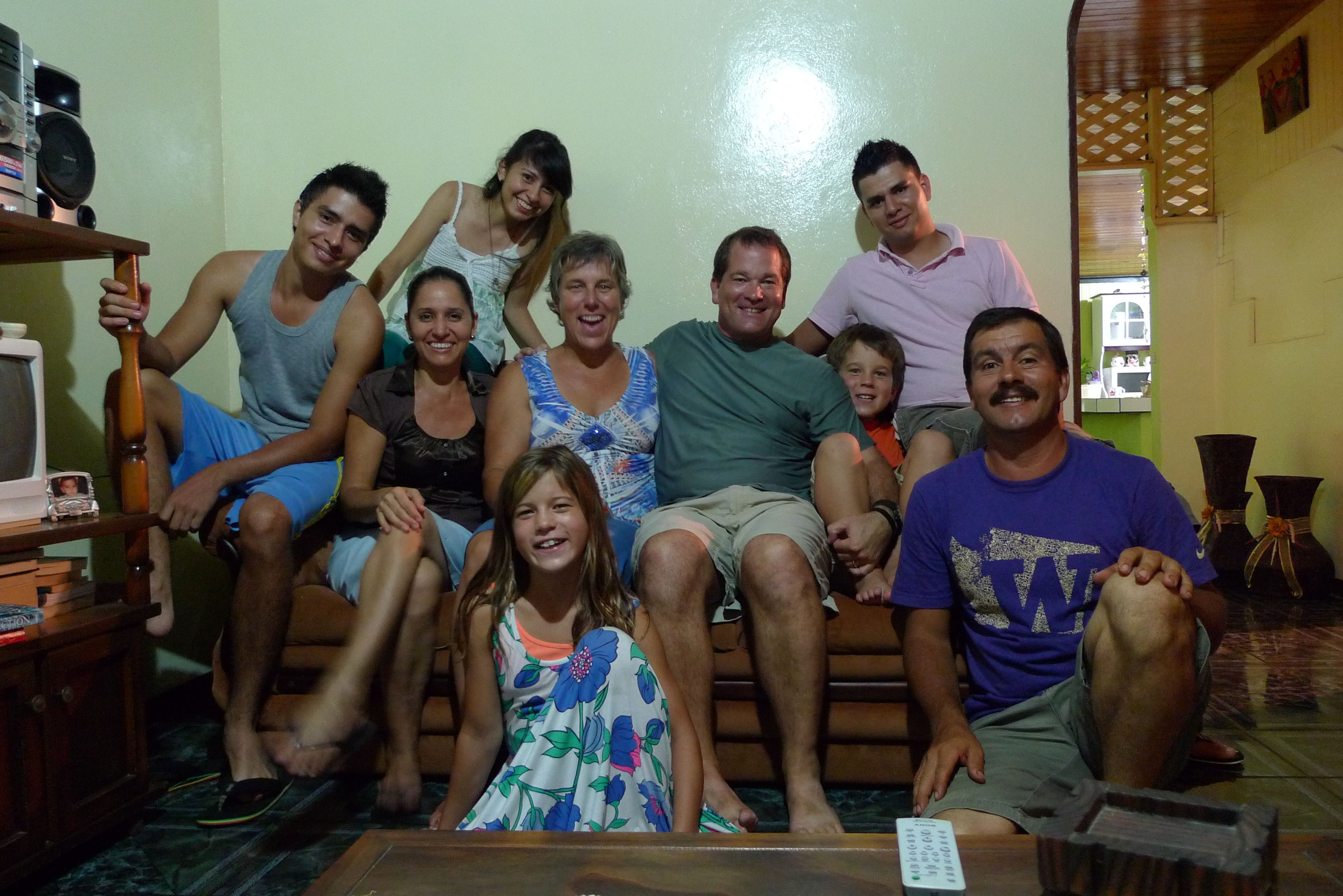
    Retana-Miñoz Family
    Retana-Miñoz Family

    Many people ask us which country we have liked the best.  Unfortunately, this is somewhat like asking you which child you like best.  It is not really possible to say that we liked one better than the other, but we have enjoyed them for very different reasons.   In Costa Rica and Nicaragua, we enjoyed the ease of travel and wild life.  Spending a week at Proyecto Asis and with the Retana Munoz family, our homestay family was an amazing experience.  Rosi and her family were gracious, patient, and made us feel completely at home living with them.  Taking Spanish lessons with Danielle and Yalitza gave us a foundation for making our way through the language.  Working with and learning about peccary, capuchin monkeys, macaws, and a whole host of other animals provided us with first hand knowledge of the challenges which face the animals in the wild we were to see later in our trip.  We enjoyed it so much that we are thinking about going back there at the end of this summer – “one year later” – to see how our perspective has changed.

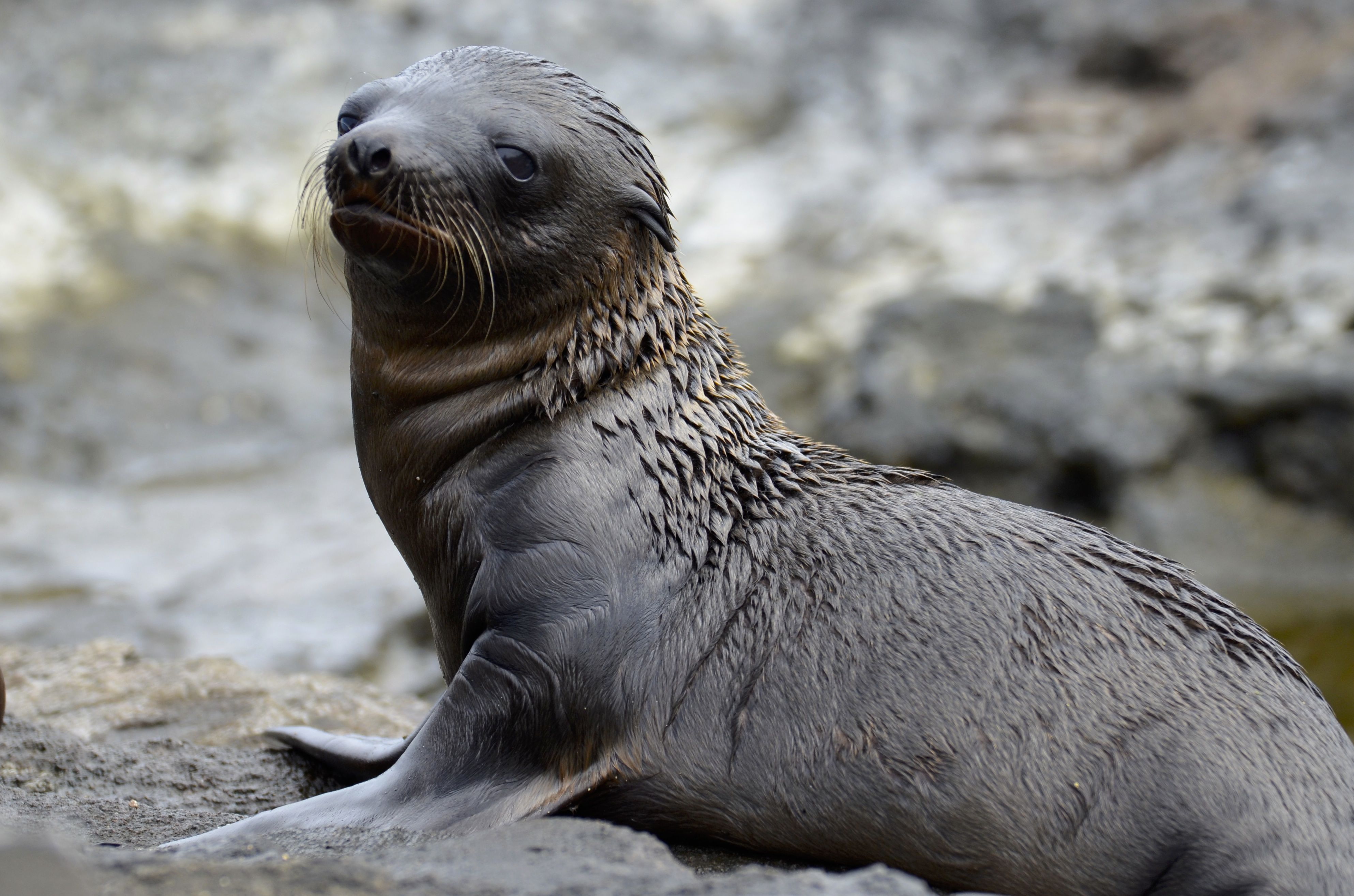
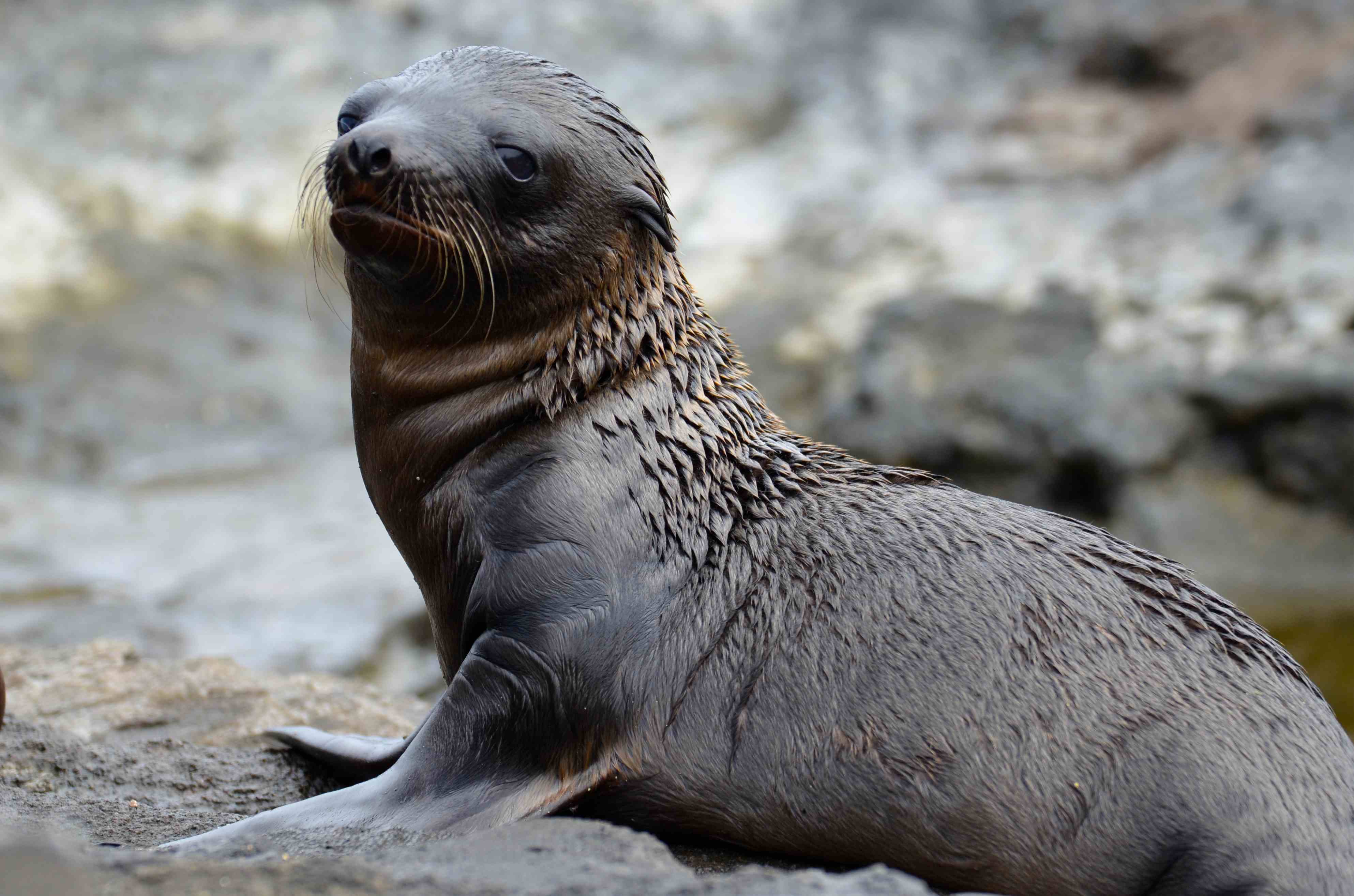
    Infant Sea Lion
    Infant Sea Lion

    Ecuador held Quito, the Galapagos, and Otovalo; each quite different from the other but creating a very well-rounded experience.  The Galapagos will always hold a special place in our hearts as you can interact with wildlife in a way that is not possible anywhere else on Earth.  Playing in the ocean with sea lions produces a giddiness that is not often experienced as an adult.  Watching marine iguanas climb out of the sea to bask on the black lava and expel excess salt out of their nostrils is seeing life on our planet before hominids began to dominate everything.  Listening to the scratch and scrape of a giant tortoise as it hauls its shell over the rocky landscape reminds us of how resilient life is, and how fragile.  We had enough time (four weeks) on the Galapagos to feel like we really got to know the place.  Quito and Otavalo were our first introduction to the Incan influence, but it was subtle.

    Celebrating Success
    Celebrating Success in Peru

    Our experience in Peru was very different from Ecuador.  Yes, the landscapes are similar, but what we paid attention to was much different.  With the Incan influence clearly visible everywhere, we learned more about the history and culture than flora and fauna.   The stark beauty of the Colca Canyon and the wonderful hospitality of our host family and guide left us feeling as if we were truly welcomed there, not just a paying passenger.  In contrast, Titicaca and Ollanta left us feeling as if we were simply a commodity; something to be exploited for every dollar possible.  Although it was quite disturbing, we became aware of just how damaging tourism can be for a culture, a necessary awareness when traveling abroad.  We are now even more diligent in making sure that we give our dollars to organizations that do not damage and exploit the culture or the people solely for profit.  Our time in the Amazon was amazing – the raucous calls of the macaws flying overhead, the peculiar odor of a peccary approaching, the grace of the monkeys launching from tree to tree – will always be remembered.  Hiking our way to Machu Picchu was a more of a pilgrimage than a trek, allowing us to glimpse the spiritual side of Incan culture as well as a fantastic experience.

    With Granny and Jean and Our Argentine Family
    With Granny and Jean and Our Argentine Family

    We have enjoyed Argentina for our time with family, the absolutely jaw-dropping landscapes and the availability of fabulous wine and scrumptious grilled meats everywhere.  Being able to spend the better part of a month with Colburn’s Argentine family has been a true gift.  We have been with them long enough to able to see in to their life in a way that is not possible with a one or two week visit.  They have welcomed us with such grace and kindness that we have felt as if we were in our own home, not visiting.

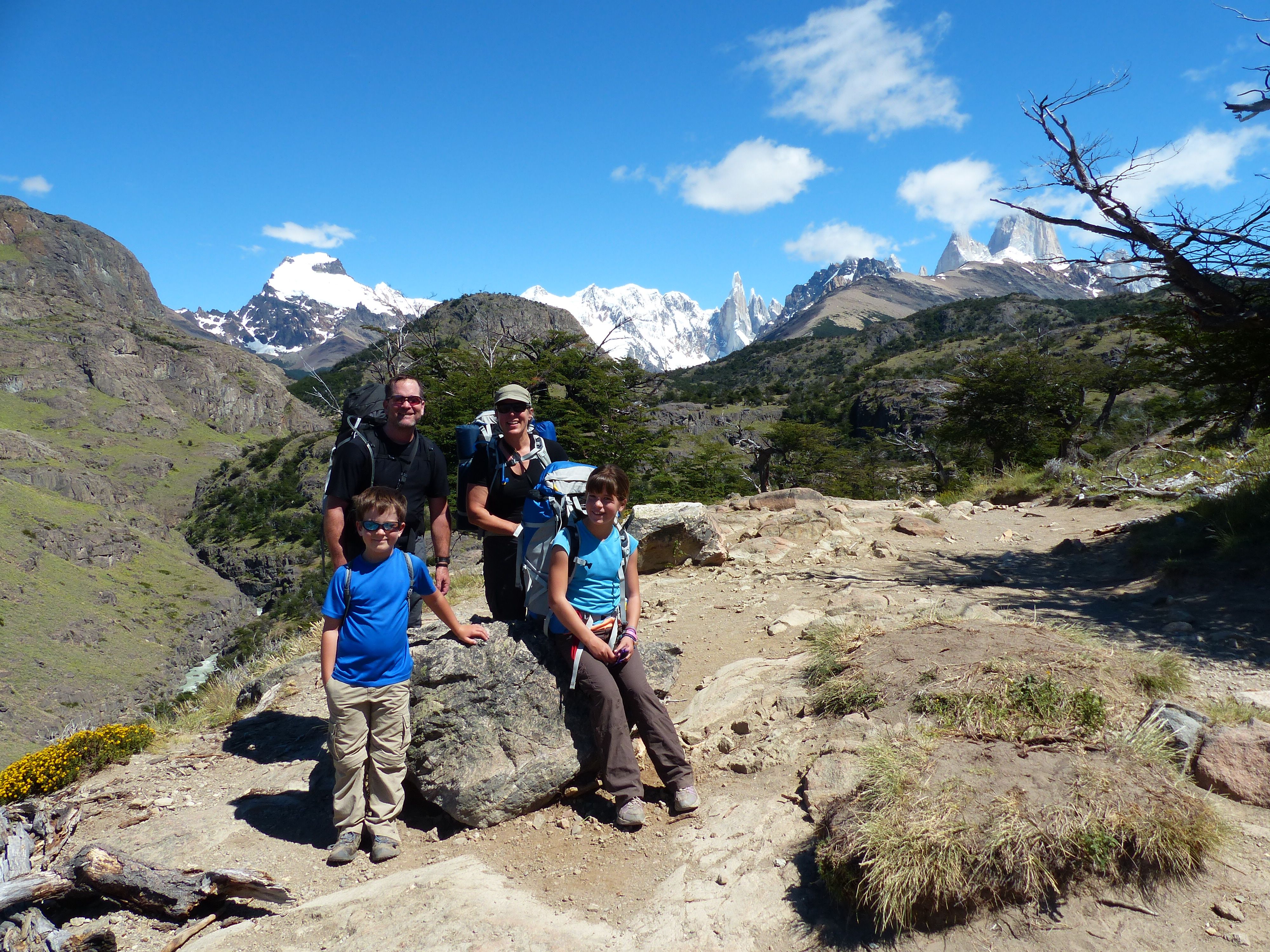
    Near El Chaltén
    Near El Chaltén, Southern Patagonia

    Going to Southern Patagonia was like finding the place we have always wanted to be. It is mesmerizing and might be like what the American West was before super highways and strip malls.  We know we will be back to Patagonia, so when we left it was hasta luego not adios.

    Hot.  Sweaty.  Waiting.  Puerto Maldonado Peru.
    Hot. Sweaty. Waiting.  Leaving the Amazon, Puerto Maldonado Peru.

    Beyond simply visiting interesting places, our travel has changed each of us individually and also as a family unit.  Individually, we are each now more gentle with ourselves and others.  Our expectations for everything going as planned has diminished considerably since leaving the US.  Repeatedly experiencing extended periods of waiting for an unknown outcome and the feeling of being lost as we try to navigate our way through unmarked routes in foreign lands has taught us that most people are really quite helpful and a sense of humor about pretty much everything is essential to successful travel.

    An Indication of the Future  (translation - the road is in a bad state)
    An Indication of the Future
    (translation – the road is in a bad state)

    When Deb left her wallet in a taxi in Peru, the driver came back to the airport and found us to return it with everything still in it.  When we were having trouble getting the rental car company to do anything about our car that wouldn’t start, the gentleman at the hotel desk became our valiant defender summoning a tow truck within 15 minutes.

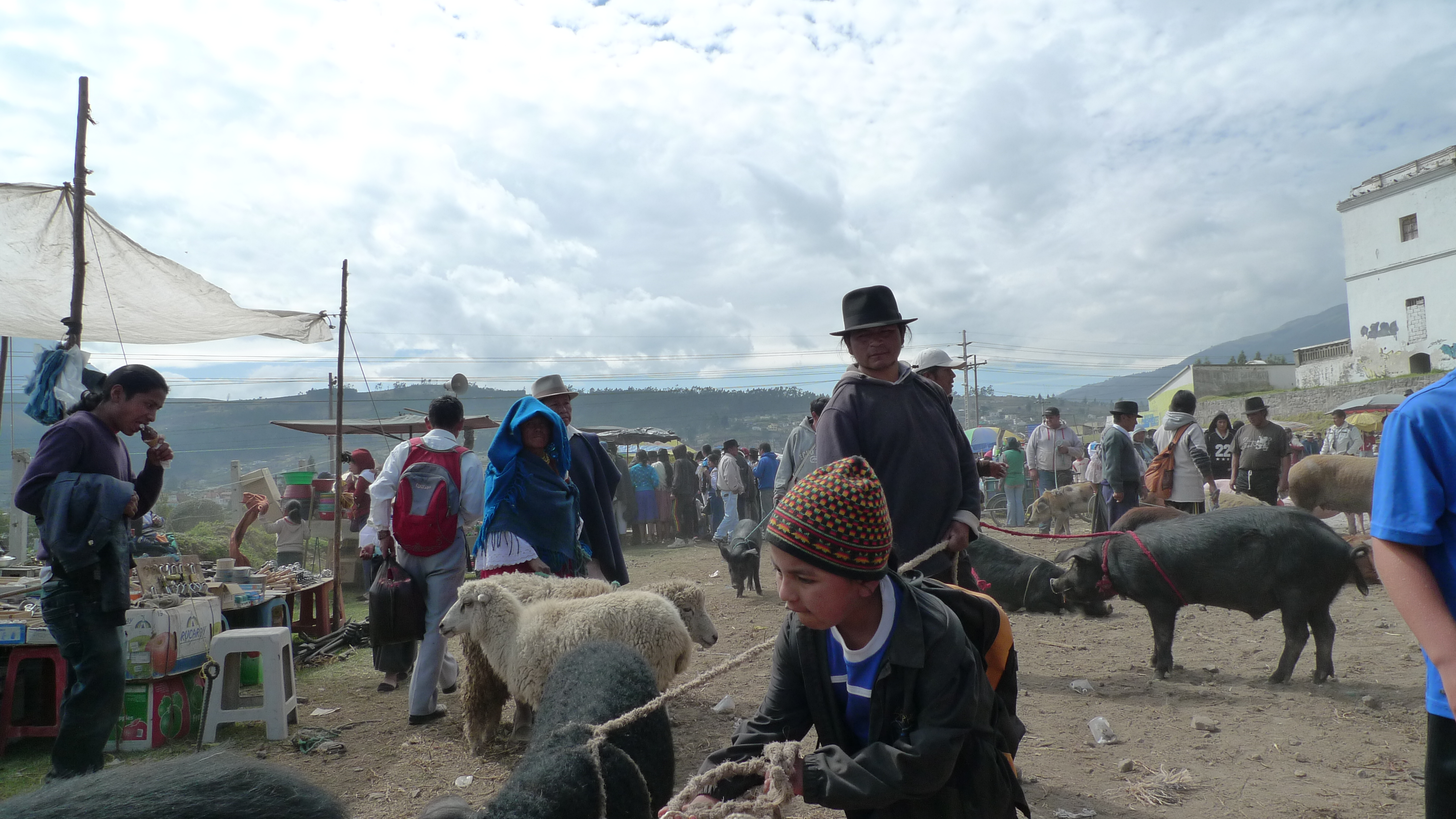
    Animal Market, Otavalo
    Animal Market, Otavalo Ecuador

    We have seen first hand the struggle to survive that both people and animals experience when their world is not abundant.  This has given us a greater awareness of how our individual actions at home impact people, places and animals unseen to us.  Discussing the loss of habitat in Costa Rica lead to a discussion about us decreasing our consumption of animal products and the illegal pet trade.  Seeing the ecological impact of large-scale agriculture for export has made us more aware of our choices when fruits and vegetables in the US are imported from the Southern Hemisphere.   Learning about the long-term effects of colonization, oppression, and exploitation has made us more aware of the freedoms we take for granted.

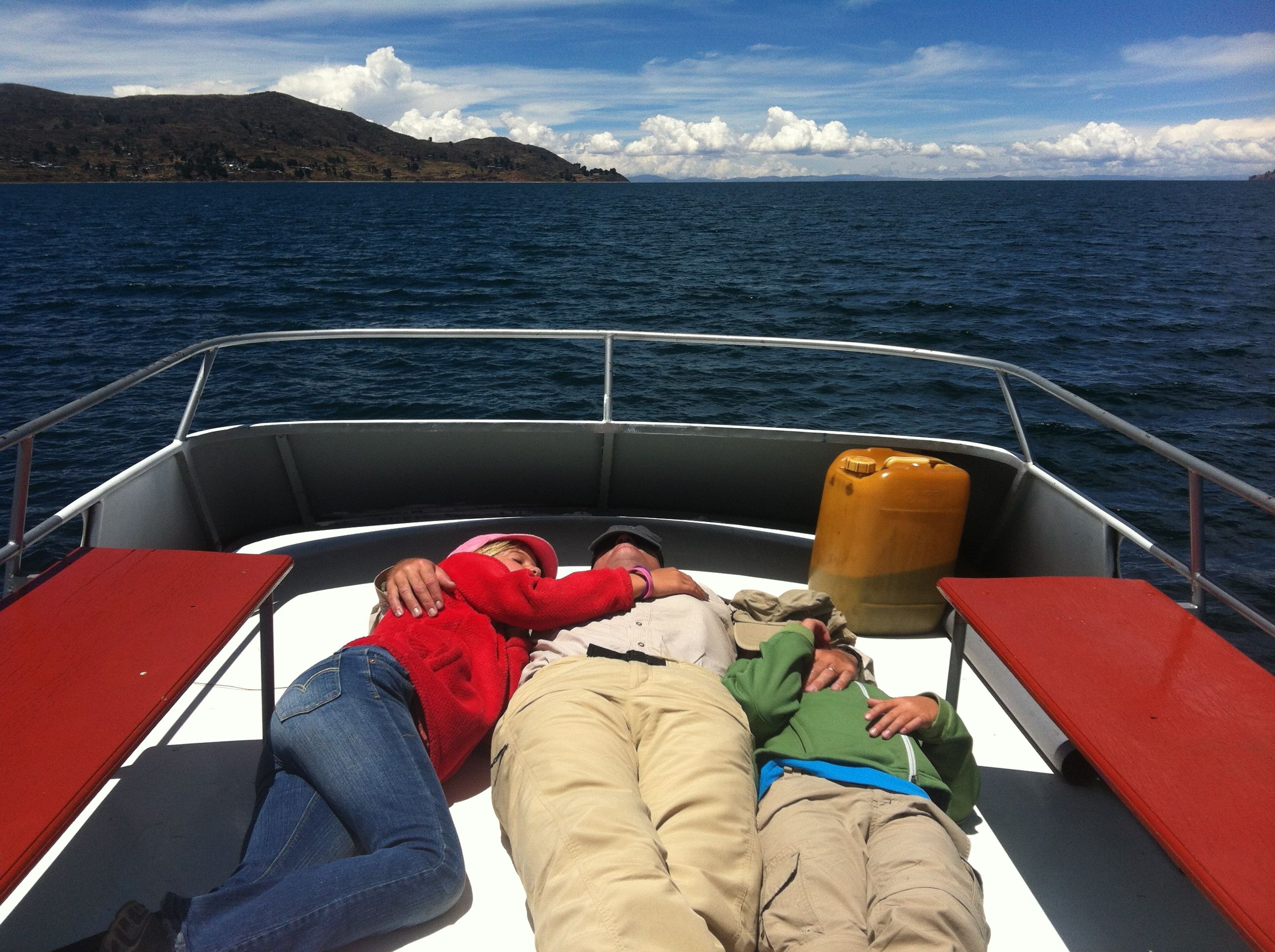
    Nap on Lake Titicaca
    Nap on Lake Titicaca

    We are also more aware of the importance of gentle words, especially when we are stressed. We are much closer to each other both physically and emotionally for we have supported each other through difficult challenges – Colca Canyon, Torres del Paine, and homeschooling while on the road.  Twenty-six weeks of being together all day every day has given us insight in to what makes each other tick and who can be relied upon for what.  We are now much more of a team than we were when we left the US and have a heightened sense that we are stronger as a unit than we are as individuals.  The children now ask, “What can I do to help?” instead of declaring, “I want …” or “Where is my…” The adults are more likely to say, “I could use a hand…” instead of “Go get the…” or “I need you to…”. Mac and Lucia have learned that there are not always three meals per day, sometimes not even two, and dinner at 10:00 or 11:00 pm is just fine.  They can now be hungry and tired without being cranky.

    Brothers
    Brothers

    Perhaps the most important thing we have learned is that family really is the foundation for happiness.   There really in nothing more important than family. Without our jobs or school to distract us, we are now able to focus on each other.  This is not to say that we were not close when we were in the US, but rather that we each had to split our attention between our family and school, work, friends.  Similarly, visits to family members further away had to be arranged when our work or school would let us leave, not when it would be beneficial to see them.  With family as far away as Australia and Argentina, it is difficult to visit them for only a week or two.  And, if you can only visit for a week or so, there is a tendency to focus on “doing” things all of the time rather than simply enjoying being together.  Lucia commented on this when we first arrived at the campito, a small weekend house outside of Buenos Aires for Colburn’s Argentine family, saying that she felt like she should have been there five years ago.  When we went back two months later, it was like coming home for all of us.  It has been wonderful to be able to share some of their life, not just a visit.

    We have truly enjoyed our time traveling so far and feel that we are incredibly blessed to be able to do so.

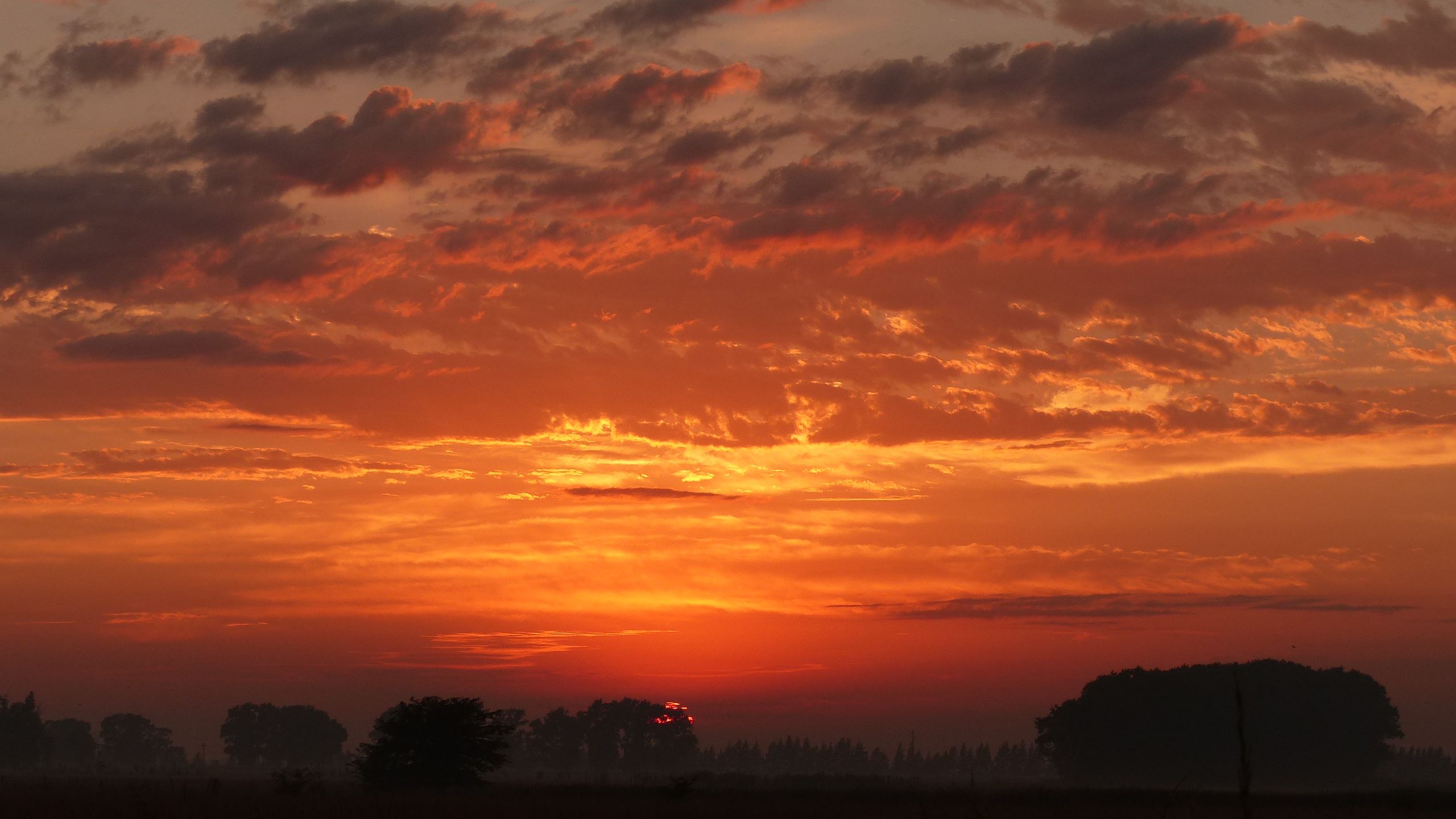
    Sunrise at the Campito
    Sunrise at the Campito
  • Another Perspective – Forward

    L1050172

    Our posts have been mostly reflective, describing what we have done, where we have been, telling the stories, etc.  So, I thought to write a post that is looking forward to what is planned in the future.  This is to answer the rational person’s question: “where the hell are they going next?” So, for a rational question, I provide a mostly rational response:

    Our awareness is divided into primarily where we are now, what is going to happen today, and our long term plans (3-6 weeks out and 3-6 months out).  The blog has been such a valuable tool to force us to reflect and write about what has happened, what we experienced – a cornerstone of experiential education – yup, I am an outdoor education nerd.  It is great for our audience, but it is extremely important for us.  Otherwise, the past is gone and we forget the stories.  We have photographs but they frequently lose their storytelling power.  So, the post is about looking forward and what’s in the hopper.

    In the immediate future, like tomorrow morning at 6:00 AM, we begin a five-day trek on the Inca Trail to Macchu Picchu.  We are excited and it shows with how much we are resting, sleeping, getting sick and recovering and zoning-out on reading, games, and planning the next few months of our trip.  On Thursday we return from the Inca Trail.  Our guide, Edwin, met us tonight and we are in-for-it.  A native of the Sacred Valley, fluent in Qechua, Spanish and English – we have much to learn from him, the landscape and the next five days of challenges.

    What, I think, we are all really looking forward to is seeing family – familiar voices, hugs and love.  A few days after our trek, we fly to Buenos Aires to be with family.  All of us can’t wait for this reunion.  On December 2, we fly to El Calafete, Argentina in S. Patagonia where we will be until December 23.  During this period we will head into Chile to trek the W route in Torres de Paine National Park for 8 days.

    We are self-supported so we asked family to schlepp our backpacking gear to BA for us from the states.  We hope Chilean immigration allows us to keep our freeze-dried food.  We have heard that they may confiscate food coming into Chile.  We’ll see.  The kids have their own packs but we will keep it all as light as possible.  Our plan is to stay in each of our four campsites two nights as to minimize moving camp too many times.  Puerto Natales is our town before and after the trek.  Soon after, around the 11th of December, we head to El Chalten, at the base of the Fitz Roy range.  Here we have an apartment for over a week as this range is ideal for day hikes and a possible overnight trek to a refugio.  While here, we will go to the Perito Moreno Glacier and get up close, or not so close to witness it calving.  We fly back to BA for Christmas.

    In January we will be in El Bolson, Argentina – a town further north in Patagonia than the December trip.  We join family for two weeks in this town.  It is just south of Bariloche.  We fly out of BA on January 23 for Kilimanjaro via Istanbul – we actually get some time in Istanbul to break up the long flight to East Africa.  Deb’s brother, Rick, and his family join us for a month in Africa.  After a week in Tanzania, the eight of us drive camper trucks from Livingstone, Zambia through the Caprivi Strip to Windehoek, Namibia.

    My father arrives in early March in Nairobi and we join him for time Kenya.  It will be mid-March when we are faced with some non-planned time – time we are busily planning as I write this.  It is looking like we will stay a month in Cape Town, South Africa.  Deb and I have friends there and we are looking for a place to relax, stay put, speak English, learn more kitesurfing skills, drive the Garden Route, focus on math, reading, writing, etc.  By mid-April, if it’s safe, we are looking at time in Jordan (Petra,Wadi Rum Desert), Jerusalem and Turkey before we head back to the US for the summer for important annual reunion with family, our dog, our trailer and some US road tripping.

    DSC_1156

    All along the way, the planning process has integrated a number of aspects – but most importantly is the balance of challenge and success for the children.  Just as Deb and I managed the challenge/success of many outdoor education groups in our past work, we use much of the same questions: how are the kids doing? is this too much? what do they/we need? right now they need iPad time? mom and dad need a bottle of wine? we need us and them bathrooms?

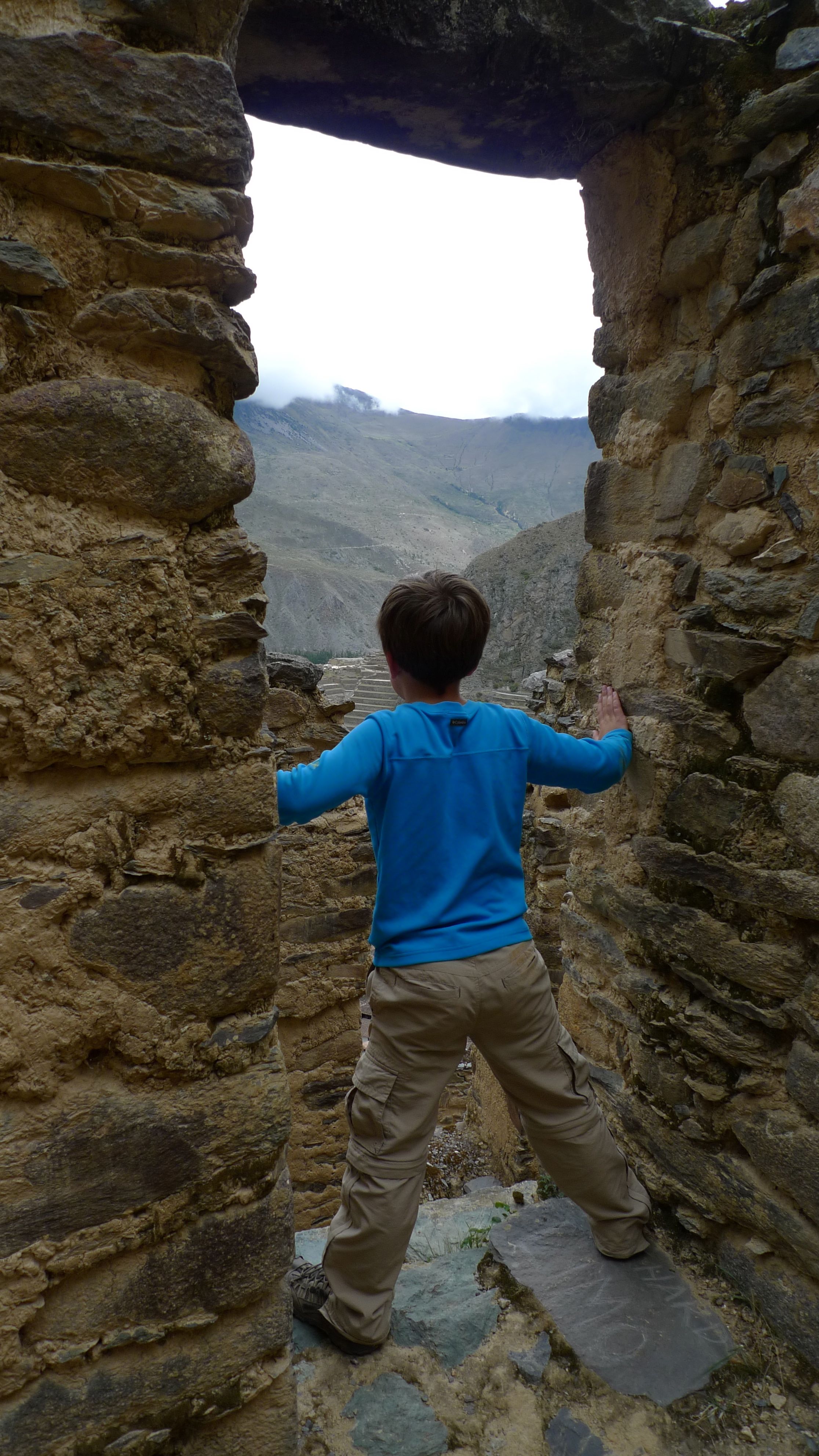
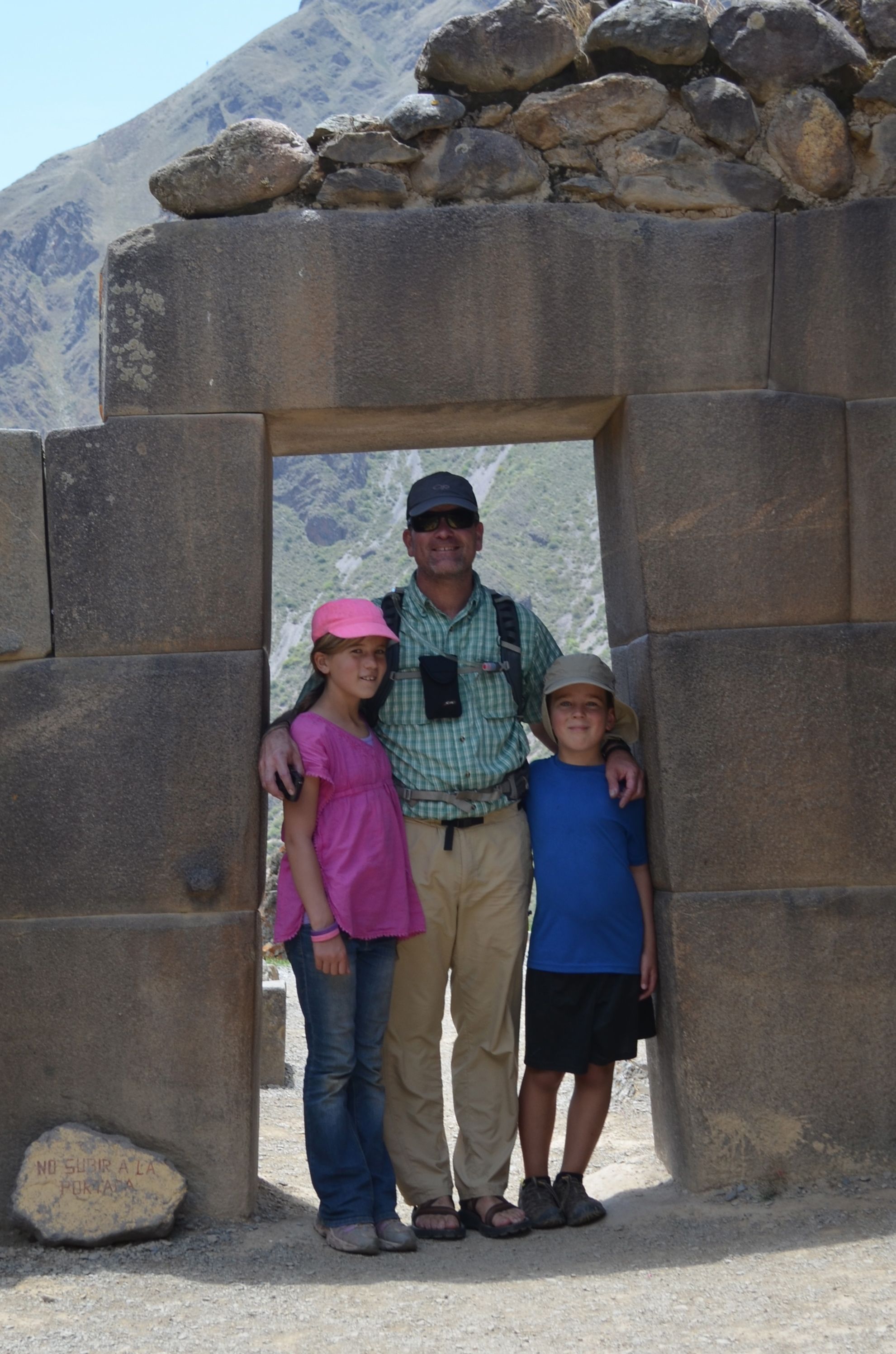
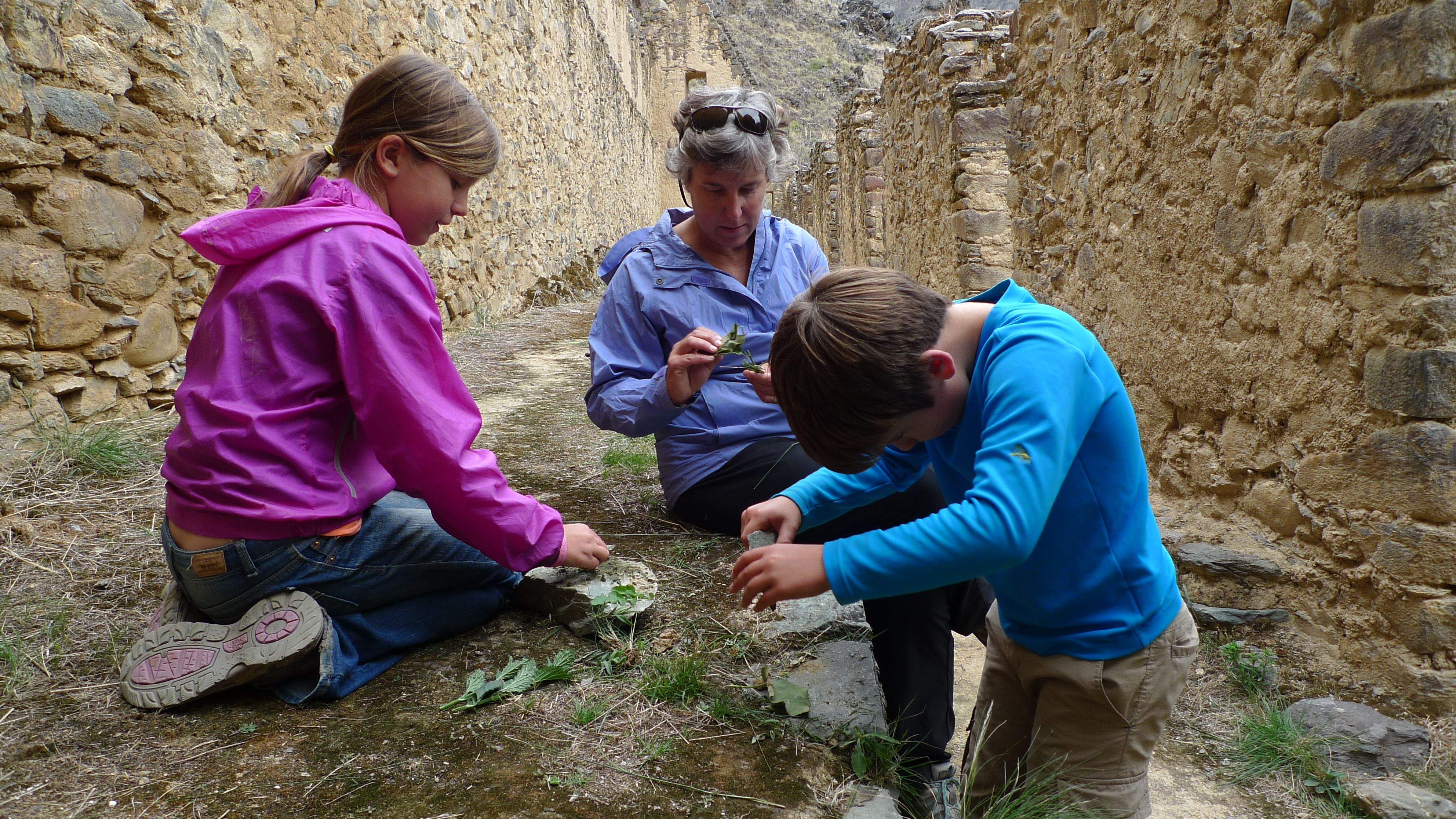
    A thought for the next post: When Waldorf/Montessori children are given ample time in an Incan grain-storage ruin, what will they do with this opportunity?  It’s wired to the reset button I’ll be writing about soon.

    L1050185

  • Galapagos – The Second Half

    Above Darwin Lake
    Above Darwin Lake

    By Deb

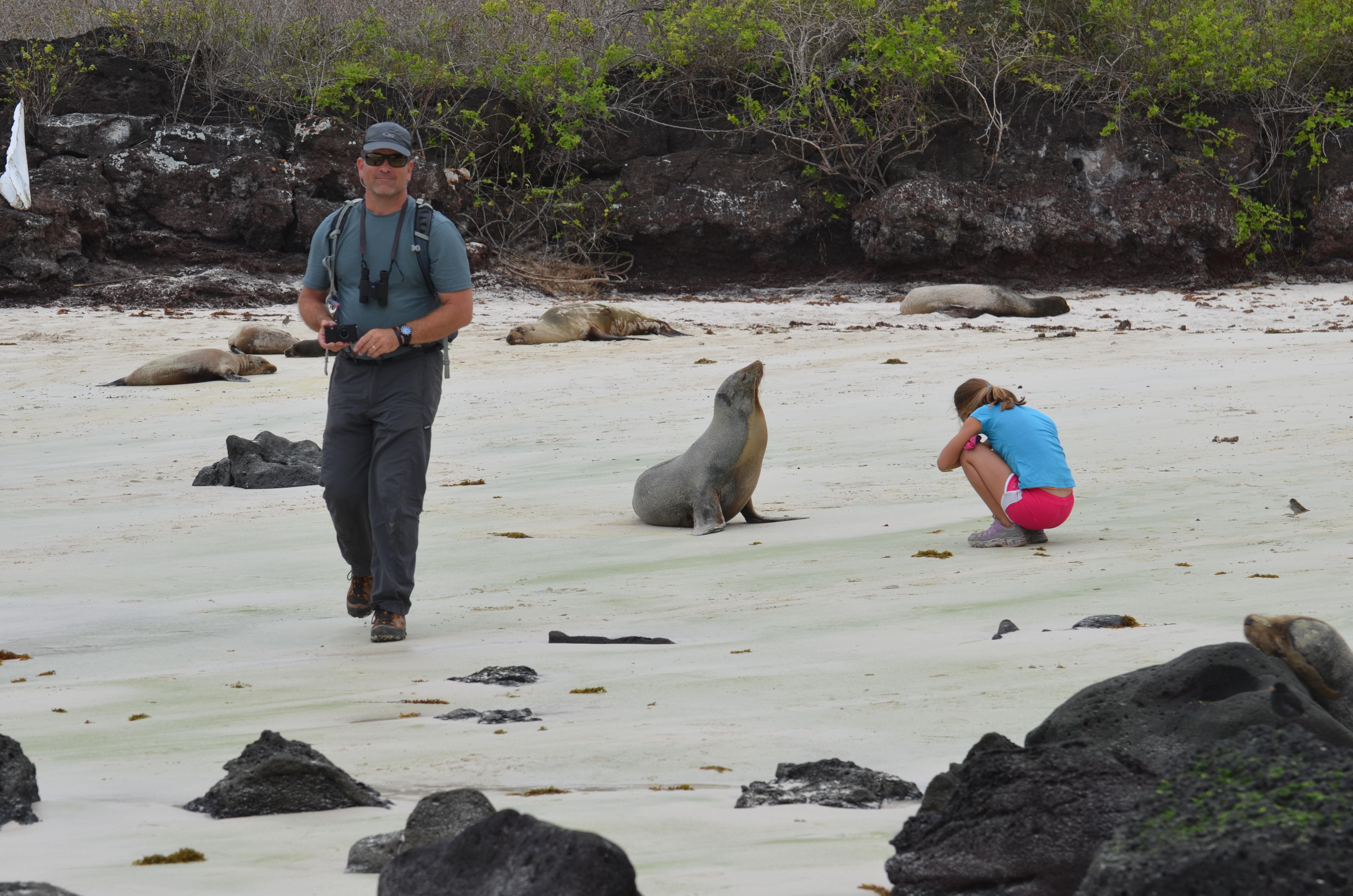
    Our time on the Galapagos Archipelago was fantastic, yet words will probably do little to explain the magic of being there. The setting is stark and unforgiving, yet the life that survives there is placid and phenomenally beautiful.  It was surreal to be able to watch the wildlife from such proximity that we would have to move away from them to maintain the required 6 foot distance.  They do not run away from humans, but rather seemed intrigued by us, especially the sea lions which will swim up to you and bite your fins to try to get you to chase them.

    Inquisitive Sea Lion
    Inquisitive Sea Lion

    For centuries, the only animals which inhabited the Galapagos are those which could swim or fly there on their own (i.e. sea lions, penguins, frigate birds, etc.), those which were able to survive a 2-week trip on a vegetation raft blown out to sea (i.e. iguanas, tortoises) or carried by a strong off-shore wind (i.e. finches, mocking birds).  Until humans began visiting the islands a couple hundred years ago, there were no mammals at all – they were too fragile to survive the journey out to the islands.  Even now, the largest animals on the islands are giant tortoises and iguanas, both of which are vegetarians.

    Newborn Baby Fur Seal
    Newborn Baby Fur Seal

    We had originally planned on staying on land and only doing day-tours out the other islands but were able to score a last-minute deal on an 8-day boat trip through the western islands.  Now, if you know us, we are not “cruise” people, but, wow, what a fantastic experience!  Our initial trepidation about being out of place on the boat were quickly relieved when we met the other folks – a varied group of 12 others – many of whom were just like us.  There were a few younger back-packer types as well as a number of folks our age an older but we all love travel and the outdoors.  The only thing missing were other kids, but Lucia and Mac were their usual charming selves and made quick friends with all.

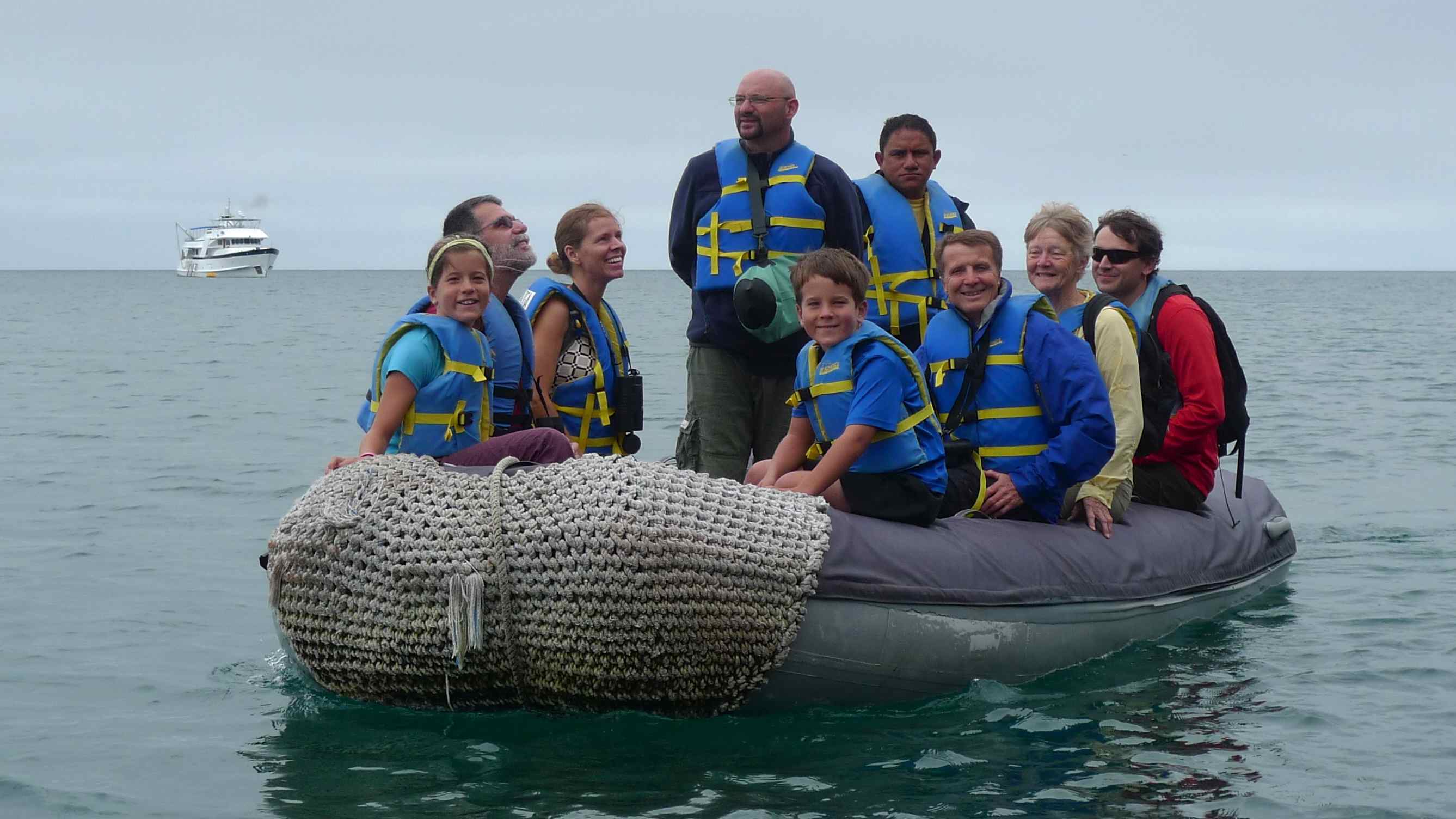
    Kids on Panga with Other Guests
    Kids on a Panga with Other Guests

    Despite our initial trepidation, we are very glad that we did a boat trip.  Yes, it sort of blew our Ecuador budget a bit, but we were able to see much more than we would have doing only day-trips.  Because the evenings were spent traveling between distant locations, we would wake up in a new place ready for a new adventure.  Each day held at least two different locales, usually quite different from each other, with different activities.  The morning may be hiking through a lava field or up a volcano then the afternoon snorkeling with sea iguanas or sea turtles.  The video below highlights only some of what we saw.  A note of disclaimer – the quality of the photos and video is pretty low so it is a bit blurry and jerky.  Although I tend to have high expectations for anything that I “publish”, it would take me another 8-10 hours of internet time to upload at a higher quality so I have decided that this is “good enough” to give you an idea of what the experience was like.  If you want to see better quality photos, please visit our SmugMug site shindellsrtw.smugmug.com

  • No Need for Binoculars

    DSC_0794By Colburn

    I am a total amateur naturalist hack, my children are clearer on some concepts than I am. Therefore, I do not claim anything I write can be thought of as fact, true or believable.  I couldn’t begin to compete with Mr. Darwin, the BBC or National Geographic.  However, I am on fire with fascination with the Galapagos – and, yes, most of what I am describing hopefully will make you want to look some of these ideas up on Wikipedia.

    It has been a week since we left Otavalo, Ecuador – world of Otavaleńos, textiles, the Saturday animal market and smoky cool high altitude breezes.  We arrived Monday last week on San Cristobal Island and oriented ourselves to the Galapagos – I have had some difficulty knowing my cardinal directions – frequently I am stunned to see the sun setting in the east!  Once oriented, I relax and enjoy the incredible sunsets.

    DSC_0833The Galapagos Islands, what we have seen so far, is mesmerizing.  There are several themes that have emerged from the first week that we expect will continue through the next three weeks we are on the archipelago – a shallow tabletop of islands 600 miles from the coast of South America.  First, the volcanic action that results from the smashing of three enormous tectonic plates in this location is omnipresent.  When you head to the beach or inland, away from the human developments, lava flows of various ages are everywhere.

    Rocky Lava Tide PoolIt is important to know that the islands are all moving about seven centimeters per year in an south-easterly direction.  Therefore, the islands on the east side of the archipelago are the older siblings – San Cristobal and Santa Cruz being the oldest.  Our journey is from east to west – so, in theory, we are going forward in geologic time as we move to the far western islands later next week into the end of September.  We will be exploring Isabella – home of several active volcanoes – and also Fernandina – one of the youngest most raw and volatile of the siblings in the archipelago.  These volcanoes are the reason these islands exist – the lava flows over millions of years have accumulated over time.  The islands sit on a tabletop plateau, formed by the volcanoes, which drops precipitously on the western edge. These islands are also at the confluence of not only three smashing plates but also three significant ocean currents.

    Galapagos_Islands_topographic_map-en.svgSecond, four major currents impact the archipelago: Pacific, from the east, Humboldt, from the south, Cromwell, from the west and Panama from the northeast.  Each has its own season of ebb and flow – right now it is the cold/misty Garúa. Season, marked by the increased flow from the colder Humboldt Current.  The food and nutrients hit the shelf of the archipelago and upwells for feeding vast sea life.

    Third, adaptation – I could go on and on.  My head spins with the fascinating examples of how land and sea life has adapted to the archipelago and, more specifically, have adapted to each island.

    DSC_0724Giant Tortoises, there are now eleven species from the fourteen that once existed – all, I am reminded are descendants from a single ancient species which made it out here somehow – debris raft, floating island, who knows.  The shape of the tortoise’s carapace (shell) is a result of millions of years of the successful tortoises passing the helpful genes to their offspring.  If the food is high on bushes on a particular island, the successful tortoises have a shell that makes room for them to reach the food- therefore, they live, the ones with the wrong shell shape die.  The right shell shaped parents have kids who have the right shell shape – there, that was first attempt at explaining natural selection through transmutation!  Naturalists can determine the home island of a tortoise by the shape of their carapace.  Go research this- it’s fascinating.

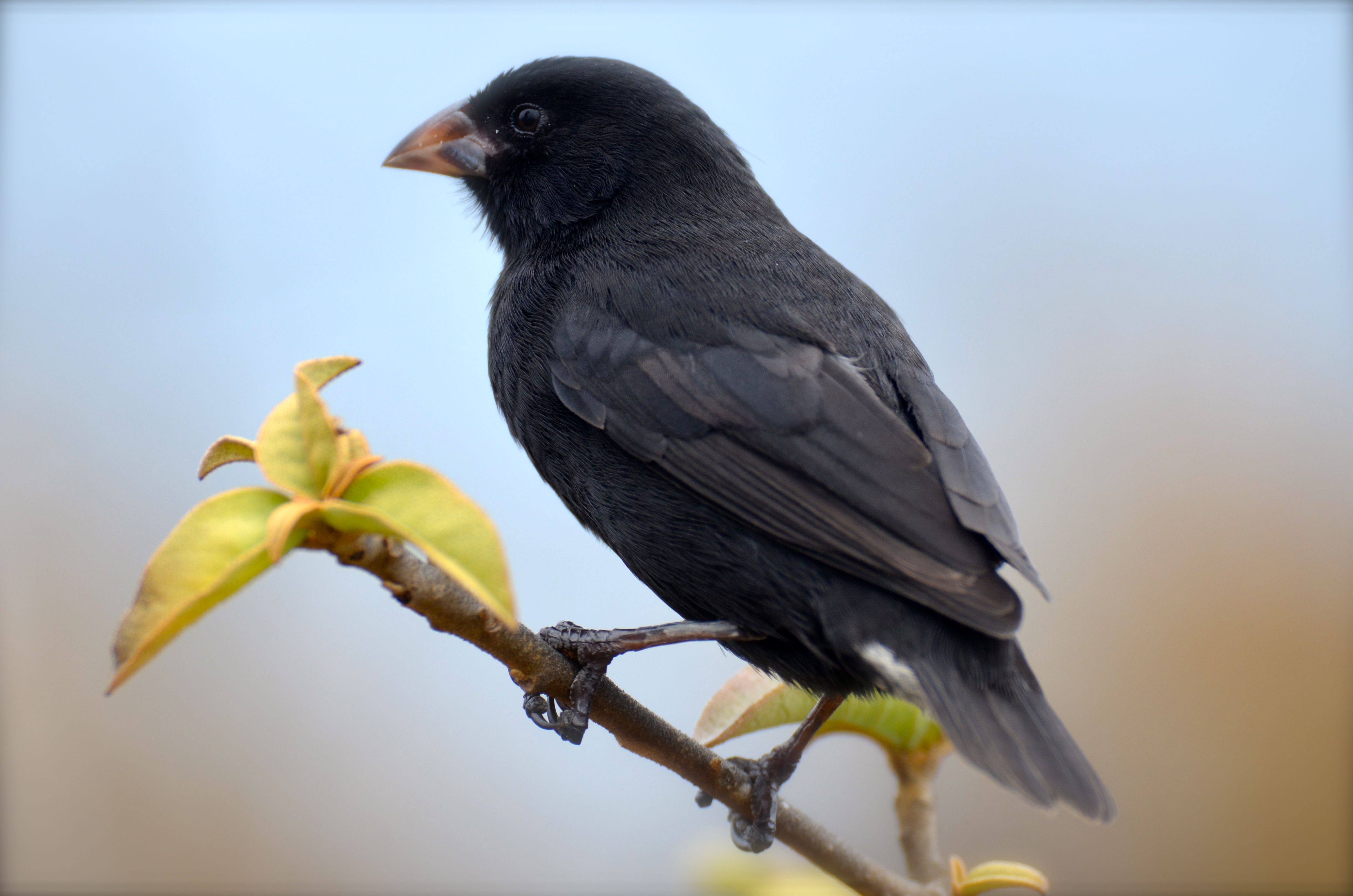
    DSC_0819Finches – good lord – it goes on and on.  The finches did the same thing as the tortoises.  One lone family of fiches were blown out to sea from Ecuador most likely and found a home on the archipelago.  As they spread throughout the islands, they encountered differing types of seeds, fruits or foods that began to select which finches would survive on that island.  If there were mostly hard nuts on an island, the parents with short crushing beaks survived and had kids with the successful beaks.  Those without the right shaped beak died.  There are over a dozen species of finches on the Galapagos now.  Several visit us in our apartment – they are fearless – as is most every living thing on the islands.  No need for binoculars.

    DSC_0895

    Marine Iguanas – yes, there’s only one species and it inhabits only one place on earth – the Galapagos.  Somehow iguanas made it out here and they split into two species – land iguanas and marine iguanas.  The ones which could deal with the harsh saltwater survived and have thrived on the coast – eating sea lettuce and green and red algae.  They can swim really well – only with the swish of their tail.  From a distance, with the head out of the water, they look like a cat swimming.  The marine iguana expels the excessive salt in their system by sneezing the salt out of their nostrils.  So, as you walk the tide pools, you will usually first notice a colony of marine iguanas by the sounds of sneezing.  Otherwise, they are so well camouflaged you are likely to come close to stepping on one.  Since they are exothermic, they spend a lot of time on the hot black volcanic rock or sand sunning themselves.  The cold pacific water sucks the heat right or them, as it does Mac and Lucia.

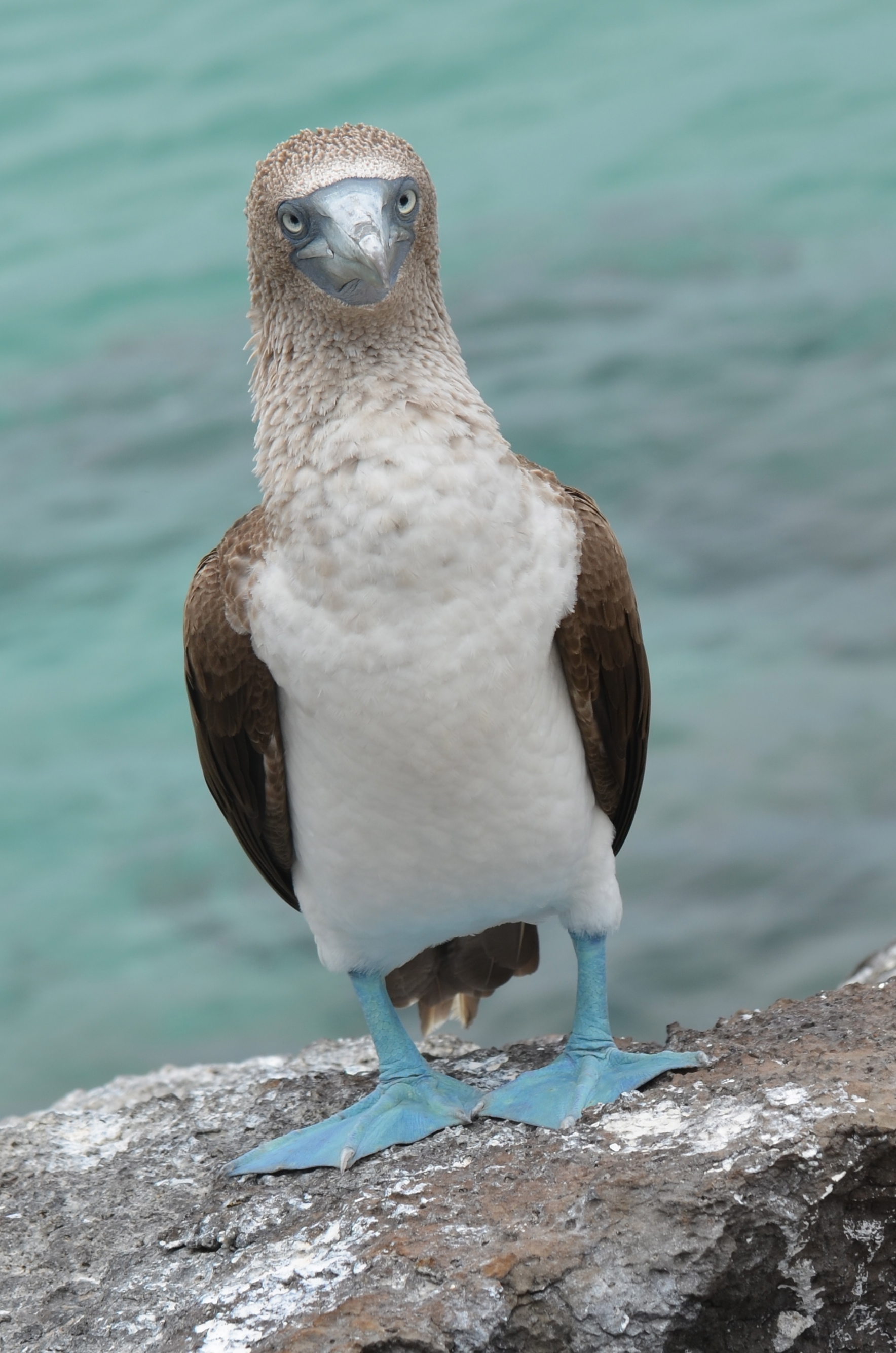
    L1040145Lucia and Mac are right there with us on this expedition – they are excellent naturalists – curious, fun loving and relaxed.  We have to find thicker full coverage wetsuits, as the shorty wetsuits we brought with us are not warm enough for Mac and Lu.  They come out of the waster blue-lipped and shivering but excited with stories of what they saw underwater.  Lucia spent a few minutes swimming with a Galapagos Green Sea Turtle.  Already cold and blue, when we spotted the turtle from the sea-kayak, she hopped back in, not wanting to miss the chance to see one up close.  Mac wanted to see a Marine Iguana eat.  So, yesterday, on the rocks at low tide the iguanas began heading out to the exposed edge of the rocky coast where they found sea lettuce.  Mac watched.  Blue Boobies fly by or sit on nearby rocks – I have not pulled out my binoculars that often.  At a startling frequency, the life on land and in sea is fearless of us – indifferent to our presence.  The finches, boobies, fur seals, tortoises and turtles, to name a few, keep doing their thing as we sit, swim or walk by.

    DSC_0850

    Finally, the place is both a convergence and a divergence.  Plates and currents meet here, yet the life that inhabits the islands have undergone a long drawn out separation from their ancestors to survive on their assigned island.  All these animals I have described are neighbors on islands of the same archipelago, yet so far away from their distant descendants just across the channel – separated by millions of years of divergence.