 When we made the decision to return to traveling, we knew that we didn’t want to move as quickly as we had during our first trip. Moving through 39 countries in 24 months was much too fast. Also, when we were first discussing the possibilities of what we would do while traveling, Mac had brought up a desire to give back to the communities through which we travel rather than simply consuming what they have to offer. These two aspects motivated us to pursue both short and longer-term volunteering opportunities while in Africa. With Colburn’s background in education and mine in healthcare, we thought that it would be easy to find programs which would benefit from our professional expertise.

Many hours of searching brought up some interesting options for us – teaching and working at a rural health clinic in Namibia, a reef conservation project in southern Madagascar, teaching at a university-based nursing school in Uganda, a combination school and health clinic in rural Malawi, a program in South Africa which supports street kids, an organization which mentors teachers as they integrate technology into the classroom and many more. Each opportunity seemed interesting for different reasons and was difficult to weed through the programs. Many of the “volunteering” programs are set up for 18 to 20-something year olds on a gap year. While those experiences can be invaluable for people without work experience and exposure to the broader world, we wanted to do more than play sports with kids after school and pick up trash on the beach. Our goal was to find opportunities to share our professional abilities in new environments.
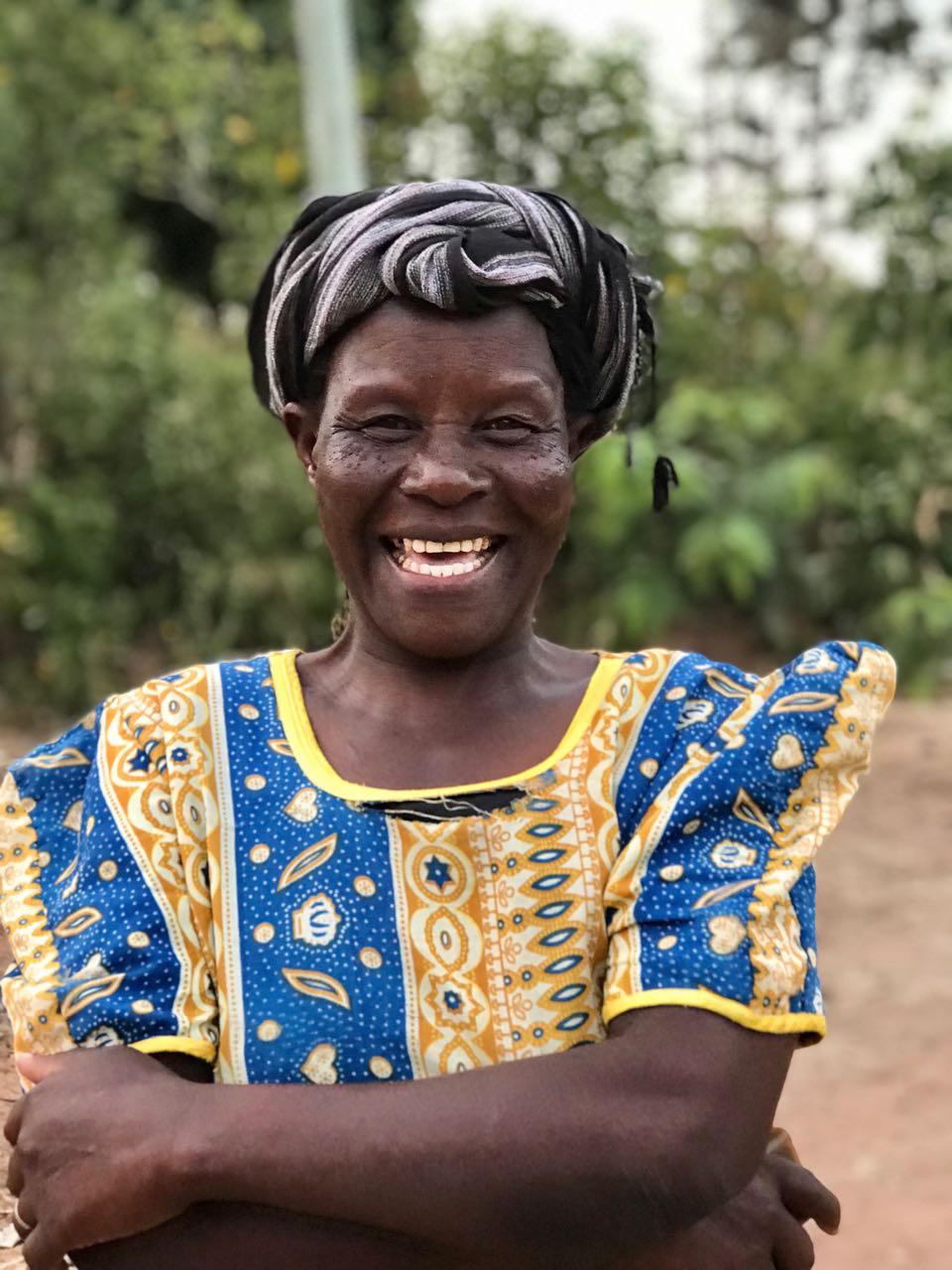
We worked diligently to assure that they understood that we are mid-career professionals traveling long-term as a family, so the adults didn’t want low-skill activities yet the kids needed to have active engagement as well. The second part seemed to be the more challenging for programs to understand. In the end, we settled on three options we felt were pretty solid – marine conservation in Mozambique, a community development project in Kenya, and a nursing school and a community development project in Uganda. All were eager to include the kids in a substantial way, seemed to be able to use our professional skill set, and provided hands-on experiential education for the kids.

As I have written about before, our time in Mozambique exceeded expectations in all ways. Not only did we get to solidify our scuba skills, the science director had set up a mini data analysis project for the kids to complete while we were there. It dove-tailed with the marine science course the kids been taking over the summer leading to the perfect integration of instruction and application we had hoped for in this trip.
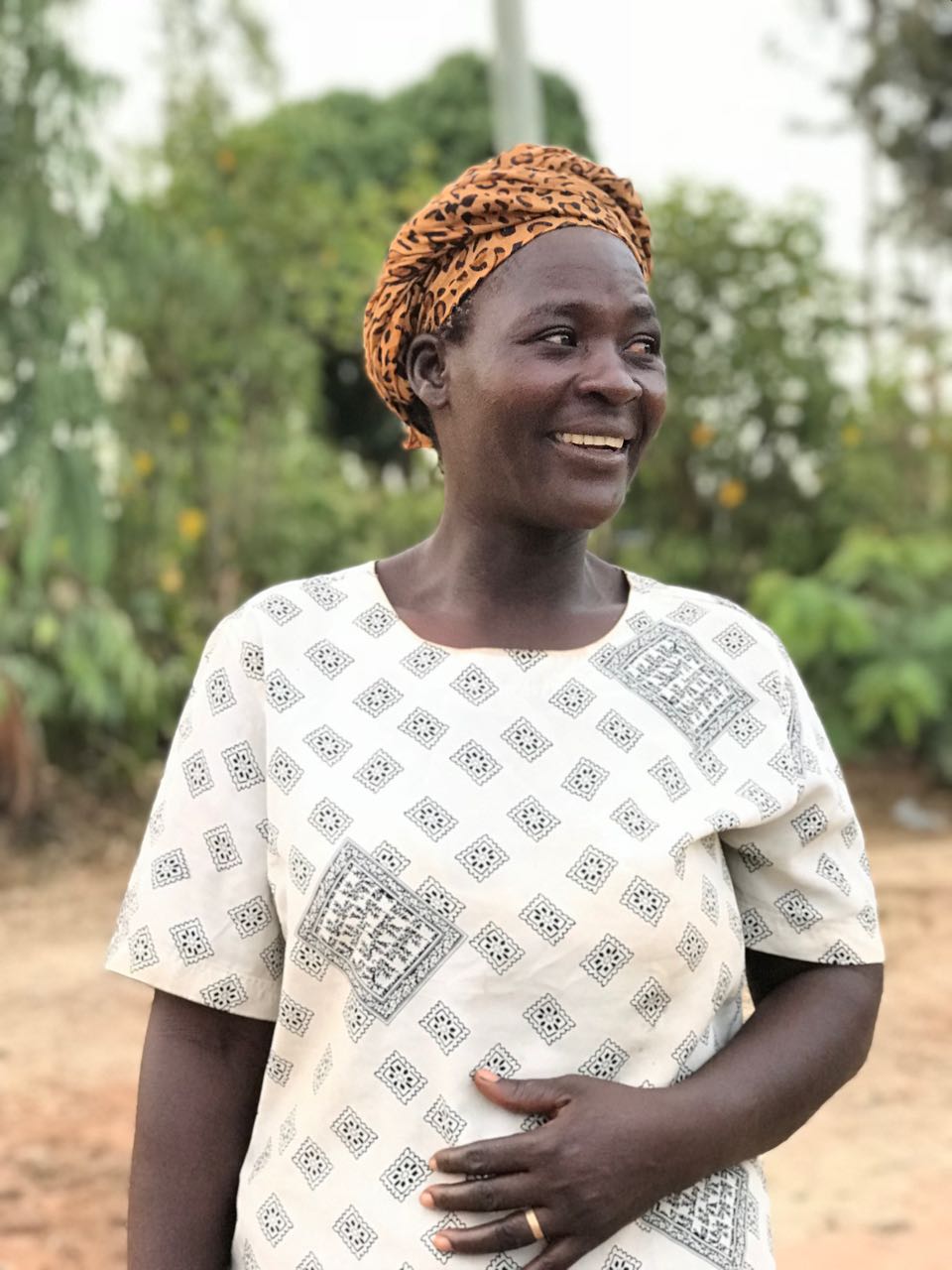
Our second volunteering opportunity was considerably less organized than the first but seemed to have great potential. The coordinator could never provide specific information about what we would be doing or how our time would be spent, but the programs seemed to have strong educational connections with Teachers2Teachers in the U.S. so we were hopeful. Arriving in Kisumu, Kenya after our Serengeti self-drive, we were eager see what the program would involve.

From the very beginning, it was awkward. We spent the first night in a small two room apartment with two men in their mid-twenties who work for the program. The kids had one room and Colburn and I shared the other so the men both slept on a cluttered couch in the main room. They were kind and welcoming but we were awoken early the next morning by sermon being broadcast at maximum decibels over the loudspeaker right outside of our window. It wasn’t a great way to begin. The service began as a musical piece, gently rising in volume. Having traveled extensively in predominantly Muslim areas, we are accustomed to the early morning call to prayer and initially mistook it for that. It wasn’t until we heard the first “praise the lord” and “amen”s emanating below that we realized it was not Islamic. We kind of chuckled initially as it was the first Christian call to prayer we have ever heard! Quickly, however, the marginally competent organist with a pre-recorded rhythm track was drowned out by a screaming, scolding sermon delivered at full volume over a tinny loudspeaker. The preacher had launched in to an angry tirade against the oppressors in the government, people who did not believe in Christ’s salvation, and the world in general. She was yelling full volume, scolding people for not taking to the streets to push back against the injustices. Never before have we experienced such anger in a place of worship nor one which was broadcast to the entire neighborhood. After an hour or so, the screaming and bad music stopped so we went on about our business.
The coordinator had planned on showing us the tourist sights of Kisumu on our first day, so we loaded in to our truck and drove down the main boulevard to town. Within minutes, we reached a roadblock where several angry men in dirty jeans and tank-top undershirts had blocked traffic with large rocks across the roadway. The men yelled at us that ‘the government had killed Mguma Mguma’. In reality, the government had not killed the man but had him in custody and not brought him to be arraigned as ordered by the court. Once we understood what was going on, we thought we would simply turn around and use an alternate route but the men saw our white skin and “fancy” truck and started banging on the hood and sides of the truck demanding money from us. It was the first time in all of our travels that we felt anything more than the tiniest bit uneasy. There was one time in Morocco where I had a fleeting thought for about 10 seconds that we might not be in a good situation, but that was quickly dispelled when we entered our hotel. Those feelings were based more on the fatigue from a 24-hour flight than actual risk. This was different – there was anger and rage in the morning sermon and now in the protests being held. The men were not just angry at the government but also demanding that we “owed them something” because we were white. Somewhat shaken, we considered our options and decided to leave the city and to go in to the quieter countryside that afternoon

As we settled in to life in a rural Kenyan village, we felt very comfortable and welcomed but found that there would be barriers to our participation. The government had recently set limits on how long ‘visitors’, especially foreign visitors, could be involved with students each day in order to protect them from becoming a human zoo. This meant that we could not be in the classes for more than 20 minutes each day, effectively eliminating our ability to assist with teaching. Additionally, the faculty are not invested in the learning of their students, preferring instead to simply read from the government-approved syllabus and have students write down lines verbatim. This meant that neither Colburn nor I could use our skills.

The best part of this volunteering opportunity ended up being Mac and Lucia’s project – afternoon computer literacy lessons with the local kids. Each evening around 5:00 or 6:00, a group of 10 or so kids would show up after doing their chores (herding goats, carrying water, gathering firewood, caring for younger siblings) to learn how to use laptops. Plastic lawn chairs would be brought out of a storage hut, laptops hooked up to the power source in our hut and our children would show the local kids the basics which kids in western countries take for granted (using a track pad, turning on a computer, navigating to different programs, etc.). There are only two donated laptops for them to use so one kid would operate the computer while the others watched intently and offered advice as needed. It was actually really cool to observe because you could see them teaching each other and problem solving as a group. A few exceptional children became super-users and would mentor the ones who did not pick it up as quickly, some of the older kids who had better English skills would translate for the younger ones who did not, and they all seemed to work cooperatively on the process. There were no fights for who was next, when one kid would be using it for too long, the other kids would bring it to their attention and they would hand it over to someone else. It was quite encouraging.

We also got to meet Mama Sarah Obama, President Obama’s Kenyan grandmother, which was pretty cool. She is likely more than 100 years old but doesn’t know exactly when she was born other than “under King George”. We were able to talk to her about her life, her accomplishments and challenges, and the slew of grand kids, great grand kids, and great-great grand kids.
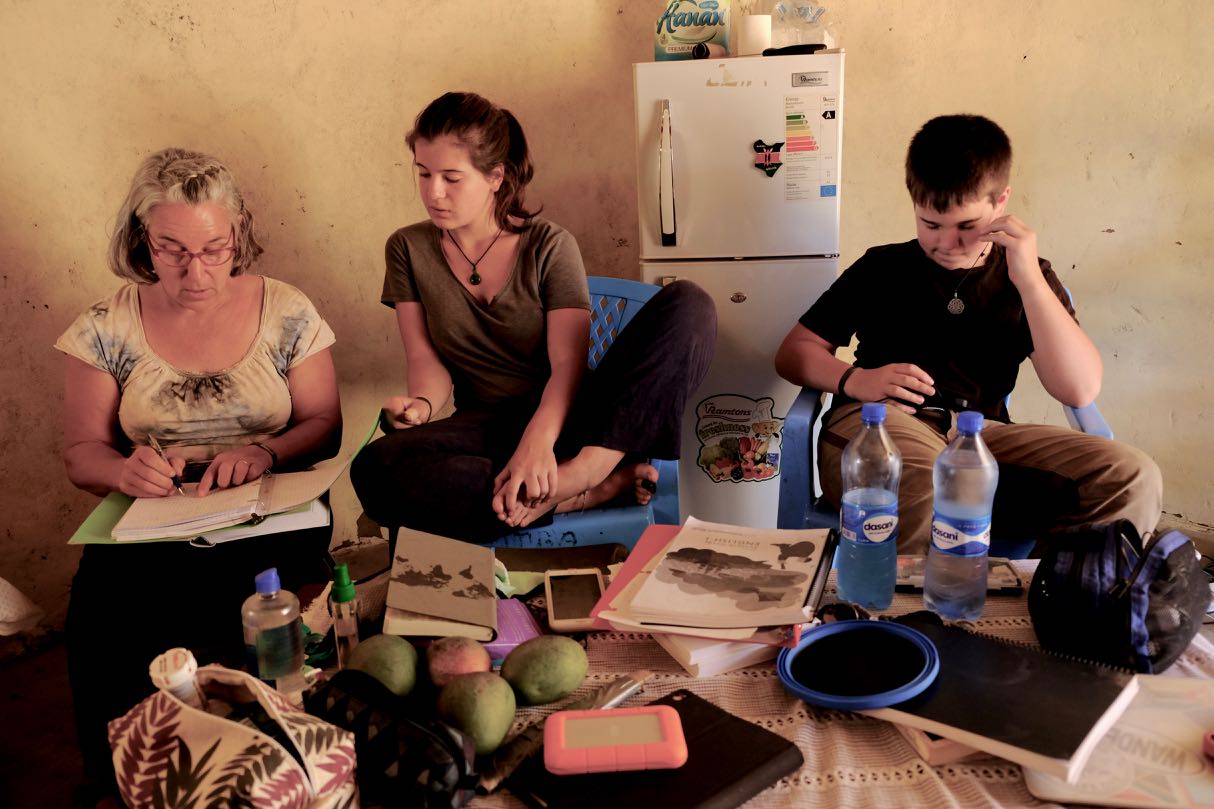
Two weeks of what Lucia termed as “living the hut life” took a toll on us though. While we enjoyed learning about life in a rural village, there was little for us to do except an hour or two of computers in the evening. Colburn’s volunteering fell through. My volunteering fell through. It was hot and dusty. We shared a single squat hole long drop latrine with the entire family and several resident spiders. The continual stream of people asking us for donations and money wore us down. Every interaction came with a hidden or not-so-hidden request for money – the ladies of the village wanted a new processing machine, the ladies in the city wanted us to sponsor a new shed to do their sewing under, a young man in the village asked us to give him Lucia’s iPhone, etc. It was very disheartening in the end as we had come to share our skills and all they wanted was our money. We left with a bittersweet memory – wonderful and kind people who really just wanted our money. We would be more discerning in the future.
 Wow, was this an adventure! When we originally came to Africa in 2014, our first stop was a guided safari in the Serengeti and Ngorogoro region of Tanzania. We were traveling with my brother and his family in two Land Cruisers, driven by professional guides and staying in lodges and tented camps. It was very comfortable as everything was taken care of for us; airport pick-up, permits, driving, gas refueling, meals, hot showers, etc. were all arranged by our safari company. All we had to do was show up and enjoy seeing the sights. We considered doing another guided safari when we came back through but a combination of budget limitations and desire for a more independent experience lead us to do a self-drive through both areas. While not nearly as easy as in Southern Africa, self-drives are possible in the Serengeti, just a bit more complicated logistically. One must obtain permits and secure campsites in Arusha (the main town outside of the protected areas) prior to arrival. This took us many days of research and the better part of a day on the ground as there is no centralized location for information. Campsite names and locations change frequently so it is a challenge to know what to ask for when you arrive. Additionally, the two areas are administered by different entities so you must go to one office to arrange for travel through the Ngorogoro Conservation Area and a totally different location outside of town for the Serengeti National Park reservations. Once we knew where we would be staying, we headed to the supermarket to purchase provisions, to the petrol station to fill up our spare fuel cans, and purchase a SIM card so we would have some sort of connectivity in the park should the need arise. Loaded and ready to go, we headed in to the parks!
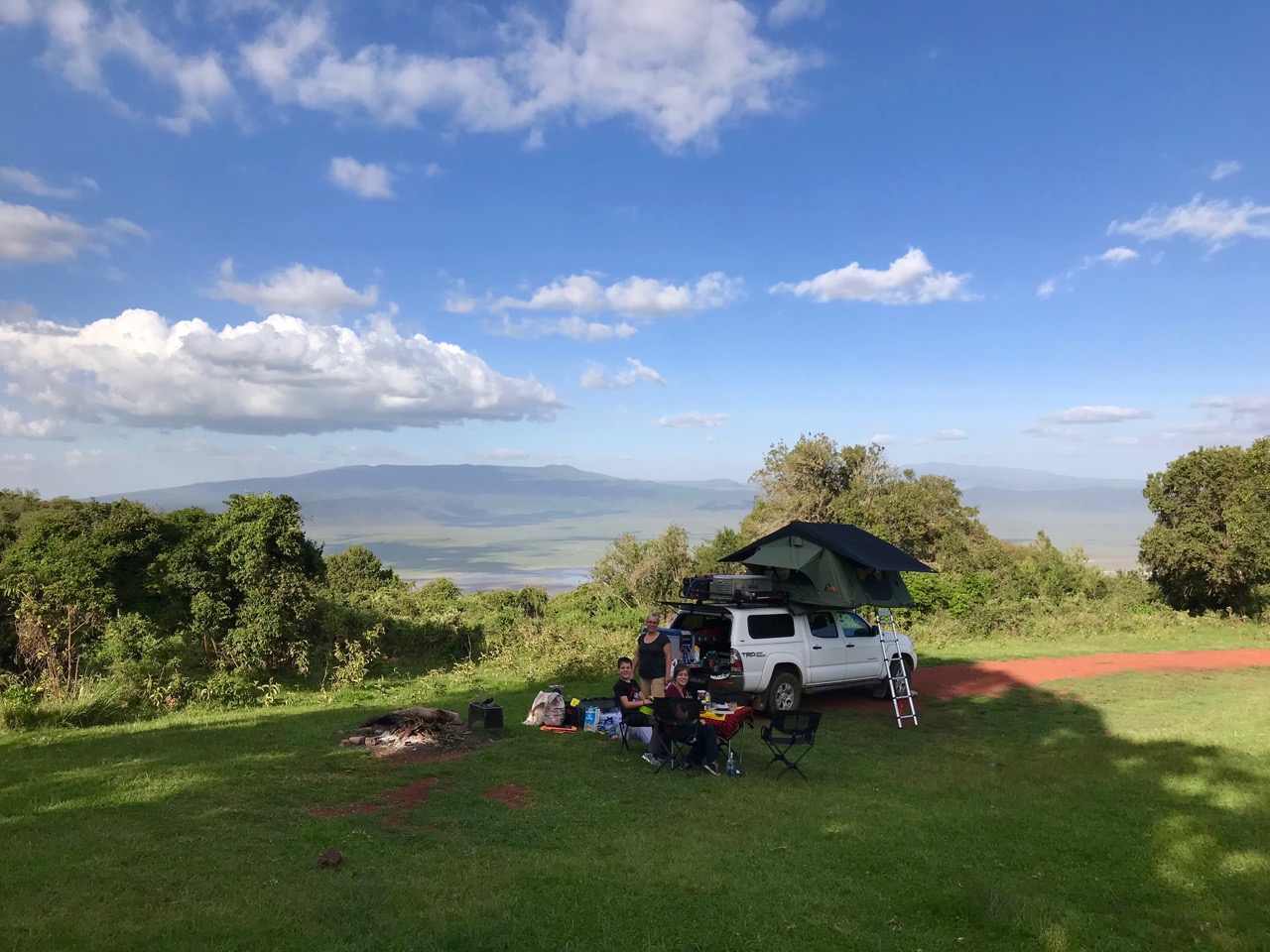 Our first night was at a public campsite on the rim of the Ngorogoro Crater. The site itself is large grassy area just off the main road. There are ablution blocks (shower/toilet), a secured camp mess area to use in case of animals wandering through, and a few fire rings. We were greeted by Saipi Sangay, the attendant on duty for the afternoon. Although limited in his comfort with English, he was a great help to us setting up camp and learning about the area. There were several overlanding groups in the camp as well, so the camp was lively with international conversation. We met a family (parents and 20-something daughter) from Poland who wondered how we could have the kids out of school for this long, a Spanish/Dutch pair who thought what we were doing was crazy but inspiring, a young woman from the US who hopes to write a book about traveling to all of the continents before she is 30 and a quiet Australian (unusual in itself) who gave us advice on how to circumnavigate Australia.
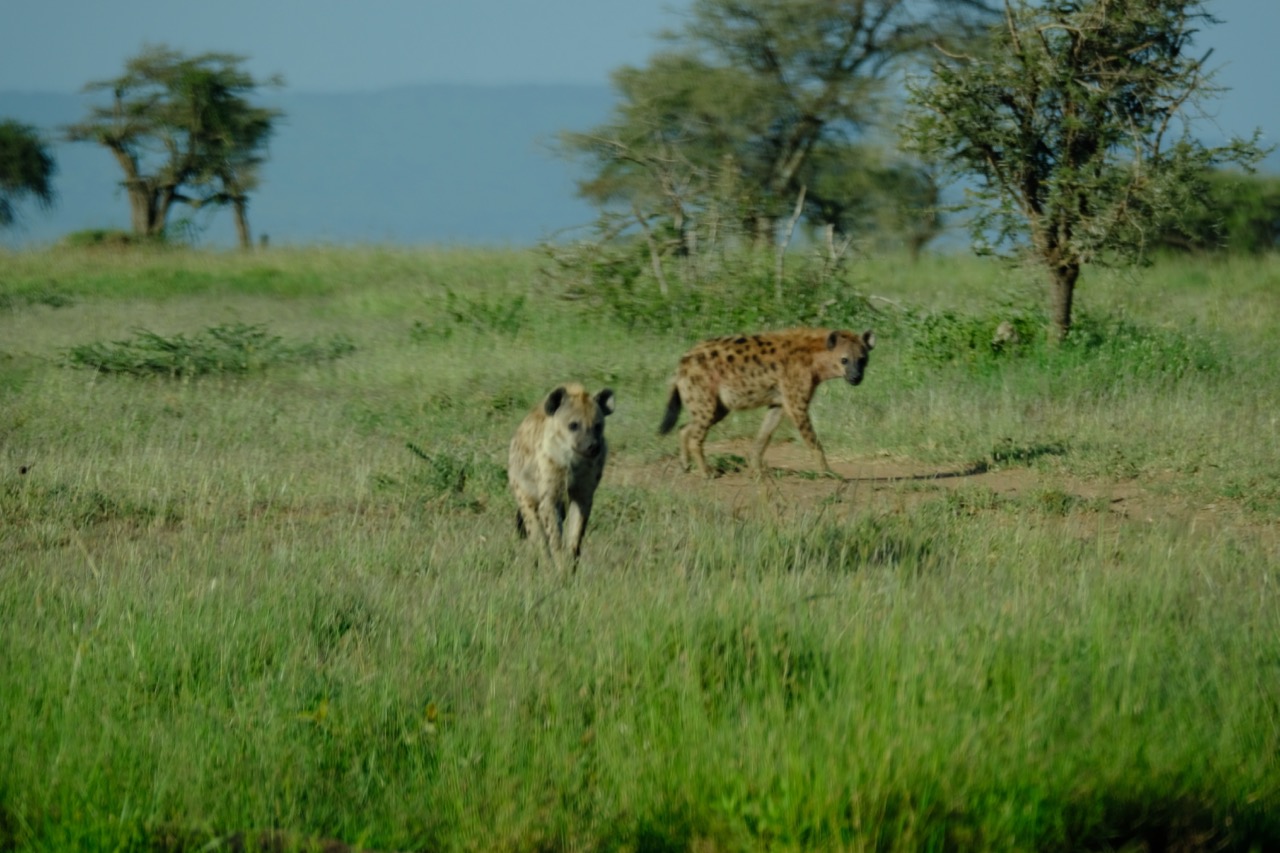
 The camps in the Ngorogoro and Serengeti are not fenced which means that the animals are free to wander through at any time. Although we did not have any directly in camp, there were some on the perimeter. As the sun set and we were preparing to go up in to our roof-top tent, Colburn was enjoying a sip of Scotch whiskey at the campfire when he calmly said, “Hey, Deb, look! There is hyena just behind you.” Sure enough, there was a single hyena about 15 meters off of my right shoulder. He was not threatening, more like a coyote circling a camp curious to see what we were doing. At night, the Conservation Area has armed guards who walk the camp with an AK-47 to protect the area from any aggressive animals. Usually simply shooing them away works fine, but it was nice to know that they had fire-power if needed. We heard some other nondescript animals munching on the vegetation during the night, but nothing that impacted our sleep. The weather was cool, verging on cold, at 7,000 ft and sunrise came early.
 Entrance to the park is only valid for one 24-hour period and the clock begins ticking when you enter. If you have not been officially stamped out of the park by the end of your allotted time, you must pay another full day’s worth of fees which are incredibly expensive – $200 dollars for the car alone! To maximize our experience, we got on the road early so that we could go to our favorite place from our last visit, Ndutu Lake. February is a fabulous time to see the great migration here as it is often when more than 600,000 wildebeest arrive and calve nearly synchronously to decrease the risk for individual offspring. We were not disappointed. Much like our last visit, lines of wildebeest stretched as far as one could see from horizon to horizon. Herds gathered in great clumps near the soda lake and up the drainages which feed the lake. The zebra congregate with the wildebeest for safety, a symbiotic relationship that allows for both animals to benefit from the other’s dominant sense. Seeing the mixed herds fo this size is a humbling, awe-inspiring experience.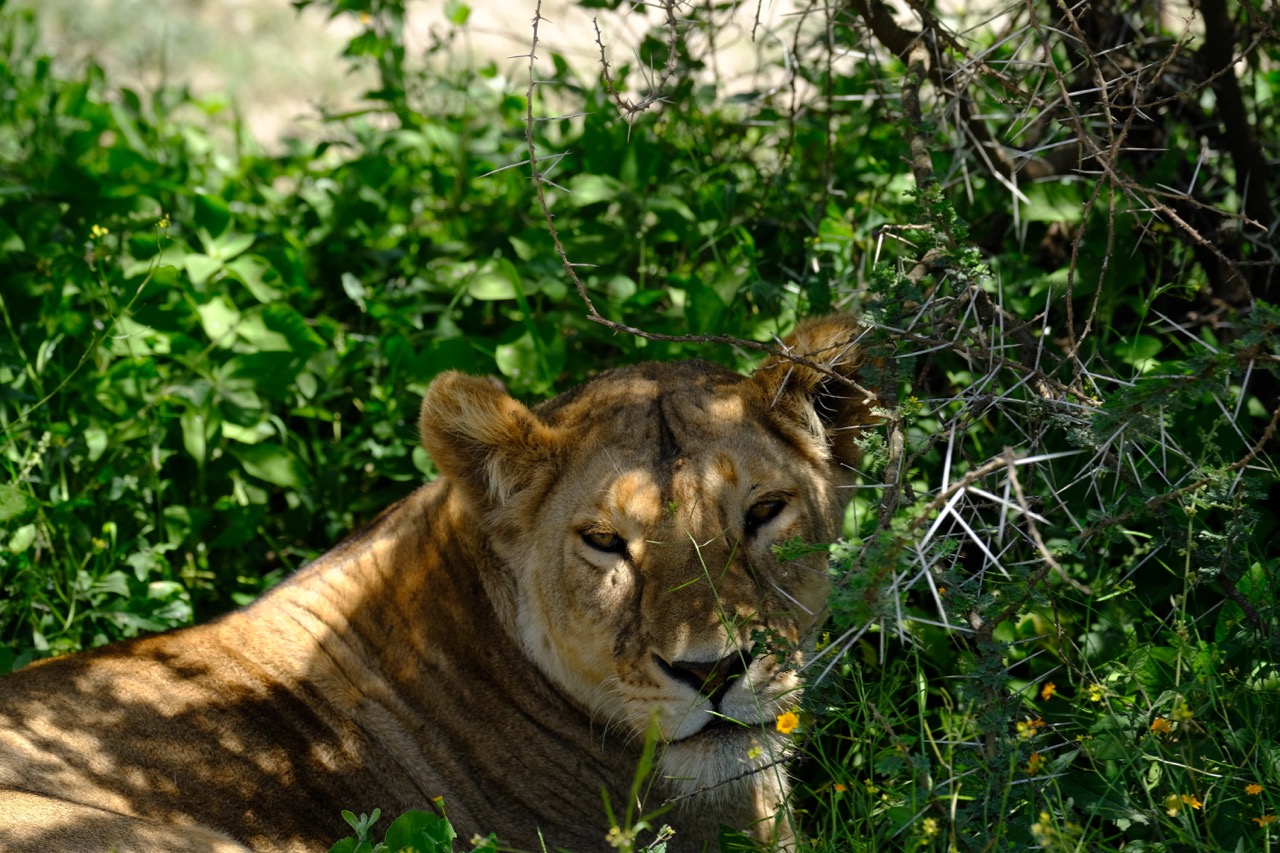
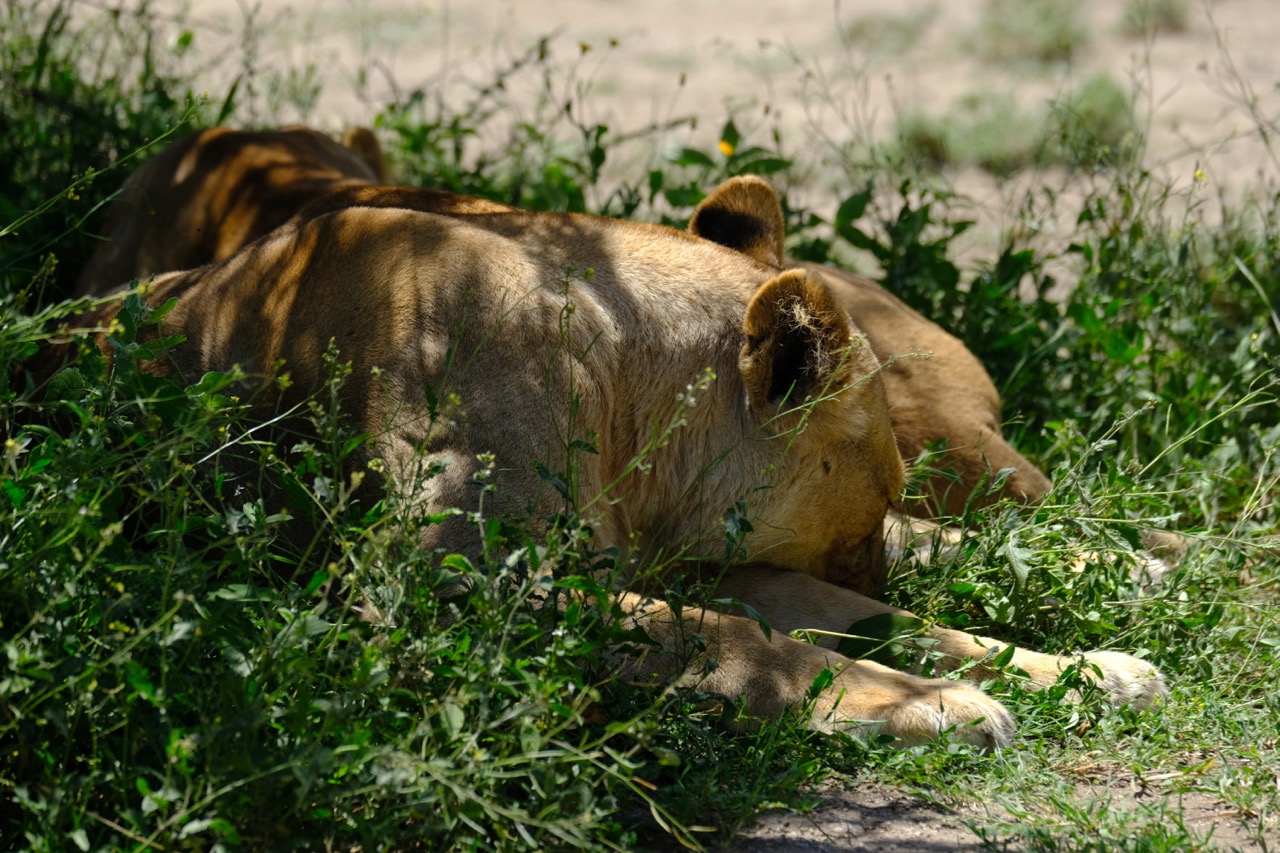 We also found a couple different groups of lions, all sleeping in the shade through the heat of the day.
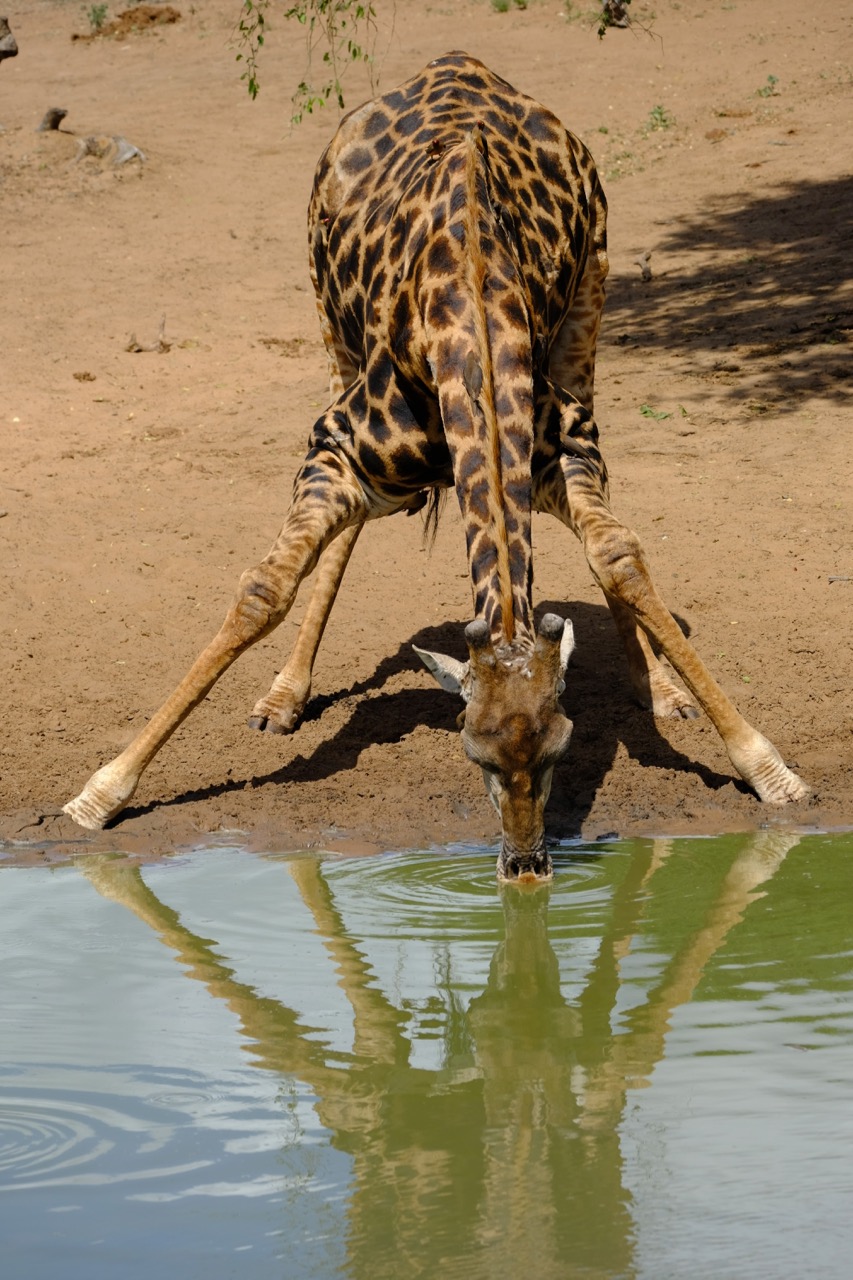
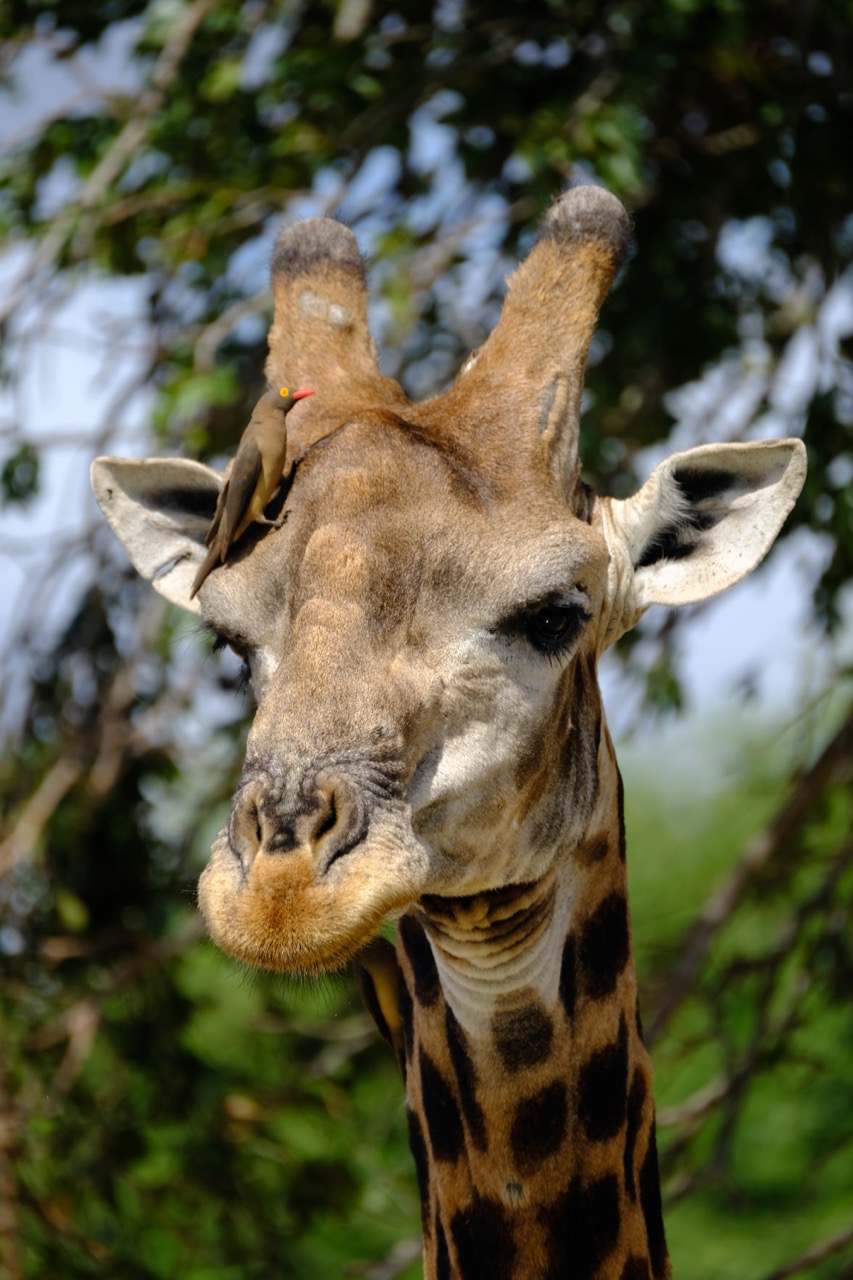
 Of course, there are always giraffe, gazelles, antelope, hartebeest, and elephants.
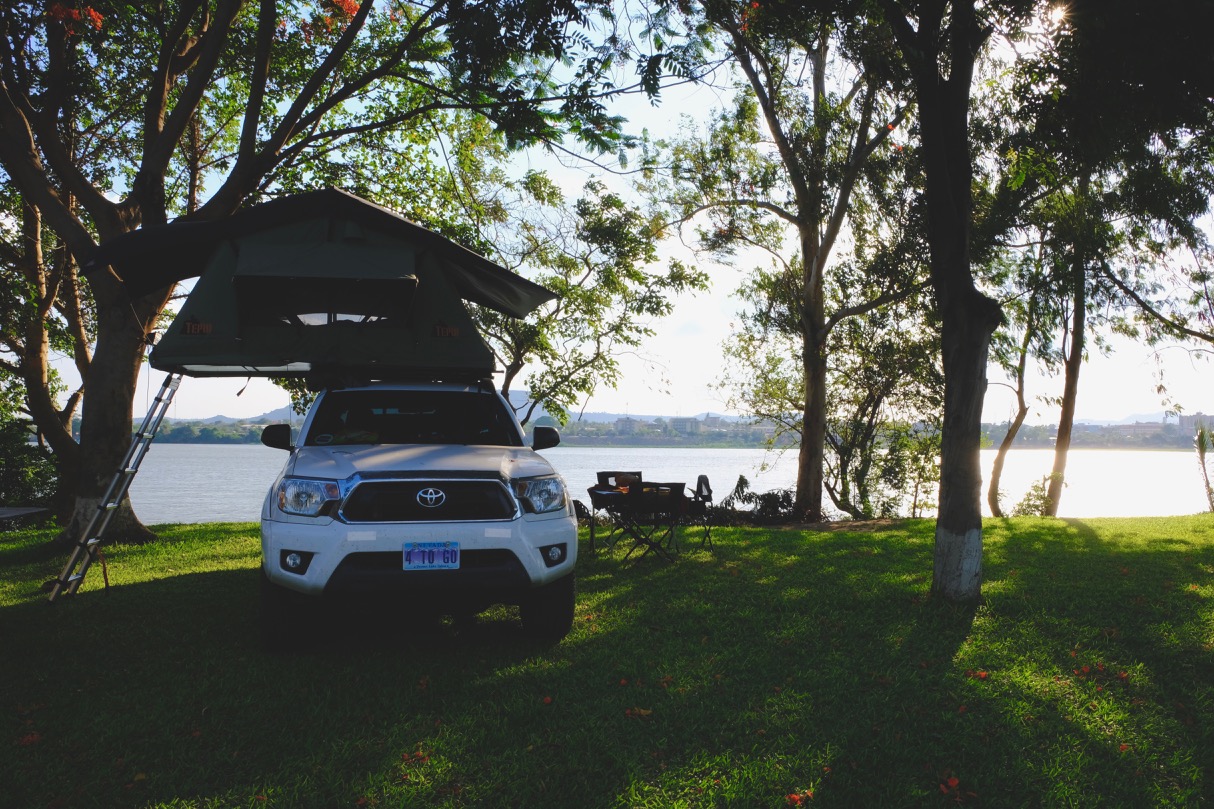
 Our second and third nights were spent wild-camping in the Seronera area. While these sites cost more, must be reserved and are assigned, there are no facilities or services available. Essentially it is a designated plot of wilderness with a small fire ring. You must bring in all of your own water, seating and sanitation facilities and all refuse must be carried out of the park as well. Without fencing or guards, you are on your own to deal with anything that comes through camp. Sleeping in our roof-top tent raises us off of the ground so buffalo, rhino, and hippos are not a concern. It also makes us look more like an inanimate object so leopards, lions and the like do not typically view you as food. The only real concern is for elephants because they are large enough to turn over the entire car if angered. The good news is that they really only do that if you’re bothering them so it is relatively easy to avoid. During our previous attempt at wild-camping at Ruaha National Park in Southern Tanzania, we miscalculated our timing and ended up in a very challenging situation at sun-down. This time we were prepared – we arrived back in camp with plenty of time to set up and eat dinner, we had two bright flashlights with us to light up any areas of concern, and we planned easy meals with little or no clean up. In contrast to Ruaha, everything went smoothly without so much as a hiccup.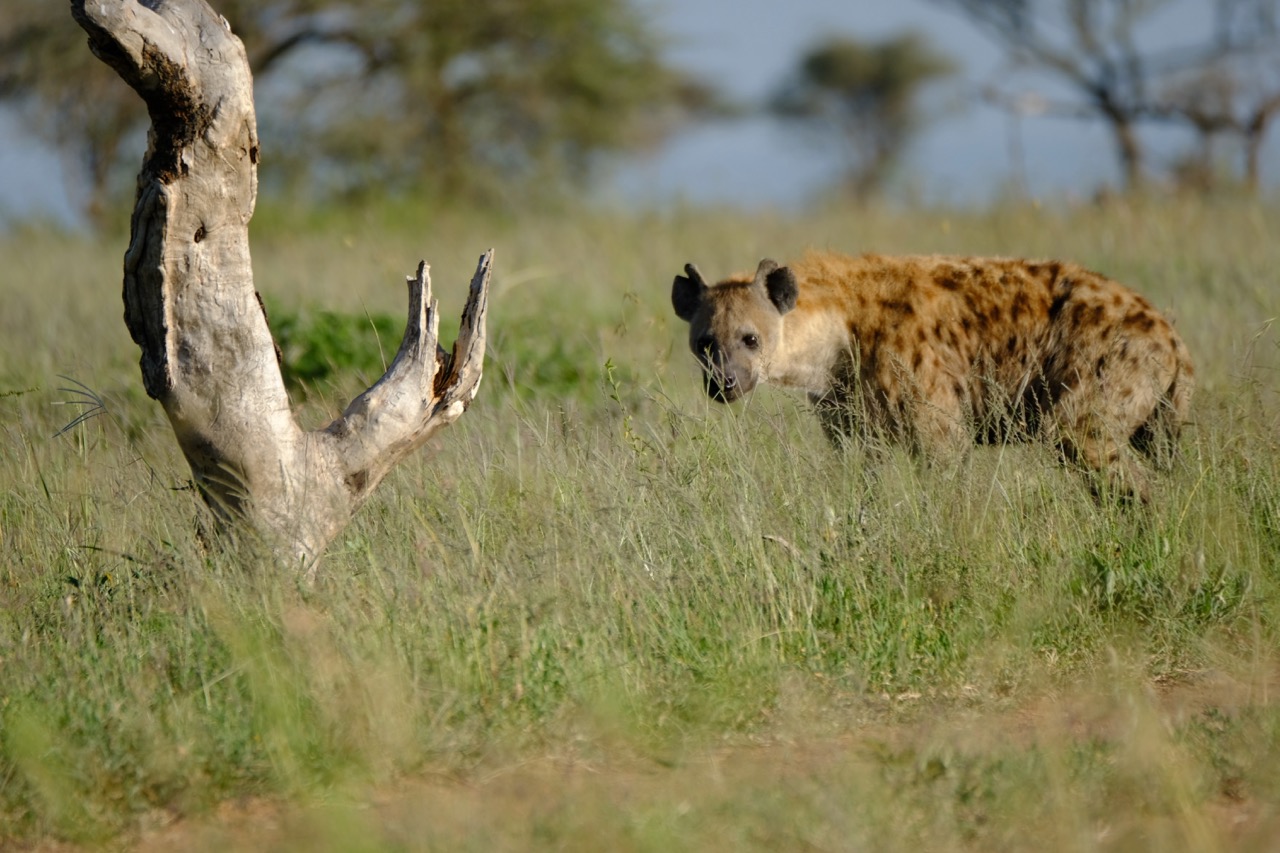
 Upon leaving the park, we all felt a sense of pride in our adventure as there are not a lot of people who self-drive the Serengeti. It is perhaps the most adventurous thing we have ever done. As we traversed the park, we noticed that we were talking with the driver/guides, not the tourists, when we would cross paths. They frequently wanted to know what we were doing, where we were from, and how we managed to do it on our own. Most seemed moderately impressed, especially with the kids in tow. In return, the guides would tell us what they had seen and how to get there. Perhaps this is part of what makes traveling a different experience than going on vacation. Traveling put is on equal footing with the local guides, not the paying guests, so showed us a different aspect of the amazing Serengeti.
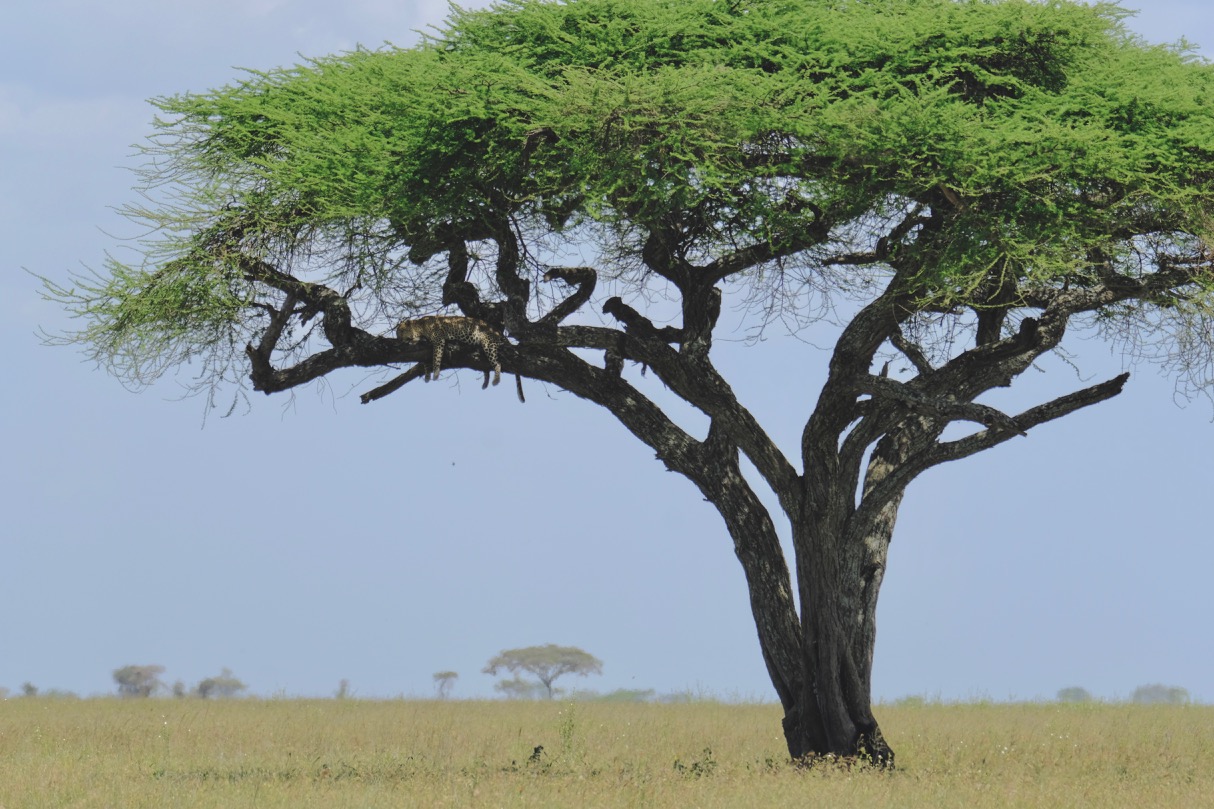 Should you ever be interested in seeing the great migration or going on safari, we highly recommend it as it is a life-time experience. Yes, to do it is a large investment of both time and money, but it is typically a “once in a lifetime” opportunity that cannot be replicated elsewhere.
 Leaving Tofo Mozambique was difficult for us. As Lucia noted, we spent longer settled in Tofo than any other location outside of our home in Nevada. We had made new friends, learned new skills, and became familiar with the community. It was a wonderful experience which we were sad to see end. However, the definition of traveling is moving from place to place, so we embarked on a road trip north through Mozambique, Malawi and Tanzania. Driving away from Durban in our truck was our first experience of independence in Africa, but it was only for a few days and mostly in South Africa. Our new South African friends, Graeme and Malcom, had prepped us well with insider information – where the best places to stop were, where to watch out for speed traps, how to handle any police checks you encounter, etc.
 The night before we left Tofo, we stayed up in to the wee hours of the morning chatting about life and drinking far too many glasses of rum and whisky with the owners of the lodge. Malcom and Graeme had organized a lovely beach braai (barbecue) for our going away. As we watched the sun set and the moon rise on the bay – “God’s torch” they say – we shared tales of adventure, adversity, and the infinite power of family. One of the best aspects of travel is the ability to connect to people with which we seem to have so much in common despite being raised quite literally the opposite sides of the planet.
 The first challenge on our own for us was negotiating the Mozambique-Malawi overland border crossing. Unlike when you arrive at an airport and only have to follow the herd and have your passport stamped, overland border crossings are often chaotic, confusing, and incredibly stressful. Frequently the buildings are not marked so you are not really sure where to go. Floundering your way through, hoards of touts/runners/con-man-cum-money-changers/fixers pounce as soon as they see the confusion on your face and the color of your skin. Negotiating your way through them without being rude is an art form in itself. While not wanting to turn down genuine offers of assistance, too often this assistance comes with a “price” later on in the process. As an introvert, these situations stress me out.
 Once through getting our family into the country, we then have to import the truck; another challenge as the requirements vary by country. In some countries you must purchase third-party insurance specific for that country, but in others it is included in the road tax. Some countries have a road tax which you must pay up-front, others do not. Some countries charge an import tax on any extra fuel or food you are carrying, others do not. Unfortunately there is not a clear “this is what you need to do to enter our country” document available so we must rely on the kindness of officials to let us know what is needed. As the primary logistics researcher, I scour as many sources as possible to find out the requirements before entering, but still ends up a hot mess when it is all done.
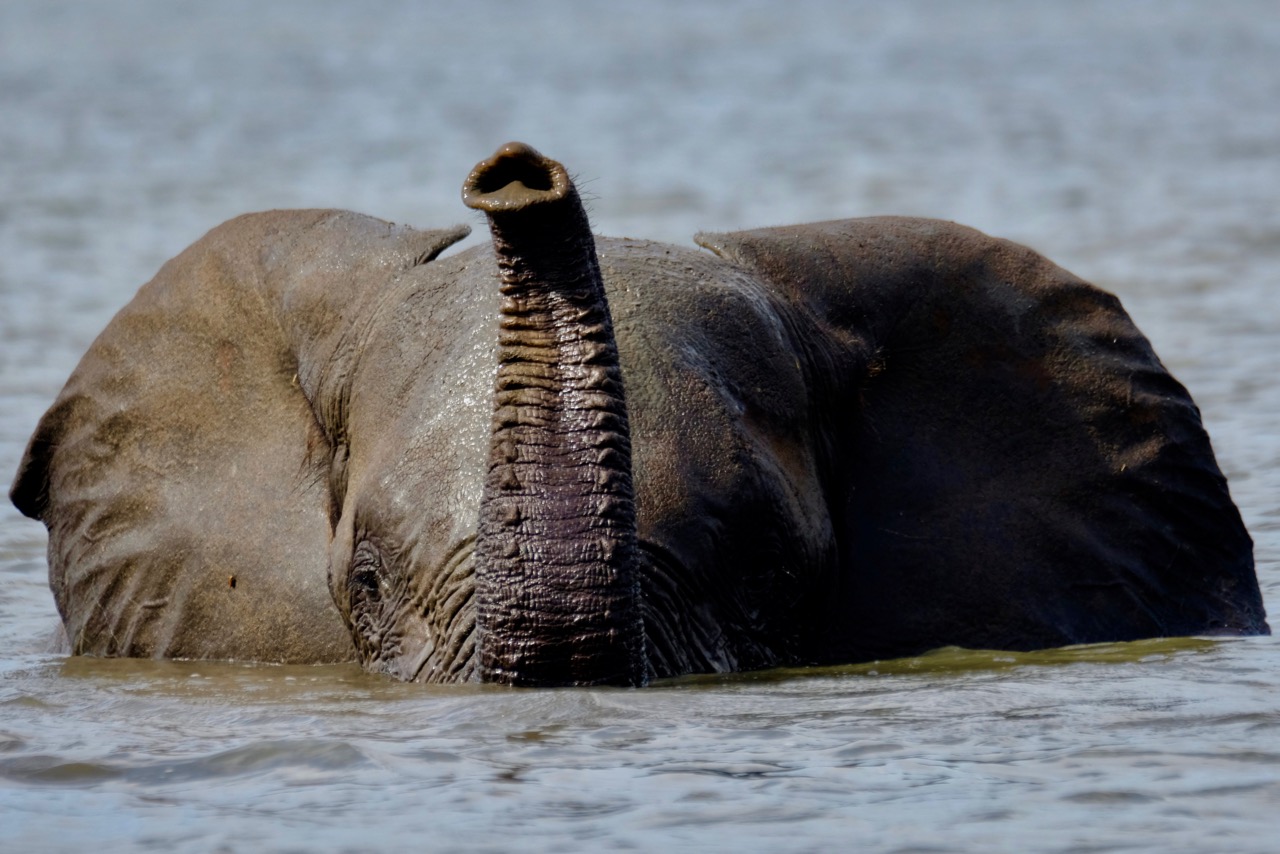
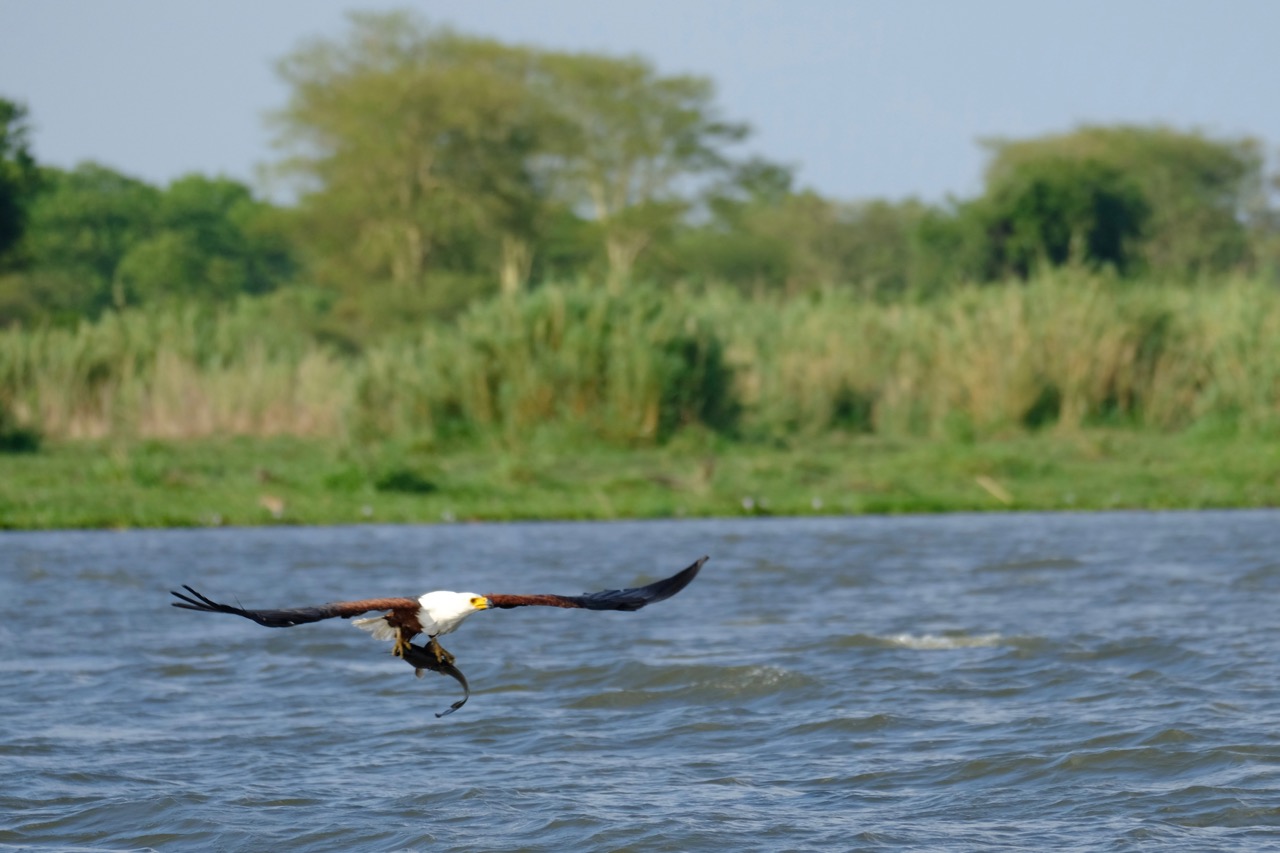
 After negotiating the Moz-Malawi crossing on my birthday, we purchased the biggest pile of ripe red mangoes you can imagine for a little more than a dollar, and headed to Liwonde National Park for a few days of game viewing. We were warmly welcomed to our camp on the outskirts of the park, set up our site, and participated in the African tradition of a sun-downer cocktail before dinner. A quiet night’s sleep was welcomed after the stress of the border crossing. Game viewing the next day was eventful in a mild way. Early rains had washed out the main road which penetrates the park so we drove through areas we could access. Along the way we saw many elephants, bushbuck, fish eagle, hippos, impala, etc.
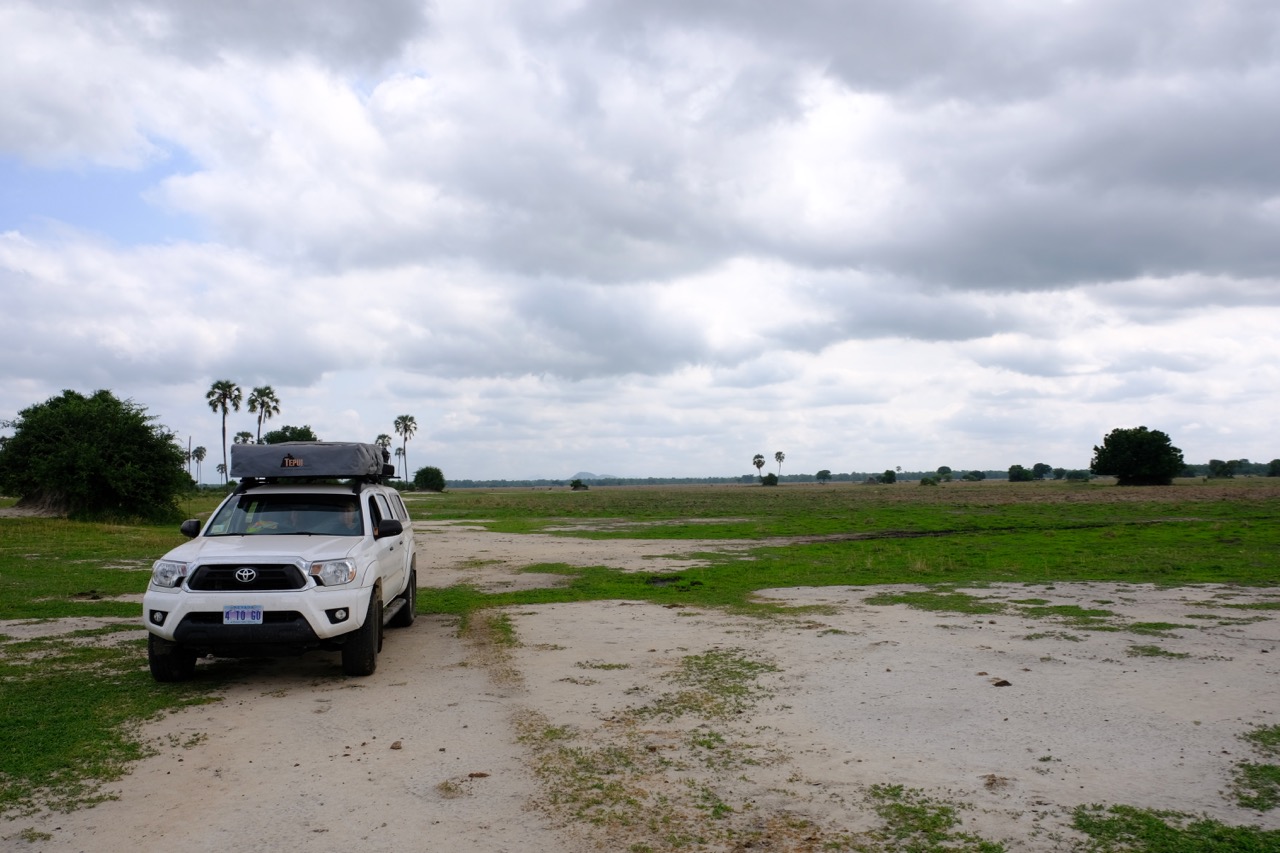 One of the benefits of self-driving a safari is that you can stop where and when you want for as long as you would like to be there. We had left camp early to have the best chances of seeing predators so by 10:00am we were hungry. We found a large open area on the edge of an oasis, unpacked our breakfast and enjoyed watching the natural world move around us. An impala was hiding in a bush about 200 meters way. A hippo lumbered across the open space looking substantially like a waddling propane tank. The vervet monkeys came out of the near-by rock pile to see what we were doing. A bushbuck swaggered somewhat lazily as it grazed on the green grass in front of us. In the distance, the water hyacinth lined oasis rippled with the activity of hippos, egrets, and fish eagle. It is an image I will not forget as it was the epitome of peacefulness – no planes, no cars, no cell phones, no construction – just quiet African life.
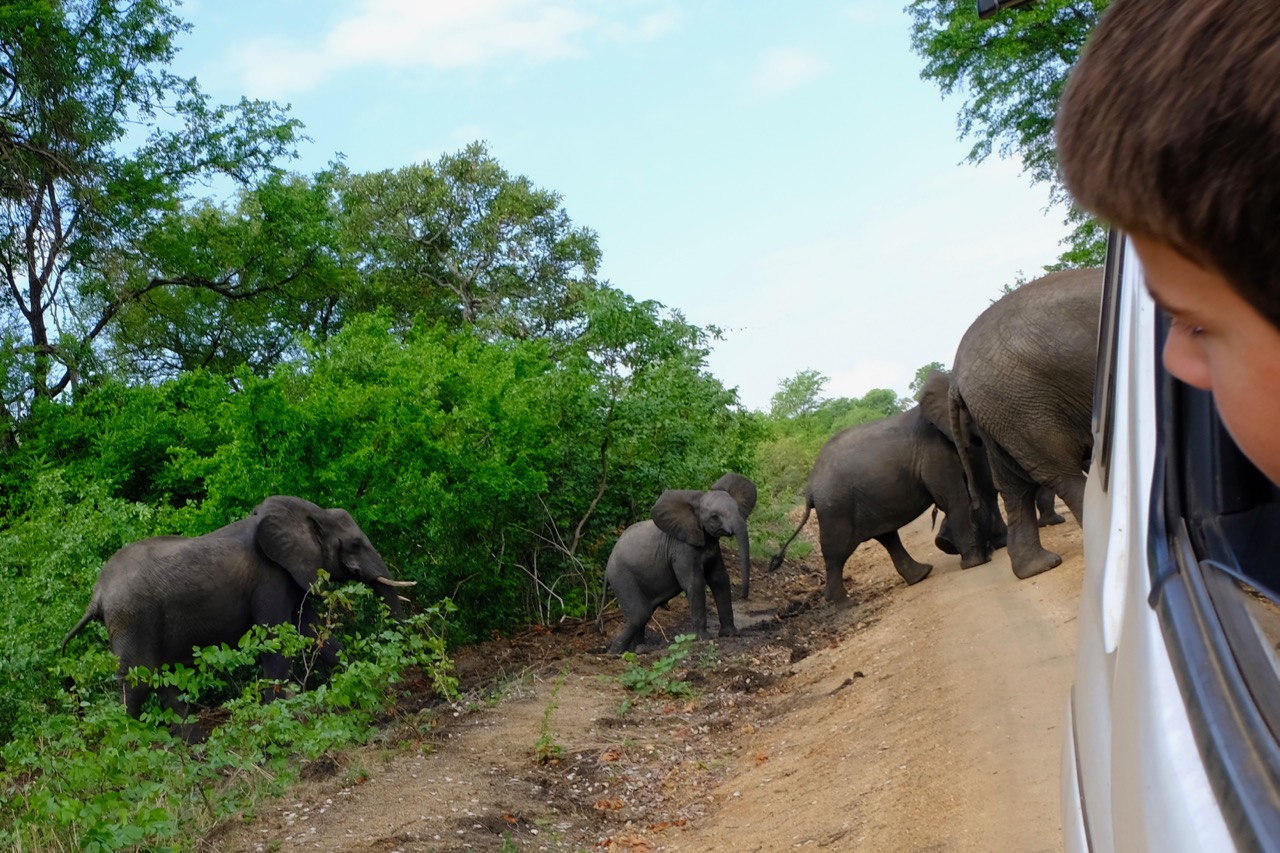 Our afternoon safari was a boat trip up the Shire River (pronounced she-ray). Before we even boarded the 20’ public launch, we were surrounded by buffalo, hippos, a fish eagle and even a lone elephant munching on the tall grass. The guide quipped, “Well, guess you’ve seen everything now so we don’t need to go anywhere!” Heading up the river we were enchanted to see many more hippos, herds of elephants including a young male group frolicking in the river, crocodiles, a fish eagle hunting, and of course, more hippos than one can count. All-in-all it was an extremely successful 24 hours of game viewing despite the absence of predators.
 Continuing our progress north, we exited Malawi and entered southern Tanzania, once again braving the touts/fixers/money-changers. This border crossing ended up taking us much longer than anticipated so we found a campsite in the field of a welcoming local farmer for the night. The next day we proceeded to Kisolanza Farm for a couple nights of respite in a guest house. The farm is run by Nicky Ghauy, a dynamic woman probably in her early 70s, and members of her family. She runs a complex operation of cattle, Masai herders, growing her own feed, running a guest house, and supporting the local community members. On our last night as we finished a candle-lit dinner in one of the mud barns from the original farm, she asked us where we were heading to next. We told her that we planned on going to Ruaha National Park. She told us to be cautious as the lions there have recently become “quite cheeky” about campers. Neither of us asked more about what she meant by “cheeky” but we both had “oh my, what are we doing” feelings later that night.
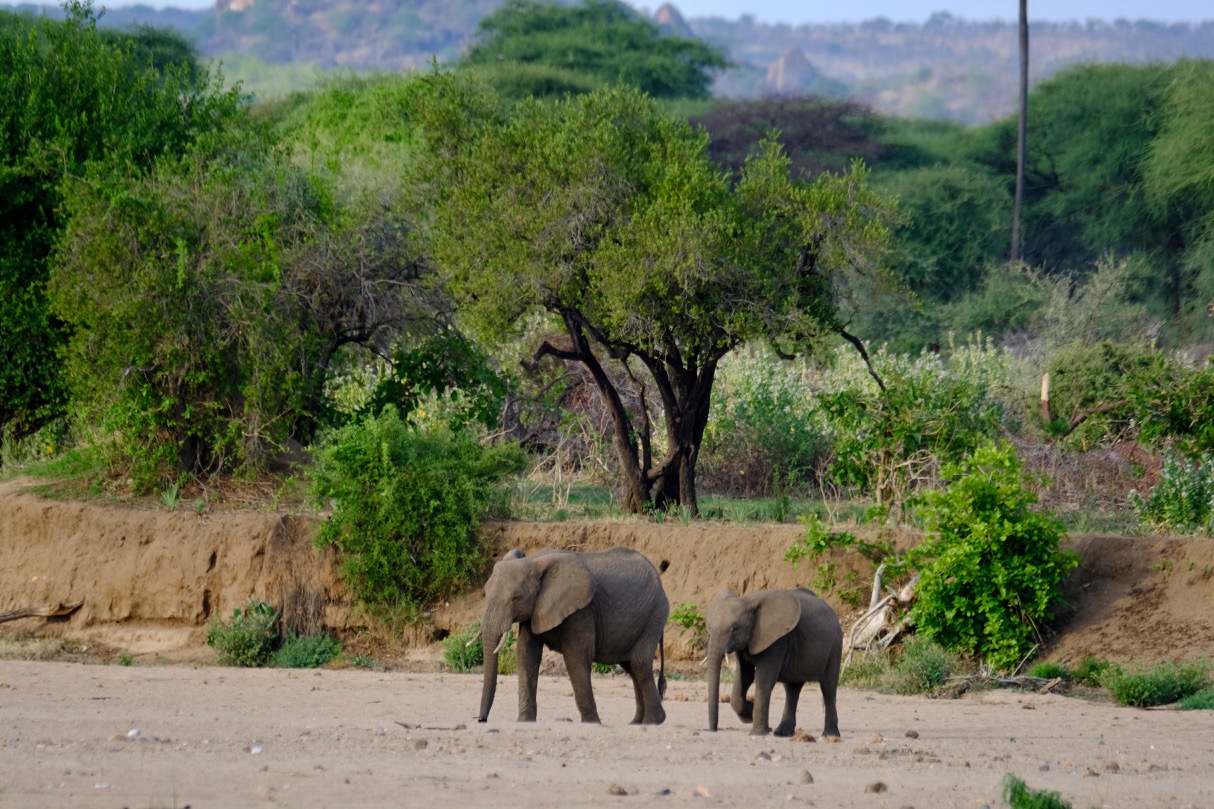 Recalling Nicky’s warning about there being “cheeky lions” and ready to not be prey, we simply locked the dirty dishes in the back of the truck and headed up to bed. As we drifted off to sleep in the bug-less safety of our nest on top of the truck, we could hear lions grunting far off in the distance. While lions do roar, they also make a low, guttural grunting sound that they also use for communication. A few good hours of sleep were then interrupted by the grunting coming closer. Every 30 minutes or so we would hear them, each time just a bit closer than the last. Colburn, Lucia and I would doze in between grunts but would awaken again to determine the new location. This went on for two or three hours until they finally were almost directly across from us on the other side of the sand river. We could not see them, but could tell that they were relatively close – maybe 200 or 300 meters away. Again, we wondered if this is what Nicky meant by “cheeky lions”? Would they come in to camp? If they did, would the lions try to get up on to the roof of the truck to get at our tent? We waited anxiously to see if they would cross the river, but they never did. The grunts became more distant and we were able to settle back in to a much more restful sleep. Restful that is, until a hippo or rhino (we never actually saw it) started munching on the vegetation around our car. As with the lions, eventually that animal moved on and we awoke to a lovely sunrise early the next morning. Somewhat nerve-wracked, I openly doubted the sanity of what we were doing. Are we making an irresponsible choice by camping in such conditions? Is this the type of situation that could become a news event? We discussed the viability of our future plans for camping in Selous and the Serengeti. If all nights were going to be this stressful, it is a situation not worth enduring. In the end, we decided that we had made some rookie mistakes that substantially raised the stress-level. First, we did not arrive in camp early enough to set up before the sun went down. This meant that we were moving about camp during some of the more risky times. In the future, we would cut our game viewing short to be in camp before the sun set. Second, we were preparing a meal that took a great deal of time to prep and cook. If we had made an easier meal, we could have been ready to eat in 15 minutes, not an hour. To avoid this in the future, we would alter our meal choice and plan to cook anything complicated as a mid-day meal then simply have a sandwich for dinner. Third, we did not have wood for a campfire so we were not only working with a dim solar lantern. A large campfire would have provided a greater circle of light for safe walking and fewer bugs being attracted to the only light source in the area. In the end, we decided that one sleepless night should not deter us when we had made so many poor decisions which could easily be avoided in the future. The process itself was wonderful, but we had not prepared fully. We could do better and would try again in the Serengeti.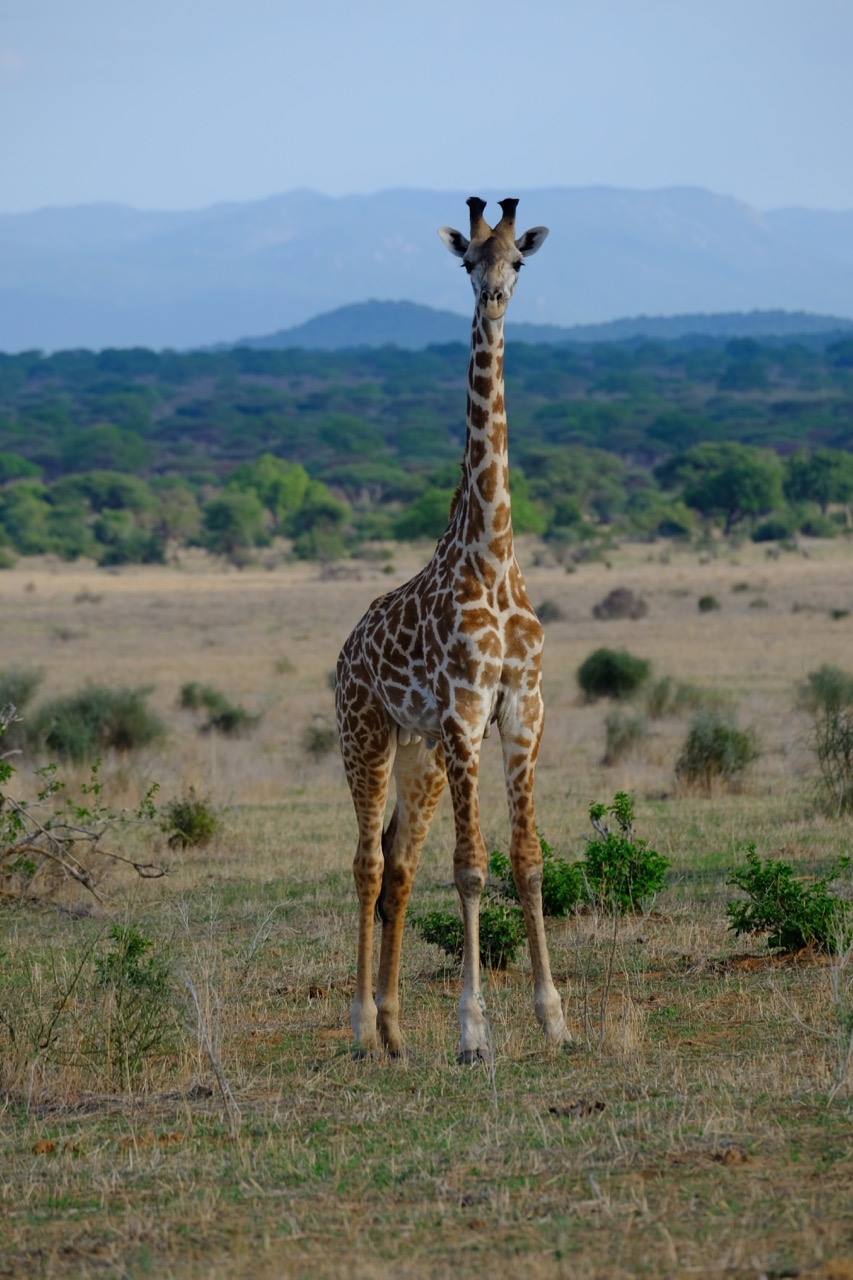
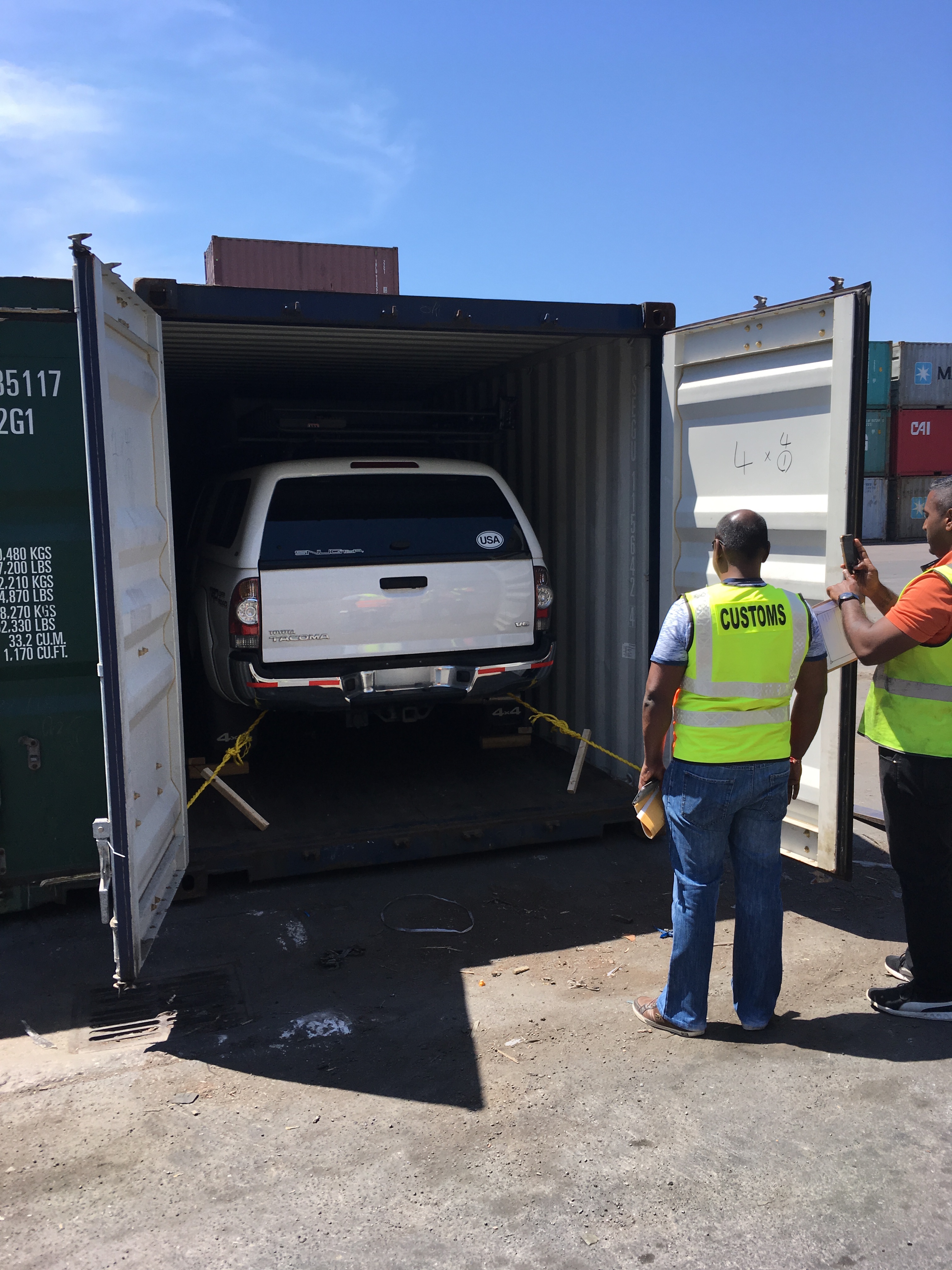 Leaving Madagascar, our life was impacted by three biblical events – a plague, a flood and a tempest – within 24 hours. After braving two hours of traffic in Antananarivo, we arrived at the airport only to be told that our flight had been cancelled because of a suspected case in the Seychelles had been traced back to Madagascar’s outbreak so they were no longer allowing entry from Mada. This meant that we were to be rerouted directly to Durban, our final destination. Just as we sorted out our arrangements for an early arrival in Durban, we were informed that there had been a freak storm two days earlier. The wind and flooding had knocked the power out at the home where we were to spend the week. The power company had come out twice but the power was still not on. Our host offered to cancel our reservation and let us find alternative lodgings but we really didn’t have the energy to do that so we opted to stay in the home without power. Additionally, the wind associated with the storm had wrecked havoc on the port, one of the busiest in all of Africa, turning two cargo ships sideways in the port mouth and running one aground.


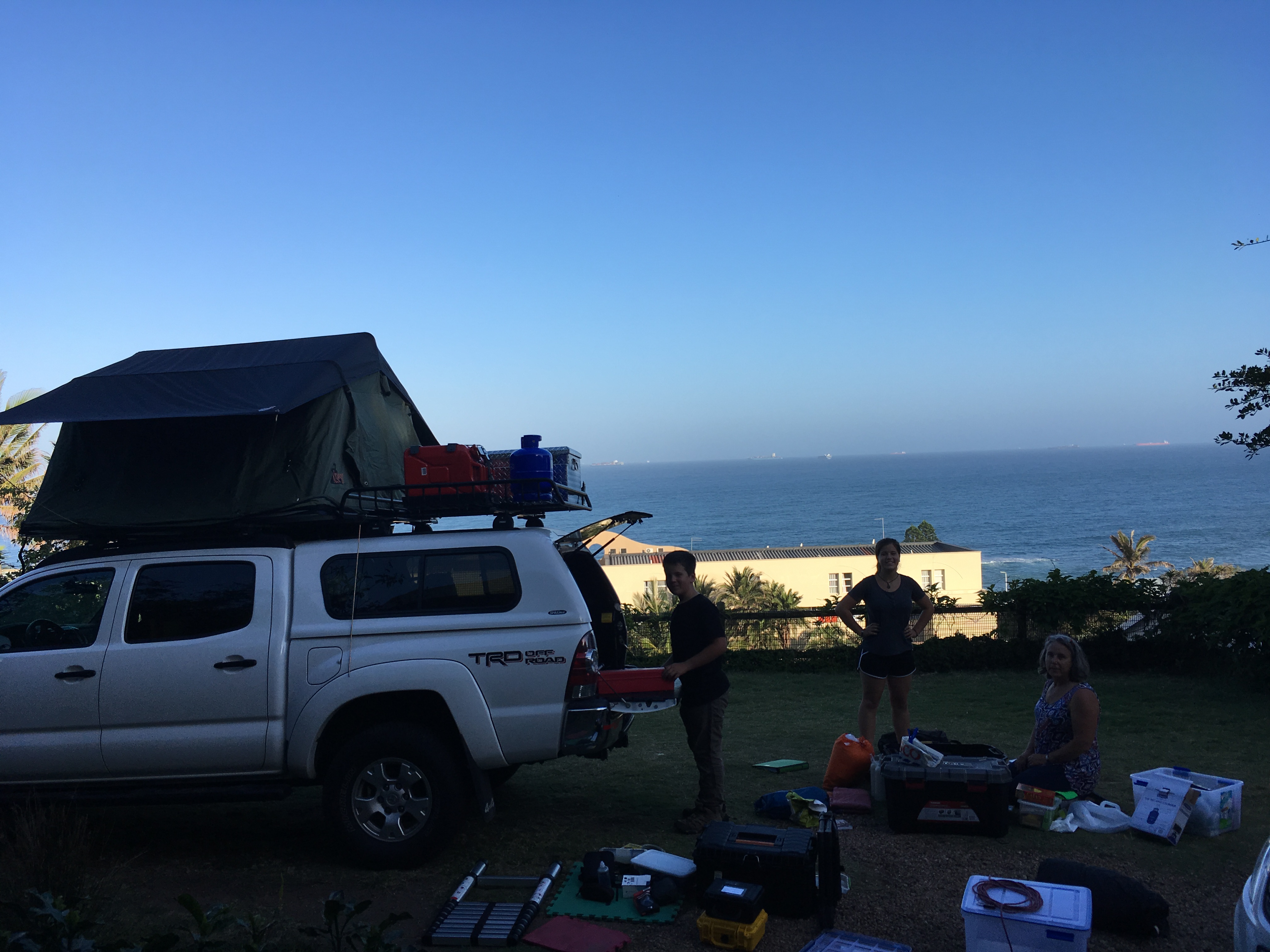


 An acquaintance very familiar with travel in Mozambique said that the differences in infrastructure will be obvious as soon as you cross the border. This ended up being the understatement of the year! Quite literally, the pavement and structure of South Africa ends at the border gate and disperses in to several very convoluted sand tracks across an open plain. No longer are there road signs, curbs, pavement, or any suggestion of order. Armed with a paper map, our GPS app, and a Portuguese phrasebook, we immediately got lost. There were five different roads in front of us but both the map and the GPS only showed two. Not sure which road to take, we chose the most traveled one only to have it end in a few hundred meters. We doubled back and chose a different one which ended up heading in the opposite direction of they way we wanted to go. Without anyone who we could ask for directions, we chose a third road which also ended up heading in the wrong direction. Just as we realized our error, a man in fatigues suddenly appears out of the bushes whistling us to stop but upon seeing us, asks in perfect English, “Where are you going?” When we reply, he points us in the correct direction and we head off down a deeply sandy track. After several kilometers, the sand becomes more firm and the road more obvious.
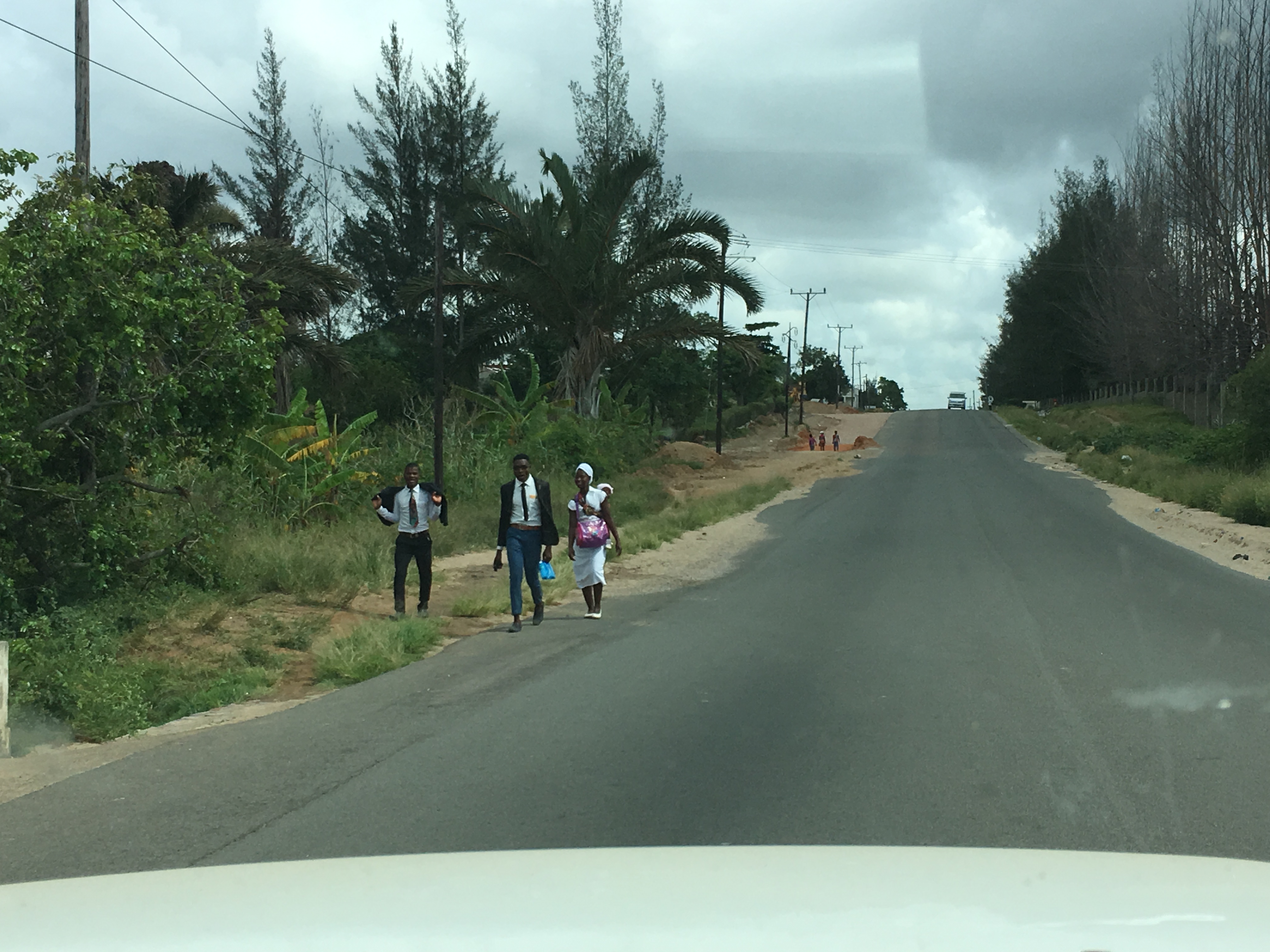 There is a great deal of Chinese investment in the infrastructure of sub-Saharan Africa. One of these projects is a main road between Kosi Bay and Maputo. Although not yet complete, the upgrade makes traveling this way quite easy so we reached Maputo in a couple hours.
 Four hours later, the sun had set, the full moon had risen but we hadn’t moved an inch. As it turns out, the single remaining vehicle ferry had broken down and was being repaired. We were now worried because every blog, guide book and traveler warns that you should not to drive in Africa after dark. Here it is our first night on our own and we are breaking that rule! I explored options for staying in the town where the ferry starts or just on the other side in downtown Maputo, but there was nothing suitable for a family with a big truck. The closest place we could find was about 30 minutes north of the city, but down a 4×4 trail we would have to negotiate in the dark – definitely sub-optimal but perhaps a necessity given the situation. Not knowing when we would actually be able to cross the river, we waited….and waited…..and waited.
 Four hours later, the ferry was fixed and the line of vehicles inched forward. Along with probably 200 people, 20 or so cars were packed on the rusty barge and set off under the full moon. Although the waiting is frustrating, the actual experience of crossing on the barge was magical. Vehicle passengers stay in their car while walk-on passengers fill in every possible empty space between, in front of, on top of and behind the cars, leaning up against the car or sitting on a bumper. Even the ladders to the bow of the boat are chock full of people hoping to get a little fresh air. From somewhere off of our right side, we can hear a group of passengers drumming and singing. Just to our left, a group of probably 10 middle aged men and women are chatting excitedly in Portuguese and laughing full-belly laughs. We see a group of 20-something young men doing shots of whisky straight from the bottle but all in very good nature. The moon is lighting up the skyline and new bridge being built. Several men ask Colburn about our truck – what kind is it, what are the specs, how did we get it to Mozambique, how much does a truck like this cost in the US, where are we going, etc. We noticed several people taking “selfies” with our truck – all with very macho poses as if the truck was theirs. Other than the Portuguese couple in the car next to us, we are the only white people on the entire ferry. The combination of being in a place so utterly different on such a beautiful night made any concern we may have had disappear for this is why we travel. Unfortunately, we did not get a decent picture of the scene but it is etched in our memory as a highlight.
 We drove off of the ferry around 8:30pm, well after dark. The roads north of Maputo are tarred and in good repair so there were no problems getting out of town. Armed with my Portuguese phrasebook, I called the closest camp ground to see if we would be able to check in after 9:00pm. The man who answered replied yes, but to be careful as the road is a 4×4 trail so would be difficult to navigate in the dark. Colburn’s excellent driving skills got us to the camp without a problem, the camp host was waiting up to show us where to park, and we made dinner and went to sleep happy to have successfully negotiated our first day over-landing with just a map, an app and a Portuguese phrasebook.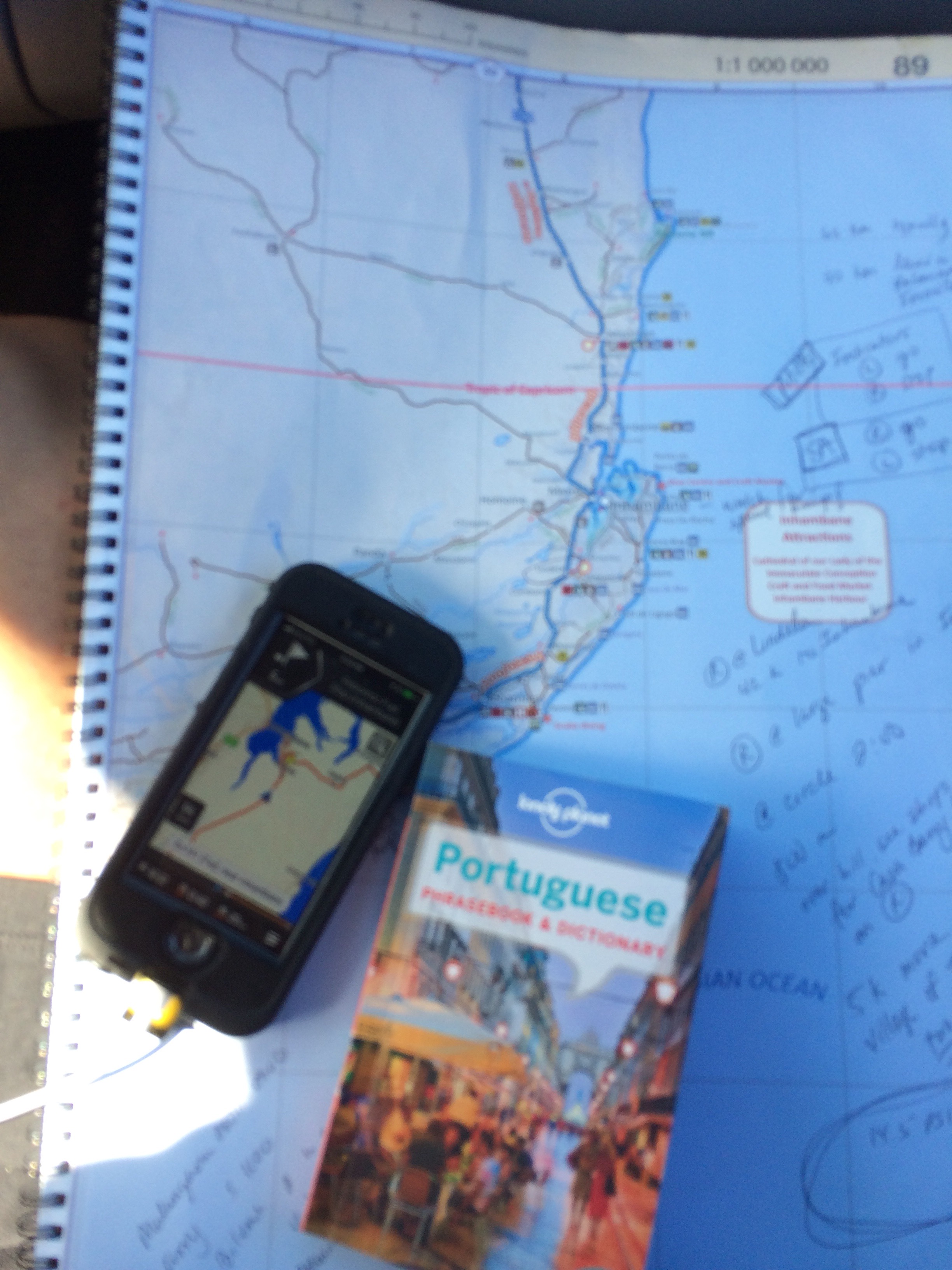


 Even after almost three weeks in Madagascar, the land remains an enigma. I am torn between loving it and being incredibly frustrated by it. The landscapes range from dusty desert-like open expanses with little but scrub and short dried grasses to thickly wooded rain and cloud forests, to the spiney forest of the south, perhaps the most bizarre environment I have ever witnessed (imagine 8-10 foot tall desiccated branching cacti bushes covered in three inch spines and red dust). Everywhere there are people farming, mostly rice, and 100% by hand. The poverty is obvious, Madagascar is one of the least developed nations on the planet but the smiles and welcomes are warm and genuine. Culture varies substantially by region, but family is strong throughout. The infrastructure is crumbling yet provides a needed lifeline for many communities. Drought has made life in the south tenuous, but elsewhere the taps flow freely.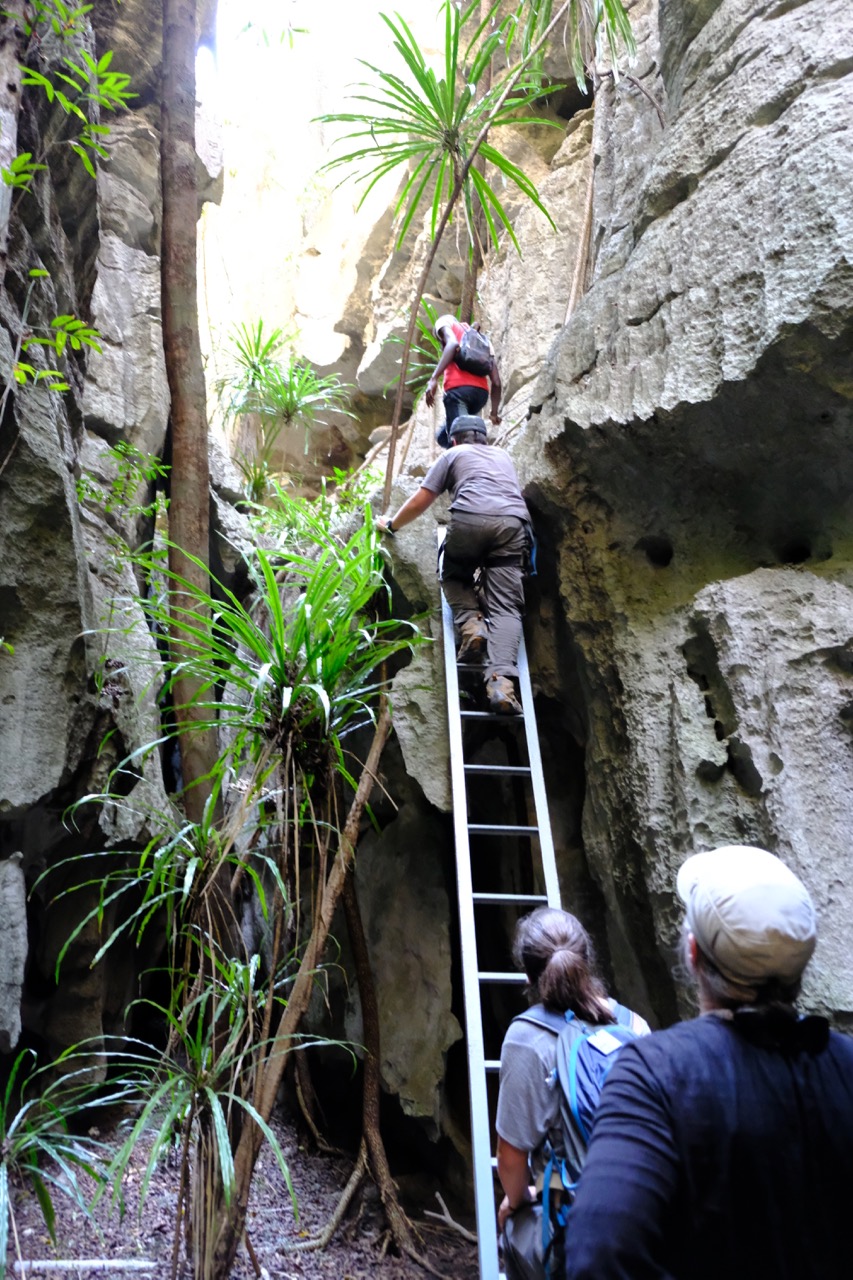
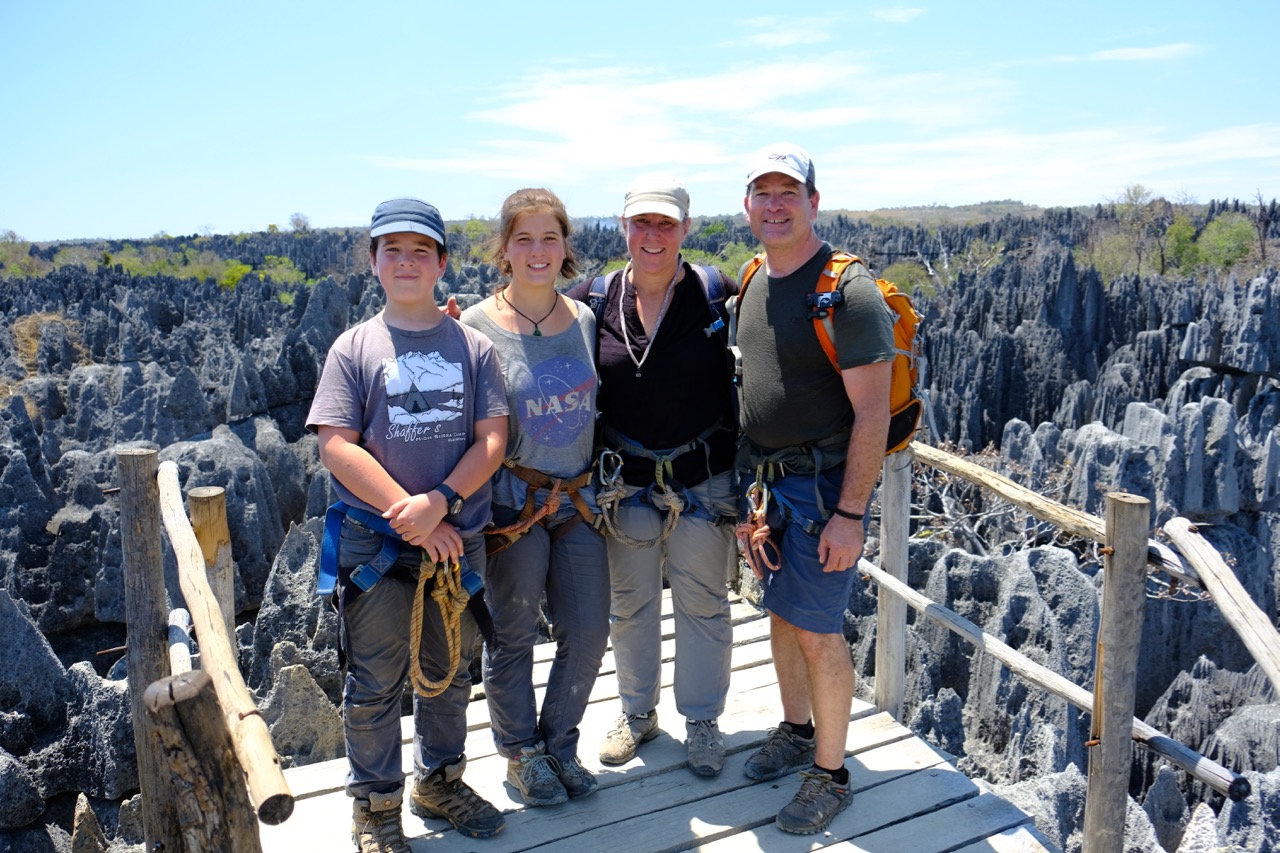 When we were planning our time here, it was difficult to grasp all that Madagascar has to offer. Despite days of Colburn’s research and hours spent correlating guide books with the maps, the combination of difficult but similar sounding place names (Kirindy Park is a day’s drive from Kirindy Matia Park, Antsirabe is not Andasibe, etc.) and wanting to see and do everything left us paralyzed, unable to make a decision. Madagascar is a large country – nearly 1,000 miles north to south – and difficult to reach. It took us three days to get from Scotland to Madagascar and included an overnight stop in Paris and a full day on Reunion Island in the middle of the Indian Ocean.
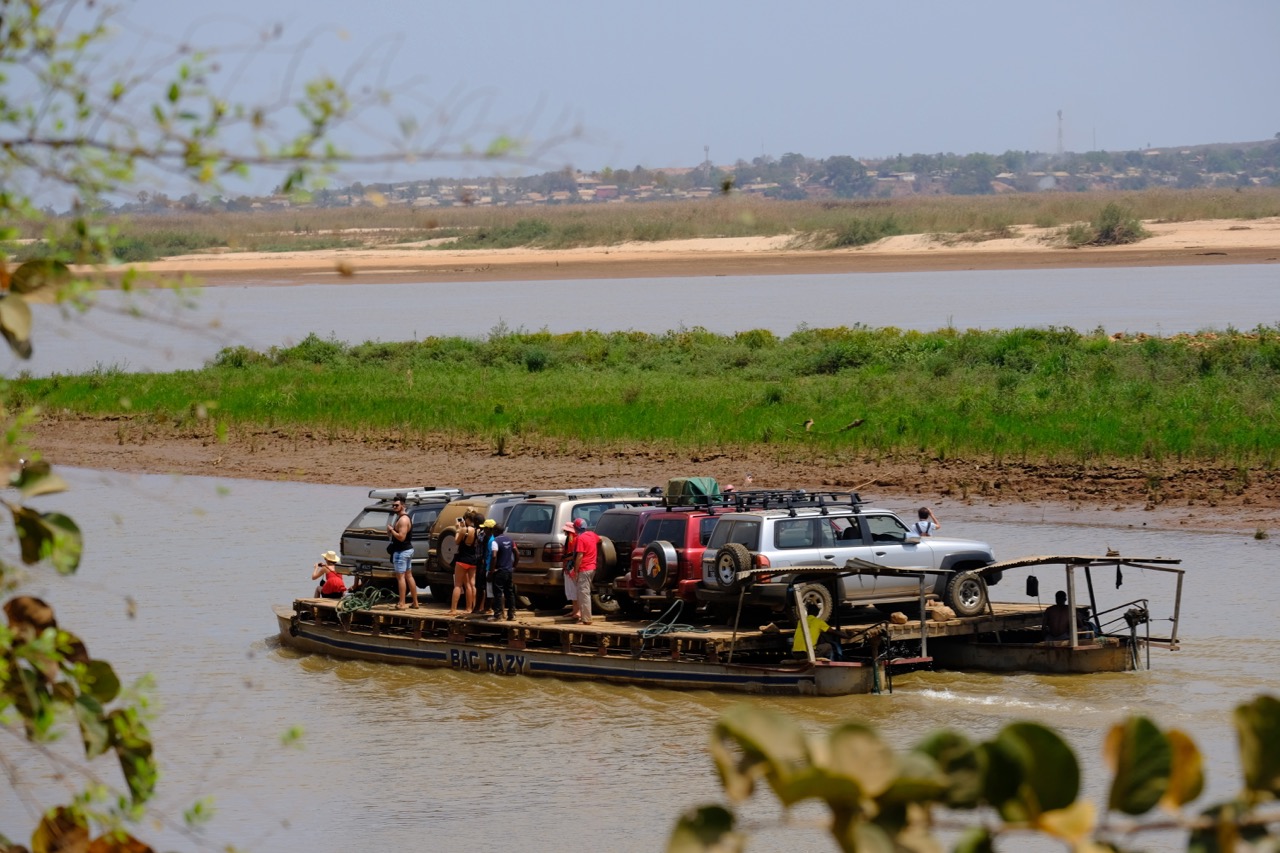
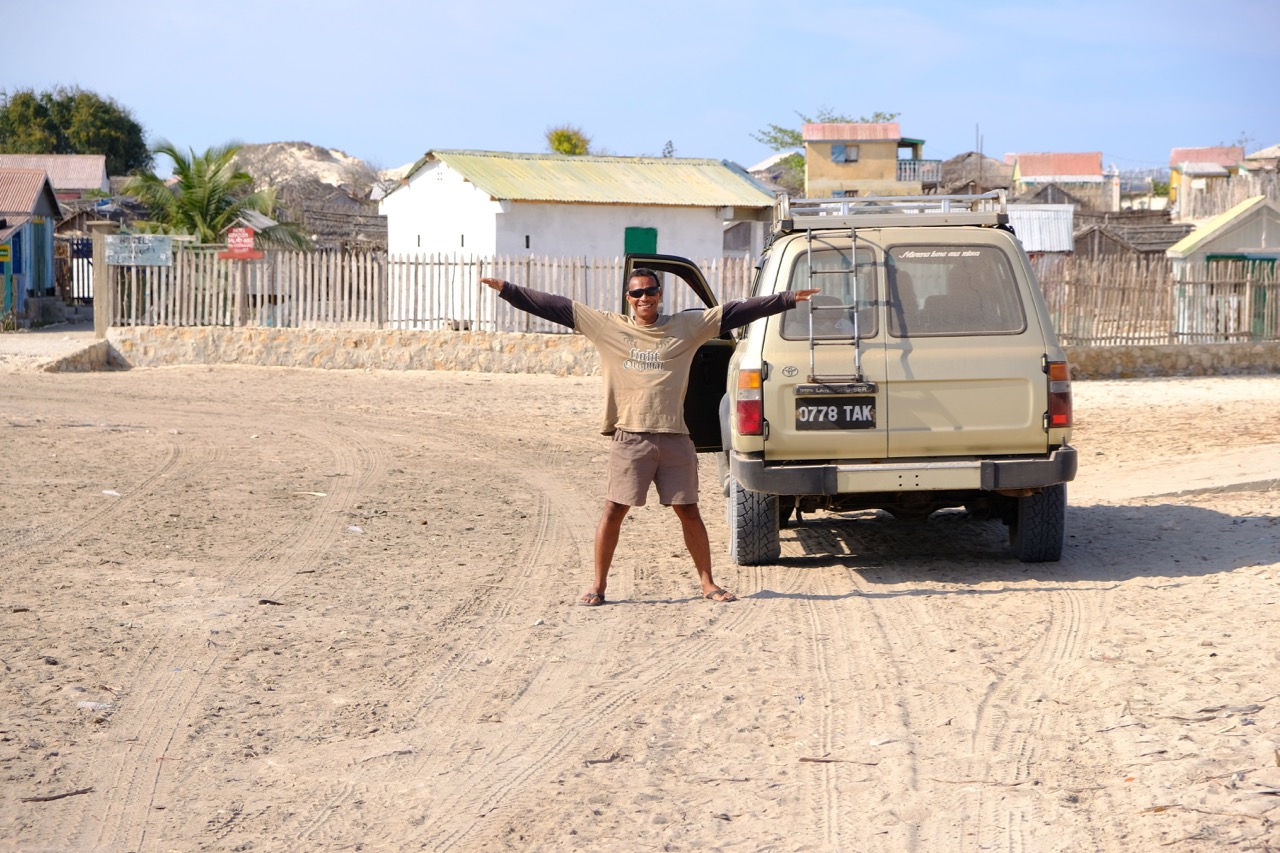 With the help of a tour agency which arranges a car and driver (pictured above), we finally decided on 20 days focused on the western part of Madagascar with a short jaunt east to see the Indri in the rain forest. This would allow us to do an extended four wheel drive trail down the west coast, see lots of lemurs, and walk through the tsingy – all classic Madagascar experiences. The plan was great until we had to shorten our time in order to meet our truck in Durban, arriving three days earlier than expected. We made a rookie mistake by cutting out our rest days, not changing our overall route. This meant that we would be moving every day, sometimes all day, which drags on you after a while. Driving on many of the roads might be best described as bashing, careening or hurtling, making our Madagascar road trip an endurance event of epic proportions.
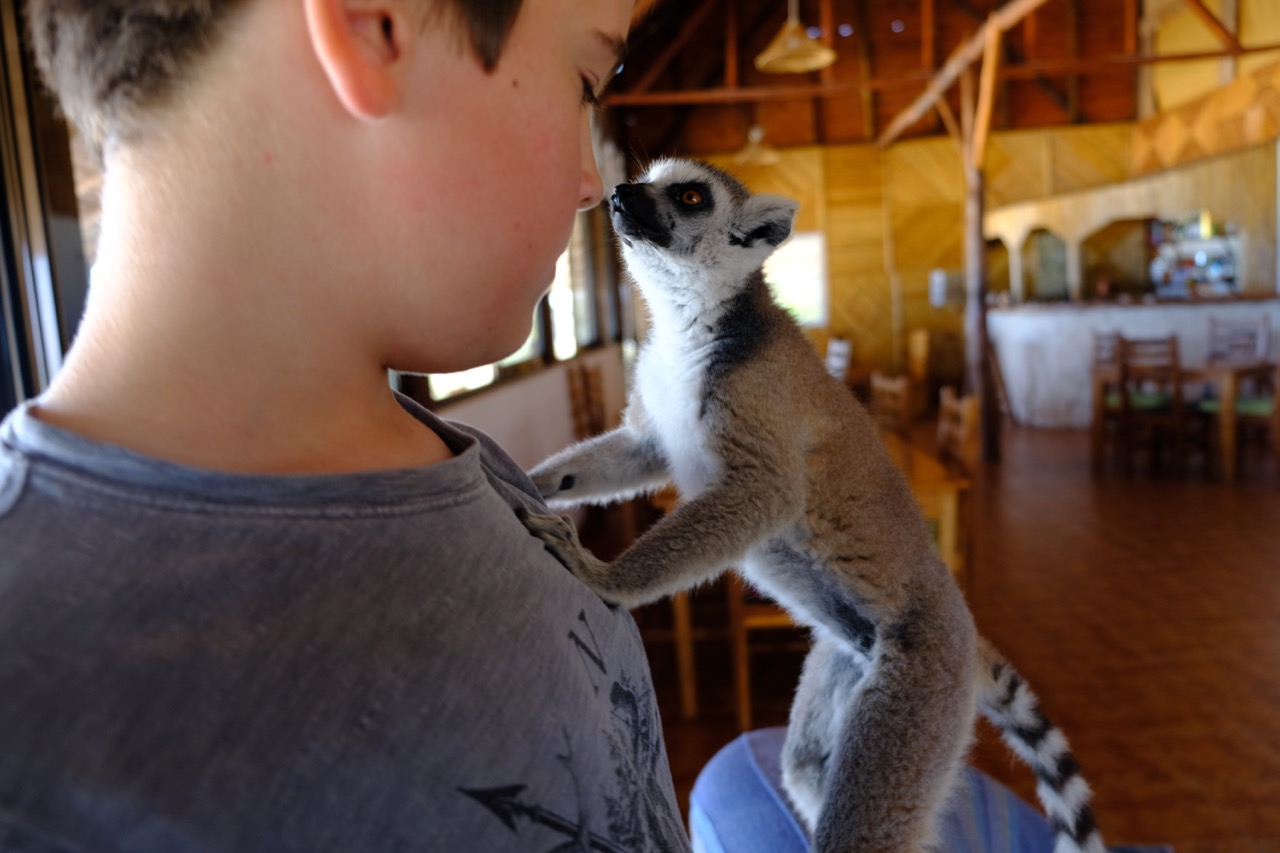
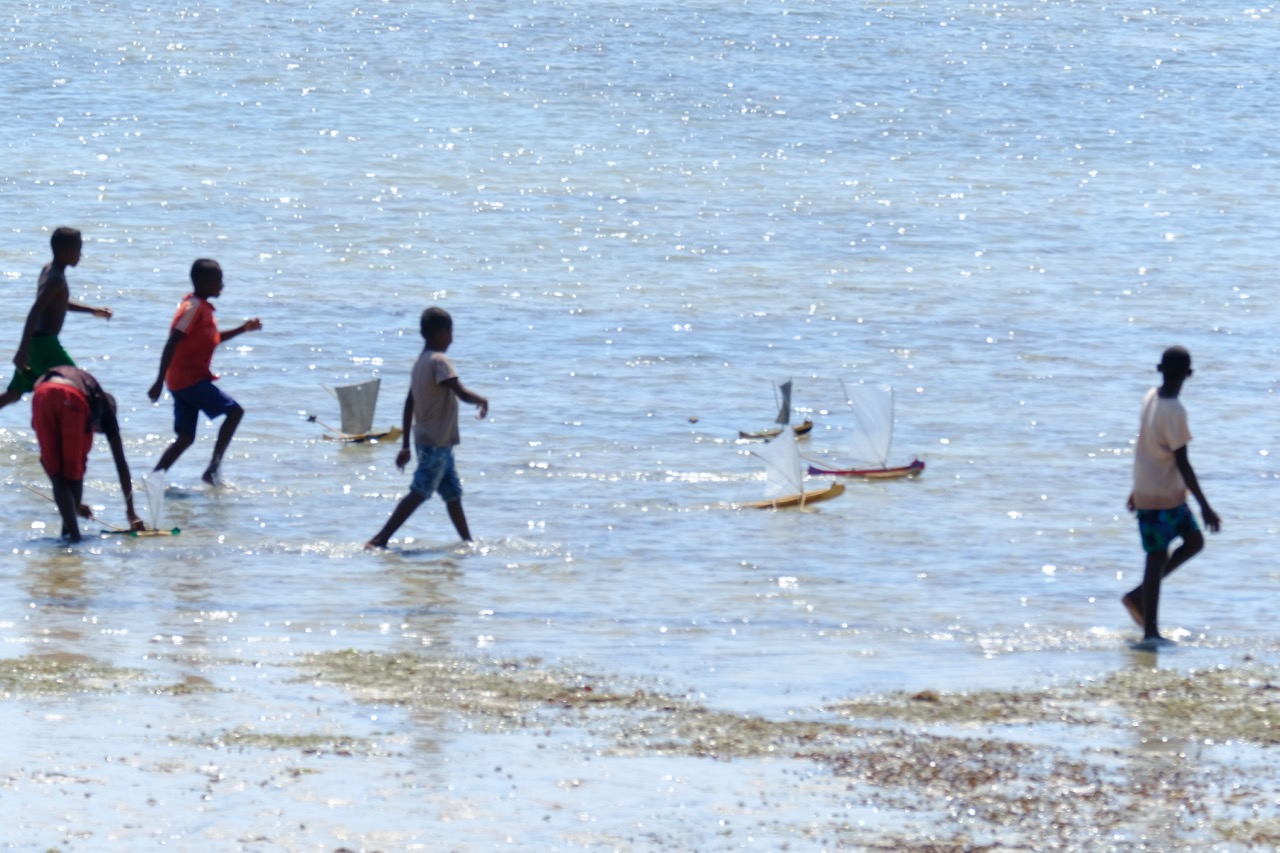
 Each day presented us with new experiences: the haunting call of the Indri on a misty morning, the unique greetings and enthusiastic shouts of “Salama!” from village children, dashing through the rainforest both day and night to find lemurs, intense dusty roads through a burned-out dystopian landscape, overloaded car ferries with chugging diesel engines spewing black smoke, the refreshing taste of drinking the water from a 17 cent fresh young coconut, people in their Sunday best lining the road for miles on end going to church on Sunday, seeing a body wrapped in white cloth being carried through a village, taking a dug out canoe to a small offshore island to learn about what the local Veza fishermen hunt, meeting a cheeky young ringtail lemur who fell asleep on Mac’s lap one afternoon then woke me from my nap by jumping on my chest and licking my face while I lay in bed. Each day was different, engaging, and brought with it a whole new set of questions.
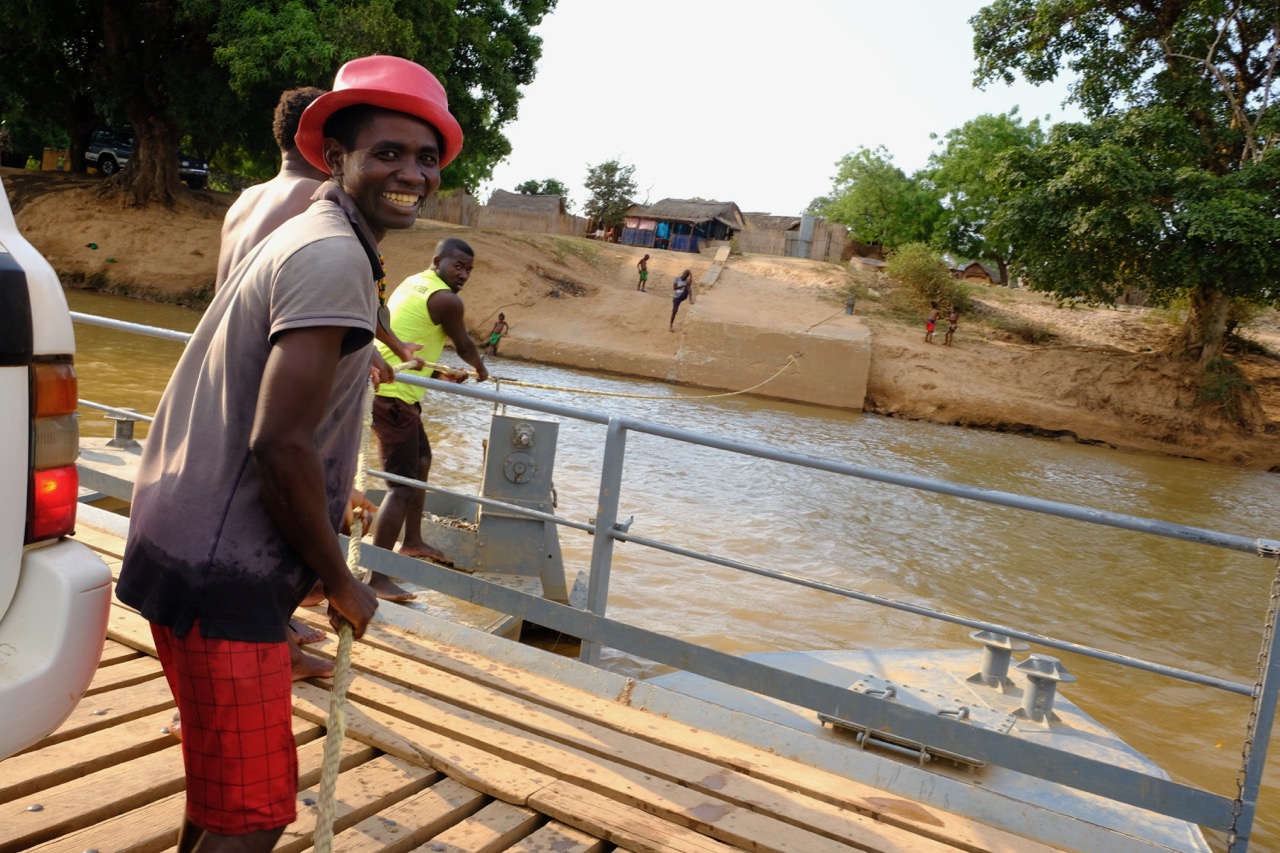
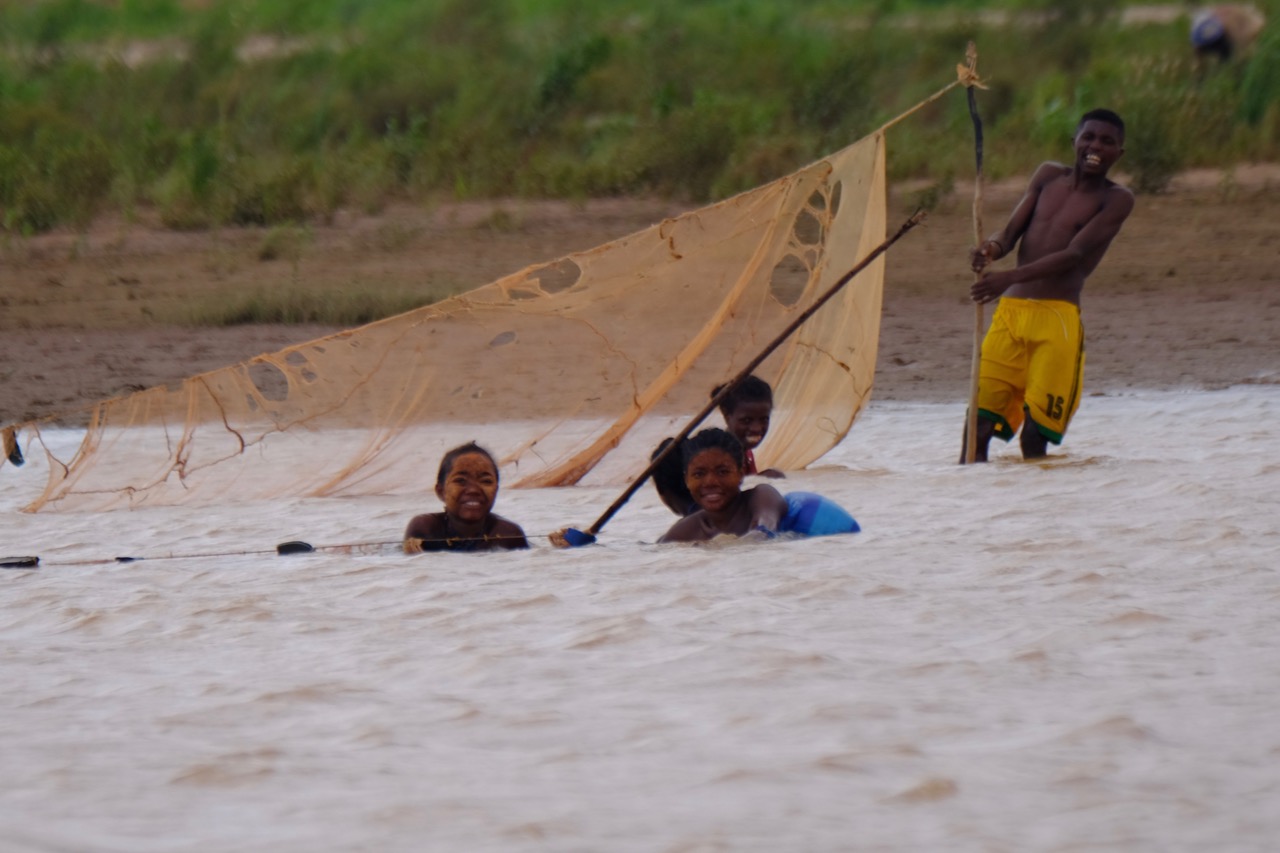



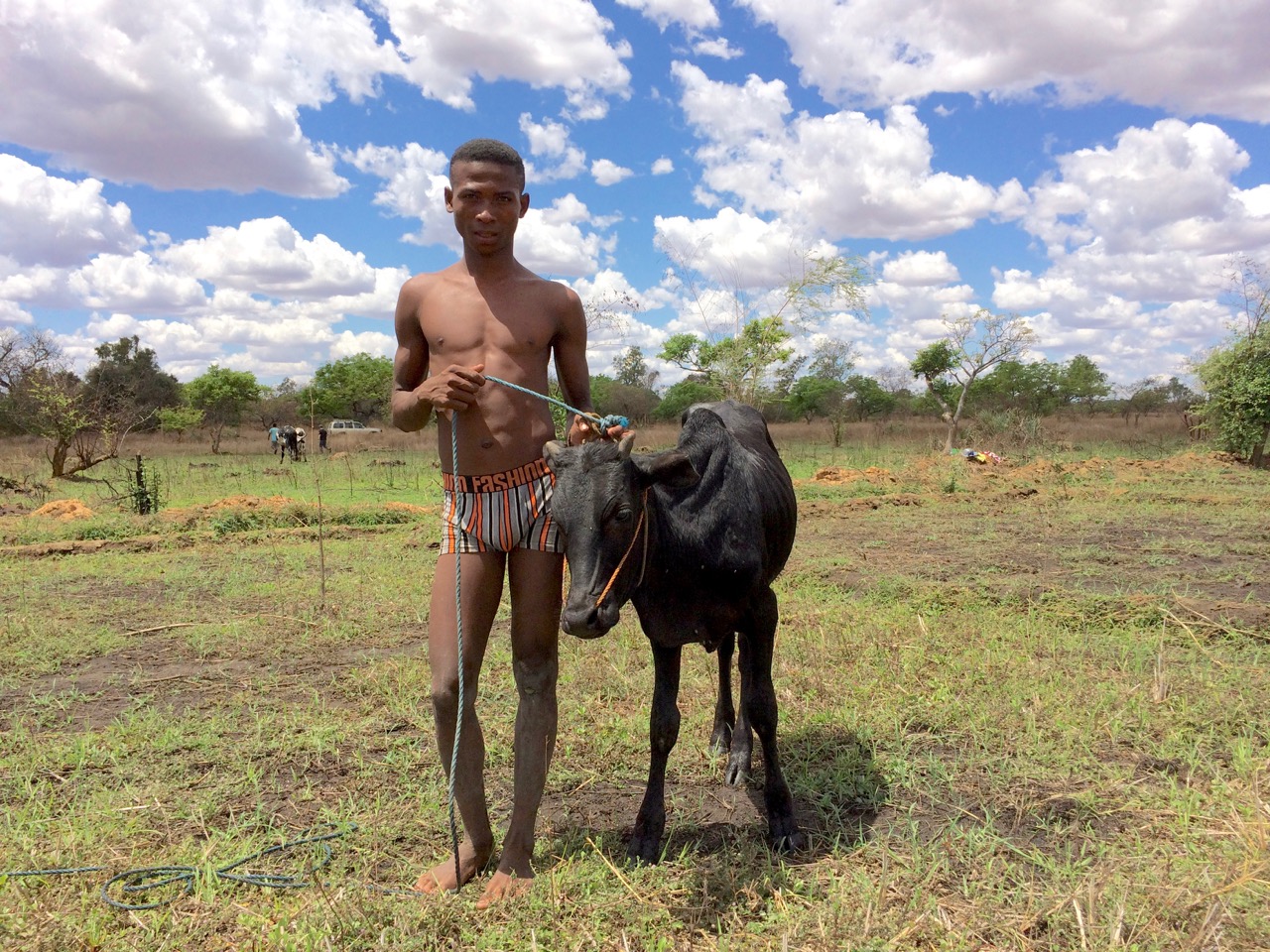
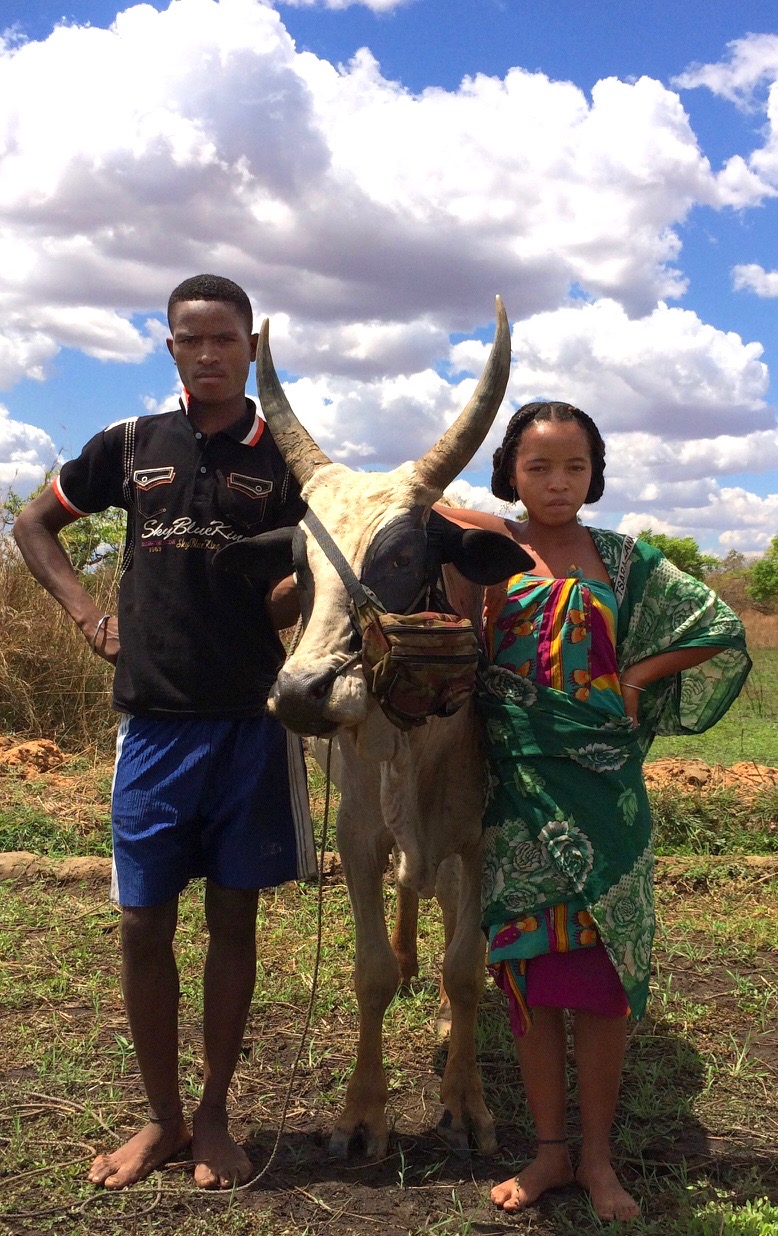


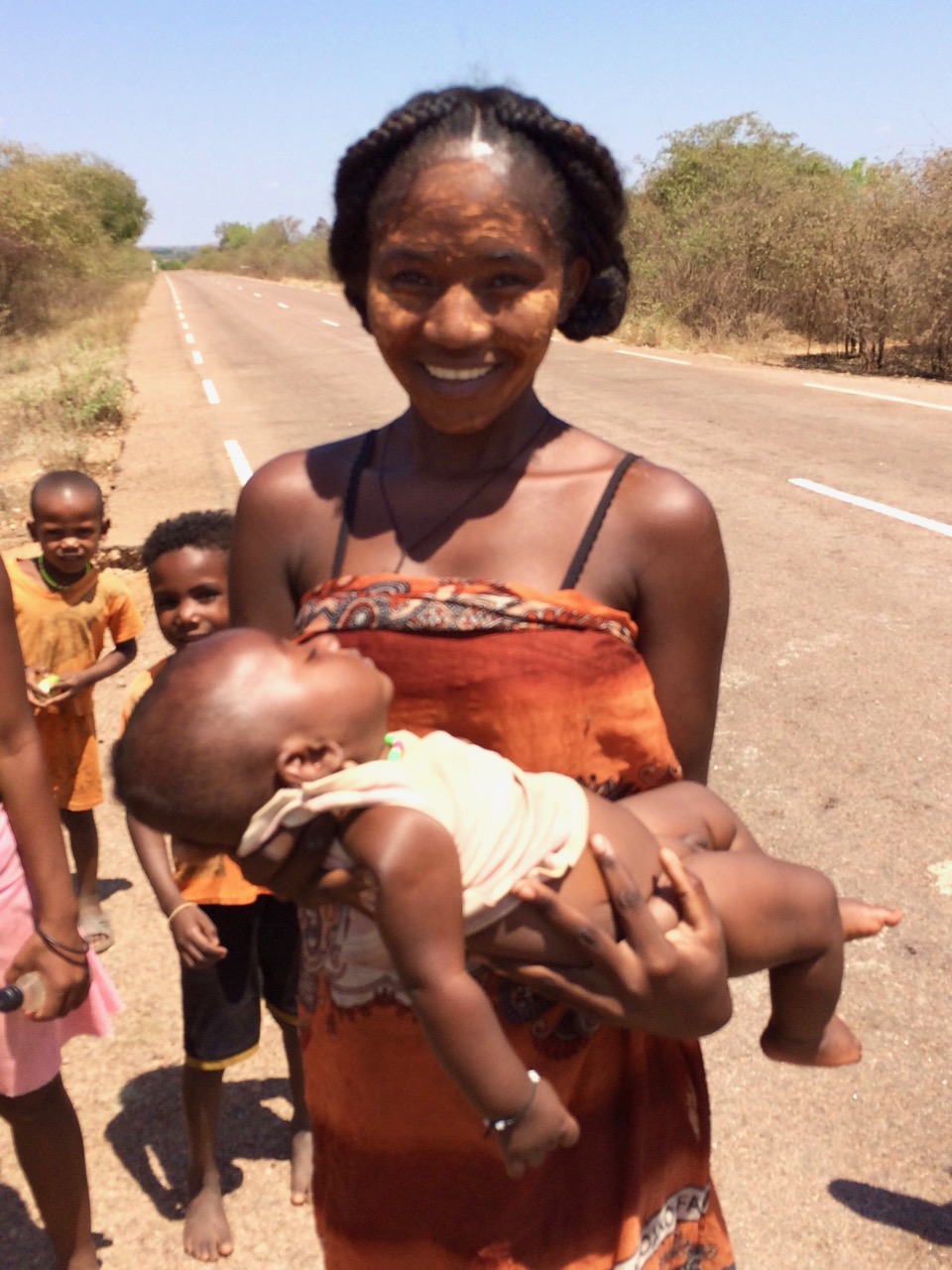
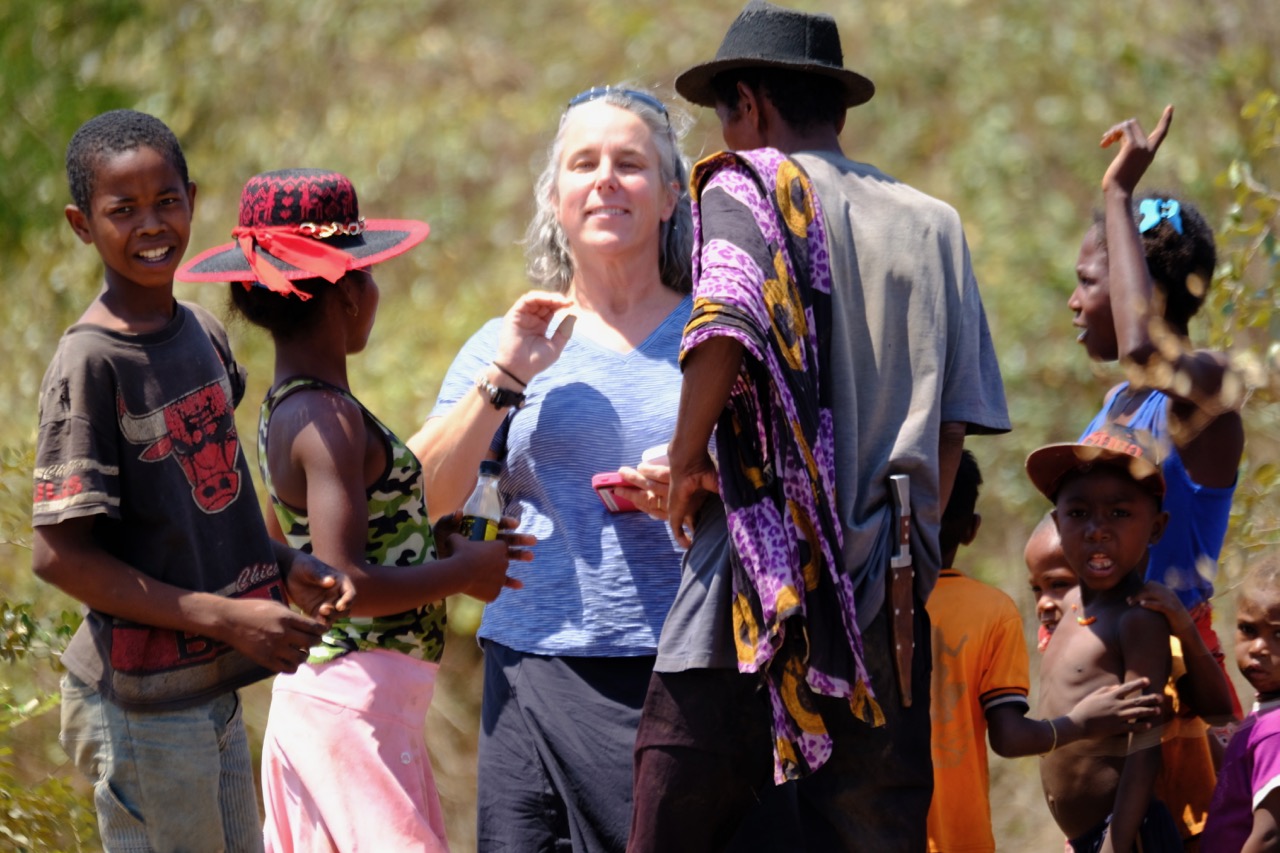 Seeing this miracle, several other young mothers quickly brought their babies for a picture and the shy younger girls gained enough courage to let me take their photo. There were laughs, comparisons of skin color (the two young girls were amazed by Lucia’s light skin), and lots of charades to communicate. It was a genuine and memorable experience which would not have occurred if not for the gregarious and inquisitive nature of the first young mother. We would have simply moved along after we finished our sandwiches, never having this interaction. I could not help but think of the David Attenborough line from many of his BBC Earth episodes, “Fortune often favors the brave.”


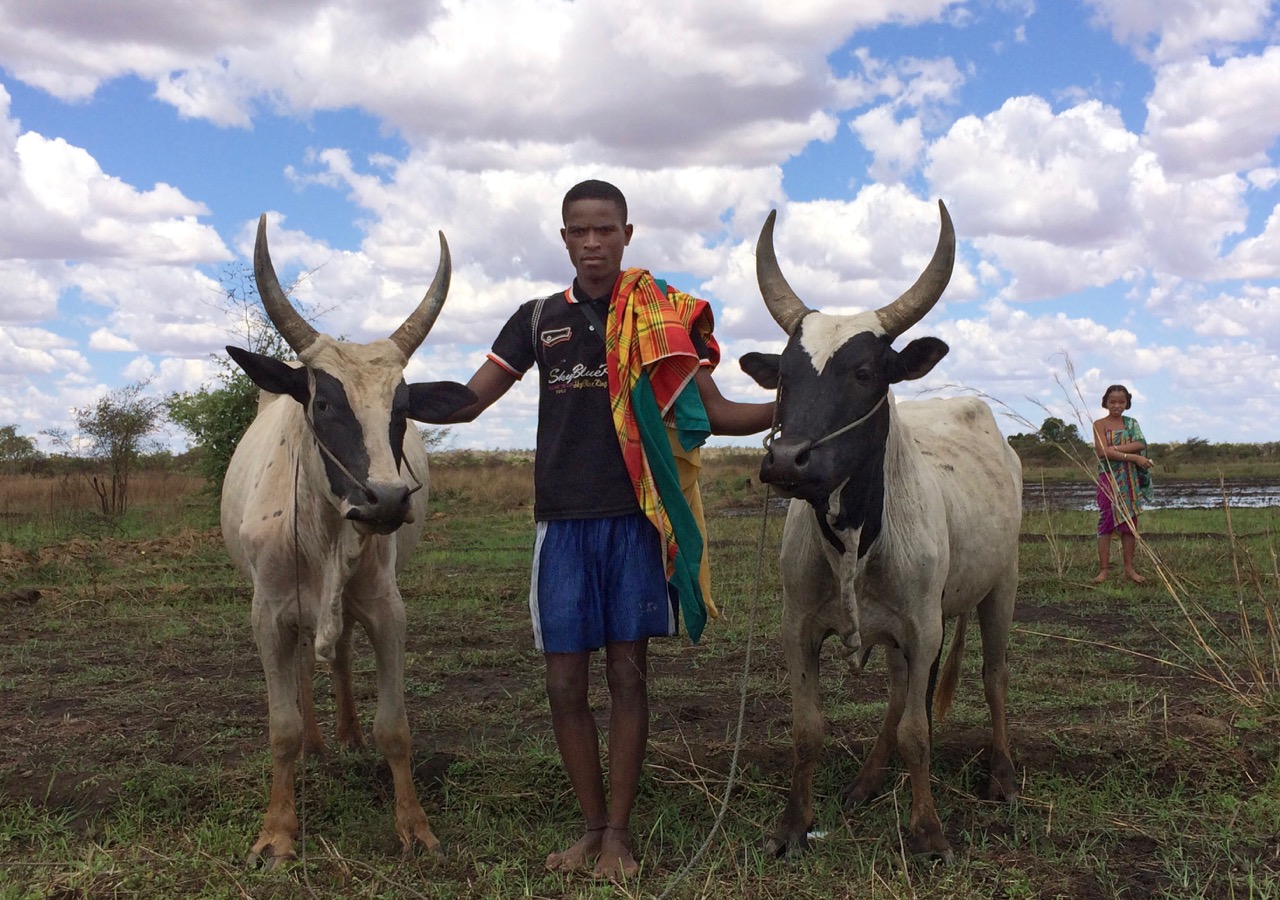

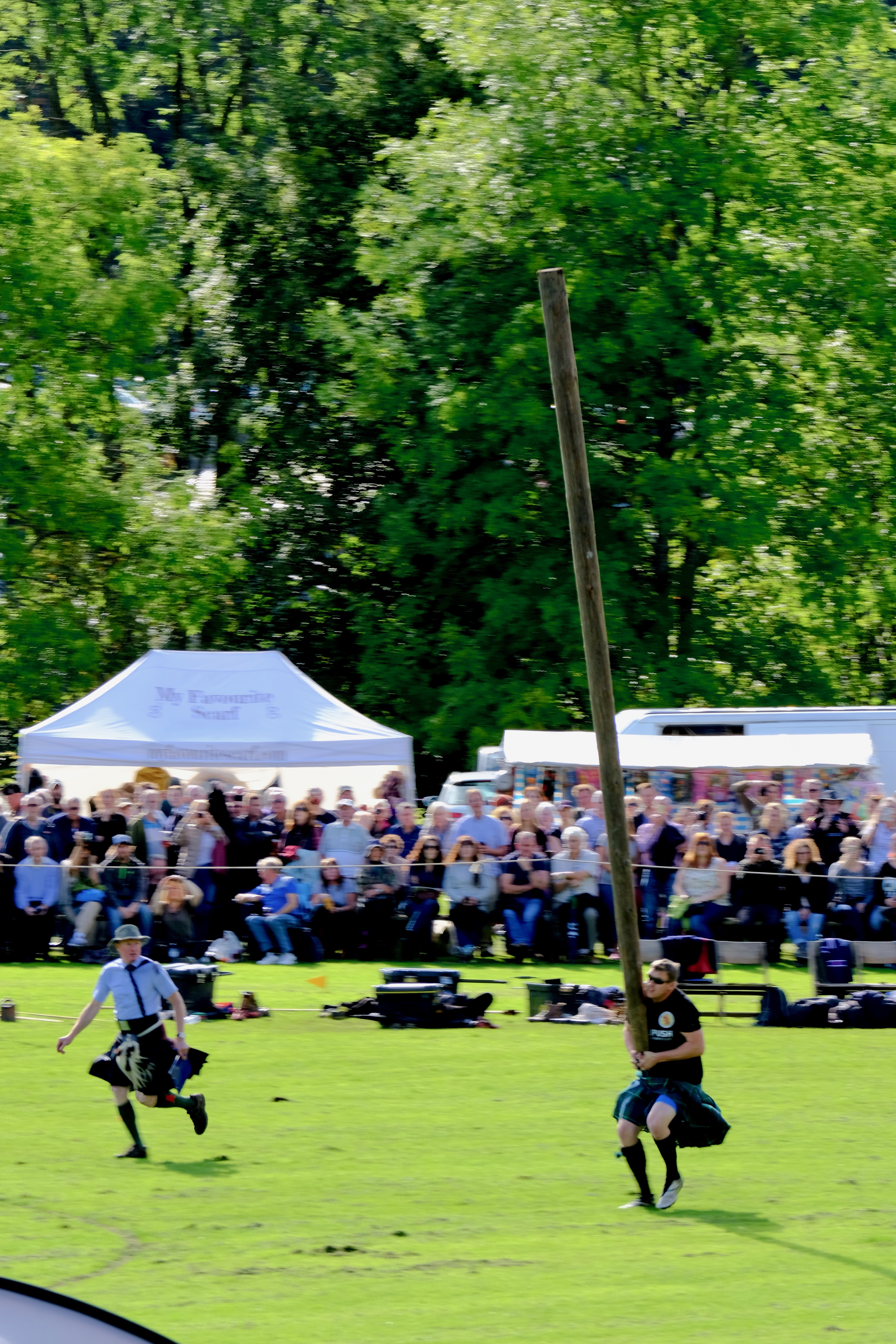 We never really planned on coming to Scotland, it kind of just happened. One morning in mid-April, I was scrolling through my favorite cheap flight booking sites and found a $69 promotional fare from cities on the East Coast to Edinburgh. I looked at Colburn and said, “What do you think of starting off in Scotland?” He thought that it was a grand idea! Besides, it is much easier to get flights to Africa from the UK than it is from the US and we had 8 weeks to wait while our truck is en-route to South Africa, so early that morning, I booked four of us from Connecticut to Scotland for under $300. Of course, as is true for many discount airlines, getting reserved seats and baggage fees upped the price some, but we still were able to fly comfortably across the Atlantic for under $500.
 With our reservations booked, Colburn went to work planning our itinerary. As it happened, the last Highland Games of the summer was scheduled for the day after our arrival and the last military tattoo for the following day! The timing could not have been better. After taking in the sights of Edinburgh on our arrival day, blearly eyed and jet-lagged, we drove two hours north of Edinburgh to Pitlorchy to watch the games.
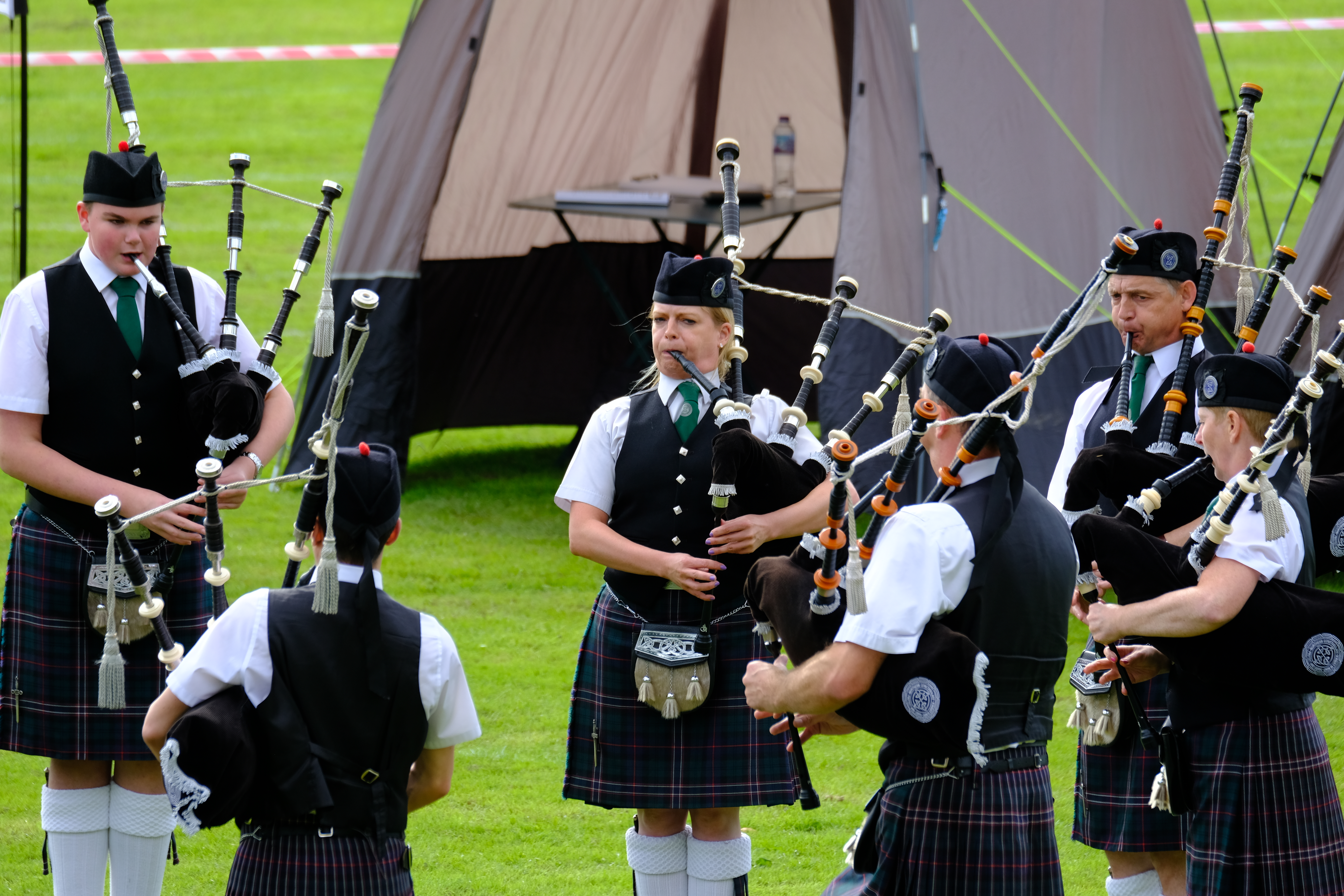 The day was beautiful – big puffy clouds threatened rain but revealed intense sunshine instead. The action was non-stop from the moment we arrived. The pipe and drum bands were parading through the field as we walked up and passed within an arm’s reach of where we stood. The sound was intense – each band had probably 20 pipers and eight or ten drummers. Mac’s face was aglow with excitement as he has a love of both the bagpipes and drums. Seeing kids his own age and grey haired elders all marching together clad in kilts, glengarry hats, knee socks, and tasseled shoes made an impression that will not soon be forgotten. The judge next to us scrutinized their cadence, sound, showmanship and other things we are too naive to know.
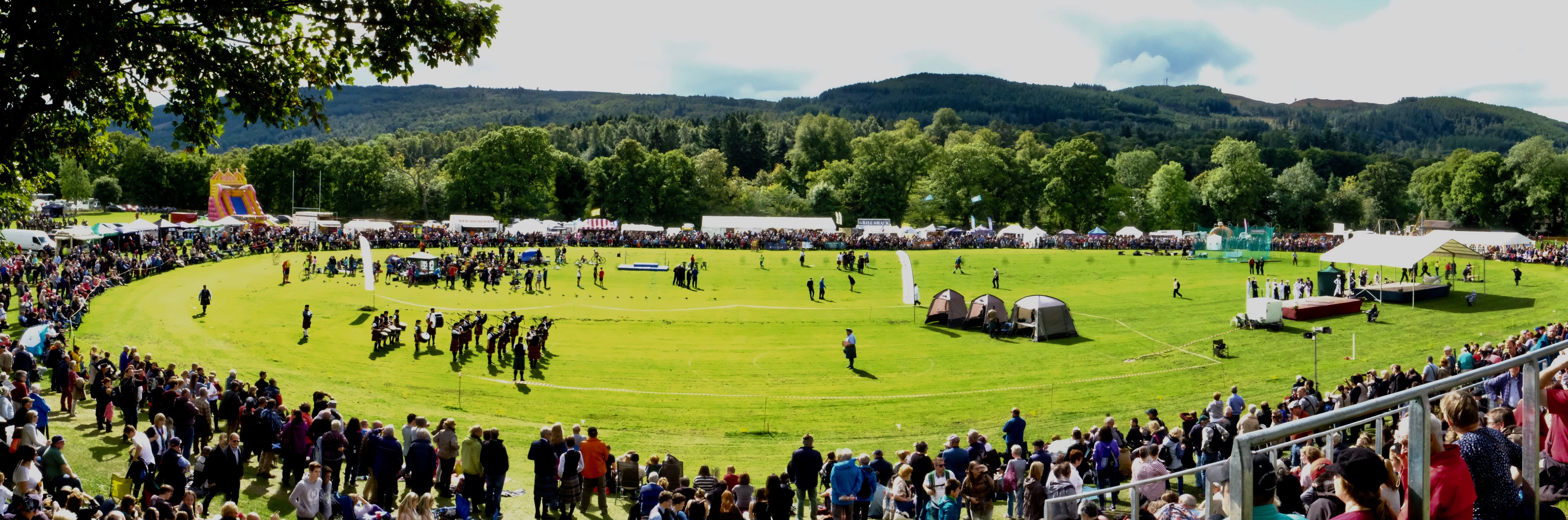 To gain a better view of the field, we settled on an embankment with many other attendees. The events all happen simultaneously – kids running races are taking place on the painted grass track while the “heavy” events are happening in the center of the field and bikers are warming up while individual pipers are competing at the far end of the field. It’s hard to know where to watch.
 When you watch one event, you miss something in another part of the field. The competition is intense but with humility and sportsmanship. When a race concludes, all participants shake hands and help each other up. The heavy competitors watch and mark each other’s throws while encouraging and supporting each other. Everyone rejoices for an especially good throw and groans in disappointment when a competitor looses his grip.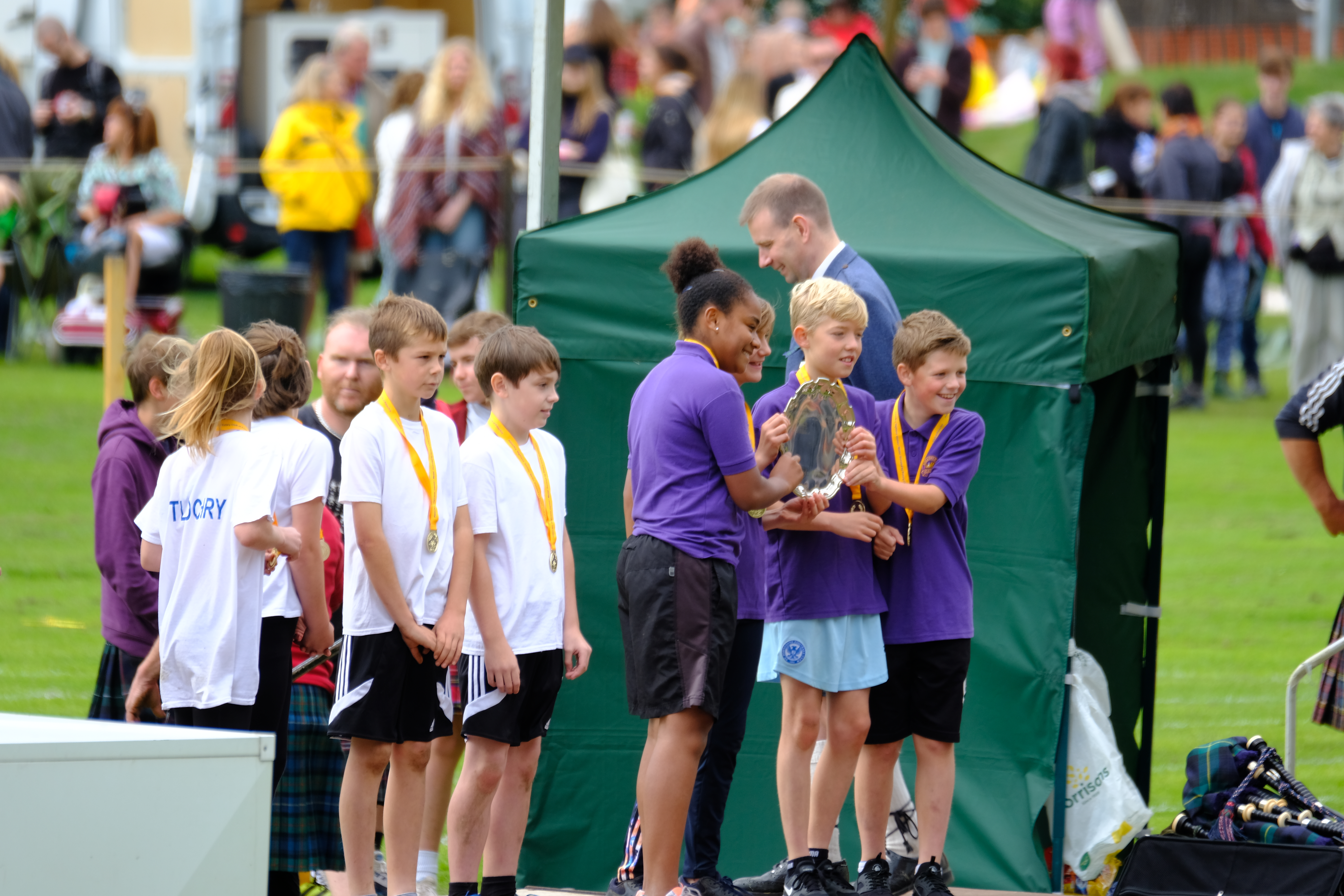
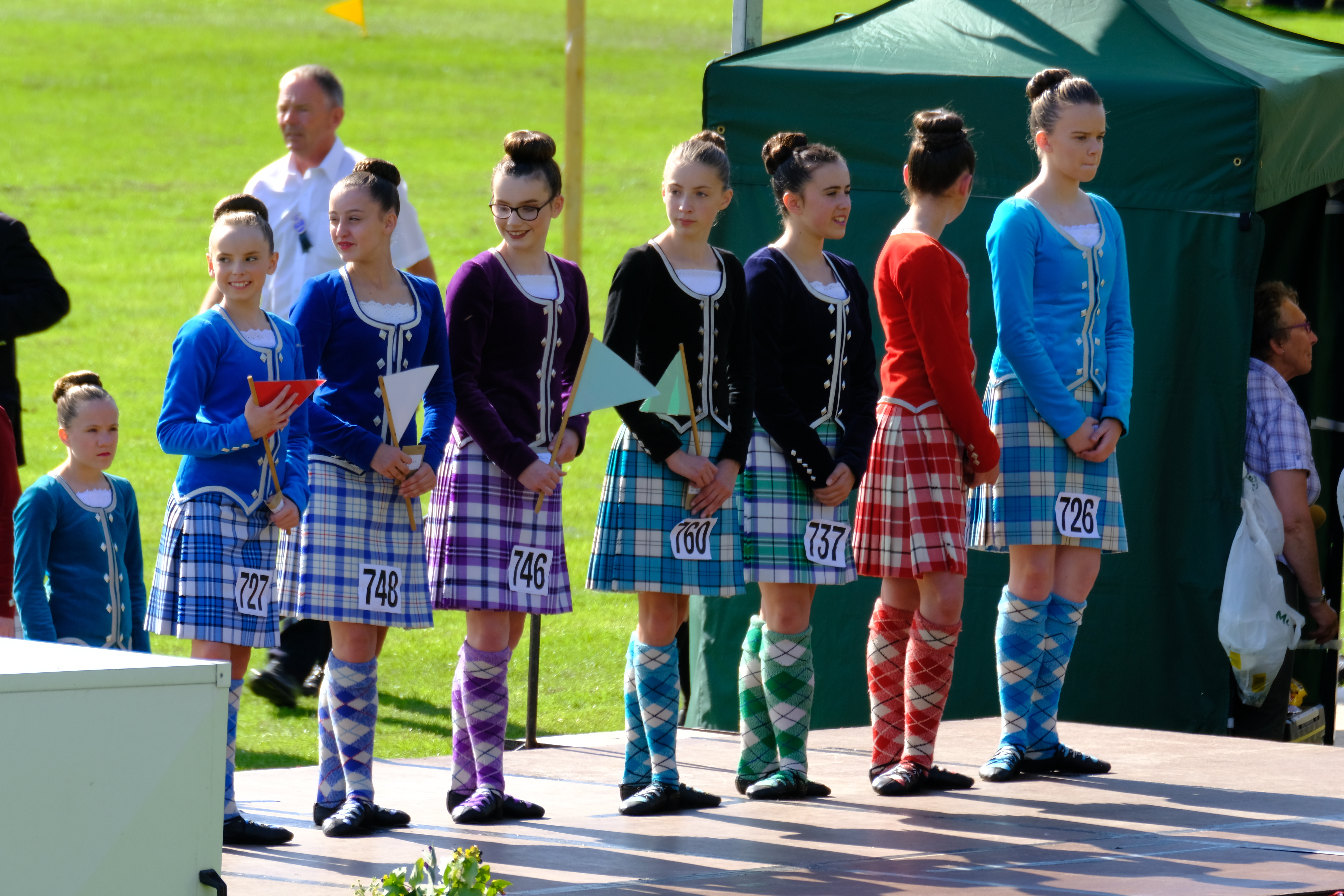 Young girls compete in dance competitions that require several extreme costume changes. The commentator is witty and the attendees all polite and engaged. It was really an amazing community event to experience. After many hours of watching the endless tug of war, bike races, field events, band competitions, dancers doing the highland fling, running races, hammer throws, and bag pipe competitions, we were beat and headed out to Inverness for the evening.
 The following evening was last night of a military tattoo at Fort George, the most fortified armament in Britain, perhaps all of Europe. Built as a display of strength of the English Crown at the end of the Jacobite Rebellion, the Fort is impressive – walls 15 feet thick, several lines of defense, and ancient barracks that are still occupied today as Fort George remains an active military base.
 Tattoos are military presentations, often done as fund-raising events, that combine military displays with entertainment and re-enactments. Before the presentation began, we walked around the fort and talked to several active military folks who were explaining various pieces of military equipment. We were able to use the heat-sensitive goggles that help soldiers see in the dark, pick up a typical sniper rifle to feel its heft, see the back of a working Foxhound troop vehicle, and many other items.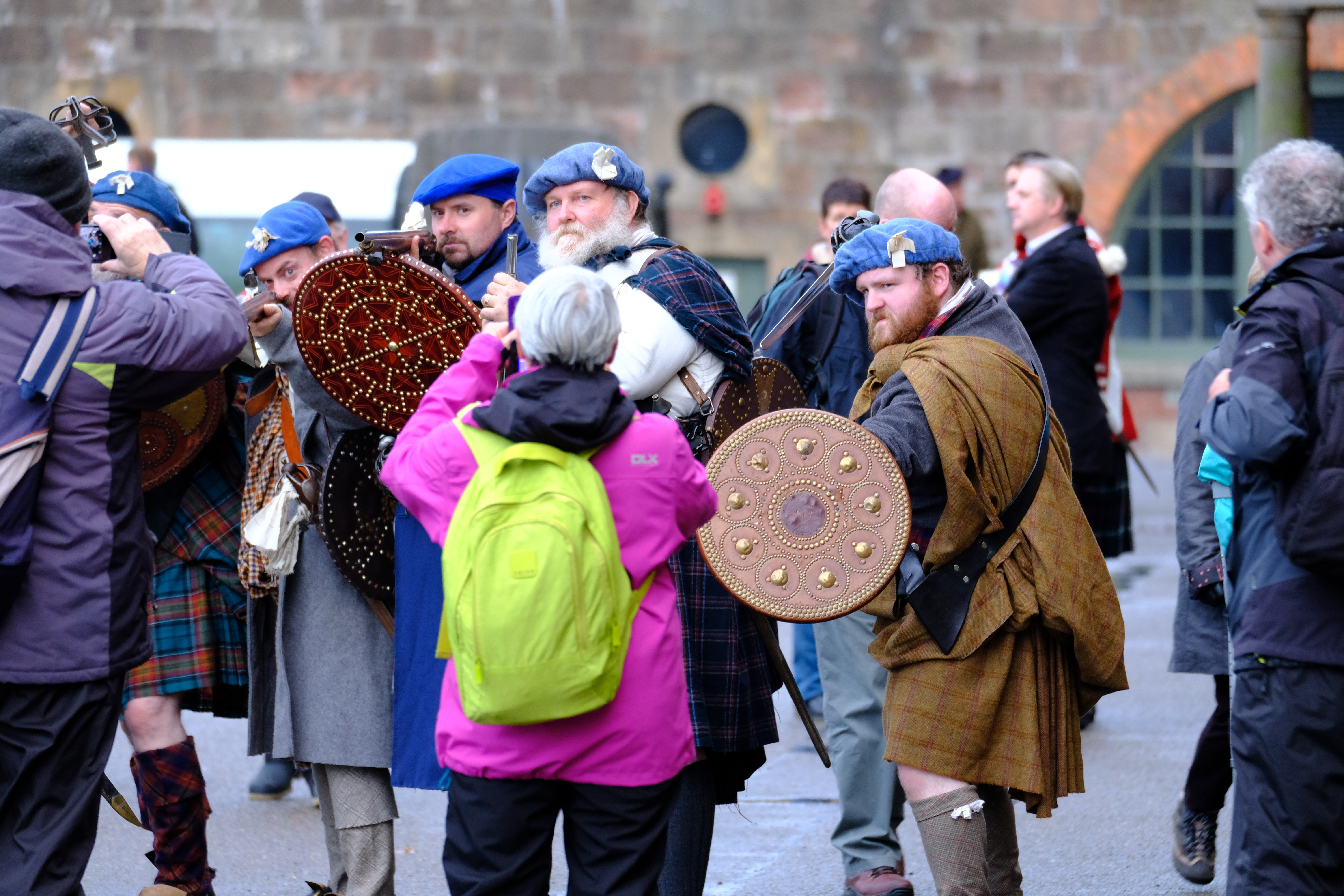
 Participants walked around too, many dressed in their period costumes or wearing formal Scottish dress. During the actual event, there were several pipe bands (of course!), a military drill team, a World War I biplane flyover, re-enactments of famous battles from the Jacobite Rebellion to Afghanistan. We were seated just a couple rows behind the Commander, who would stand each time a military unit was officially presenting to him. It was both moving and impressive.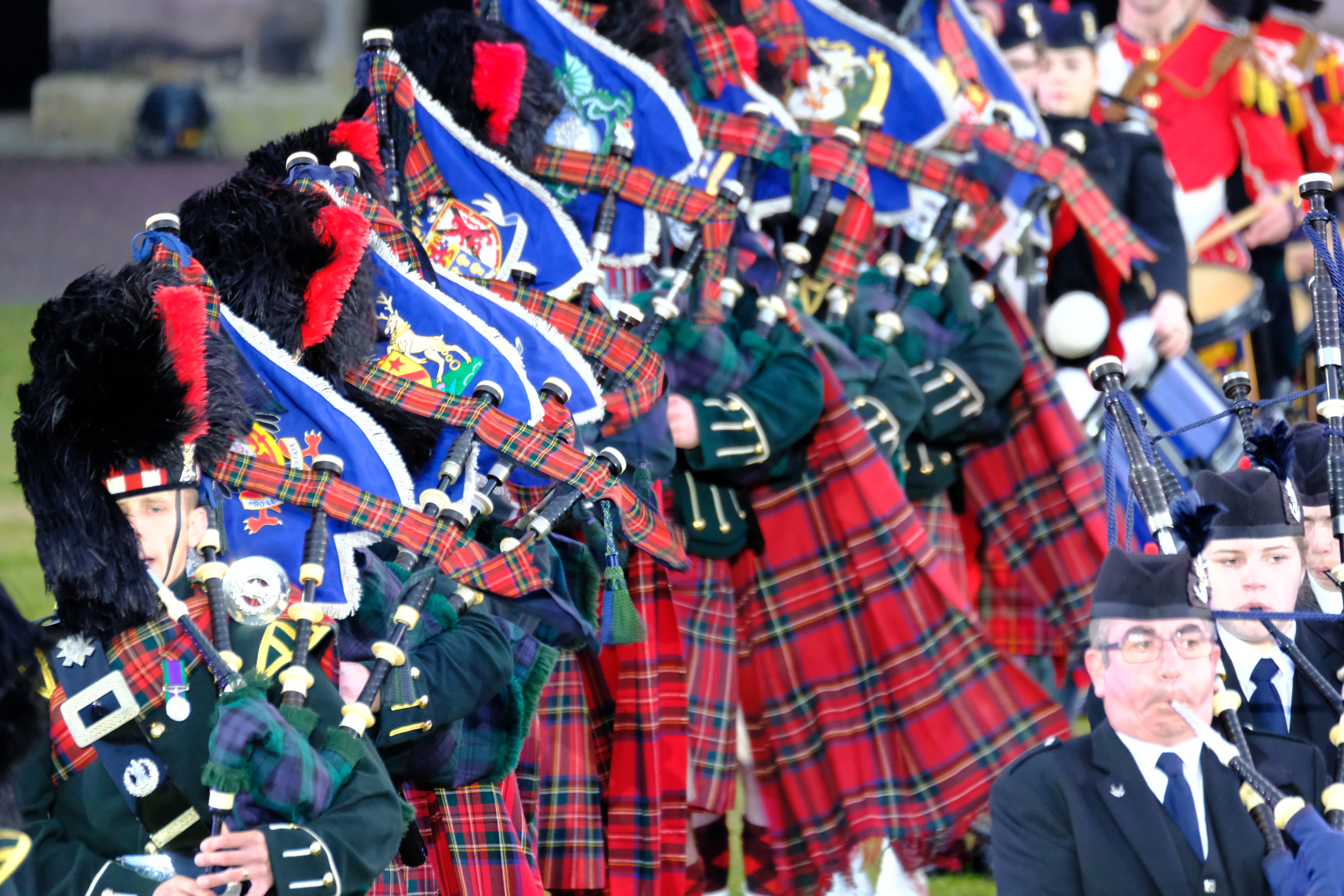
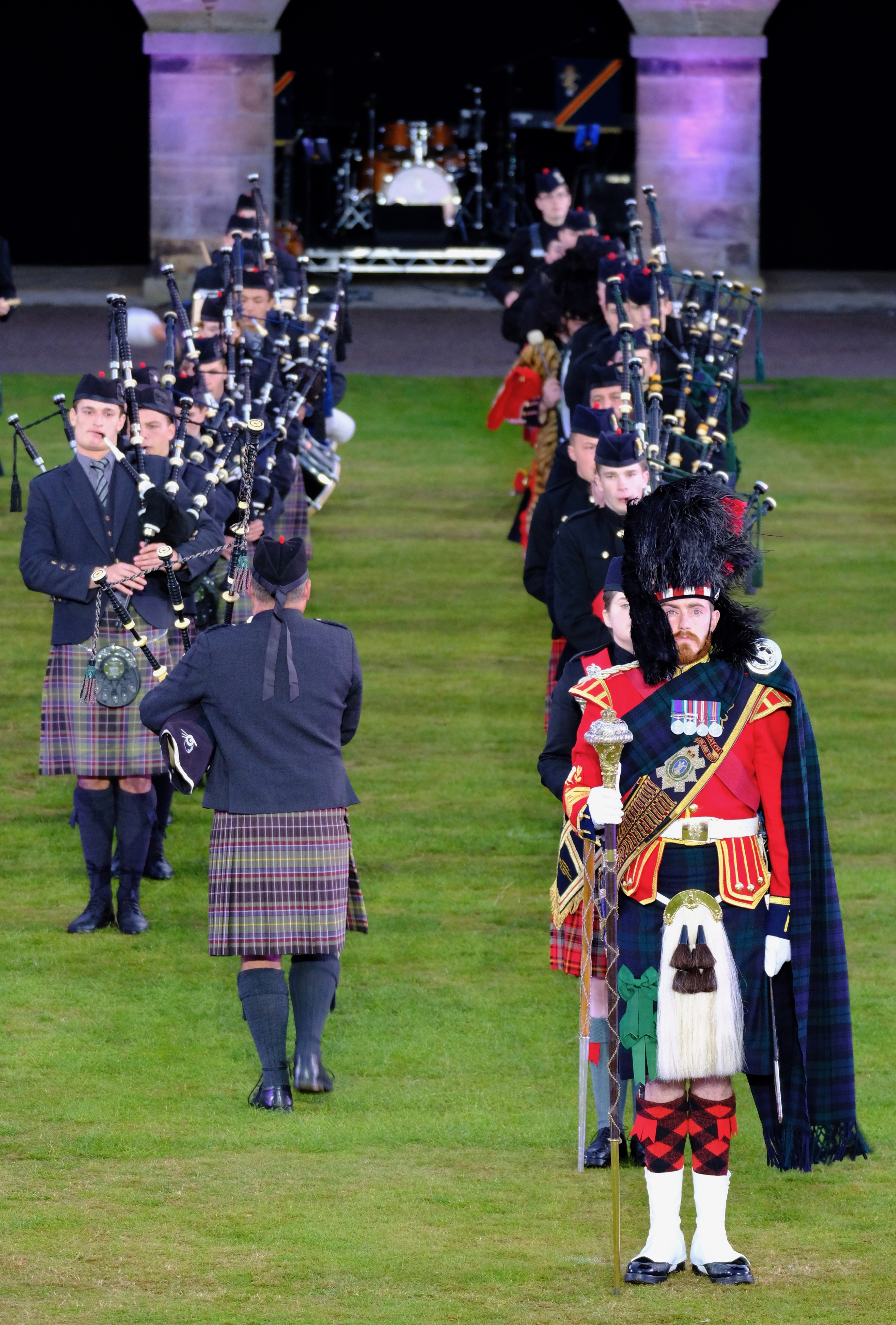
 Our initial impressions of Scotland are substantial. The people are hearty, welcoming, and exceptionally organized. The history is immersive – from the lonesome sound of the bagpipes to the wearing of kilts to the pride in the Jacobites of the 1400s, everyone we meet are keen to help us understand their history, their country and their traditions.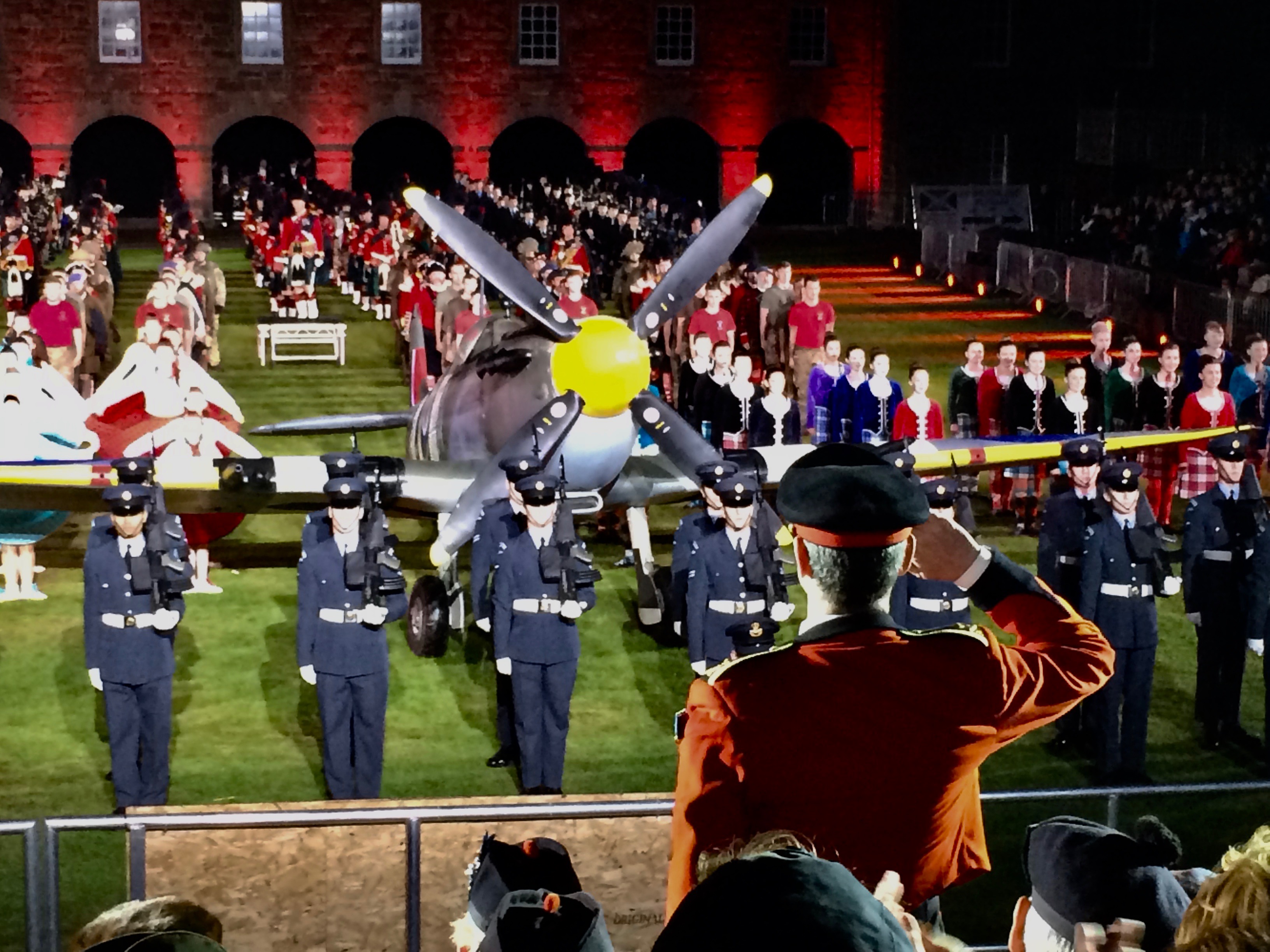
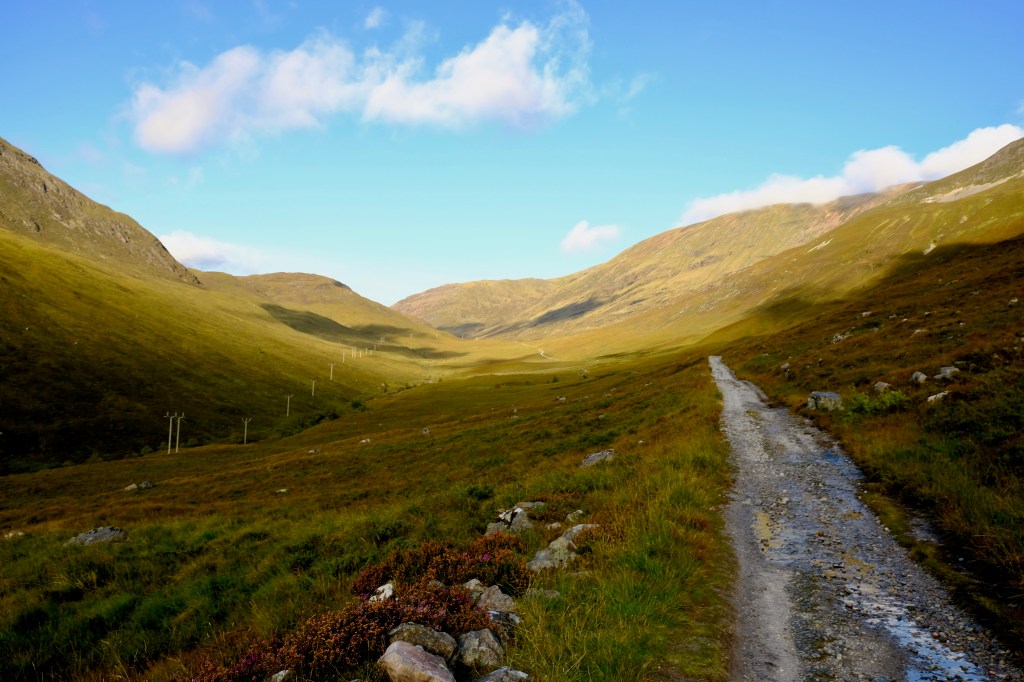
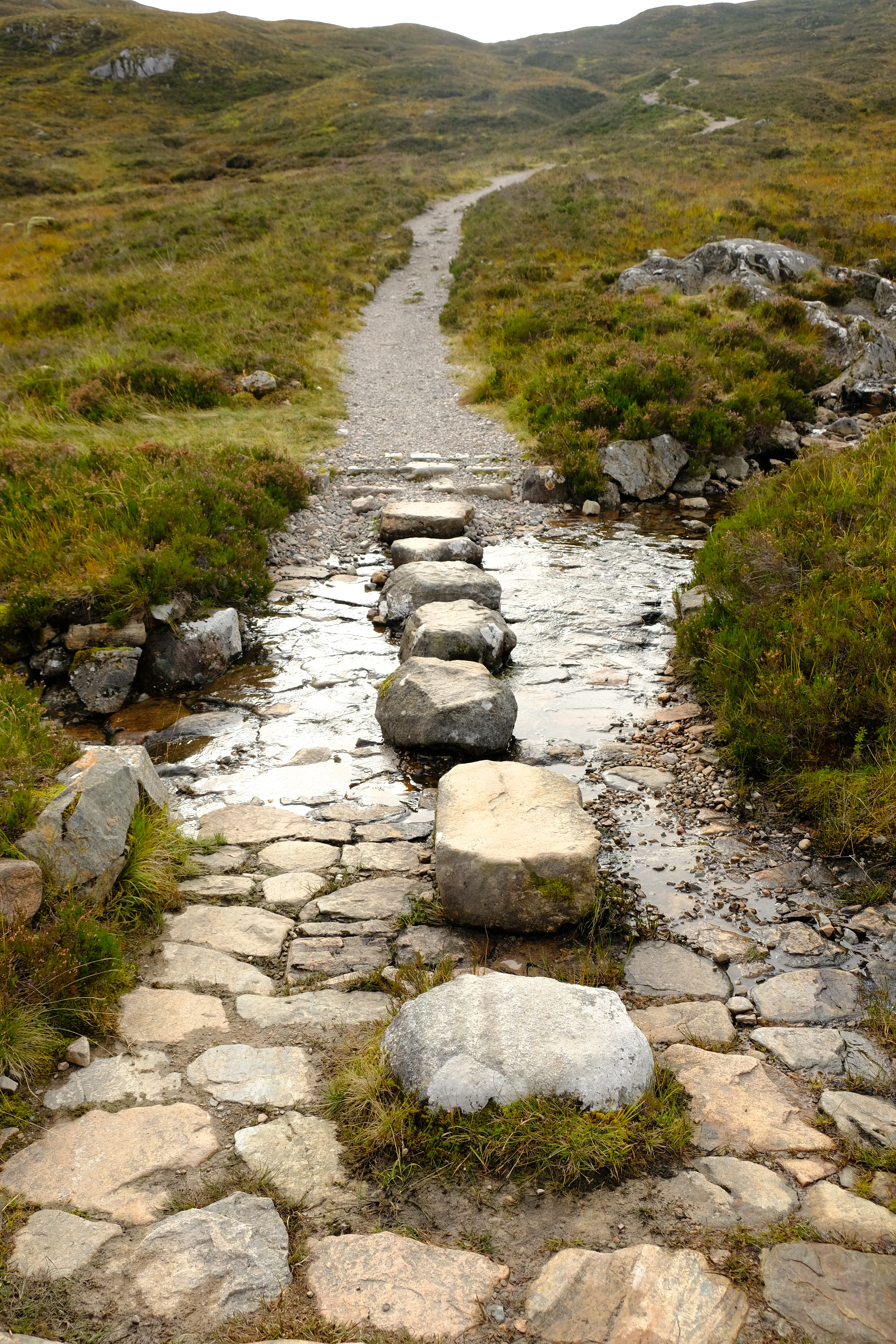 As a family, we really like to walk. We have trekked in Colca Canyon and the Inca Trail in Peru, Torres del Paine in Chile, the Mustang and Annapurna Regions of Nepal and the Routeburn of New Zealand. Each trek was a physical challenge as well as a mental one. Colca Canyon had a knee-crushing continuous 3,000 foot descent on day one and similar oxygen-sapping ascent on day three. The Inca Trail taught us to be wary of steps, especially wet “gringo killer” steep and narrow ones.
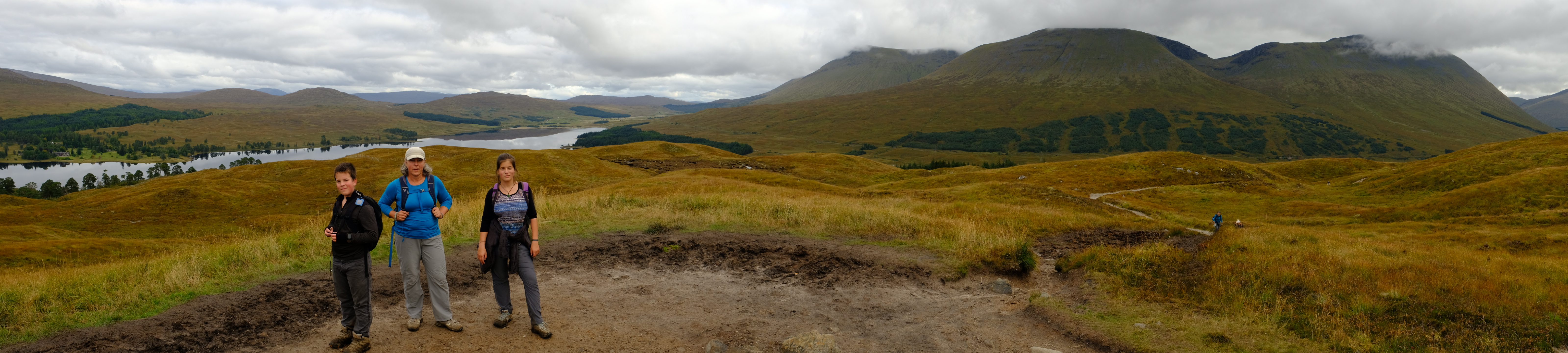 In the Torres, we had to deal with 100km/h winds on at least two nights, learning the value of keeping it positive despite challenges. Mustang taught us how to keep walking even when you are quite ill. On the Routeburn, we learned the value of adjusting your plans to the weather. Each trek has a plethora of stories attached to it which have become part of the fabric of our family lore. We love trekking.
 When we arranged for our time in Scotland, including a long distance walk seemed like a reasonable thing to do. Although not as remote or adventurous as many of the other locations, the benefits of trekking are found simply by slowing down and walking at a good pace. When on foot, one has the opportunity to see more detail in the landscape, becoming part of it, not simply viewing it through a window at 60 miles an hour. Walking provides the chance to feel and smell the soil underfoot and be cooled the dampness of the dark forest floor or breezy sunlight of an arid pass. Being outside all day allows you to feel the cool morning air, the heat of the day and the return to coolness of the early evening. The rhythms are more obvious, the pace more staid.
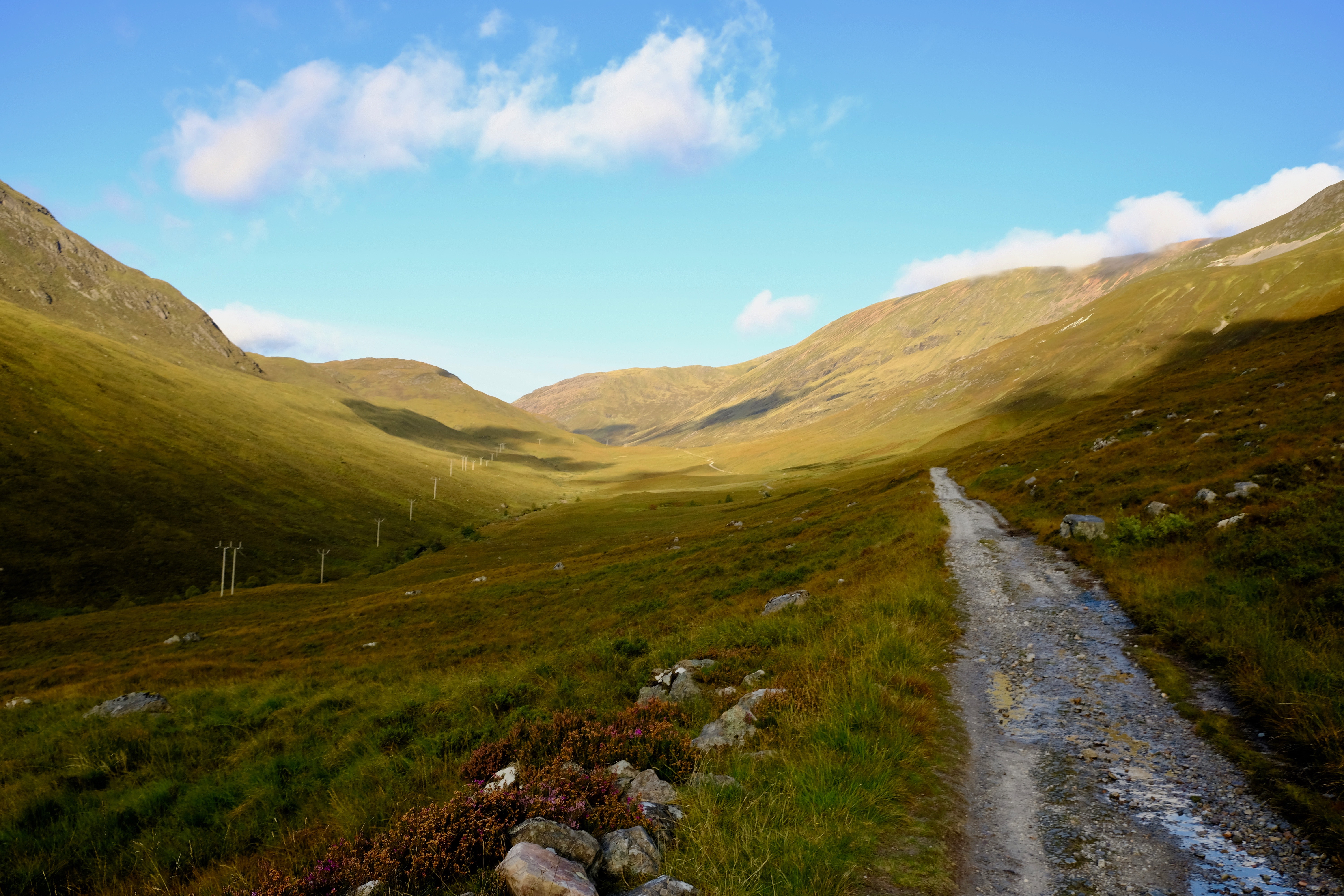 After much research, Colburn planned for seven days to cover the 96 miles of the West Highland Way (WHW). Although not an “easy” walk, it does cover a fair number of miles (roughly 14 miles per day on the seven day schedule) and climbs 19,000 feet in total as it traverses several highland environments, making it a “moderate” but comfortable walk. The comfort comes from the fact that each night can be spent in a town or village thus avoiding the need to carry a heavy pack with gear. As the number of Way-fairers has increased on the WHW, so have the services provided to support them.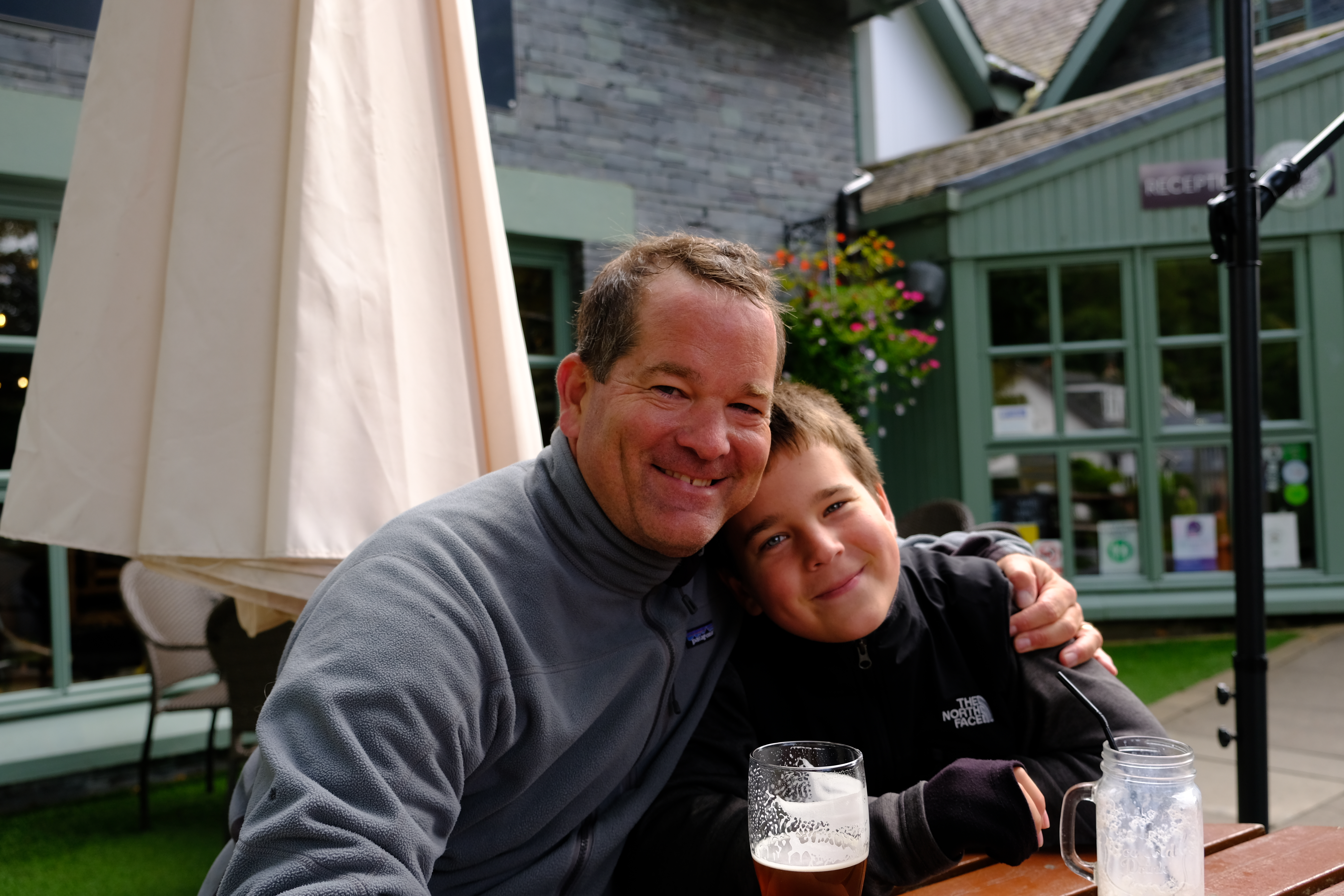
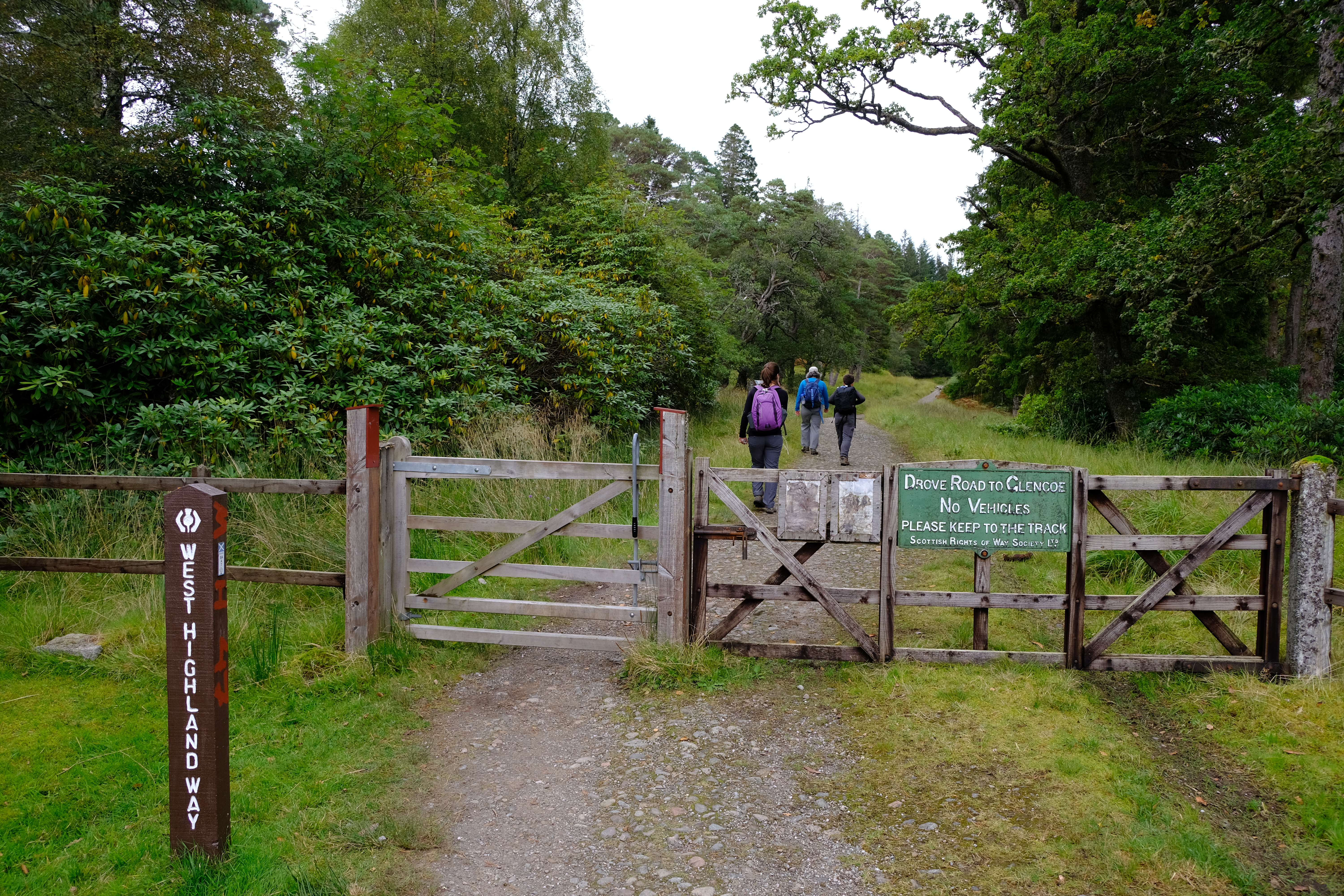 The kids are awesome walkers and capable of hiking many miles with smiles on their faces and a lightness in their steps, so there was no concern that they would be able to complete the route. Colburn is a strong and capable in all things outdoors so is an exemplary leader for us all. The only real concern we had going in to this trek was whether my foot would hold up to 100 miles of uneven terrain and long-term stress. I have spent the past 18 months trying to fix an injury that started with a simple stubbed toe and ended up needing two major surgeries, more than four months in a knee-high surgical boot, and 18 months of inactivity trying to get a bone to heal properly. While it had begun to shown signs of healing this spring, the bone was still far from being considered completely healed nine months after my last surgery. Not willing to undergo another doubtful surgery, I decided to simply move on with my life until either the hardware fails or the bone completely heals. Because the WHW is well-served by public transport, should there be any issues, I would simply hop a bus between locations and let the others walk.
 I am happy to report that I was able to complete the walk along with the rest of the family with only moderate issues. We skipped a short undulating section to reduce our mileage one day and took an alternative route for the end of the final day, but we completed the route together with smiles on our faces and a sense of accomplishment for all. We love walking.
 The Shindells - Four to Go