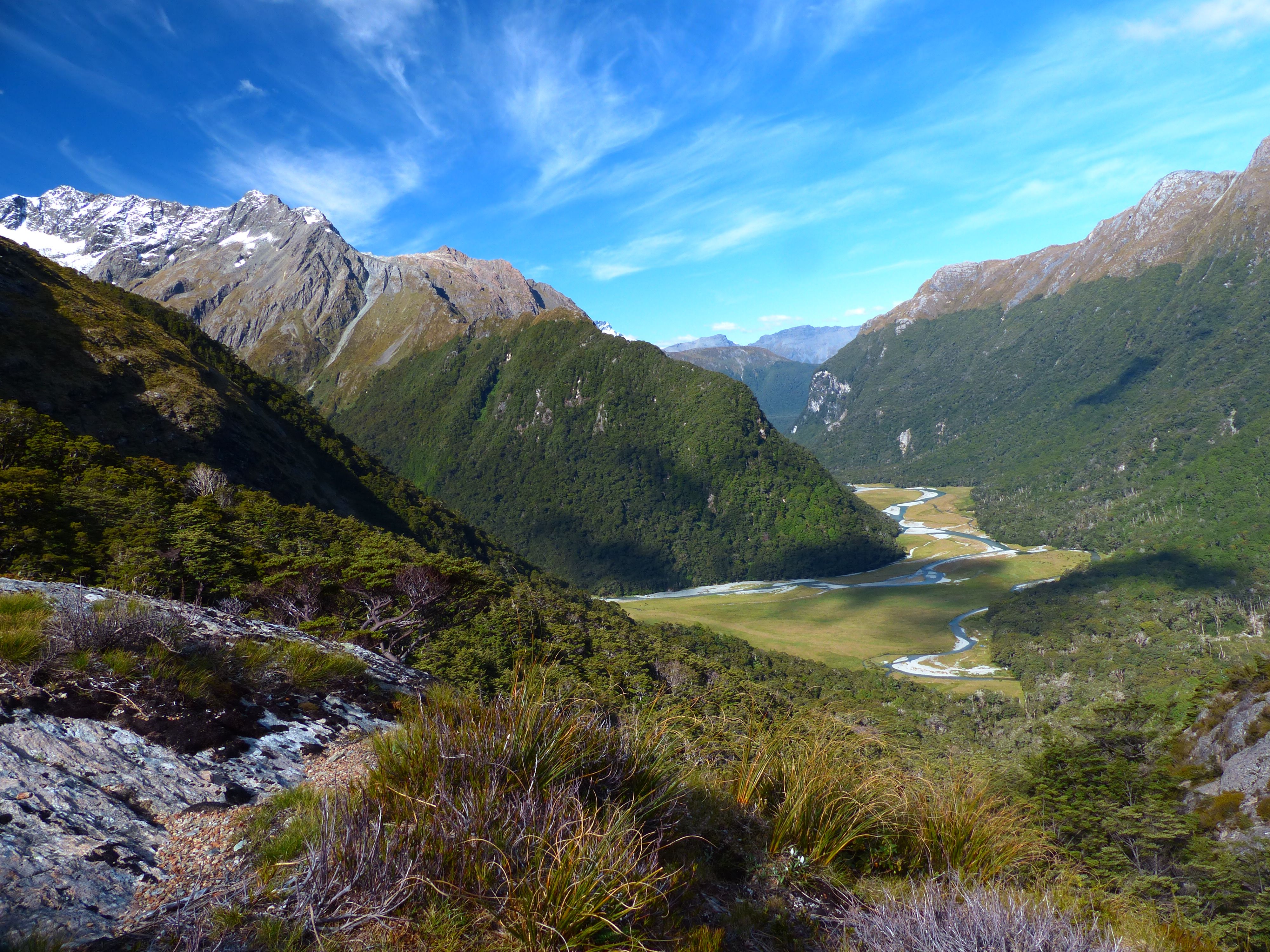
As I stood at the sink of the hut doing the breakfast dishes on our last day of trekking, I asked the woman standing next to me, a Danish mother of an 8 month old baby, what their plans were for the day. Expecting to hear, “heading out”, “going to see the lake” or something similarly safe, I was moderately surprised when she replied, “Heading to MacKenzie”, a trekking hut some 12 kilometers over a moderately steep alpine pass away. We had done the walk the day before and enjoyed it tremendously, but it is the middle day of a 3-4 day high alpine trek in New Zealand — not something you expect to be done with a young child. Initially I was taken slightly aback by the response, but as I considered it further, I said, “Wow, I really admire you!” To be honest, we love adventure, but I don’t think it would have ever even crossed our minds to take our infant on a multi-day hike where you have to sleep in dorms of 25-28 beds. We were challenged by car camping trips to Yosemite and Lake Tahoe, so I was impressed by the courage and confidence that these young parents showed.
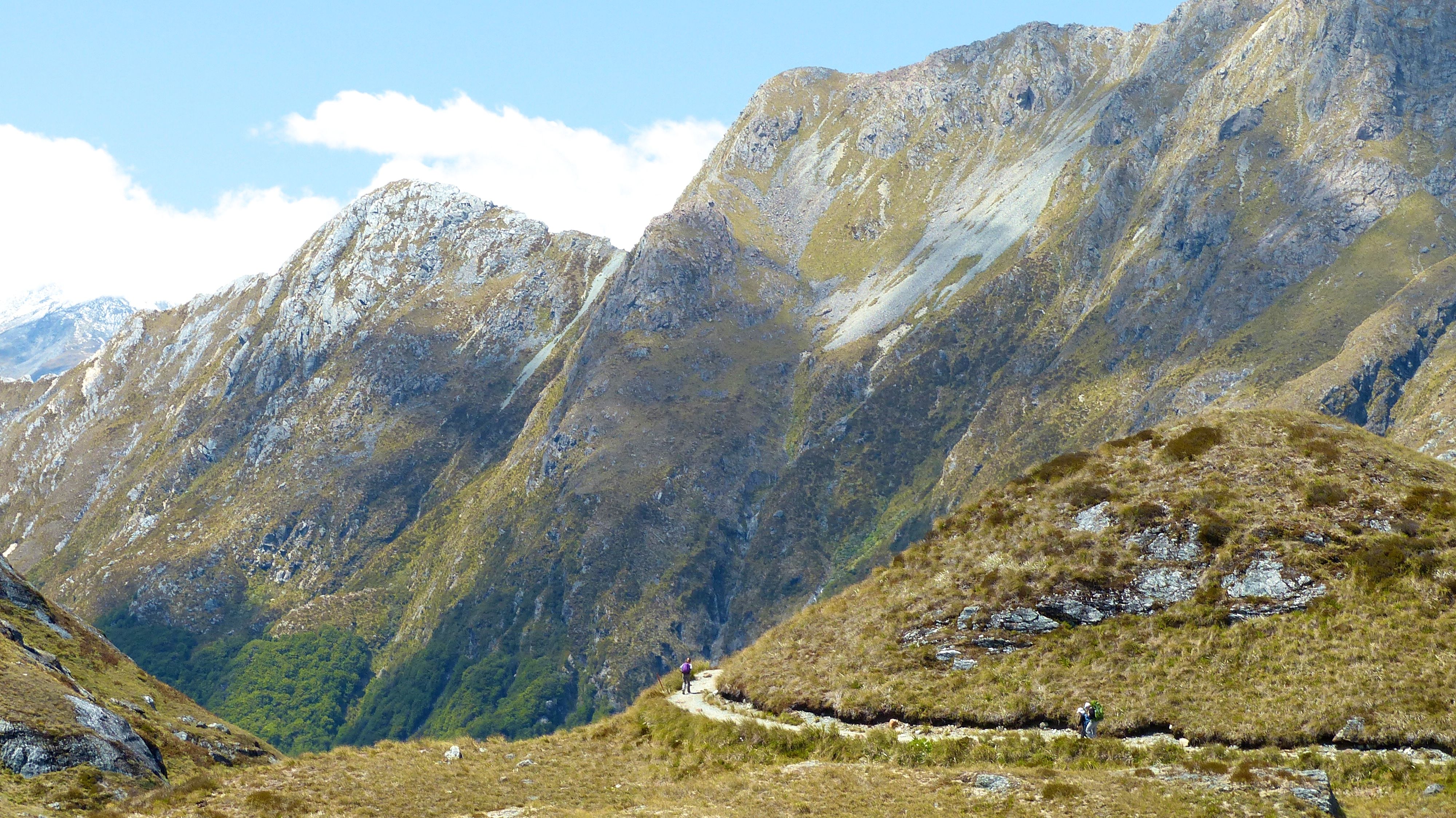
But, they weren’t doing this walk on a whim or as a spur of the moment decision. They had thought about the challenges of taking an infant trekking and came to the conclusion that they could handle any situation that might come up. The walk they chose is on a very well maintained route (at least half of which is a meter wide gravel bridle path) with only intermittent rocky or steep areas. The facilities are exceptional with cosy warm huts every evening, running water that can be consumed without treatment, and flush toilets. They planned their trip so that the first night was only a half-day hike away from the car so should the situation be too challenging for them or their baby, Elena, they could easily descend. They had been ready to abort the trip because the weather was quite unsettled for a few days before they began walking, but it had cleared and was predicted to be beautiful for their three nights/four days. They had planned that each evening her partner would make an announcement during the hut talk that although their daughter is normally a good sleeper, they had extra ear plugs for the other people in the bunk room with them in case this was one of her off-nights. The night we were with them, someone in the corner of the room commented that they wished that the people who snored would have been so thoughtful! Everyone in the hut seemed quite content to have such a young hiker amongst them and appreciated the thoughtfulness of the parents. Elena spent the evening being adored by young and old alike.
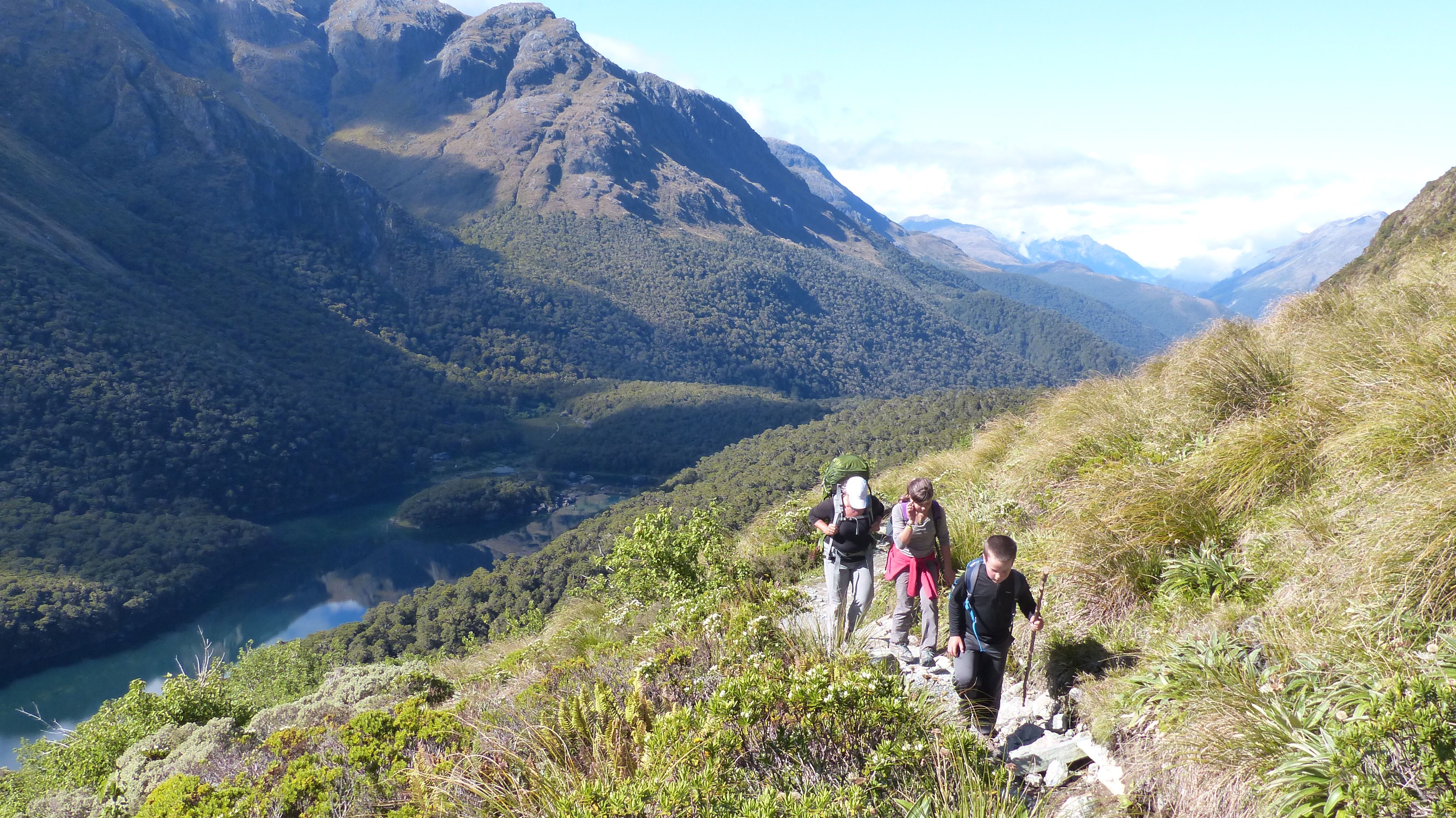
As our conversation about doing things with children continued, a Polish father hiking with several kids and also doing breakfast dishes with us, joined in commenting that he felt many people can only see a myriad of reasons why they should not do something rather than the few but compelling reasons why the should do something. Together we pondered why we were all in New Zealand, a half-a-world away from our respective home countries, trekking with our children, when there are so many reasons why we shouldn’t be on such an adventure. The line of questioning goes something like this: what will we do if someone gets sick? what if the baby gets fussy? how will we make sure the kids aren’t behind in school when they get back? etc. There are an awful lot of reasons why we shouldn’t be there. But, in the end, there is really only one good reason to do something out of the ordinary — because you really want to do it, and for some people that is enough of a reason to actually do it. For each of us standing at the line of sinks that morning, none of our trips would never have happened if we let all of the reasons why we shouldn’t do it rule our decision, yet we were all there. What is different about us? Why did we choose to do something which has so many reasons not to?

I believe that it comes down to a tolerance for the unknown. At home our lives are largely predictable and there is great comfort in that routine. We know what our daily schedule is — kids to school by 8:30 and us to work by 9:00, a full day at work then pick up the kids for after-school activities, make dinner, get any home chores done, and be in bed by 10:30. We have our favorite markets for groceries but also know where to go for a back-up, we have our favorite coffee shops in several different parts of town depending on where we are and can drive home without worrying about which exit to take because we go there out of habit rather than conscious thought. If our kid gets sick, we know we can call our primary care provider for a same-day appointment or go to an urgent care. When our kids were babies, if they were fussy, we had an armory of resources to calm them and a pile of things to distract them. But when you step outside of this norm through travel, everything is unknown — how to navigate in a different culture, what to do with your days, how will to find your way through foreign lands where you may or may not be able to read the signs, where to find food to eat, what you will do if someone gets sick, what to do if the weather is horrible, etc. — and you have to be okay with not knowing because the list goes on and on. As you enter the unknown and live there for awhile, a sense of accomplishment and confidence flourishes – both as individuals and as a family.

With travel you learn that things will happen, but you will be able to figure out how to handle them. You will experience the kindness of strangers for the overwhelming majority of people in this world are incredibly nice and will go to great lengths to help out a foreigner. You will also find that there are a great deal more similarities in people than differences. If you let the unknown of what you will do if the baby gets fussy in the dormitories rule your decision, you may never experience her becoming the loving center of 48 people’s lives for one evening. If you let the unknown of what you will do if someone gets sick when they are trekking, you may never watch young men at a Tibetan monastery blowing their shells and banging on their drums as they learn the meditation chants. If you let the fear of what will happen if you get lost driving your own car through Africa, you will never share peaches with three generations of a family of wood-carvers along the side of the road.

It is only through a tolerance of the unknown that some experiences can happen, but this is not a process one can enter blindly trusting that everything will be fine without forethought. We, in fact, spend a great deal of time planning and evaluating our options, considering what we would do should certain situations occur. We have taken reasonable precautions to handle the foreseeable obstacles. What will we do if someone gets sick? We have an armory of medicines and a nurse practitioner on staff. If she can’t handle the situation, we have an insurance policy which will help us locate English speaking providers in every country. So far we have only had a broken toe, one case of pneumonia, a round of strep throat, a few bouts of travelers diarrhea, and two chipped teeth — all of which have been handled without any trips to a hospital and only two visits to local dentists. What will we do if we get lost? Each of us wear a wrist band with our contact and medical information engraved on it and have a satellite phone for emergencies.

What will we do if the area could be dangerous because of weather or political strife? In areas where weather can have a severe impact on the experience or safety, we plan accordingly. We wanted to go to Madagascar in March, but it is the middle of the rainy season and roads can be dangerous. It’s just not worth the risk. When we were in Nepal, a freak storm dumped snow on the route we were supposed to trek so we headed to a different area. Our seven day Greenstone-Routeburn trek was condensed to four because there was a major low pressure system that would have made it difficult to enjoy hiking and possibly dangerous. Because we could change it, we did. Although everything would probably be just fine, visiting Egypt and Ethiopia are currently off the table for this round because the political situation seems too uncertain for our comfort but other areas such as Turkey, Israel and Jordan are still being considered. We are constantly reviewing our options and making sure that blind adventure does not over-rule common sense and that we draw on multiple sources of valid information to base our decisions. We have learned that we can handle the unknowns.
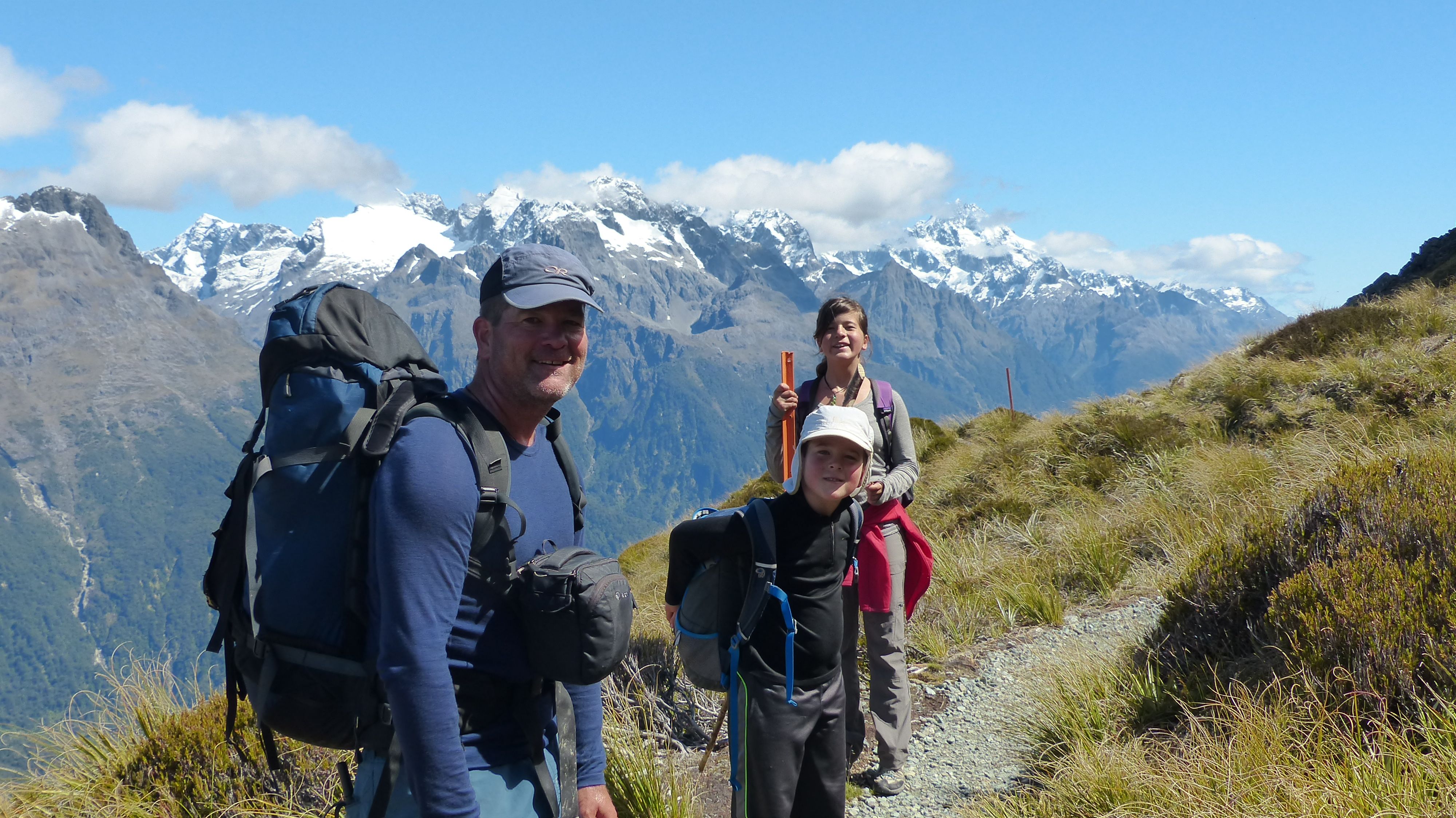
One of the byproducts of a global family journey are a vast and rich wealth of stories — stories we share with each other, with family, with friends, and with other parents who wonder whether they should (or could) do something like this. These stories are born from the adventures and have become the fabric of our vital and colorful family circus. We have each benefitted from adventures experienced during childhood and are privileged to have had consistent and loving families our whole lives. Early on, both of us, on opposite coasts, developed a passion for adventure. It is the reason we found each other, working as outdoor educators taking kids on trips outside. Seeing the other families from around the world in the track hut in New Zealand, sharing stories about when things did not go as planned, triggers a moment to stop as a family and ask the question, “What other adventures are out there?” because new experiences are a wonderful facet to any family’s life. We are more open to enjoying them now because we know we can handle them.

And now, as we begin preparation for returning to the US, we find ourselves again facing another big unknown. Where will we live? We are not certain, but it will be near family on one coast or the other. How will we handle being settled after such a grand adventure? At this point, we are all desiring a more stable routine but also know that travel is part of our blood. This means that the thing we are currently longing for will also be challenging. Will we go back to the same professions? Maybe, maybe not. Colburn is going back to the US in February for interviews because he has found a few options which seem to combine his love of leadership with a bit more adventure and creativity than he had previously. If something pops up that feels right, we will follow that opportunity. If not, we are considering other opportunities which will allow us greater flexibility so that we can continue to explore while living a more settled life. Perhaps the hardest thing to face will be heading off to our respective days without each other: the kids to school and the parents to work. Driving away from each other even though only for 8-10 hours, after these two years, will be heart-wrenching. We don’t wish to hasten that day, however, it must come. In just a few months, we will again step in to the unknown of life after a grand adventure.




 The Shindells - Four to Go