 Leaving the cool of Ireland behind, we boarded an overnight ferry to France then had to take two trains to get to our starting town in France, Mauberge. As I mentioned in the Ireland post, getting on and off ferries and trains is a very stressful situation for bicyclists, and this was no exception. We were, however, able to make it through the process and truly enjoyed the open borders policy for the Shengen Area. Unlike the land border crossings we did in Africa, we simply continued our trip as if we were moving from county to county or state to state.
 Originally we were going to ride the EuroVelo 6 – a long distance cycling route (a bit more than 2,200 miles) which goes from the Atlantic Ocean in Nantes, France to the Constantia, Romania on Baltic Sea. As we researched the route, however, we found that it spent about a third of its time in France alone and missed most of the Alps, only skirting by some of the more northern parts. As mountain people, history nerds and lovers of beer more than wine, we chose instead to head to the north of France along the Belgian border. This would allow us to have more time with craft beers from some of Colburn’s favorite breweries, learn more about WWI and WWII by visiting Verdun and biking along the Maginot Line, and get to Switzerland and Austria before the crowds of July. This route also had the benefit of potentially being able to visit a few friends and family who are in the Netherlands/Belgium/western Germany area, so was a no-brainer.
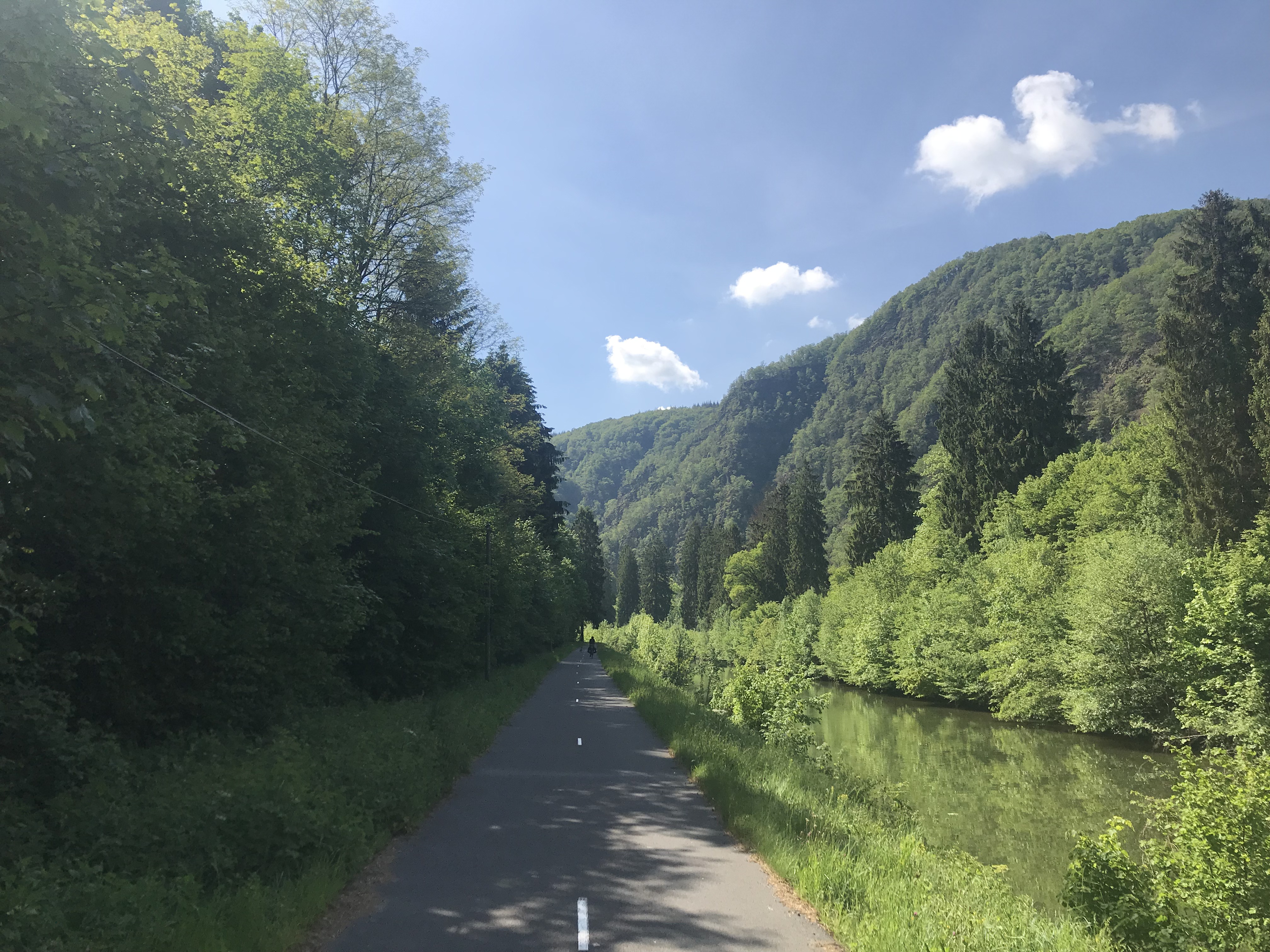 Because of our repeated ‘close calls’ biking in Ireland, we re-worked our route through France to take advantage of the myriad of bike paths and cycle routes which traverse continental Europe. This meant we had to change quite a few days as the automobile roads tend to take the most direct route but the cycling paths will follow old railway lines, quiet country roads, and be alongside meandering rivers to avoid the traffic and cut down on the elevation gains and losses. Several of our days went from 60-70 km to 90-100 km as a result. Despite the longer distances, the biking is so much less stressful that it is an easy trade-off. What we didn’t plan on, however, was that I caught a terrible GI bug in Ireland, cryptosporidium, that would take me down for almost all of our time in France. Sick, weak and dehydrated, I was barely able to function, never-the-less ride strong. The experience was so humbling for me I have written a totally separate blog about it – mostly so that it becomes part of our family history and we remember that not all of the traveling is sunshine and blue skies as it might seem from the outside and in our photos.
 Our first days riding in France were a lovely change from the starkness of the Connemara. Our bike path took us along an abandoned railway line that is now a rail-to-trail. Green and lush with a cool dampness, the riding was glorious. We were serenaded by birdsong, rode through small rural towns with cobbled streets, and the surrounding fields were just showing the first signs of summer – being tilled for corn to be planted, wildflowers just beginning their conspicuous display, and pairs of mother-baby animals dotting each farm. It was idyllic.
 The next day would be one of our more challenging early rides with about 600 m of elevation gain. Although not a long day, riding a bike loaded with packs uphill is much more challenging than on the flats or without the added weight. We are each carrying about 15 kg of gear (clothing, thin sleeping bag for hostels, computers, food, etc.) which adds a substantial amount of mass to our bikes. My illness made the day exceptionally challenging as I became more and more dehydrated.
The pay-off for the uphill work was a screamer downhill into Fumay where Colburn and Mac both topped out at around 65km/hour! We had a sweet little cabin in what might be one of the most charming towns in rural France. Our hosts, Genevieve and Michèle, welcomed us with great hospitality – like meeting a long-lost aunt and uncle. The entire conversation happened through Google Translate but was wonderful. The town is not really much of a tourist town for English-speaking foreigners, so we were a novelty. We had a grand time working on our French, walking about, and enjoying the sense of being in nature.
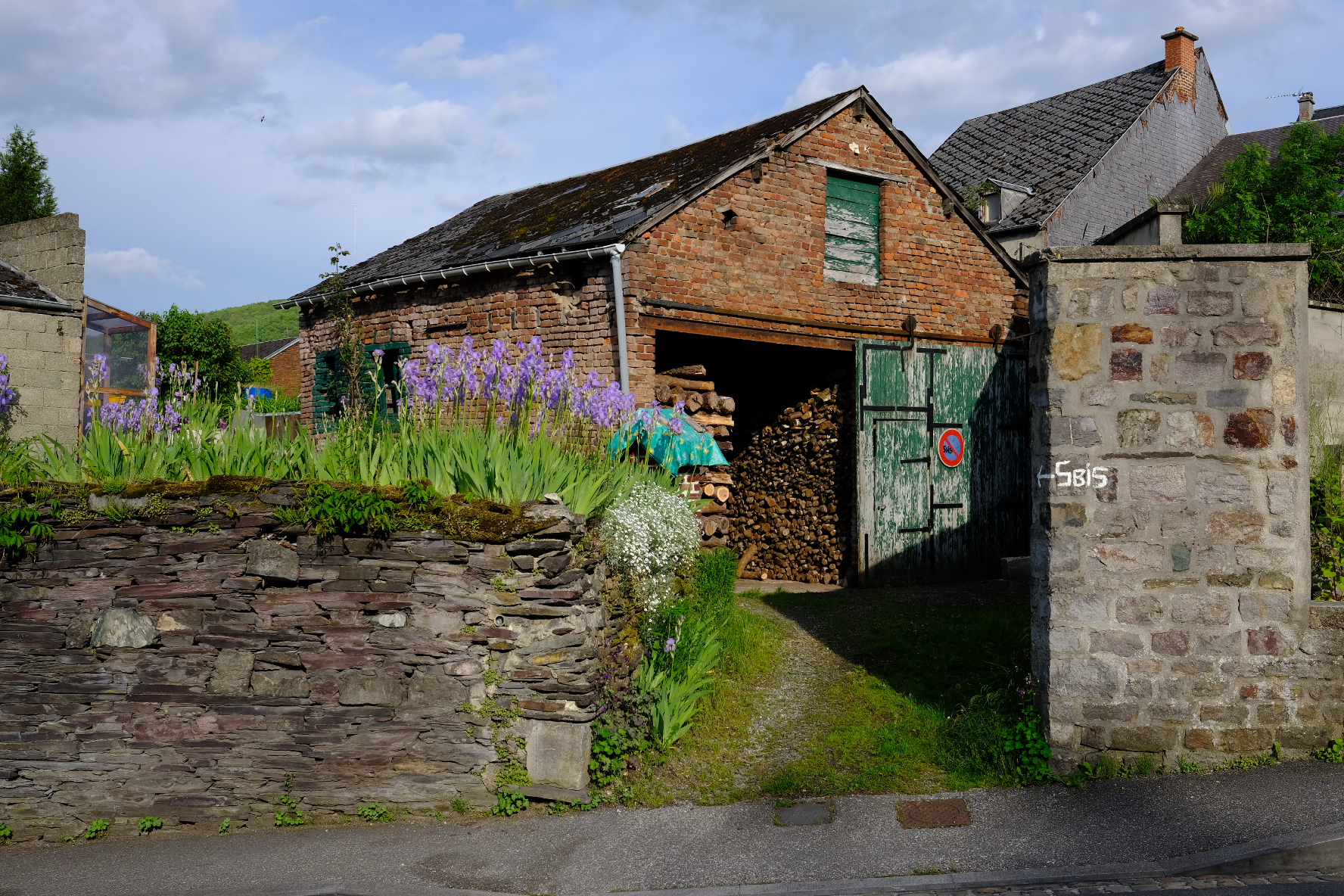 Following the Meuse River downstream, we passed through the lower Ardennes and into the Argonne – Charleville Mézières, Montherme, Stenay, and Sedan – until we finally made it to Verdun. The Maginot Line fortifications became a routine sight. Every 20 minutes or so we would pass a bunker or a pill box. Mac has always had an interest in the WWI and WWII battles so we visited Fort du Vaux, Douamont, the Tranches de Bayonets, and went to the American Cemetery. Each location was incredibly moving for us. As you ride through the area, the history is everywhere and still visible today. What was once completely barren from shelling 100 years ago, is now lush forest but you still see the craters and trenches zigzagging the forest floor. Entire towns were decimated, wiped off of the map and never to be rebuilt. These sites are now commemorated by small signs and plaques indicating where the town once existed. Markers for which battalions fought were, battle locations and their significance, and reference hill numbers are everywhere. We stopped for lunch at a bench along a canal and were perplexed that there were two flags – one French and one from the US on opposite sides of the bridge. As we explored, it was a memorial for a particular crossing which was key to forward progress during WWII. At the Tranches de Bayonets, near Verdun, WWI soldiers were buried alive by the falling dirt and debris from incessant shelling. What was supposed to give them protection ended up being their grave, only to be discovered sometime later when a villager stumbled across the bayonets sticking out of the recovering earth. The soldiers were left in place as a reminder of the brutality of war.
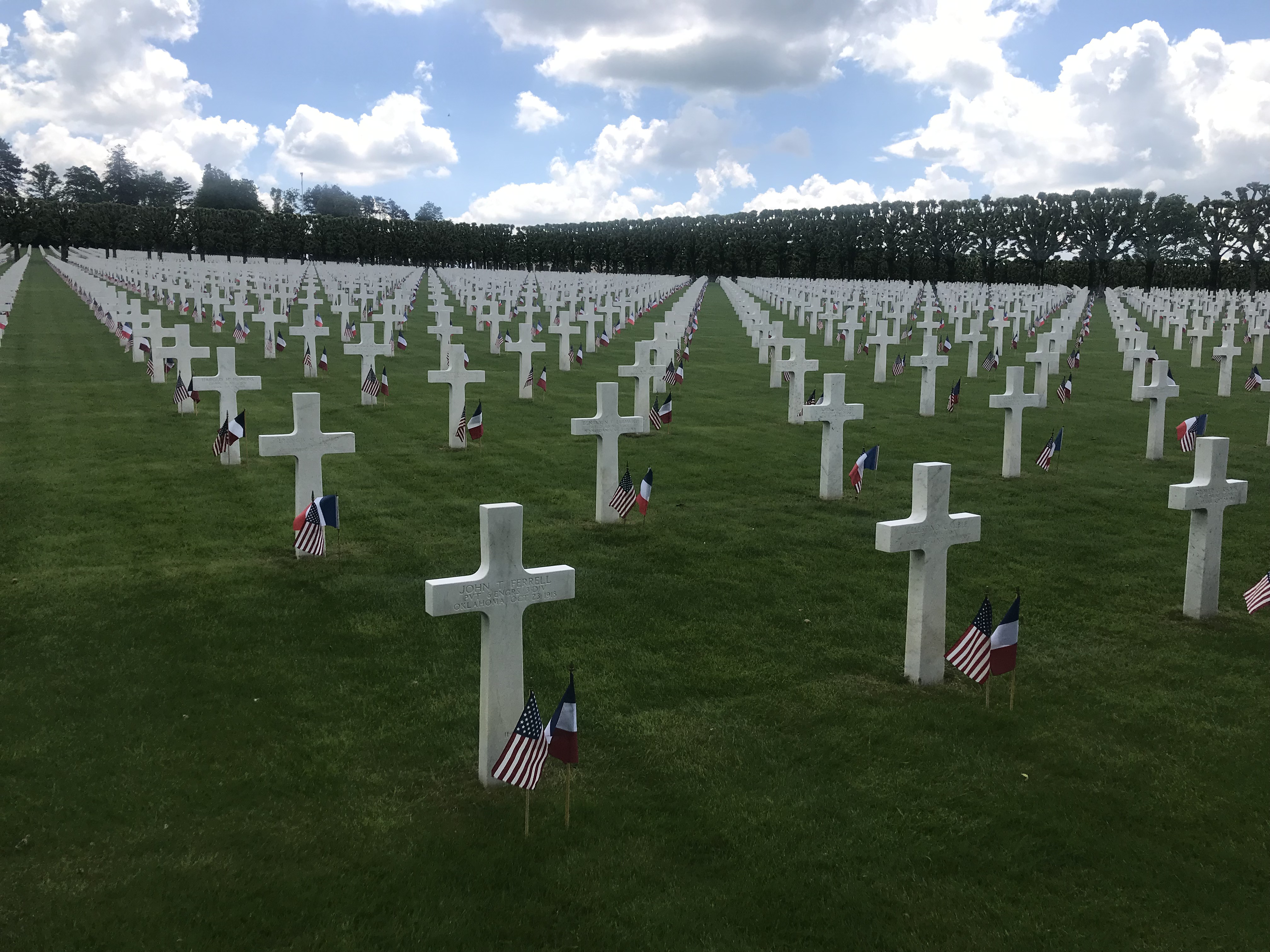 We visited the Argonne cemetery, site of the last battle of WWI, on Memorial Day and were struck that each headstone had two flags – one American and one French – adorning them. Much like our visit to Margraten cemetery in the Netherlands, all immaculately kept with no signs of decay, dirt, or disrepair. In Margraten, local families adopt the graves of US soldiers and care for them as if they were one of their own, keeping it clean and bringing fresh flowers on occasion. Here the flags were placed with precision and care. It is sobering, humbling, and incredibly powerful to walk amongst the war-dead who have two flags or who have flowers placed by someone who may have never known that soldier, yet still honoring their sacrifice.
 Perhaps the biggest revelation for me, though, was that everything I learned about the World Wars in high school and college was largely incomplete or without context. As we walked amongst the headstones in the cemetery, it was striking that the dates of death in Argonne were from only September to November 1918, just a 6 or 8-week period. In school, I learned that we declared war in April of 1917 and that Armistice Day was November 11, 1918, making our apparent participation in the war about 18 months. While factually correct, this is not the full story as it took almost a year to get the draft process up and running and another few months of training and moving of troops. Sure, we sent supplies, material, and money as soon as the war was declared, but the American troops didn’t actually get to the theatre until the summer of 1918. Although the US troops were not involved in the fighting for very long, their presence was critical as it provided both a much-needed morale boost and physical reinforcement for the battle-worn French troops.
 The other thing that never really made sense was the deaths. Although more than 100,000 US military personnel died in the war effort, nearly half (45,000) died of Spanish Influenza with the vast majority of those dying before they ever reached France. This is not to trivialize the more than 70,000 direct military deaths in only a few months, but the idea that disease killed almost half of our soldiers was never emphasized in my education. Also not brought up was the fact that many countries (Serbia, Greece, Romania and the Ottoman Empire) had far more civilian deaths than military deaths. I don’t recall ever talking about this in class, ever. I’m sure there were a few sentences about how disease and famine killed many people, but the sheer scope of this is not put into a context to be fully understood.
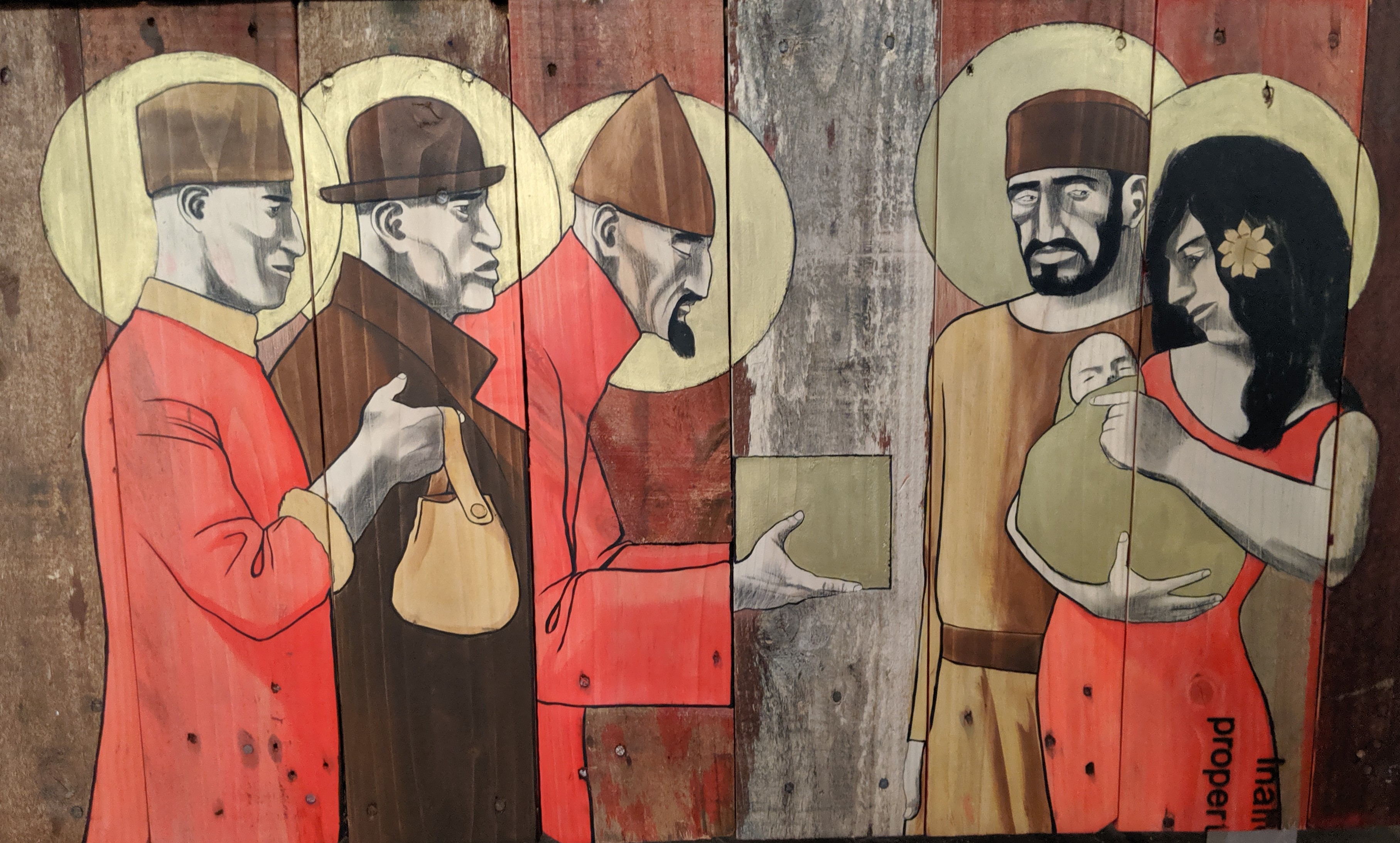 This knowledge is one of the aspects which makes traveling and seeing things first hand extremely thought-provoking. In school we learn the overly-simplified bullet points of World War I: start and end dates, was provoked by the sinking of the Lusitania, more than 100,000 US soldiers died, etc., all without a context or interpretation of the meaning of that war. Knowing that we lost a total of more than 100,000 US soldiers is chilling, but the fact that Russia lost more than four times that number of civilians as a direct result of military action and eight times that because of famine and disease was never discussed. Similarly, Germany suffered 2 million military deaths and 700,000 civilian deaths as a result of the conflict. We lost 100k, they lost millions. These different perspectives on the cost of war were never emphasized or even talked about, really. If it weren’t for travel, I would never have known.
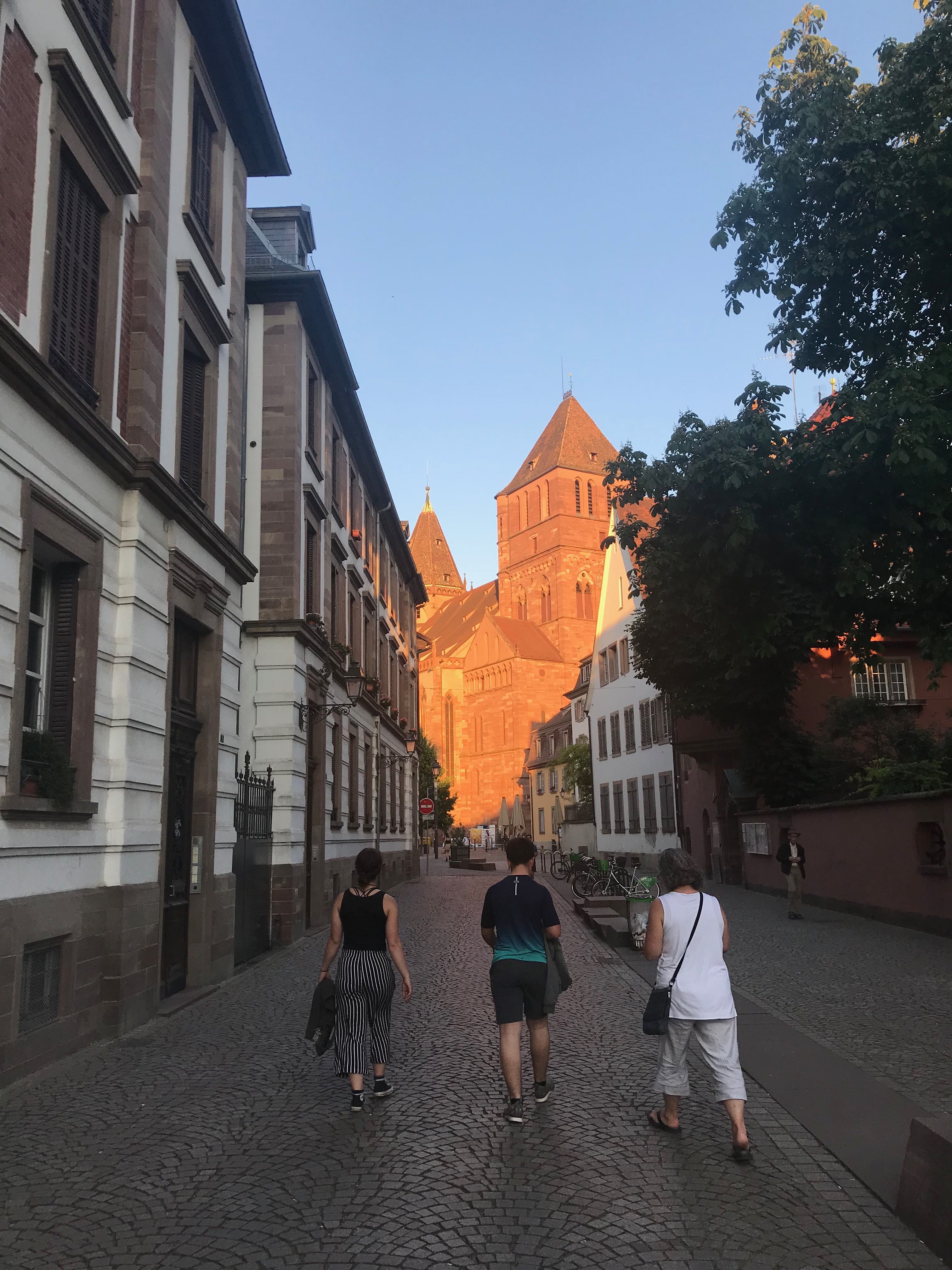
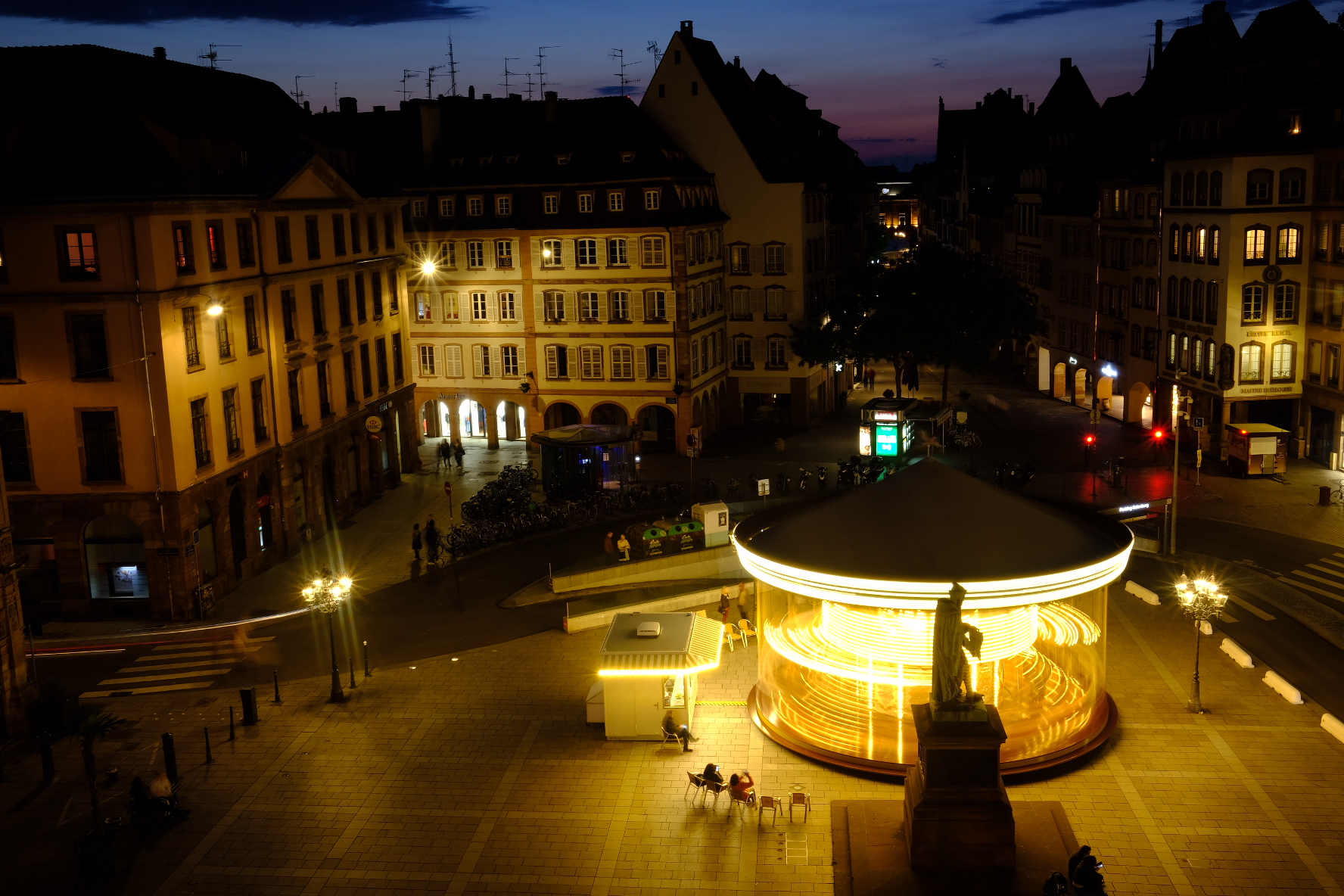 After being humbled by the death and destruction of Verdun and the Argonne, our time in Strasbourg was a wonderful, healing time. Although terribly touristy, the town itself is engaging. We spent a few days here on our first bike trip down the Rhine River in 2014 and wanted to come back to spend a bit more time. It was the longest layover we had planned and came at a very good time. I was able to get the upper hand on my infection and, although more than 10 lbs lighter, started eating again. We had a slow visit like our time in Glasgow – one or two sights per day and a little bit of time to catch up on life. It was great.



 The Shindells - Four to Go