Tag: family

  • Cycling in France

    DSCF1386Leaving the cool of Ireland behind, we boarded an overnight ferry to France then had to take two trains to get to our starting town in France, Mauberge.  As I mentioned in the Ireland post, getting on and off ferries and trains is a very stressful situation for bicyclists, and this was no exception.  We were, however, able to make it through the process and truly enjoyed the open borders policy for the Shengen Area.  Unlike the land border crossings we did in Africa, we simply continued our trip as if we were moving from county to county or state to state.

    IMG_4505Originally we were going to ride the EuroVelo 6 – a long distance cycling route (a bit more than 2,200 miles) which goes from the Atlantic Ocean in Nantes, France to the Constantia, Romania on Baltic Sea.  As we researched the route, however, we found that it spent about a third of its time in France alone and missed most of the Alps, only skirting by some of the more northern parts.  As mountain people, history nerds and lovers of beer more than wine, we chose instead to head to the north of France along the Belgian border.  This would allow us to have more time with craft beers from some of Colburn’s favorite breweries, learn more about WWI and WWII by visiting Verdun and biking along the Maginot Line, and get to Switzerland and Austria before the crowds of July.  This route also had the benefit of potentially being able to visit a few friends and family who are in the Netherlands/Belgium/western Germany area, so was a no-brainer.
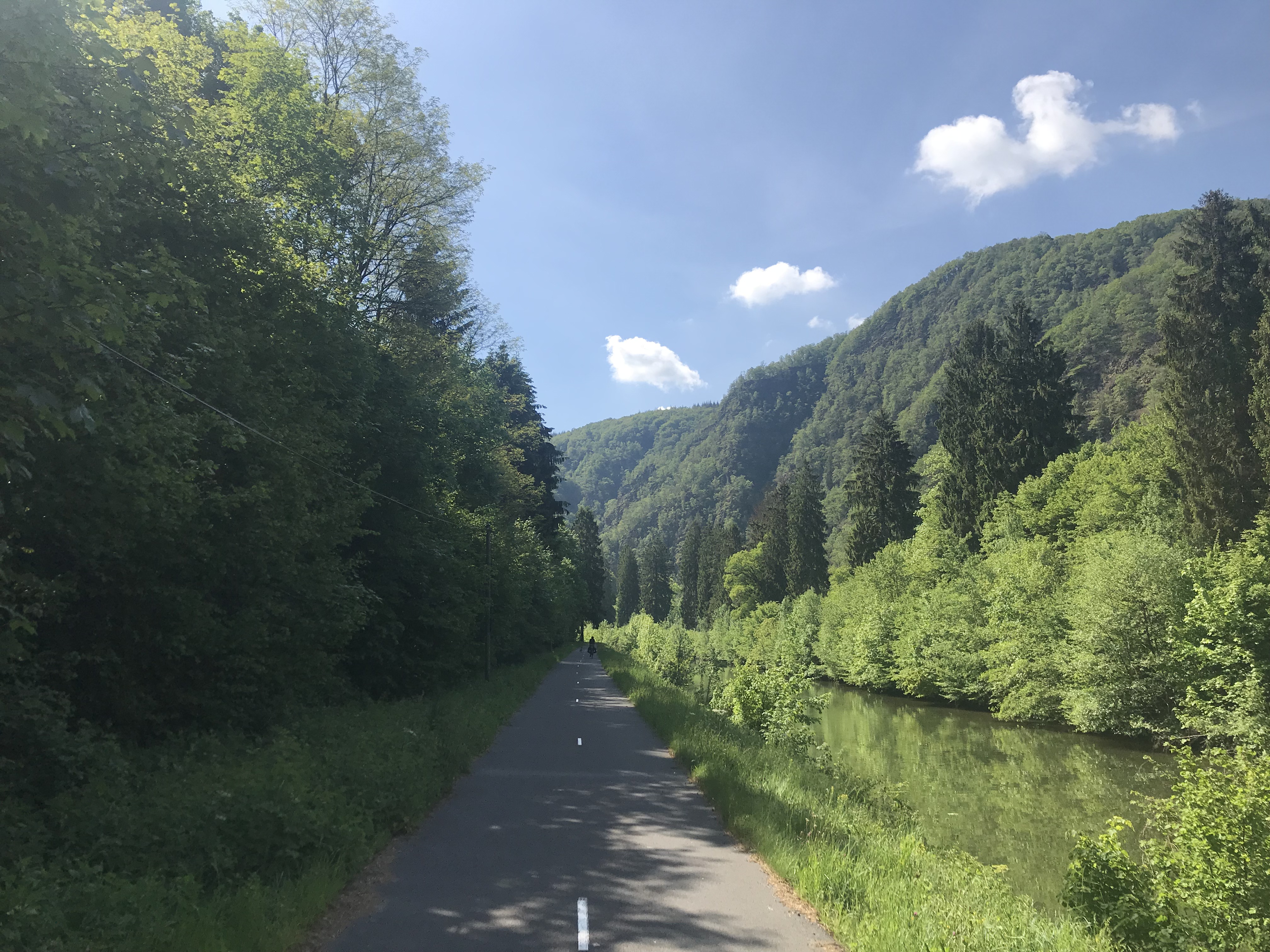
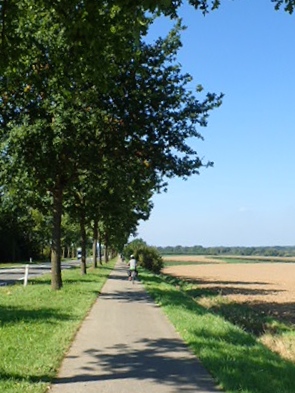
    IMG_4558Because of our repeated ‘close calls’ biking in Ireland, we re-worked our route through France to take advantage of the myriad of bike paths and cycle routes which traverse continental Europe.  This meant we had to change quite a few days as the automobile roads tend to take the most direct route but the cycling paths will follow old railway lines, quiet country roads, and be alongside meandering rivers to avoid the traffic and cut down on the elevation gains and losses.  Several of our days went from 60-70 km to 90-100 km as a result. Despite the longer distances, the biking is so much less stressful that it is an easy trade-off.  What we didn’t plan on, however, was that I caught a terrible GI bug in Ireland, cryptosporidium, that would take me down for almost all of our time in France.  Sick, weak and dehydrated, I was barely able to function, never-the-less ride strong. The experience was so humbling for me I have written a totally separate blog about it – mostly so that it becomes part of our family history and we remember that not all of the traveling is sunshine and blue skies as it might seem from the outside and in our photos.

    8035FF66-ABD5-46EC-A151-7A07A5A4548F-2849-000002C2D048C221Our first days riding in France were a lovely change from the starkness of the Connemara.  Our bike path took us along an abandoned railway line that is now a rail-to-trail.  Green and lush with a cool dampness, the riding was glorious.  We were serenaded by birdsong, rode through small rural towns with cobbled streets, and the surrounding fields were just showing the first signs of summer – being tilled for corn to be planted, wildflowers just beginning their conspicuous display, and pairs of mother-baby animals dotting each farm.  It was idyllic.

    IMG_4530The next day would be one of our more challenging early rides with about 600 m of elevation gain. Although not a long day, riding a bike loaded with packs uphill is much more challenging than on the flats or without the added weight.  We are each carrying about 15 kg of gear (clothing, thin sleeping bag for hostels, computers, food, etc.) which adds a substantial amount of mass to our bikes. My illness made the day exceptionally challenging as I became more and more dehydrated.

    The pay-off for the uphill work was a screamer downhill into Fumay where Colburn and Mac both topped out at around 65km/hour!  We had a sweet little cabin in what might be one of the most charming towns in rural France.  Our hosts, Genevieve and Michèle, welcomed us with great hospitality – like meeting a long-lost aunt and uncle.  The entire conversation happened through Google Translate but was wonderful.  The town is not really much of a tourist town for English-speaking foreigners, so we were a novelty.  We had a grand time working on our French, walking about, and enjoying the sense of being in nature.
    0A8A4DFC-EA2A-4958-89BC-EE7677BF3433-2849-000002C363910A7FFollowing the Meuse River downstream, we passed through the lower Ardennes and into the Argonne – Charleville Mézières, Montherme, Stenay, and Sedan – until we finally made it to Verdun. The Maginot Line fortifications became a routine sight.  Every 20 minutes or so we would pass a bunker or a pill box. Mac has always had an interest in the WWI and WWII battles so we visited Fort du Vaux, Douamont, the Tranches de Bayonets, and went to the American Cemetery.  Each location was incredibly moving for us.  As you ride through the area, the history is everywhere and still visible today.  What was once completely barren from shelling 100 years ago, is now lush forest but you still see the craters and trenches zigzagging the forest floor.  Entire towns were decimated, wiped off of the map and never to be rebuilt.  These sites are now commemorated by small signs and plaques indicating where the town once existed.  Markers for which battalions fought were, battle locations and their significance, and reference hill numbers are everywhere.  We stopped for lunch at a bench along a canal and were perplexed that there were two flags – one French and one from the US on opposite sides of the bridge.  As we explored, it was a memorial for a particular crossing which was key to forward progress during WWII.  At the Tranches de Bayonets, near Verdun, WWI soldiers were buried alive by the falling dirt and debris from incessant shelling. What was supposed to give them protection ended up being their grave, only to be discovered sometime later when a villager stumbled across the bayonets sticking out of the recovering earth.  The soldiers were left in place as a reminder of the brutality of war.
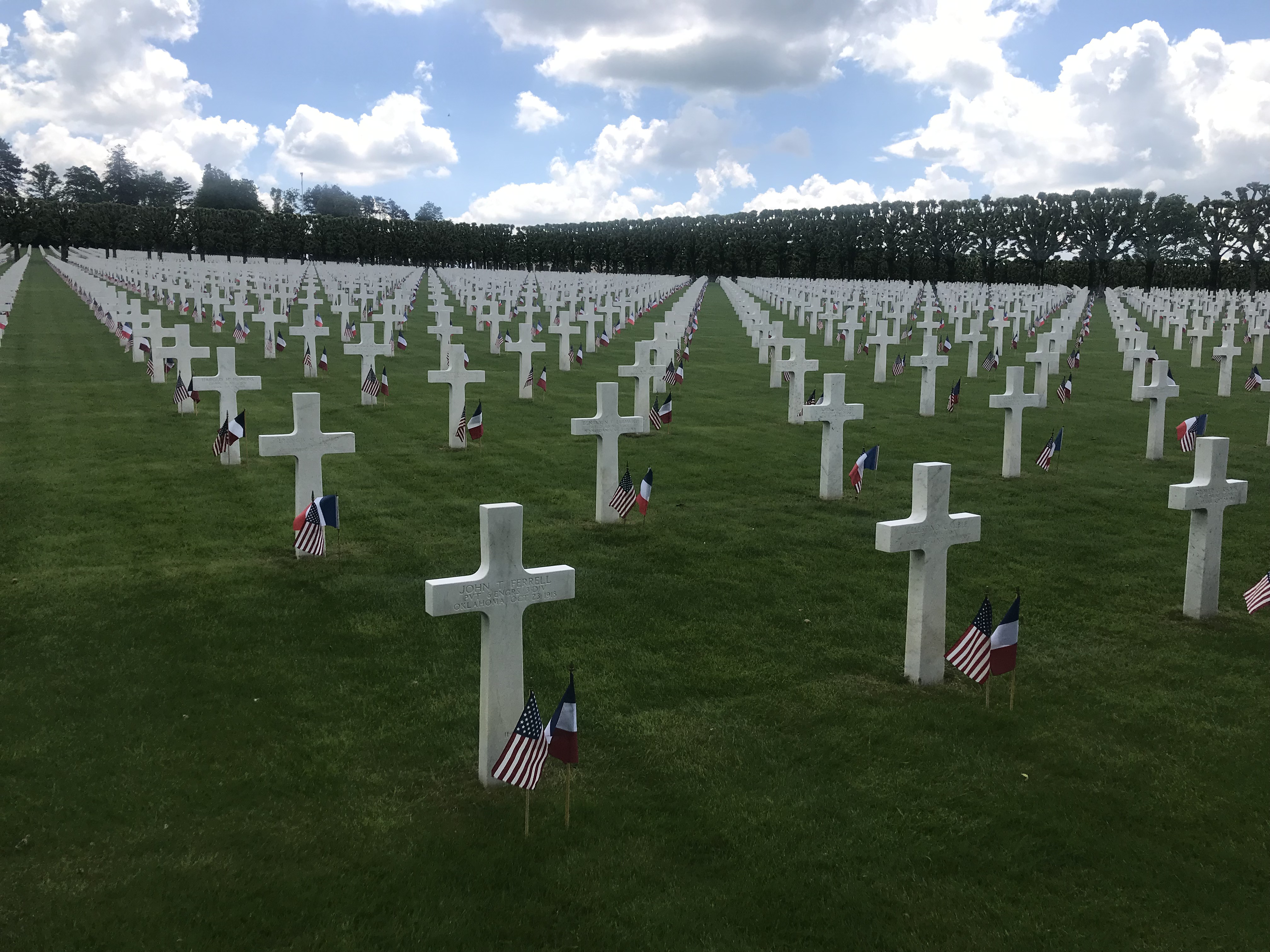
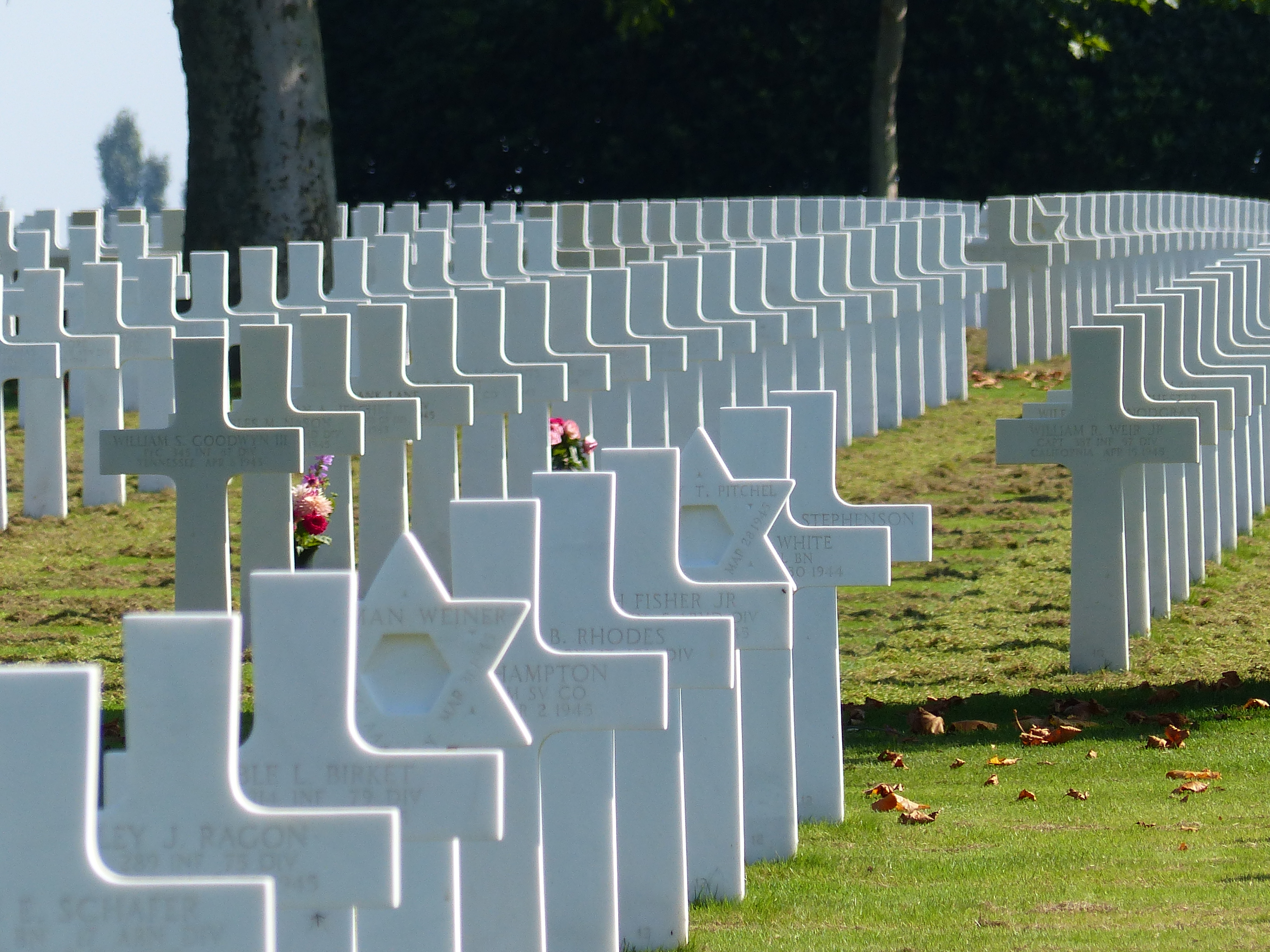
    IMG_4586We visited the Argonne cemetery, site of the last battle of WWI, on Memorial Day and were struck that each headstone had two flags – one American and one French – adorning them. Much like our visit to Margraten cemetery in the Netherlands, all immaculately kept with no signs of decay, dirt, or disrepair. In Margraten, local families adopt the graves of US soldiers and care for them as if they were one of their own, keeping it clean and bringing fresh flowers on occasion.  Here the flags were placed with precision and care.  It is sobering, humbling, and incredibly powerful to walk amongst the war-dead who have two flags or who have flowers placed by someone who may have never known that soldier, yet still honoring their sacrifice.

    IMG_4518Perhaps the biggest revelation for me, though, was that everything I learned about the World Wars in high school and college was largely incomplete or without context.  As we walked amongst the headstones in the cemetery, it was striking that the dates of death in Argonne were from only September to November 1918, just a 6 or 8-week period.  In school, I learned that we declared war in April of 1917 and that Armistice Day was November 11, 1918, making our apparent participation in the war about 18 months.  While factually correct, this is not the full story as it took almost a year to get the draft process up and running and another few months of training and moving of troops.  Sure, we sent supplies, material, and money as soon as the war was declared, but the American troops didn’t actually get to the theatre until the summer of 1918. Although the US troops were not involved in the fighting for very long, their presence was critical as it provided both a much-needed morale boost and physical reinforcement for the battle-worn French troops.
    DSCF1371The other thing that never really made sense was the deaths.  Although more than 100,000 US military personnel died in the war effort, nearly half (45,000) died of Spanish Influenza with the vast majority of those dying before they ever reached France.  This is not to trivialize the more than 70,000 direct military deaths in only a few months, but the idea that disease killed almost half of our soldiers was never emphasized in my education.  Also not brought up was the fact that many countries (Serbia, Greece, Romania and the Ottoman Empire) had far more civilian deaths than military deaths. I don’t recall ever talking about this in class, ever.  I’m sure there were a few sentences about how disease and famine killed many people, but the sheer scope of this is not put into a context to be fully understood.
    IMG_20190529_125754This knowledge is one of the aspects which makes traveling and seeing things first hand extremely thought-provoking.  In school we learn the overly-simplified bullet points of World War I: start and end dates, was provoked by the sinking of the Lusitania, more than 100,000 US soldiers died, etc., all without a context or interpretation of the meaning of that war.  Knowing that we lost a total of more than 100,000 US soldiers is chilling, but the fact that Russia lost more than four times that number of civilians as a direct result of military action and eight times that because of famine and disease was never discussed.  Similarly, Germany suffered 2 million military deaths and 700,000 civilian deaths as a result of the conflict.  We lost 100k, they lost millions.  These different perspectives on the cost of war were never emphasized or even talked about, really.  If it weren’t for travel, I would never have known.
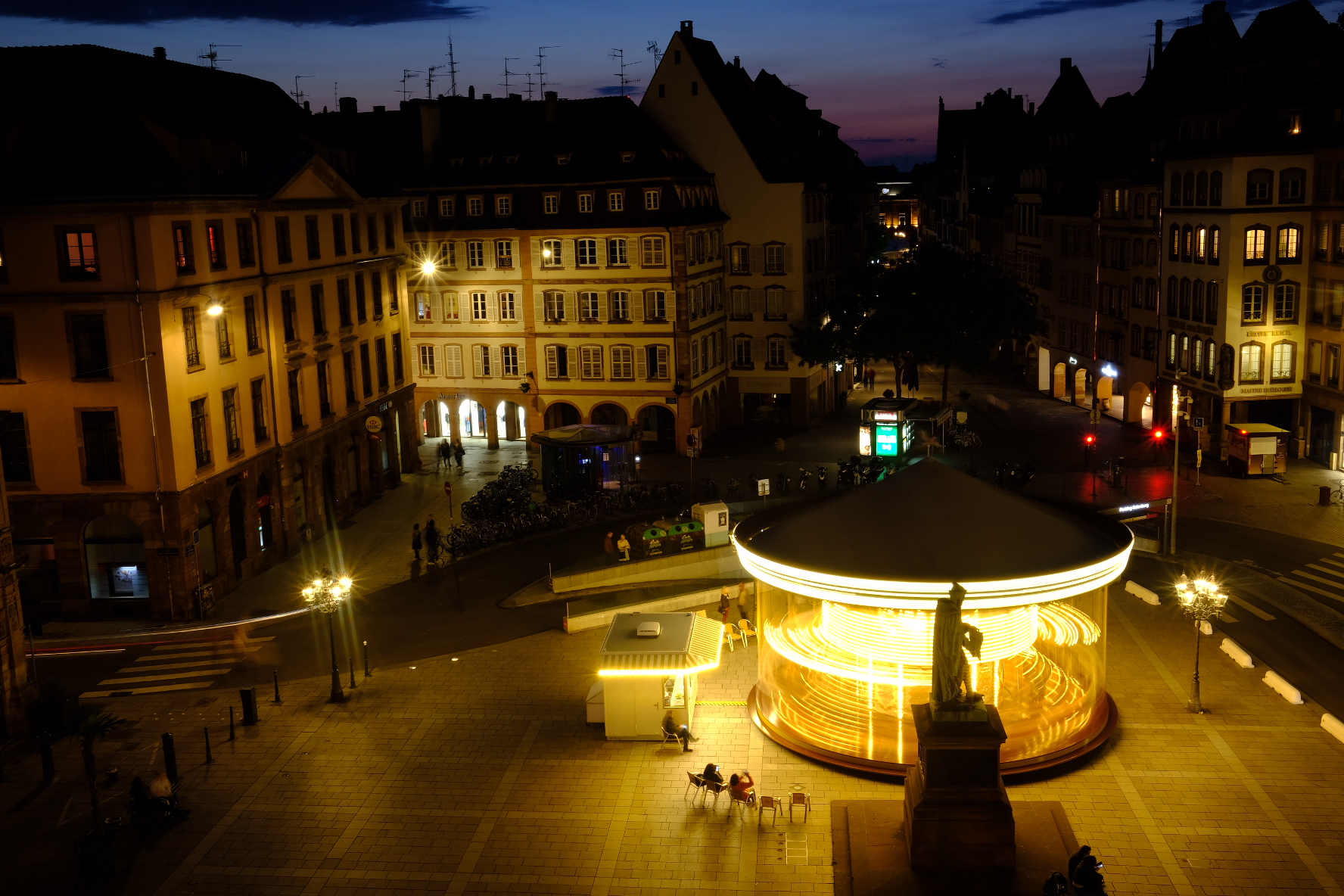
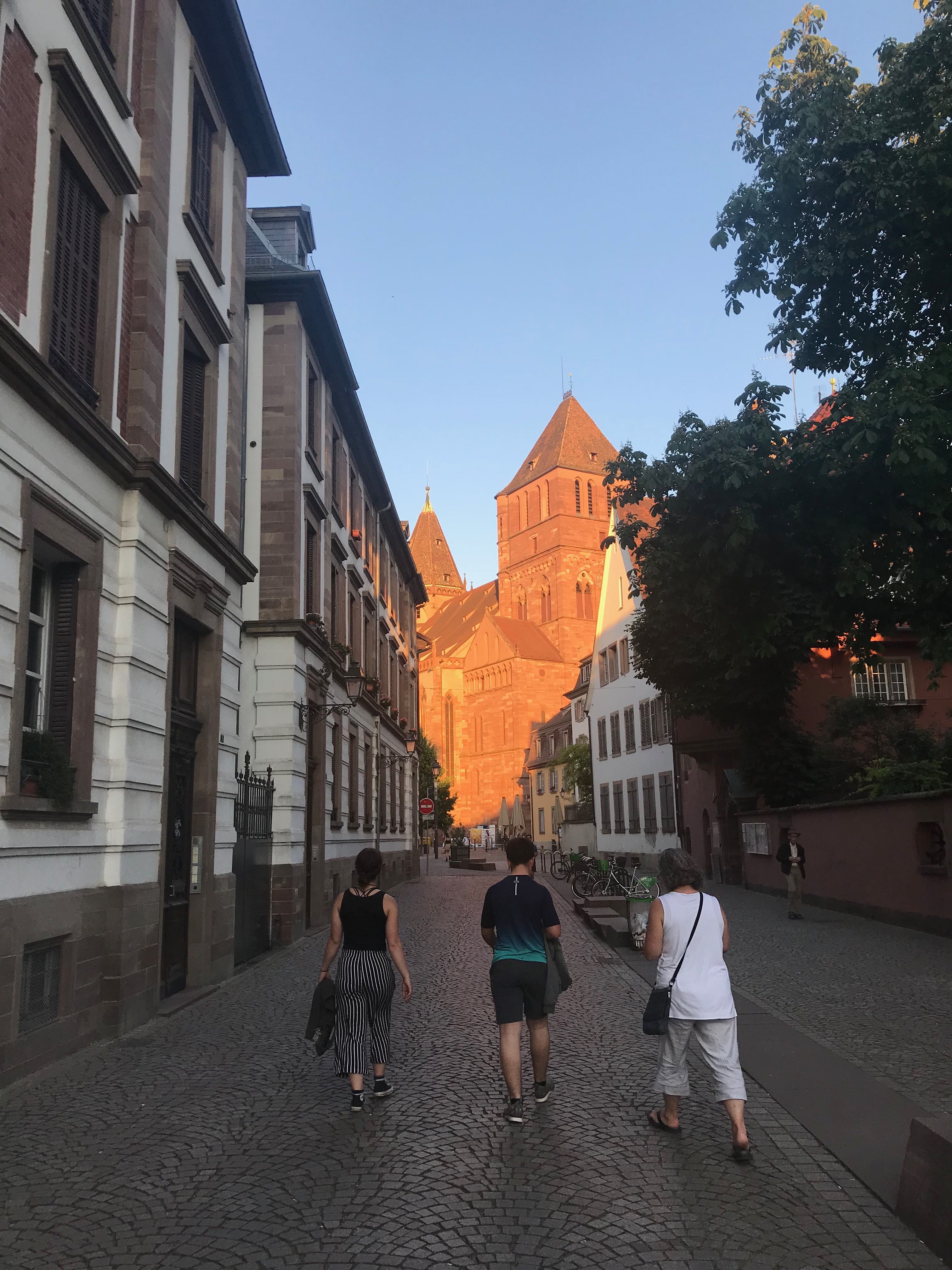
    56EB380E-FE21-468C-B265-A36F7B94BBDF-6972-0000080269AB79AFAfter being humbled by the death and destruction of Verdun and the Argonne, our time in Strasbourg was a wonderful, healing time.  Although terribly touristy, the town itself is engaging.  We spent a few days here on our first bike trip down the Rhine River in 2014 and wanted to come back to spend a bit more time.  It was the longest layover we had planned and came at a very good time.  I was able to get the upper hand on my infection and, although more than 10 lbs lighter, started eating again.  We had a slow visit like our time in Glasgow – one or two sights per day and a little bit of time to catch up on life.  It was great.
    IMG_4699 (more…)

  • Morocco – 52 Days from Timbuktu

    Morocco – 52 Days from Timbuktu

    52 Days from Timbuktu
    52 Days from Timbuktu

    “Fifty-two days” responded Mohammed, our Berber guide, when queried how long it would take to get to Timbuktu.  “By camel” he added when noticing our quizzical facial expressions.  My first though it that fifty-two days on a camel would be torturous, but the idea of fifty-two days on a camel through the Sahara seems down right impossible.  We were only on the camels three days and had enough.  Fifty-two days seems unfathomable.  The salt traders were a heartier folk than us soft Americans.

    Sore butts (and blisters in places where there shouldn’t be blisters!) aside, Morocco was an incredible experience and a place we would love to explore more thoroughly.  We arranged our time there as a “highlights” tour, spending only a few days in each of the well-known locations – Marrakech, Erg Chebbi in the Sahara desert, Meknes, Fes, and Assilah.  We rented a 4×4 car so were not beholden to bus and train schedules, thus allowing us to be able to stop at minor out-of-the-way destinations such as Tizgha, Ait Ben Houddit, and Volubulis without having to join a formal tour.

    Volubulis, a Roman ruin
    Volubulis, a Roman ruin

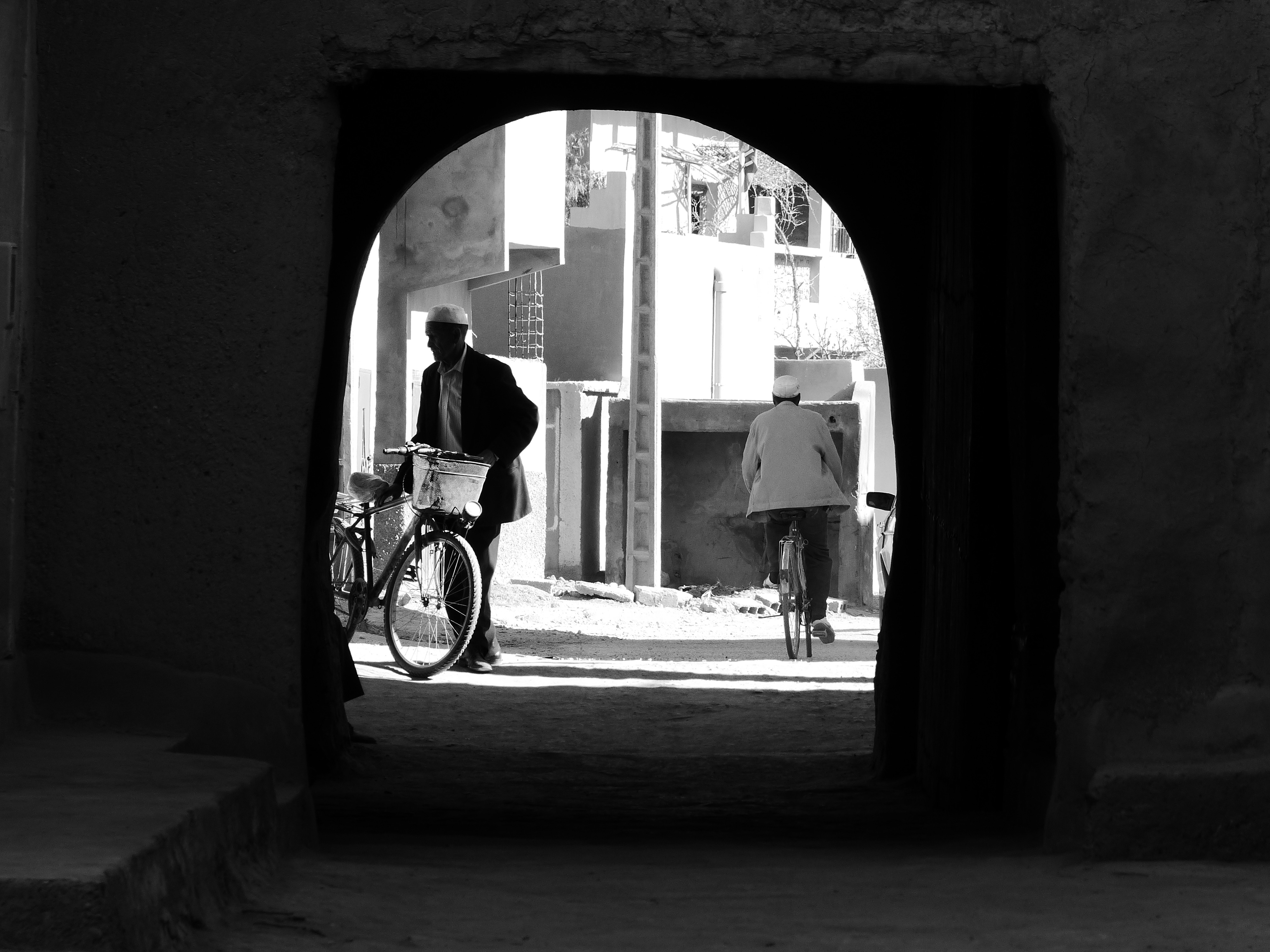
    Having read horror stories of driving in Morocco, we were a bit apprehensive, but all of the hype was over-stated.  We found that the drivers were largely following general guidelines (i.e. don’t pass on a blind curve, honk when overtaking a slower vehicle in front of you, stop for pedestrians, etc.) with a few looser interpretations than what we are accustomed to (i.e. keep generally to your side of the road unless the other side is smoother in which case stay on the smooth road for as long as possible only switching to your side if the other driver does not back down, signaling turns is unnecessary, etc.) but compared to Nepal and Peru, it seemed down right organized.  Most of the road signs are have English translations making navigation relatively easy (except for where there are no road signs at all – more on that later).  French is widely spoken so communication is possible.  But, perhaps the best part of having your own car in Morocco, is that you get to meet real Moroccans outside of the horribly touristed places.  For anyone who is moderately adventurous, this is an amazing experience.

    Ait ben Haddou
    Ait ben Haddou

    For the me and the kids, the adventure of Morocco began at the tail end of a twenty-three hour flight from Australia.  Yes, twenty-three hours of flying time, not including layovers.  Prior to going on this trip, I would have dreaded such an endeavor, especially being solo with the kids.  I would have spent hours creating a game plan – getting them psyched up for the challenge of being together in a small space, finding new and engaging entertainment options, getting them enough exercise before we boarded the plane so they wouldn’t go crazy, making healthy snacks to take with us, etc.  What I realize now is all of that energy would be misplaced on my anxiety, not on the reality of what they need.  We all did just fine without any significant preparation – just got on the plane and everyone slipped in to their long travel day routine.  I’m not going to lie to you, 14 hours on a plane is a long time that challenges anyone’s patience, but we all did well and made it safely to Casablanca.

    Colburn had been in the US doing some job search stuff for the previous three weeks, so met us at the airport for a wonderful family reunion.  After two years of being together nearly 24/7, when he left Indonesia for the US and we headed to Australia, all of us were a bit out of sorts being separated.  Coming back together was a welcome relief.  We all took a deep breath, loaded up in the car and drove straight to Marrakech, our first stop.

    One of the many stalls, but in daylight
    One of the many stalls, but in daylight

    Arriving on the outskirts of Marrakech at dusk with only general directions written by the owner of our guesthouse (riad) for guidance, we attempted to navigate our way in to the medina.  The directions said something like, “Exit off of the toll road and go through several roundabouts until you get to the last big roundabout before the city itself and take the third exit.  Go through two more roundabouts then make the first right.  When you get to Petit Cour, call us and we will send the bell boy to come get you.”  OK, so we are new to Morocco and not really sure how to determine which roundabouts are considered “big” and which ones are “small” or  which one is the “last one” before the city or if “Petit Cour” is an area, a building, a roundabout, or what, but we trust in the universe and do our best to follow these directions.  We exit the motorway and use the GPS feature on our smart phone to let us know the general area.  We are feeling confident because it shows us a much larger roundabout just before what looks like the outskirts of the city.  The directions didn’t use street names, so it wasn’t possible to double check to make sure we were at the right one.  As it turns out, the directions didn’t describe any street names because they don’t really use them in the same way we would.  There are few, if any, street signs and those are mostly in Arabic script, directions are provided in terms of blocks, landmarks, and other markers.

    Daily bread
    Daily bread

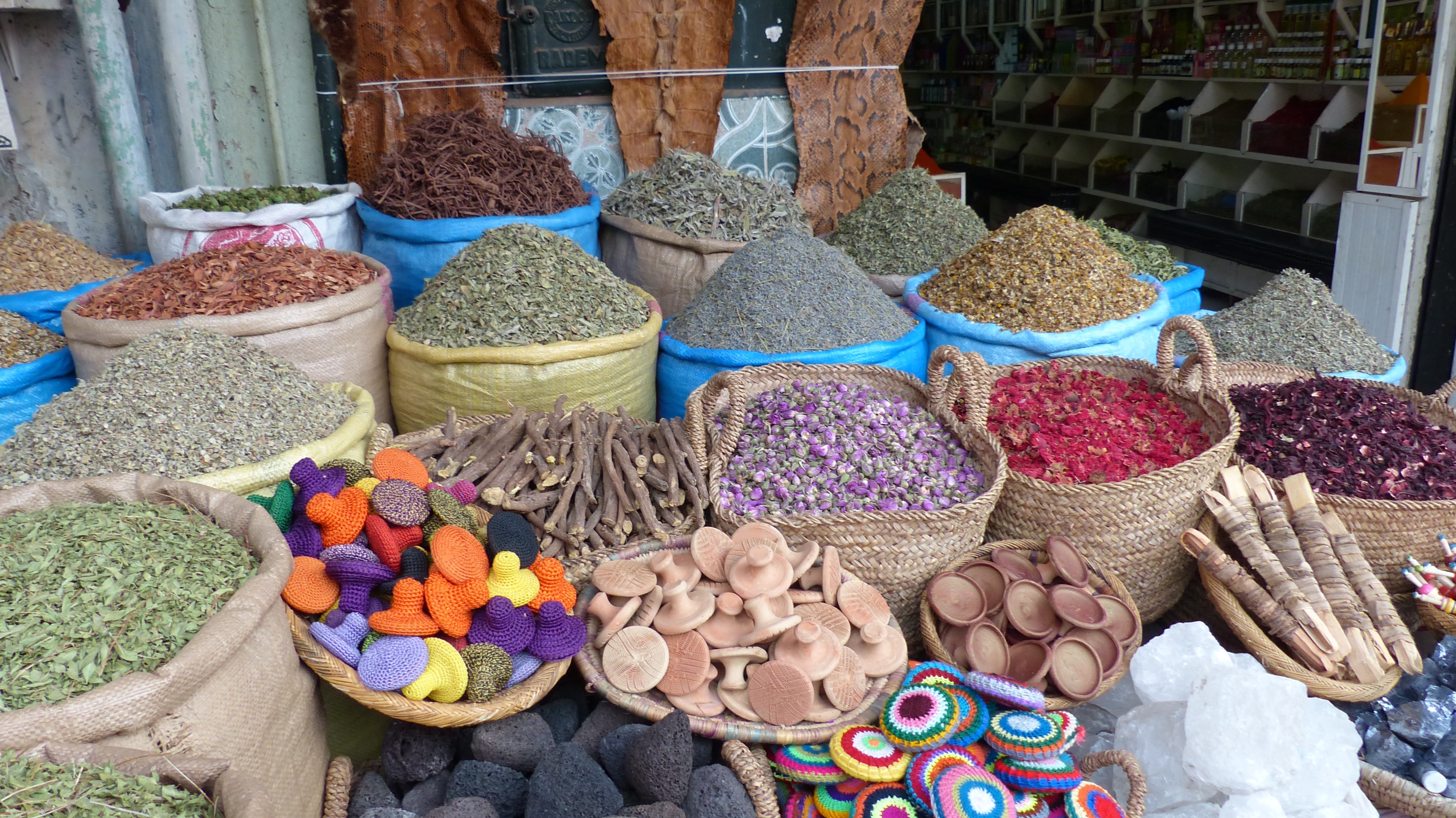
    We, unfortunately, were too anxious to “take the third exit” and ended up on the opposite side of town, heading towards our next destination.  Realizing that we had missed our exit, we retraced our steps back through to where we though we made the mistake, only to make the same mistake again!  Now it was not just dusk, it was dark, and we were getting a bit frustrated because we had already had a long travel day coming from our respective continents.  Marrakech is a big medieval walled city with twisting, winding, narrow lanes which do not follow any sort of pattern.  There is not a grid system, a spoke and wheel layout, or any other semblance of order.  The streets were built helter-skelter and designed for pedestrians and donkeys, not cars and trucks.  Colburn was doing his best to dodge the evening rush hour of men on bicycles, women toting babies and groceries, people on motos and donkeys pulling carts while I attempted to give him directions like “where the road splits off in to five directions up here, take the hardest right you can.”  Eventually the lane narrowed down to something that is barely wide enough for a car to fit through but it was completely clogged with pedestrians.  We are only a block or two from our riad, but quite literally, our car is surrounded by a sea of scarved women in long robes, young men in jeans and sweat jackets, older men in hooded djellabs, donkeys pulling wooden carts filled with firewood, and overflowing stalls of meats, spices, trinkets, and household goods.

    The Woodworker
    The Woodworker in Fes

    A young man off to the left side of the car frantically waves at Colburn and yells something in French.  We don’t understand, but roll down the window.  He sees our wide-eyed-ness and pale skin so responds with compassion, speaking more softly this time, but still in French.  Once again, he sees our blank stares of incomprehension, so switches to English.  “The road is closed here sir, only people can go, you have to go back.”  He implores us to head out the direction from which we just came, but we resist because our riad is just on the other side of the crush of people.  We are so close!  When we show him the location, he smiles and pulls out his cell phone saying, “Yes, you are close.  Let me call them to see where you park.”  Moments later he pounds two quick taps on the hood of the car and indicates for us to follow him.  Our guide clears the way for us to easeforward making sure we stay very close (like within an inch or two) from the donkey cart in front of us. Quick waves of his hand mean move forward.  A solid rap on the hood means stop.  His buddy literally “has our back” and is guiding the rear of the car to make sure that we don’t accidentally run over anyone because in order to get down our road,  a 26-point turn is needed, inching forward and backward to make the off angle turn. Like the President’s Secret Service, they each had a hand on our car indicating to us when to go and when to stay.  As our guide parts the sea in front of us, we get to an open triangular area that has two cars in it, both parked at odd angles.  “This is where you park” he told us.  After paying the equivalent of US$3 per night to what appears to be a random man on the street, we lock our car and follow our guides through the melee of people, jostling our suitcases behind us on the cobbled streets, dodging donkey dung all the while.

    The Coppersmith
    The Coppersmith and his Apprentice in Fes

    The area we are walking through is actually a night market.  What we see is a blur of robed people, grills spewing smokey aromas of charred meat, dim overhead lights, raw meat hanging from hooks, piles of grains, and many other items spilling in to the narrow lane.  We turn off the main road, down an even more narrow but equally poorly lit side road, then make a sharp right turn ducking under a low overhang or perhaps a small doorway, it is difficult to tell in the dark.  I am not really sure where we are now, then a bit of anxiety hits me, “What if instead of calling our riad, he had called his buddies and they are going to mug us?”  We have a lot of US cash on us right now, are exhausted, stressed, and new to the culture.  What if I missed the signals?  Just as I really started to think about what to do, our guide points out the sign above us which reads “Dar Hanane”, our riad.  But for the providence of strangers, we could have been lost for a very long time.  These two young men, probably 20 or so, saw that we didn’t know the area and helped us out.  This scene was to be repeated several more times during our stay in Morocco.  Whenever we were lost or mis-directed, someone would see our confusion and come to our rescue.  Sometimes they asked for small backsheesh ($1-3), but mostly they did it out of genuine hospitality.  Only once, during our last days in Morocco, did anyone try to scam us for this help.  Everyone else made us feel most welcomed and honored that we had chosen to visit their country.

    Snake-charmer in Marrakech
    Snake-charmer in Marrakech

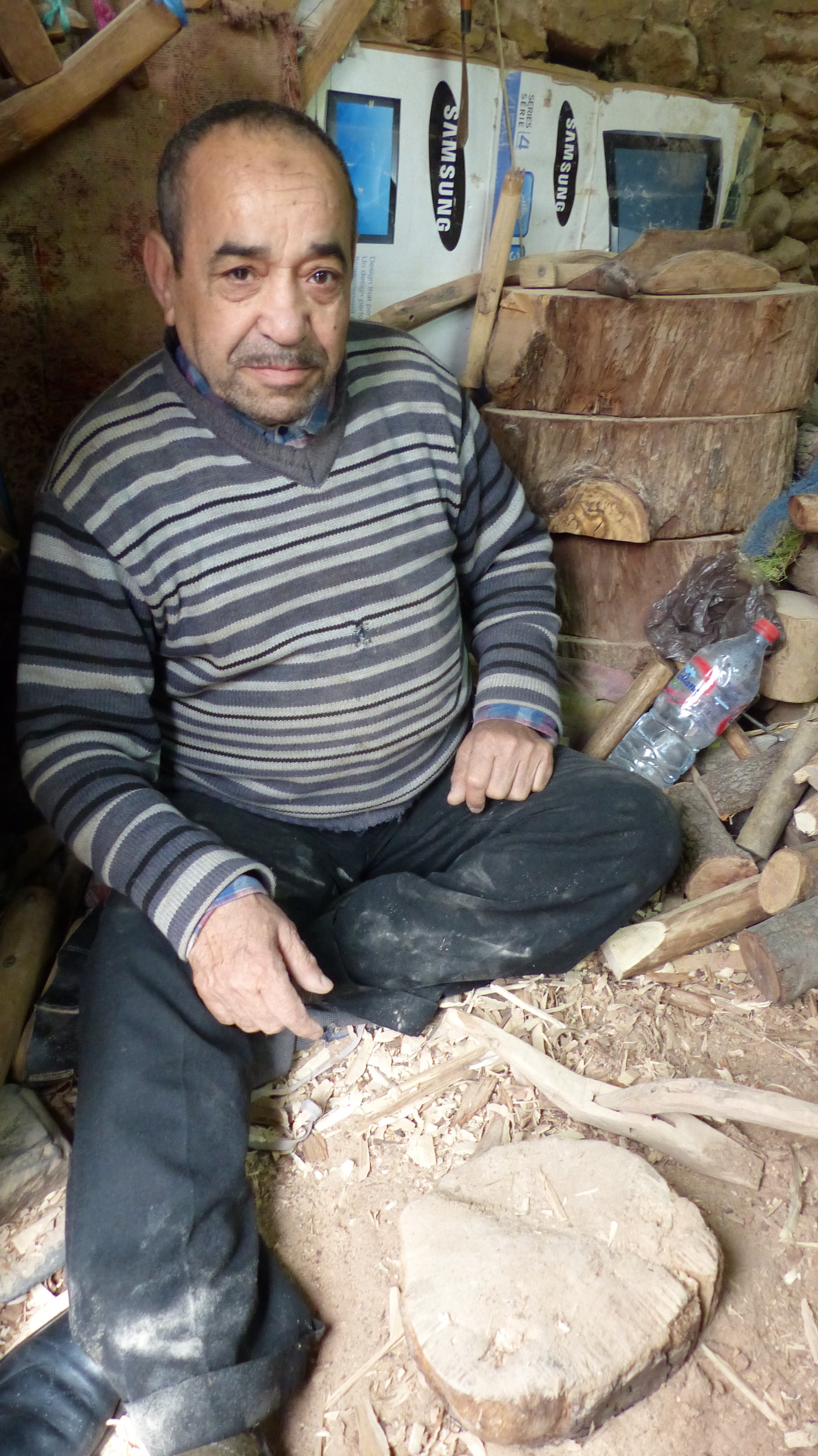
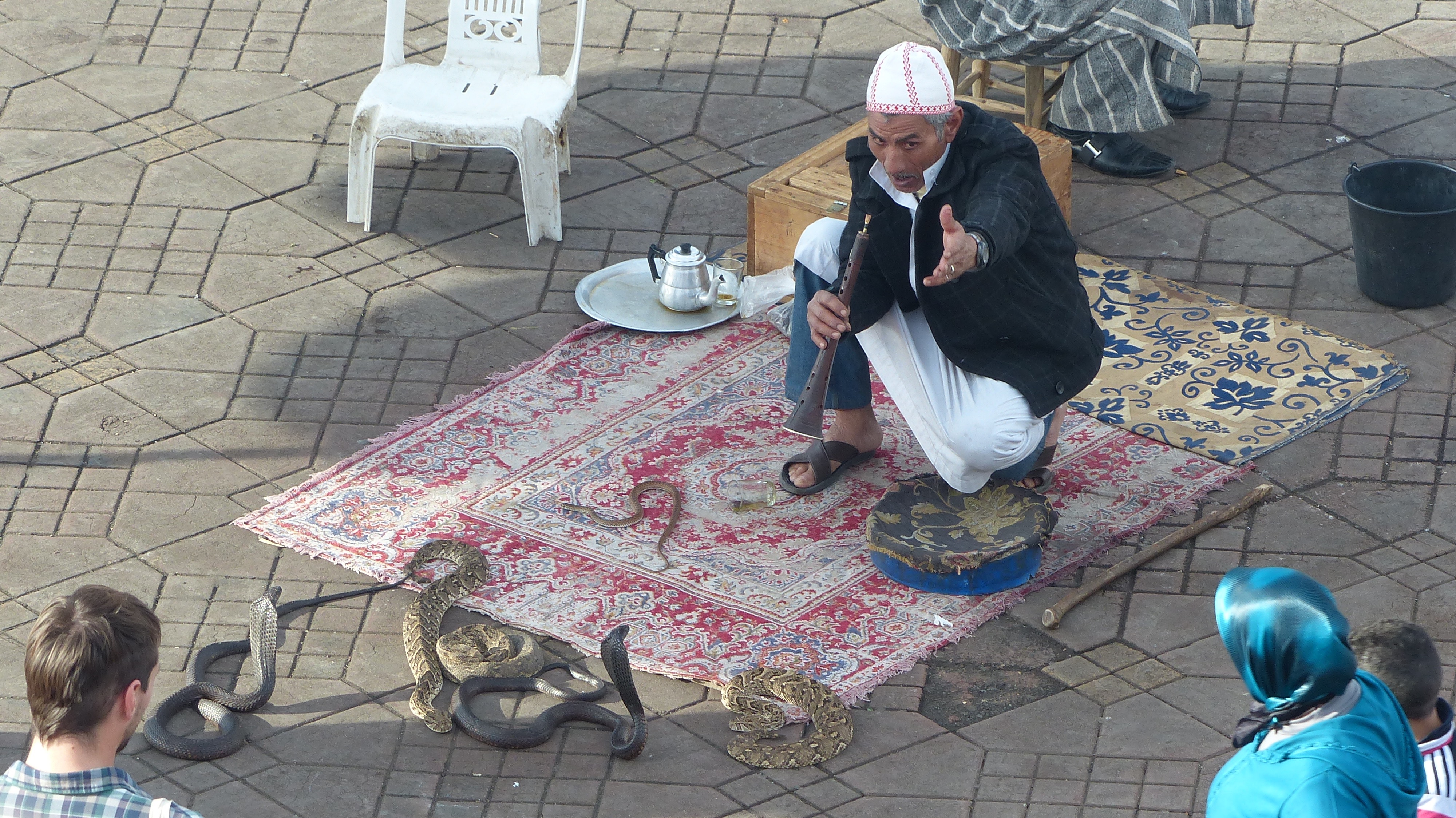
    Marrakech is an interesting city awash in tourists.  Because of this, it is difficult to know what is real in the city and what is primarily there only for the benefit of tourists.  Lines of caleche drivers (horse-drawn carriages) tout their services always undercutting the next driver, snake charmers perform their craft but have sewn the snake’s mouth shut so it is all just a facade, and the acrobats request a “tip” for simply walking by where they are performing.  If you view it as a grand show, it is quite interesting, but so theatrical that one cannot see the reality of life there.  In contrast, the Medina of Fes is still an authentic, thriving small city with wood workers, metalsmiths, a tannery, and other artisanal traditions still practiced intact.  Yes, there are tourists, but the city seems to remain true to itself and has not sold out solely to the tourist dollar.  In full disclosure, we only spent one day in Marrakech and three in Fes, so perhaps it was the depth in which we were able to experience Fes that leads us to such differing opinions about the two; it is hard to tell.

    L1160728
    Near the town of Ourrzazate

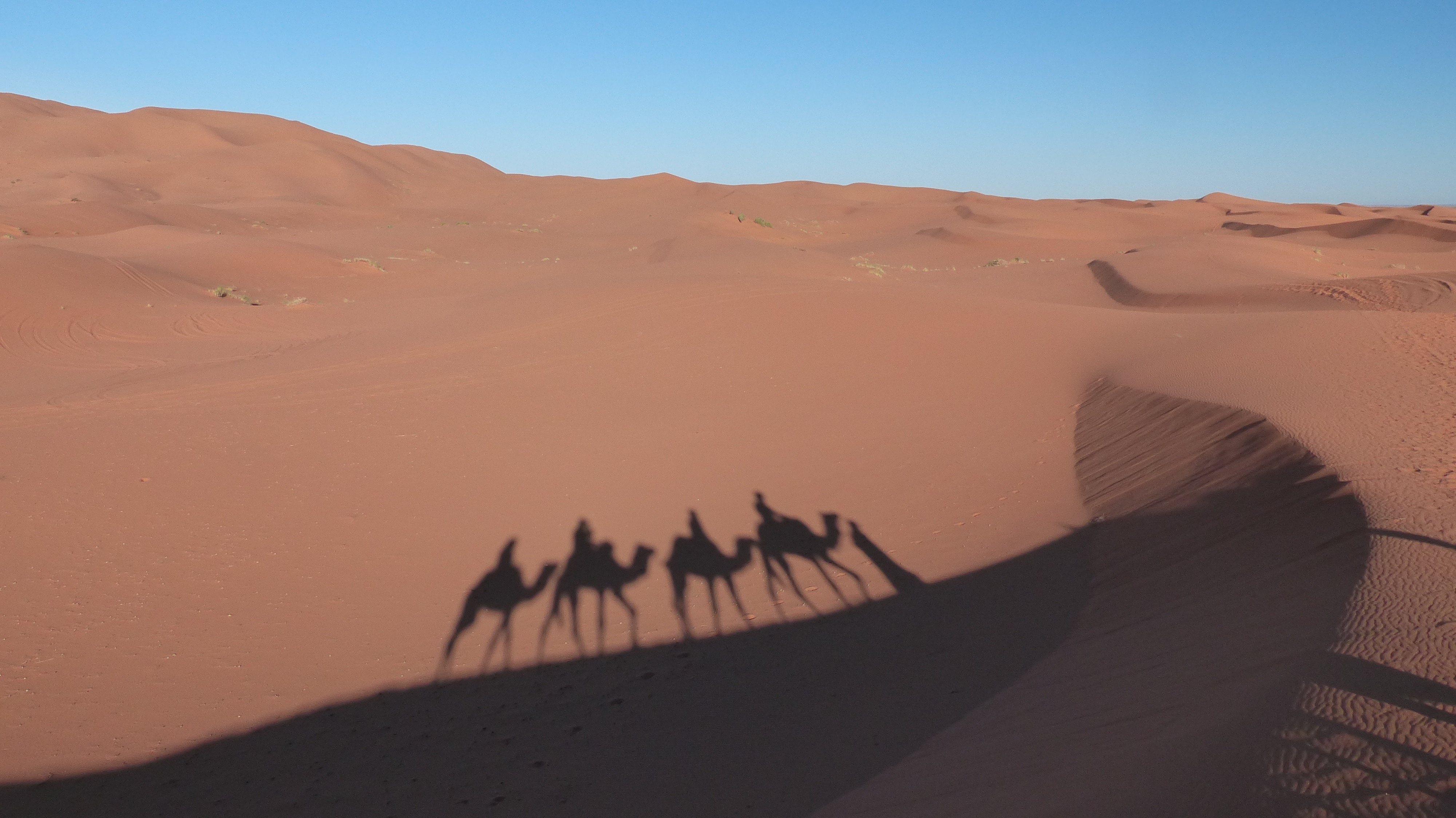
    Perhaps one of the most serene and sublime experiences of our trip so far was a three-day, two-night camel trip in to the desert dunes of Erg Chebbi on the northern edge of the Sahara Desert.  Rather than going through one of the big tour operators, we had learned about the Family Fayou through a homestay organization we had contacted.  The business is a family affair with Mohammed being the main guide, his mom and sisters providing food preparation and hospitality, his younger brother Said taking care of the camels, and his father continuing to farm a small plot for wheat and other necessities.  Mohammed’s family were originally nomads who lived in the dunes herding goats and occasionally welcoming intrepid travelers to their home for the night in exchange for a small fee.  As adventure travel became commonplace, they had more and more guests so were able to use some of the money they earned from hosting tourists to build a home in the local village, Ras-el-Erg.  Mohammed learned English through the guests who came to visit their nomadic tent and completed high school in the big town some 50km from his village.  Eventually he and his family were able to purchase three camels of their own and start guiding their own guests.  While he and his family enjoy the ease of life in the village, they miss the quiet and solitude of the dunes.

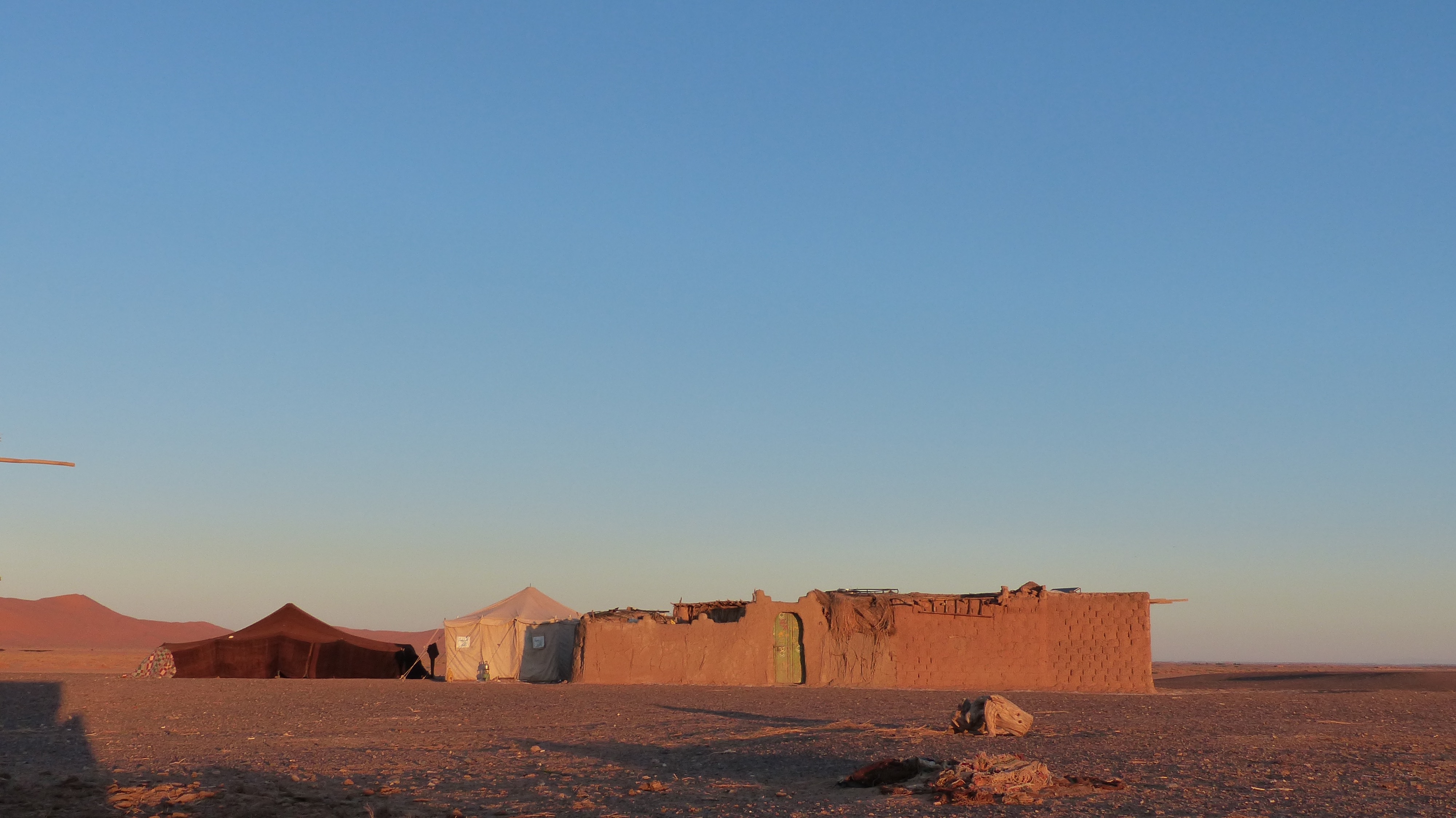
    L1160801Our first night was spent in the black rock desert along the Algerian border visiting a family not unlike what Mohammed’s family was twenty years ago. It struck me that although these people are referred to as “nomads”, their lifestyle is, in fact, quite settled.  They have a mud-brick house which although roughly built, still provides solid protection from the prevailing winds and sand storms. They have a traditional goat hair tent for when they have guests or need to move for whatever reason, but it doesn’t appear that this happens very often.  The goats roam the area, grazing on whatever shoots they can find, the little boy kicks an empty plastic bottle across the dirt, and the young mother weaves a rug from small strips of excess fabric.  Water is collected by hand and transported by donkey but there is plenty of it close by.  There are no long walks to water, so life is relatively easy here, pretty much going on as it has been for many centuries if you don’t count the Land Cruisers zooming by loaded with well-heeled hotel tourists out on their “sunset dune tour”.  Interestingly Mohammed said that none of the jeep tours stop to meet the locals or will even bring supplies to the nomads.  Instead, the air conditioned vehicles have their windows rolled up, insulating their inhabitants from the sun, wind, and locals as they zoom past.  We spent the evening sipping mint tea, playing cards, and watching the amazing moon rise in the desert before we were tucked in under a mountain of blankets for a lovely night’s sleep.

    The nomad's camp
    The nomad’s camp

    After our fourth cup of morning tea, we left the black rock desert behind and headed directly west in to the sand dunes.  Rising up out of the desert, the dunes look like giant orange mountains stacked against the horizon.  One set of ridges give way to the next in undulating waves.  Mohammed walks barefoot in front of us, leading the first camel by a rope with each successive camel tied to the one in front of it.  Atop the camels, we marvel at the degree to which the camel’s fleet splay out in order to distribute their weight over a larger surface area thus avoiding sinking ankle or knee deep with each step.  The camels themselves are cantankerous, contemptuous creatures who only reluctantly accept passengers or loads to carry.  When Mohammed would approach the camels when it was time to saddle them up, the camels would protest vocally and give him the “stink eye” as if to say, “I despise you and all you make me do!”  They also have an interesting odor – it is not foul and acrid like a peccary nor is it warm and musty like a horse, but rather is unique and not unpleasant, but not quite pleasant either.  The digestive sounds they make at both ends reminded me of old plumbing backing up.  It is a gurgling, bubbling, roiling sound that makes you feel that something terrible is about to happen.  Luckily, nothing terrible ever did.

    The nomad father
    The nomad father

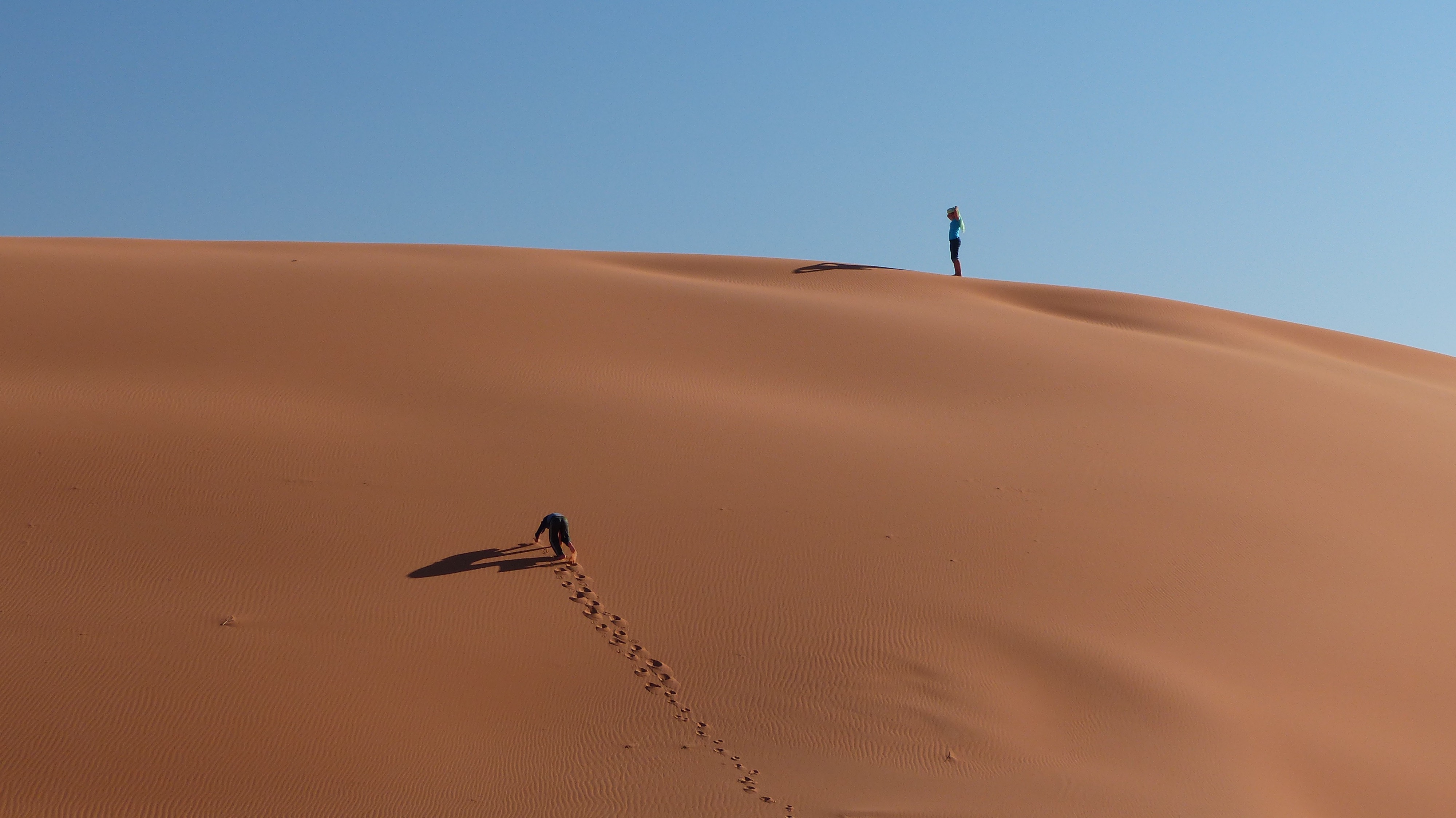
    Our second afternoon and evening were spent at the oasis where Mohammed grew up.  His family’s tent is still there, tended to by one of their former neighbors who still lives in the dunes.  The mid-day sun is intense, even in March, so everyone waits it out in the shade.  We read books, played with the baby goats, did some school work and were entertained by a little boy and his shy older sister.  As the sun begins to set, we start our trek up the highest peak near the oasis to stretch our legs.  When we climbed the dunes in the Namib, we were amazed at how difficult it was to make progress, so we started with low expectations of how much ground we would be able to cover.  The sand here was much firmer than the Namib however, so we were able to make it to a lower shoulder ridge in only 45 minutes or so.  Lucia wanted to climb higher, so she and Mac headed up the next ridge as Colburn and I looped around the side.  From where the kids stood, they could see the peak, so headed up that way.  We could see them but they were too far away to shout to them.  About ten minutes later,  Lucia comes running towards us, ecstatic, panting  “I need the camera to take some pictures.  The view up there is fantastic!”    We hand it over to her and she sprints off, kicking up a trial of sand as she runs back up to the top.  As we adults amble over in their general direction, tired and sore from two days of jostling on the back of a camel, Mac comes careening down the dune proclaiming that the view from the top is “a once in a lifetime experience” and that he believes we can make it up there just fine “if you take your time and remember to breathe slowly”.

    L1160885
    Mac racing up to rejoin Lucia

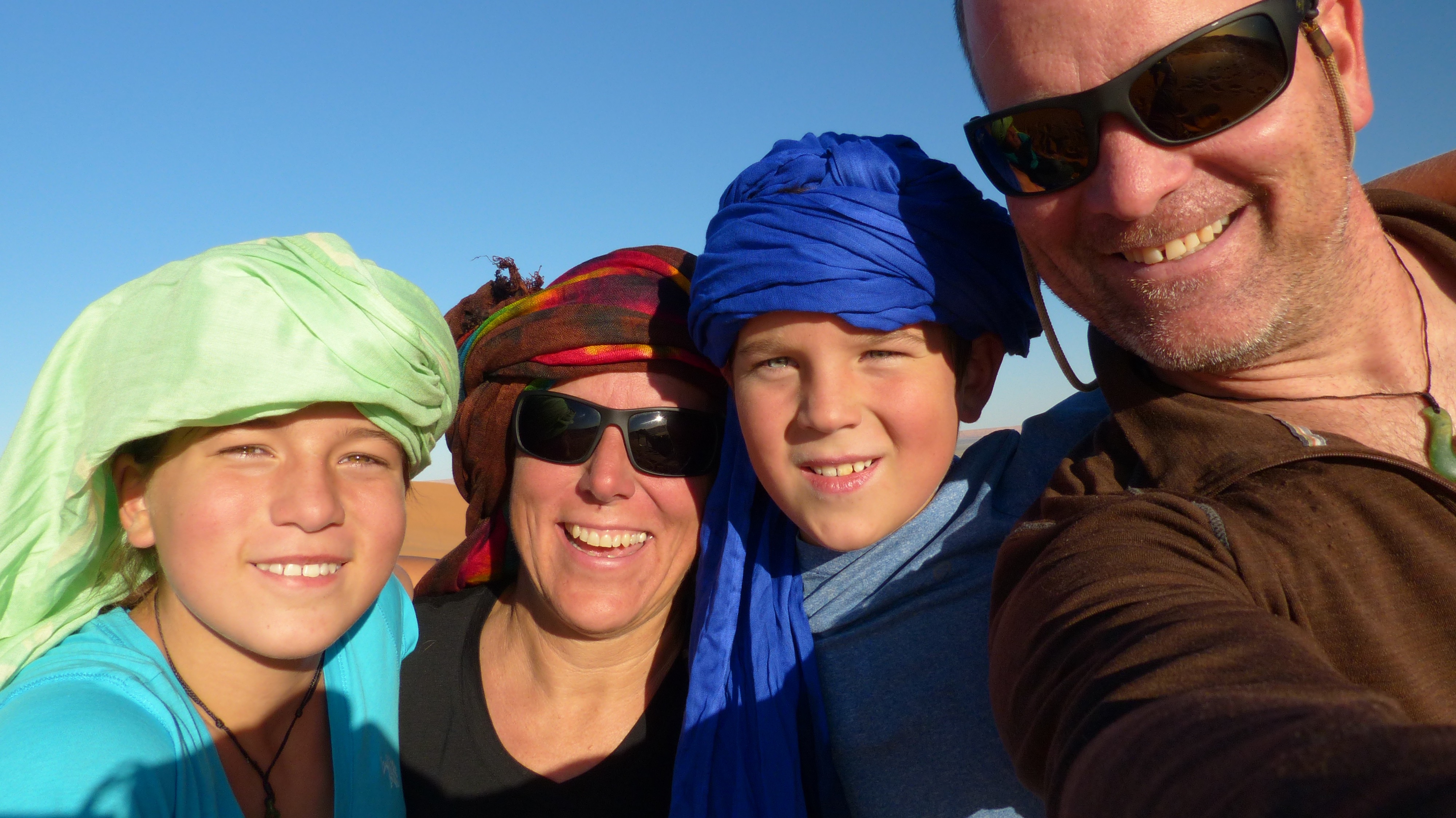
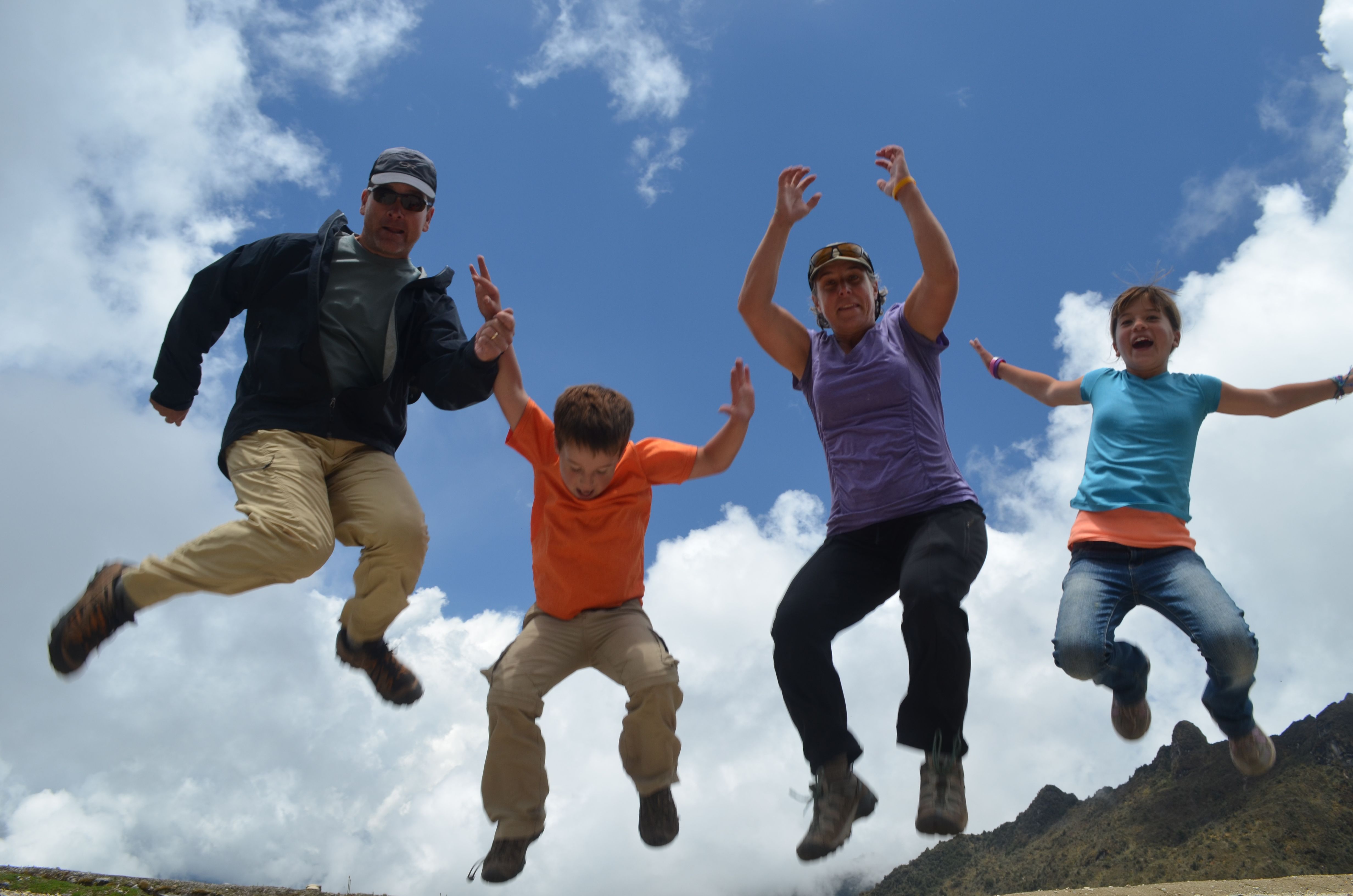
    Colburn and I looked at each other and smiled for we both felt the mixture of pride and amazement at our kids for what they now seem to value and how they have embraced the challenges and adventure of travel.  We heard our words coming back to us from our children and sense that they will continue these types of adventures long after we are gone.  There is a great comfort in knowing that our kids have internalized the lessons we have learned together through these two years of travel and perhaps cherish them even more than we do.  Their whole lives will be spent knowing the quietness and incredible beauty of the desert those few nights, they will always have with them the memory of the giddy thrill of swimming in the Galapagos with the sea lions, and they will always be able to recall the excitement (and terror) of watching a lioness hunt down a gnu.  It is impossible not to wonder how these early experiences will alter their conception of the world.

    L1160895

    Hopefully adventuring together for a long time
    Hopefully adventuring together for a long time
    Cooking with Tara and Ms. Rashida
    Cooking with Tara and Ms. Rashida
  • Understanding Oma

    Still in use
    Still in use

    My mom was the eighth of nine children born and raised in Maastricht, a relatively small town (population 120,000) in the southern part of the Netherlands.  Maastricht is not just a quaint little Dutch town, it is an old town.  From early in the 1st century BC, Maastricht has had continuous settlement for  nearly 2000 years.  There are old churches from the 11th and 12th century still in use in Maastricht.  There are parts of an old bridge from the same time period that is still used to cross the River Maas.  There are ancient and winding streets lined with narrow houses, largely unchanged for centuries, still inhabited.  Unlike the United States, things don’t change quickly in Maastricht.  But my mom left Maastricht at age 19 to be with my father, an American.  Even though her parents, her grandparents, and probably her great grandparents and great- great- grandparents had always lived in Maastricht, she decided to move away to a new continent, a new language, and a new culture with a new husband and a new baby.  Growing up, I didn’t realize how much courage that must have taken for her to do that.
    Maastricht city walls
    Maastricht city walls

    Having been born in 1937, nearly all of my mom’s childhood memory involved war.  She didn’t often speak of her experiences, perhaps because the memories were too painful or perhaps because she didn’t want to live in the past, I never knew.  My first recollection of her even talking about the war was when I was around 12 years old and there were night-time helicopters flying low over the homes in our area spraying pesticides for the fruit fly infestation.  When the helicopters would fly over, she would wake up terrified and in a panic then run outside.  I was too young to understand why.  It seemed odd and, frankly, slightly unreasonable to my pre-teen self.  She simply said that the sounds reminded her of bombing raids during the war. I wish that could have understood then what it meant to live through a war.  Later in life, she would talk to Colburn about the post-war years – of living with an ever-present hunger, of her mom having to line her shoes with newspaper to cover up the holes because they could not afford to purchase new ones, of her father fishing the river for dinner after working the night-shift as a coal miner – but rarely spoke of such things to me or my siblings.

    Inside the church where my parents were married
    The church where my parents were married

    There were parts of her we never understood while she was alive – why there always had to be sheer white curtains hanging in the front windows, why french fries had to be homemade, and why sheets had to be ironed.  She did them, but we never understood why.  My mom never taught us how to speak Dutch because she said it wasn’t worth the effort to learn because her dialect is not widely spoken.  The main concession she made to her heritage is by choosing to use the name “Oma”, the Dutch word for grandmother, instead of Grandma when my niece was born in 1985.  She did her best to adopt all of the typical American traditions saying that now she was an American so didn’t want to focus too much on the traditions of her childhood.  Despite this, parts of her “Dutchness” crept in to our lives: we all love hagel (small chocolate sprinkles) on warm toast, we eat french fries with mayonnaise instead of ketchup, and some of us drink a lot of beer!

    Touring the city with my cousins
    Touring the city with my cousins

    Coming to Maastricht five years after my mother died has had a profound effect on me.  There has been an unexpected and overwhelming sense of comfort and being at home even though I have never lived in the Netherlands.  The people here look like me – they are stout and solid with big shoulders and strong legs.  At least three times a day we see someone that looks exactly like my mom, at least from the back.  I can see her at 77 years old riding her bike to the bakery to get some bread then visiting the butcher for some sliced meats then stopping by the florist to pick up fresh flowers.  I can picture me living here too as it is all so familiar.  All of the windows have white lace-trimmed curtains in them.  We even saw the exact fabric my mom used when we visited the weekly market. She must have bought her fabric 20 years ago, but they are still selling the same style because things don’t change quickly in Maastricht.  The cakes and pies are the kind that my mom loved – sweet and creamy – served with a tiny fork.  Meeting my cousins was not like meeting strangers, it was very much like meeting younger versions of my mom.  They laugh like she did, they joke with each other the way my mom did, they use small spoons and always have a cup of strong coffee at the ready as my mom did.  One night we were sitting around the table at my cousin’s house and I had a flash-back to visiting here when I was six.  I don’t remember a lot of particulars about that trip, but there are a few images and feelings that I clearly recall.  This was definitely one of them. The image I remember is of our parents sitting around the table at my aunt’s house – drinking, smoking, laughing, telling stories.  And now, some 40 or more years later, I found myself sitting around the table in an immaculate Maastricht home with my cousins, drinking, smoking, laughing and catching up on what has been too many years of not really knowing each other.  I regret not having come here with my mom while she was still alive and sharing this experience with her.

    The road from Aachen to Maastricht
    The cycle path from Aachen to Maastricht

    The feeling of being at home started before we met up with my cousins though.  It started as soon as we crossed the border from Germany to the Netherlands.  We stopped for a coffee and pastry just over the border and immediately we were struck by the differences.  The language in Holland is softer, has more emphasis on the vowels and more lilt to it.  There is much more laughter here.  People at the tables next to us were laughing, the lady who took our order laughed, we laughed louder than we had in the past month.  After the reserved manner of Switzerland and Germany, the lightheartedness of the Limburgers was refreshing…and familiar.

    8,200 bodies have been identified
    10,000 US soldiers are buried here

    As we rode our bikes through the countryside, the weather was perfect and we came across a commemoration of Operation Market Garden at the third largest American cemetery in Europe.  Unaware that seventy years to the day, the most extensive paratrooper drop of the war happened near Arnhem.  Just three days before we had seen the movie, A Bridge Too Far, which dramatizes the battle.  The day after seeing the movie, we visited the Peace Museum which was developed in the old bridge abutments at Remagen, one of the bridges in the operation and the only one left intact.  As we passed through Margraten, there was a big poster on the side of a barn with three images: GI’s in action , GI’s and citizens raising the Dutch flag and a young girl praying at a grave.  Just riding by the poster gave us the chills.  Fifteen minutes later, we found ourselves at the entrance to the Netherlands American Cemetery with more than 10,000 US soldiers (1,800 were unknowns) buried in it.

    Honoring the fallen
    Honoring the fallen

    As we walked through, we were struck by how many graves had beautiful bouquets of fresh flowers on them.  It didn’t seem possible that all of the flowers had been placed by US relatives in just the past couple days.  Then we saw an older lady with a big bunch of flowers being pushed in her wheelchair along a path by younger family members.  We wondered out loud if she had known one of the soldiers, perhaps it was her husband, nephew, or brother that she was honoring.  Later we found out that 100% of the graves  in this cemetery have adopted by families in the area.  There is even a waiting list of families hoping to adopt a fallen soldier. The locals treat the graves as if they were  one of their own family, placing fresh flowers and visiting occasionally, out of continued gratitude. Suddenly, everything came together in a sobering, somber wave.  In a moment, I understood more about what my mom had endured than I had ever known before.  Unfortunately, it is too late to tell her that I can now understand where she came from.

    Operation Market Garden Map
    Operation Market Garden Map
  • The End of Six Months in South America

    We have been on the road in Central and South America for six months.  As we are wrapping up this phase, we wanted to reflect upon what the trip has held for us so far.  South America has been a grand adventure – trekking, rafting, snorkeling, zip-lining, hiking, surfing, etc.  We have experienced a range of situations that have tested our limits.  We have navigated our way through an entire continent in a different language, not always smoothly, but we’ve done it.  We have learned what we need to stay happy on the road and just how little stuff is actually necessary.

    Retana-Miñoz Family
    Retana-Miñoz Family

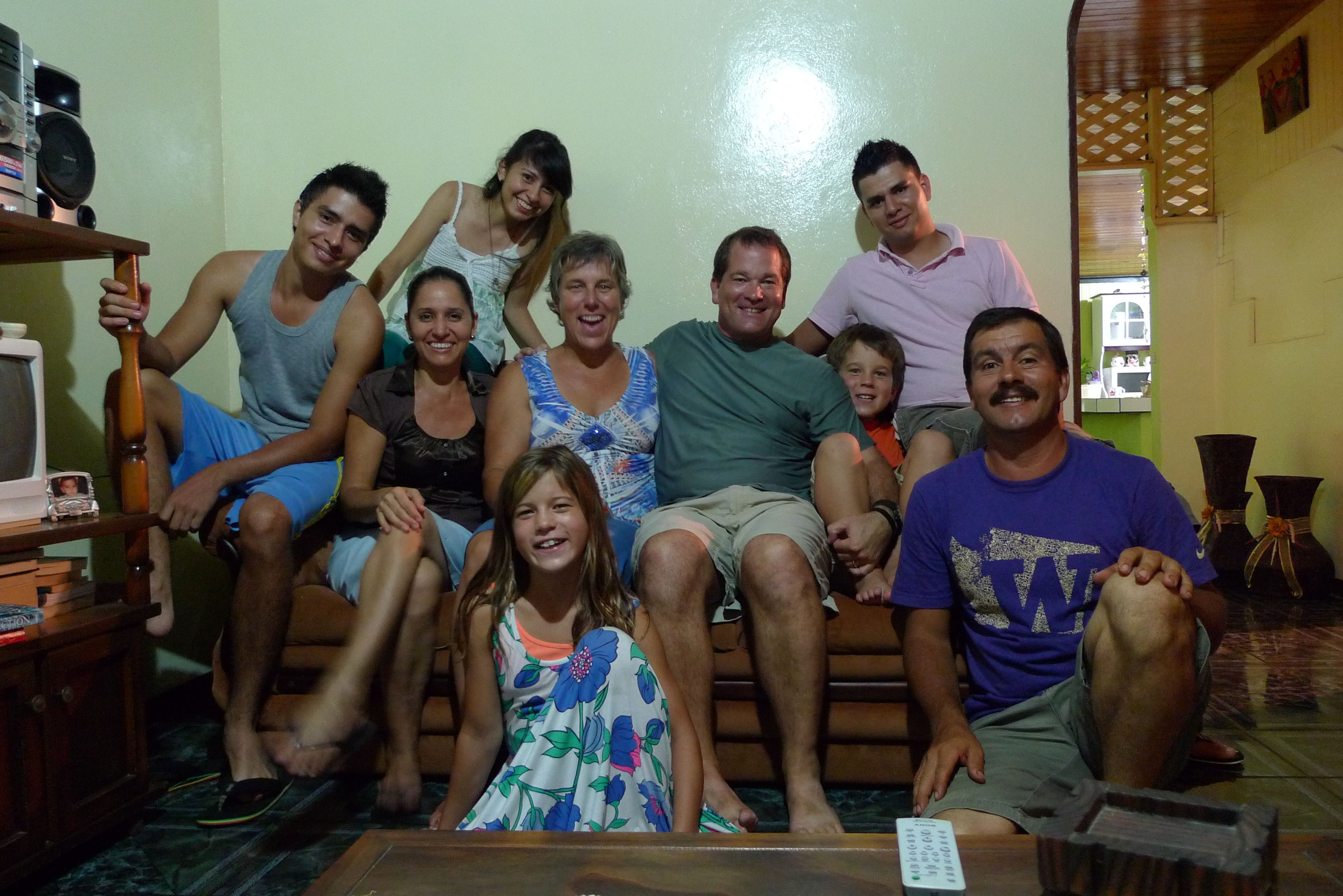
    Many people ask us which country we have liked the best.  Unfortunately, this is somewhat like asking you which child you like best.  It is not really possible to say that we liked one better than the other, but we have enjoyed them for very different reasons.   In Costa Rica and Nicaragua, we enjoyed the ease of travel and wild life.  Spending a week at Proyecto Asis and with the Retana Munoz family, our homestay family was an amazing experience.  Rosi and her family were gracious, patient, and made us feel completely at home living with them.  Taking Spanish lessons with Danielle and Yalitza gave us a foundation for making our way through the language.  Working with and learning about peccary, capuchin monkeys, macaws, and a whole host of other animals provided us with first hand knowledge of the challenges which face the animals in the wild we were to see later in our trip.  We enjoyed it so much that we are thinking about going back there at the end of this summer – “one year later” – to see how our perspective has changed.

    Infant Sea Lion
    Infant Sea Lion

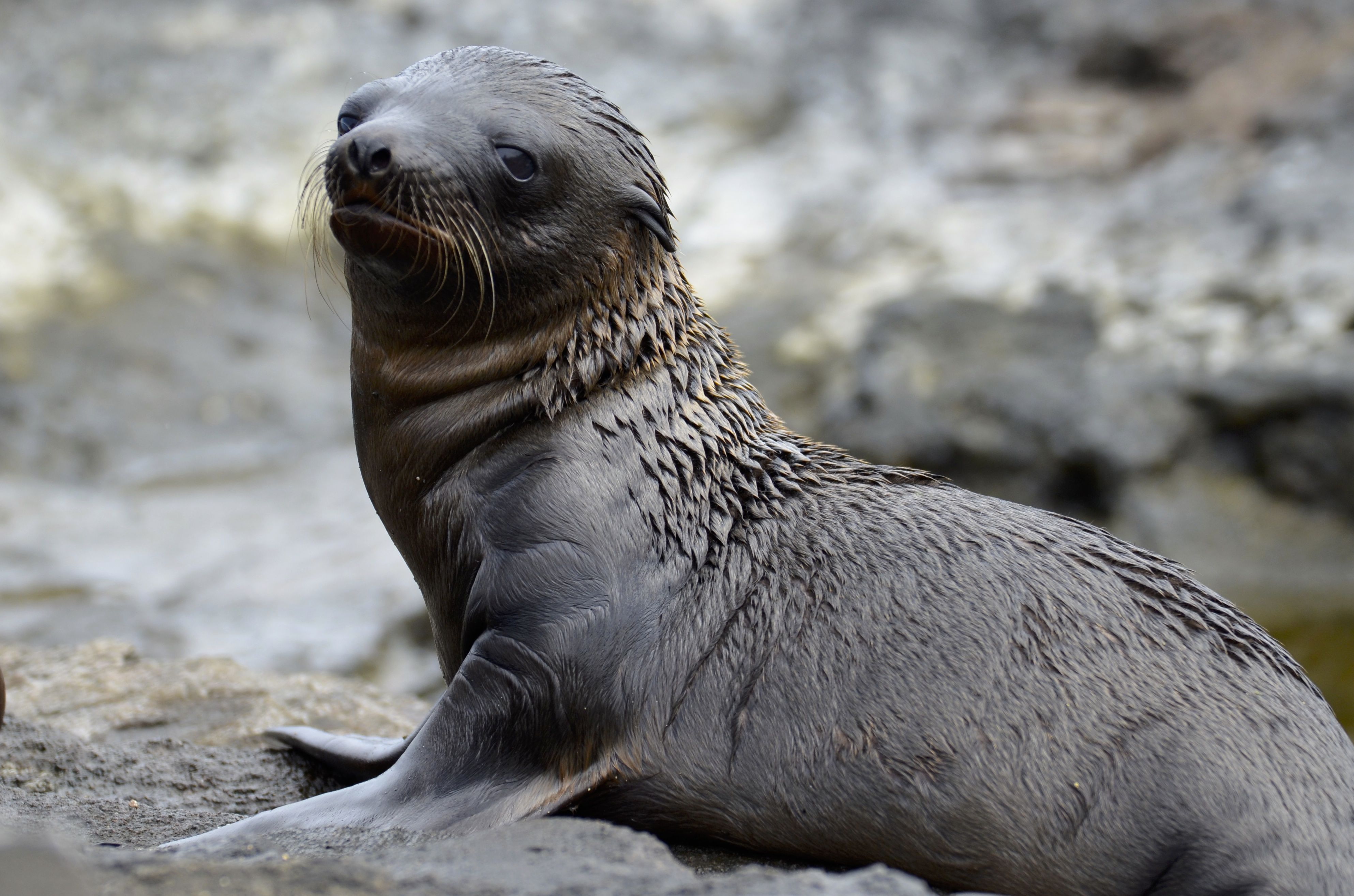
    Ecuador held Quito, the Galapagos, and Otovalo; each quite different from the other but creating a very well-rounded experience.  The Galapagos will always hold a special place in our hearts as you can interact with wildlife in a way that is not possible anywhere else on Earth.  Playing in the ocean with sea lions produces a giddiness that is not often experienced as an adult.  Watching marine iguanas climb out of the sea to bask on the black lava and expel excess salt out of their nostrils is seeing life on our planet before hominids began to dominate everything.  Listening to the scratch and scrape of a giant tortoise as it hauls its shell over the rocky landscape reminds us of how resilient life is, and how fragile.  We had enough time (four weeks) on the Galapagos to feel like we really got to know the place.  Quito and Otavalo were our first introduction to the Incan influence, but it was subtle.

    Celebrating Success
    Celebrating Success in Peru

    Our experience in Peru was very different from Ecuador.  Yes, the landscapes are similar, but what we paid attention to was much different.  With the Incan influence clearly visible everywhere, we learned more about the history and culture than flora and fauna.   The stark beauty of the Colca Canyon and the wonderful hospitality of our host family and guide left us feeling as if we were truly welcomed there, not just a paying passenger.  In contrast, Titicaca and Ollanta left us feeling as if we were simply a commodity; something to be exploited for every dollar possible.  Although it was quite disturbing, we became aware of just how damaging tourism can be for a culture, a necessary awareness when traveling abroad.  We are now even more diligent in making sure that we give our dollars to organizations that do not damage and exploit the culture or the people solely for profit.  Our time in the Amazon was amazing – the raucous calls of the macaws flying overhead, the peculiar odor of a peccary approaching, the grace of the monkeys launching from tree to tree – will always be remembered.  Hiking our way to Machu Picchu was a more of a pilgrimage than a trek, allowing us to glimpse the spiritual side of Incan culture as well as a fantastic experience.

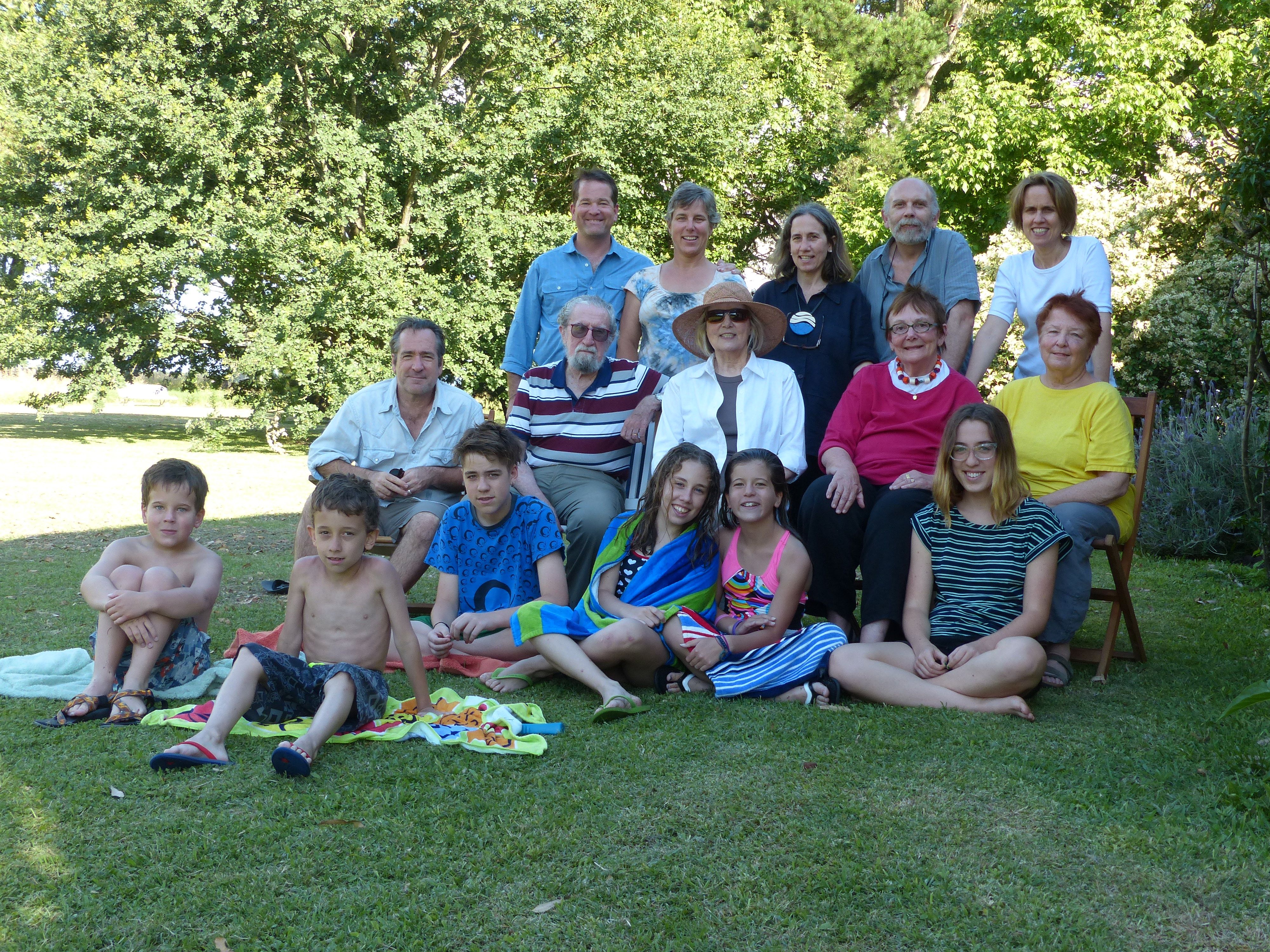
    With Granny and Jean and Our Argentine Family
    With Granny and Jean and Our Argentine Family

    We have enjoyed Argentina for our time with family, the absolutely jaw-dropping landscapes and the availability of fabulous wine and scrumptious grilled meats everywhere.  Being able to spend the better part of a month with Colburn’s Argentine family has been a true gift.  We have been with them long enough to able to see in to their life in a way that is not possible with a one or two week visit.  They have welcomed us with such grace and kindness that we have felt as if we were in our own home, not visiting.

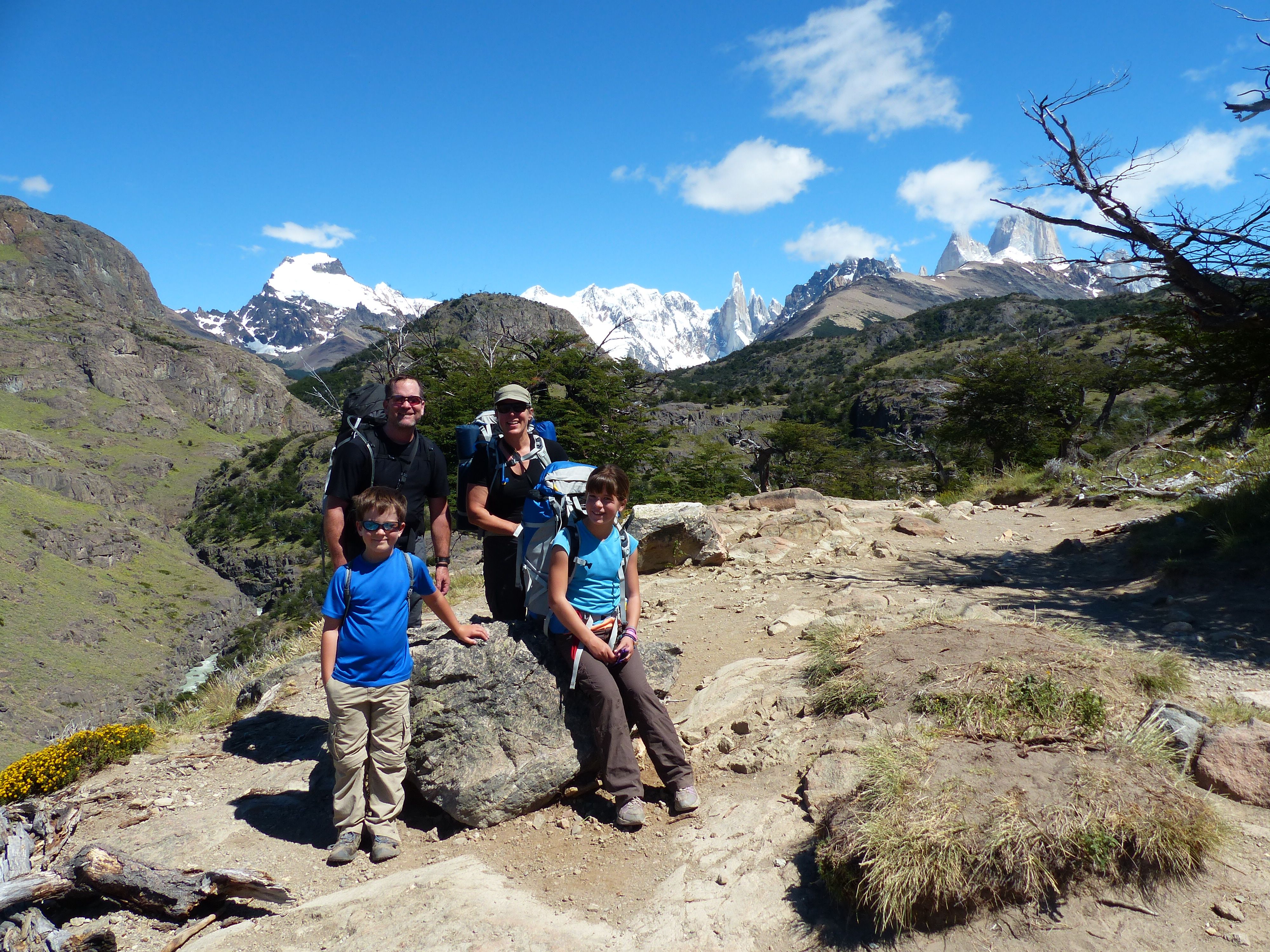
    Near El Chaltén
    Near El Chaltén, Southern Patagonia

    Going to Southern Patagonia was like finding the place we have always wanted to be. It is mesmerizing and might be like what the American West was before super highways and strip malls.  We know we will be back to Patagonia, so when we left it was hasta luego not adios.

    Hot.  Sweaty.  Waiting.  Puerto Maldonado Peru.
    Hot. Sweaty. Waiting.  Leaving the Amazon, Puerto Maldonado Peru.

    Beyond simply visiting interesting places, our travel has changed each of us individually and also as a family unit.  Individually, we are each now more gentle with ourselves and others.  Our expectations for everything going as planned has diminished considerably since leaving the US.  Repeatedly experiencing extended periods of waiting for an unknown outcome and the feeling of being lost as we try to navigate our way through unmarked routes in foreign lands has taught us that most people are really quite helpful and a sense of humor about pretty much everything is essential to successful travel.

    An Indication of the Future  (translation - the road is in a bad state)
    An Indication of the Future
    (translation – the road is in a bad state)

    When Deb left her wallet in a taxi in Peru, the driver came back to the airport and found us to return it with everything still in it.  When we were having trouble getting the rental car company to do anything about our car that wouldn’t start, the gentleman at the hotel desk became our valiant defender summoning a tow truck within 15 minutes.

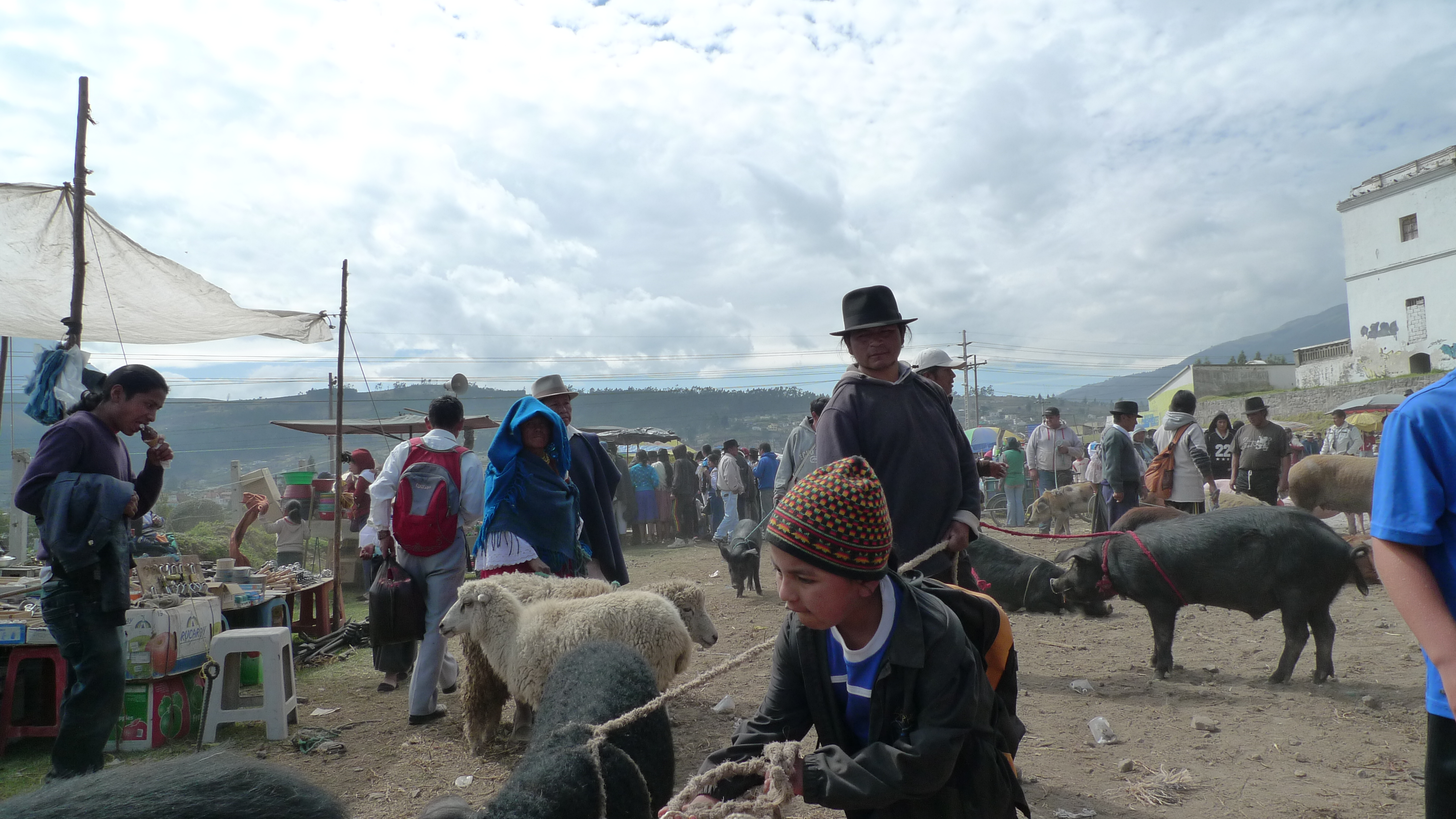
    Animal Market, Otavalo
    Animal Market, Otavalo Ecuador

    We have seen first hand the struggle to survive that both people and animals experience when their world is not abundant.  This has given us a greater awareness of how our individual actions at home impact people, places and animals unseen to us.  Discussing the loss of habitat in Costa Rica lead to a discussion about us decreasing our consumption of animal products and the illegal pet trade.  Seeing the ecological impact of large-scale agriculture for export has made us more aware of our choices when fruits and vegetables in the US are imported from the Southern Hemisphere.   Learning about the long-term effects of colonization, oppression, and exploitation has made us more aware of the freedoms we take for granted.

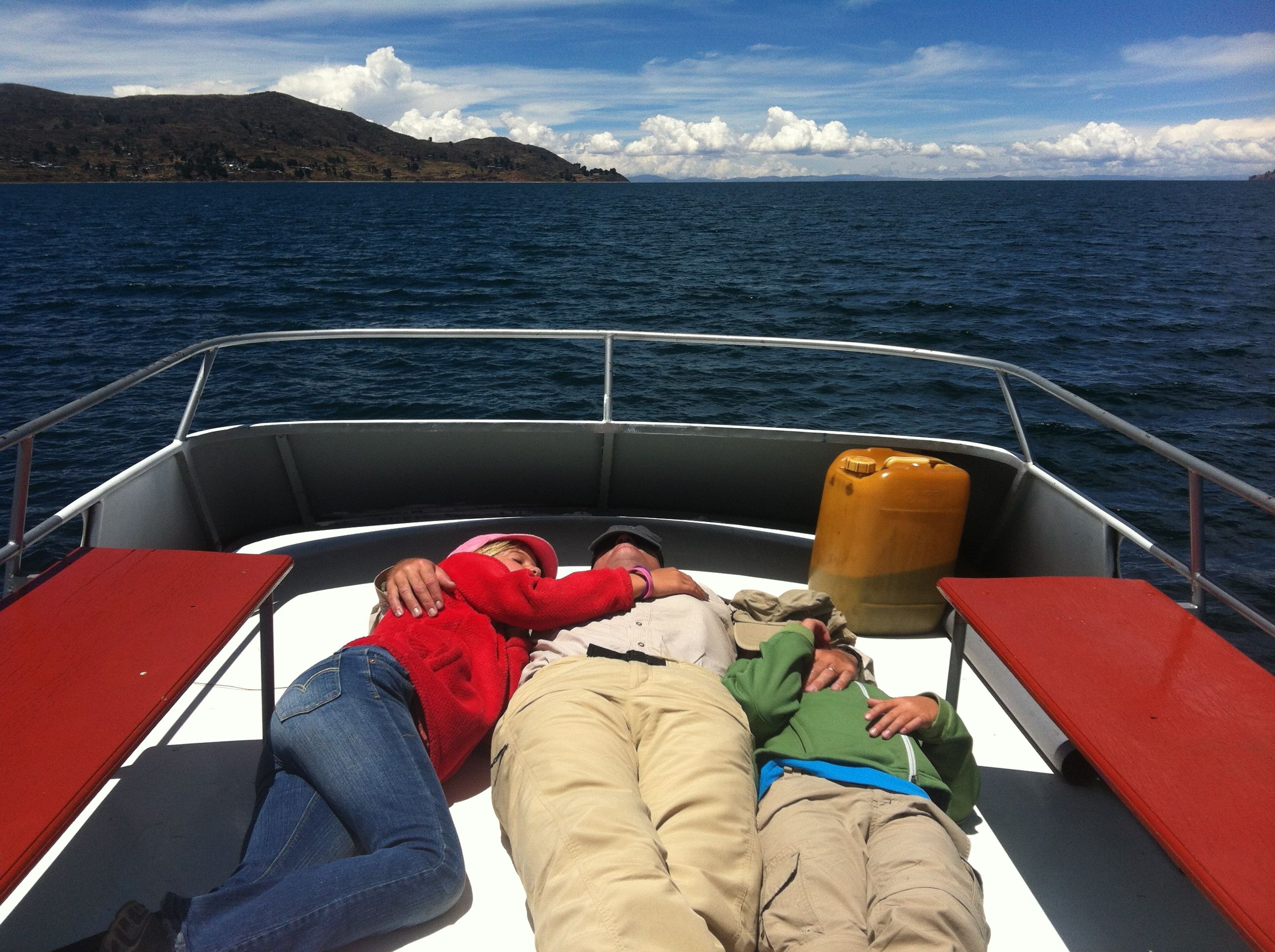
    Nap on Lake Titicaca
    Nap on Lake Titicaca

    We are also more aware of the importance of gentle words, especially when we are stressed. We are much closer to each other both physically and emotionally for we have supported each other through difficult challenges – Colca Canyon, Torres del Paine, and homeschooling while on the road.  Twenty-six weeks of being together all day every day has given us insight in to what makes each other tick and who can be relied upon for what.  We are now much more of a team than we were when we left the US and have a heightened sense that we are stronger as a unit than we are as individuals.  The children now ask, “What can I do to help?” instead of declaring, “I want …” or “Where is my…” The adults are more likely to say, “I could use a hand…” instead of “Go get the…” or “I need you to…”. Mac and Lucia have learned that there are not always three meals per day, sometimes not even two, and dinner at 10:00 or 11:00 pm is just fine.  They can now be hungry and tired without being cranky.

    Brothers
    Brothers

    Perhaps the most important thing we have learned is that family really is the foundation for happiness.   There really in nothing more important than family. Without our jobs or school to distract us, we are now able to focus on each other.  This is not to say that we were not close when we were in the US, but rather that we each had to split our attention between our family and school, work, friends.  Similarly, visits to family members further away had to be arranged when our work or school would let us leave, not when it would be beneficial to see them.  With family as far away as Australia and Argentina, it is difficult to visit them for only a week or two.  And, if you can only visit for a week or so, there is a tendency to focus on “doing” things all of the time rather than simply enjoying being together.  Lucia commented on this when we first arrived at the campito, a small weekend house outside of Buenos Aires for Colburn’s Argentine family, saying that she felt like she should have been there five years ago.  When we went back two months later, it was like coming home for all of us.  It has been wonderful to be able to share some of their life, not just a visit.

    We have truly enjoyed our time traveling so far and feel that we are incredibly blessed to be able to do so.

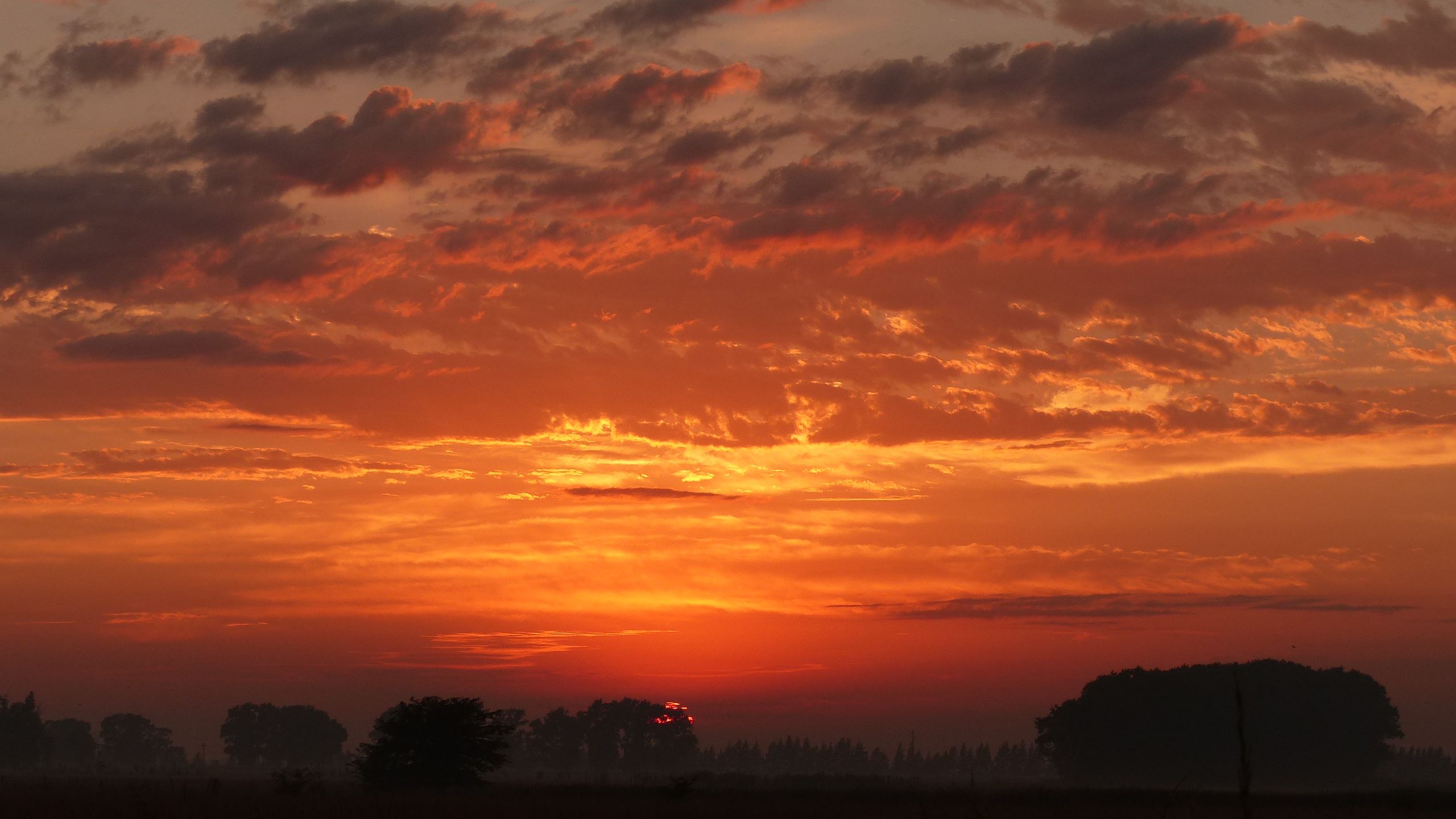
    Sunrise at the Campito
    Sunrise at the Campito