We have been on the road in Central and South America for six months. As we are wrapping up this phase, we wanted to reflect upon what the trip has held for us so far. South America has been a grand adventure – trekking, rafting, snorkeling, zip-lining, hiking, surfing, etc. We have experienced a range of situations that have tested our limits. We have navigated our way through an entire continent in a different language, not always smoothly, but we’ve done it. We have learned what we need to stay happy on the road and just how little stuff is actually necessary.
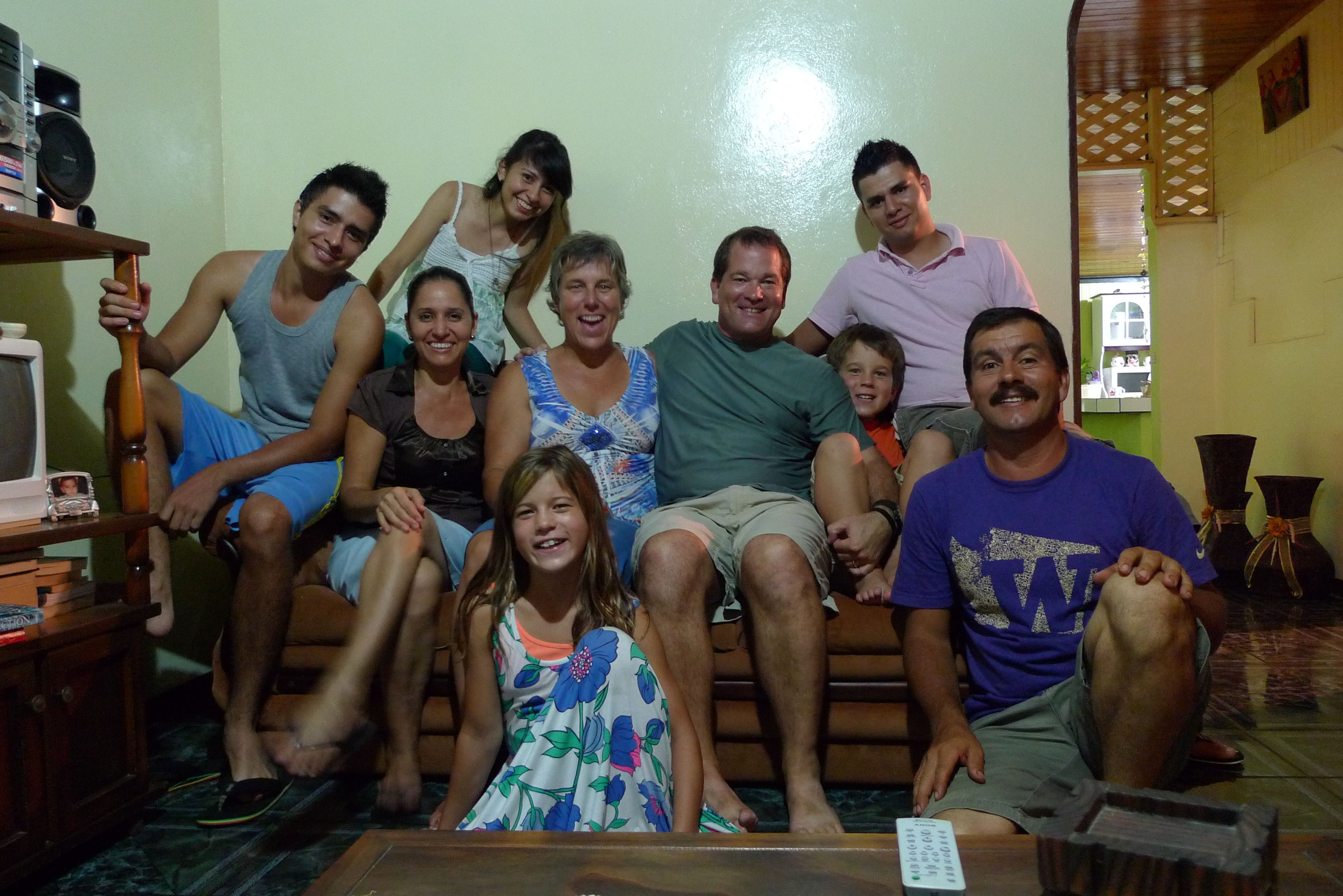
Many people ask us which country we have liked the best. Unfortunately, this is somewhat like asking you which child you like best. It is not really possible to say that we liked one better than the other, but we have enjoyed them for very different reasons. In Costa Rica and Nicaragua, we enjoyed the ease of travel and wild life. Spending a week at Proyecto Asis and with the Retana Munoz family, our homestay family was an amazing experience. Rosi and her family were gracious, patient, and made us feel completely at home living with them. Taking Spanish lessons with Danielle and Yalitza gave us a foundation for making our way through the language. Working with and learning about peccary, capuchin monkeys, macaws, and a whole host of other animals provided us with first hand knowledge of the challenges which face the animals in the wild we were to see later in our trip. We enjoyed it so much that we are thinking about going back there at the end of this summer – “one year later” – to see how our perspective has changed.
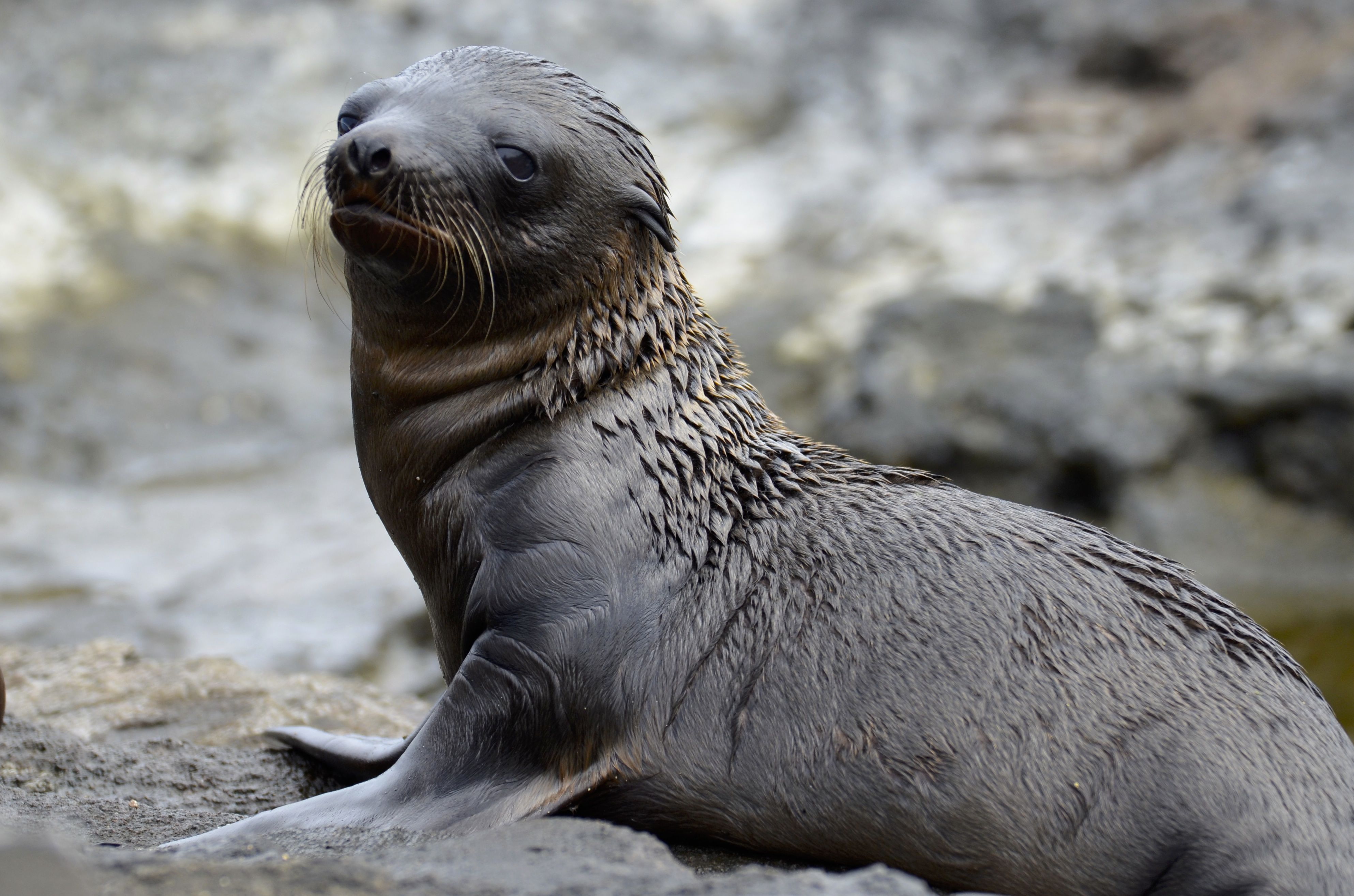
Ecuador held Quito, the Galapagos, and Otovalo; each quite different from the other but creating a very well-rounded experience. The Galapagos will always hold a special place in our hearts as you can interact with wildlife in a way that is not possible anywhere else on Earth. Playing in the ocean with sea lions produces a giddiness that is not often experienced as an adult. Watching marine iguanas climb out of the sea to bask on the black lava and expel excess salt out of their nostrils is seeing life on our planet before hominids began to dominate everything. Listening to the scratch and scrape of a giant tortoise as it hauls its shell over the rocky landscape reminds us of how resilient life is, and how fragile. We had enough time (four weeks) on the Galapagos to feel like we really got to know the place. Quito and Otavalo were our first introduction to the Incan influence, but it was subtle.
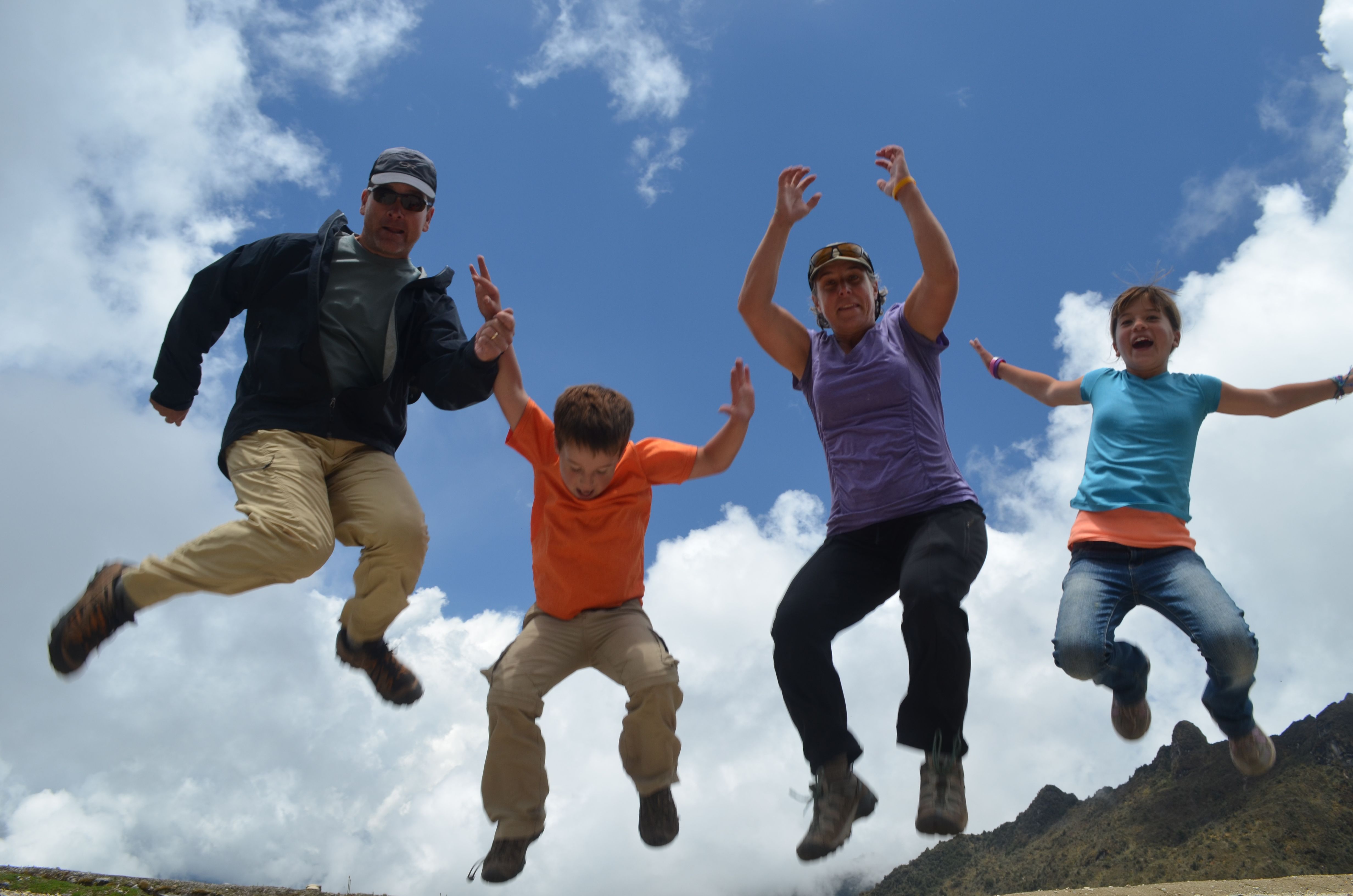
Our experience in Peru was very different from Ecuador. Yes, the landscapes are similar, but what we paid attention to was much different. With the Incan influence clearly visible everywhere, we learned more about the history and culture than flora and fauna. The stark beauty of the Colca Canyon and the wonderful hospitality of our host family and guide left us feeling as if we were truly welcomed there, not just a paying passenger. In contrast, Titicaca and Ollanta left us feeling as if we were simply a commodity; something to be exploited for every dollar possible. Although it was quite disturbing, we became aware of just how damaging tourism can be for a culture, a necessary awareness when traveling abroad. We are now even more diligent in making sure that we give our dollars to organizations that do not damage and exploit the culture or the people solely for profit. Our time in the Amazon was amazing – the raucous calls of the macaws flying overhead, the peculiar odor of a peccary approaching, the grace of the monkeys launching from tree to tree – will always be remembered. Hiking our way to Machu Picchu was a more of a pilgrimage than a trek, allowing us to glimpse the spiritual side of Incan culture as well as a fantastic experience.
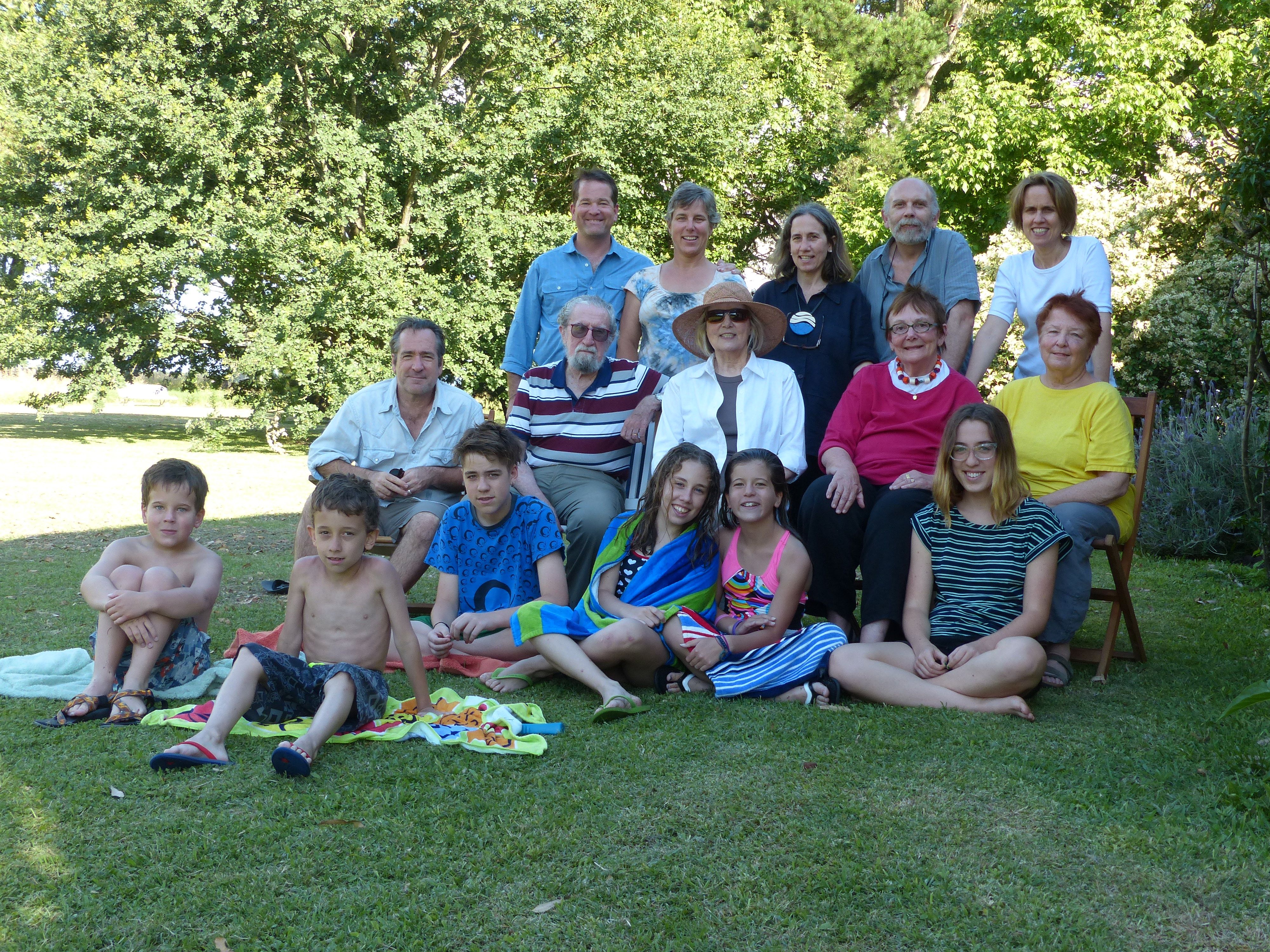
We have enjoyed Argentina for our time with family, the absolutely jaw-dropping landscapes and the availability of fabulous wine and scrumptious grilled meats everywhere. Being able to spend the better part of a month with Colburn’s Argentine family has been a true gift. We have been with them long enough to able to see in to their life in a way that is not possible with a one or two week visit. They have welcomed us with such grace and kindness that we have felt as if we were in our own home, not visiting.
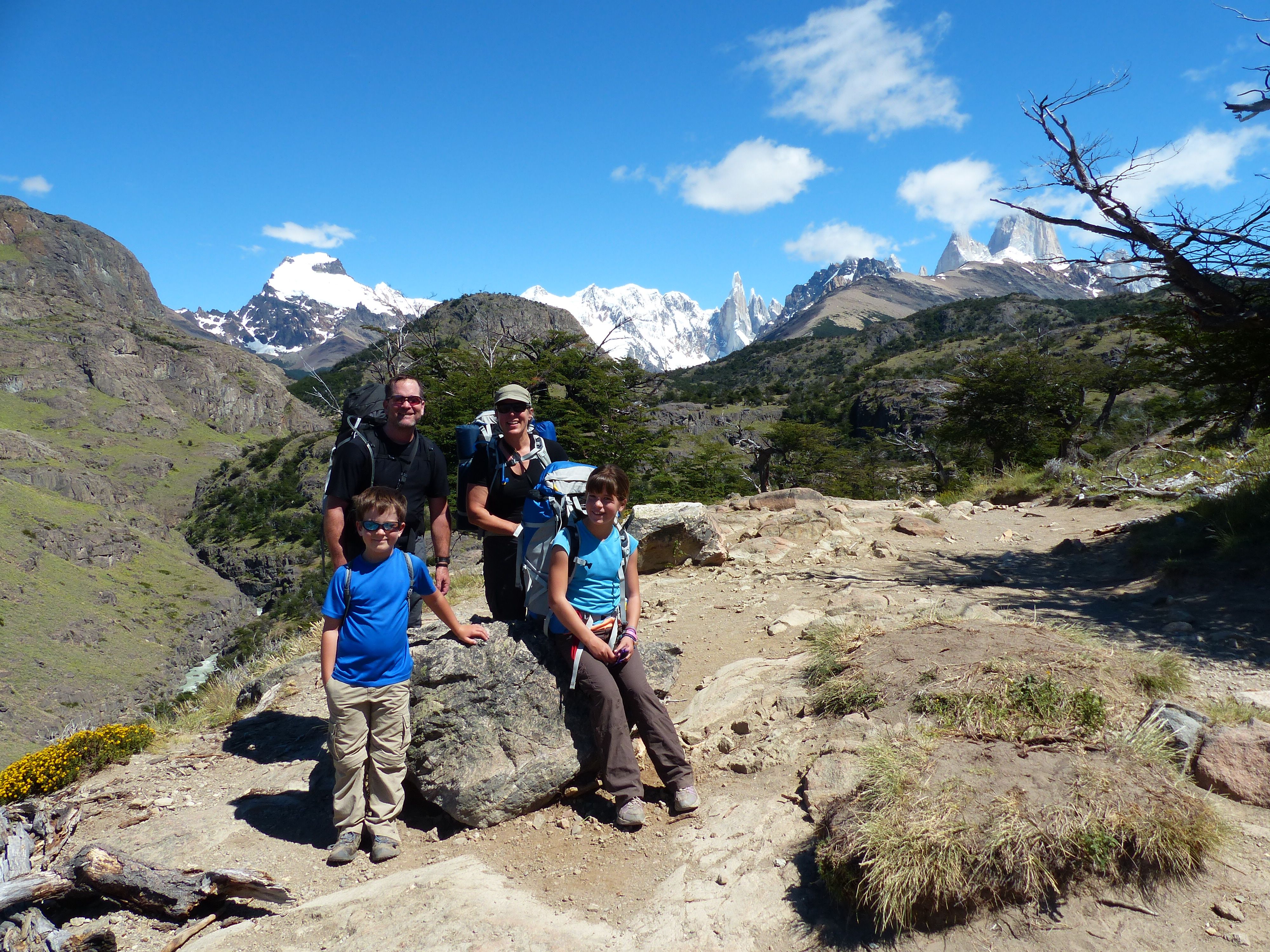
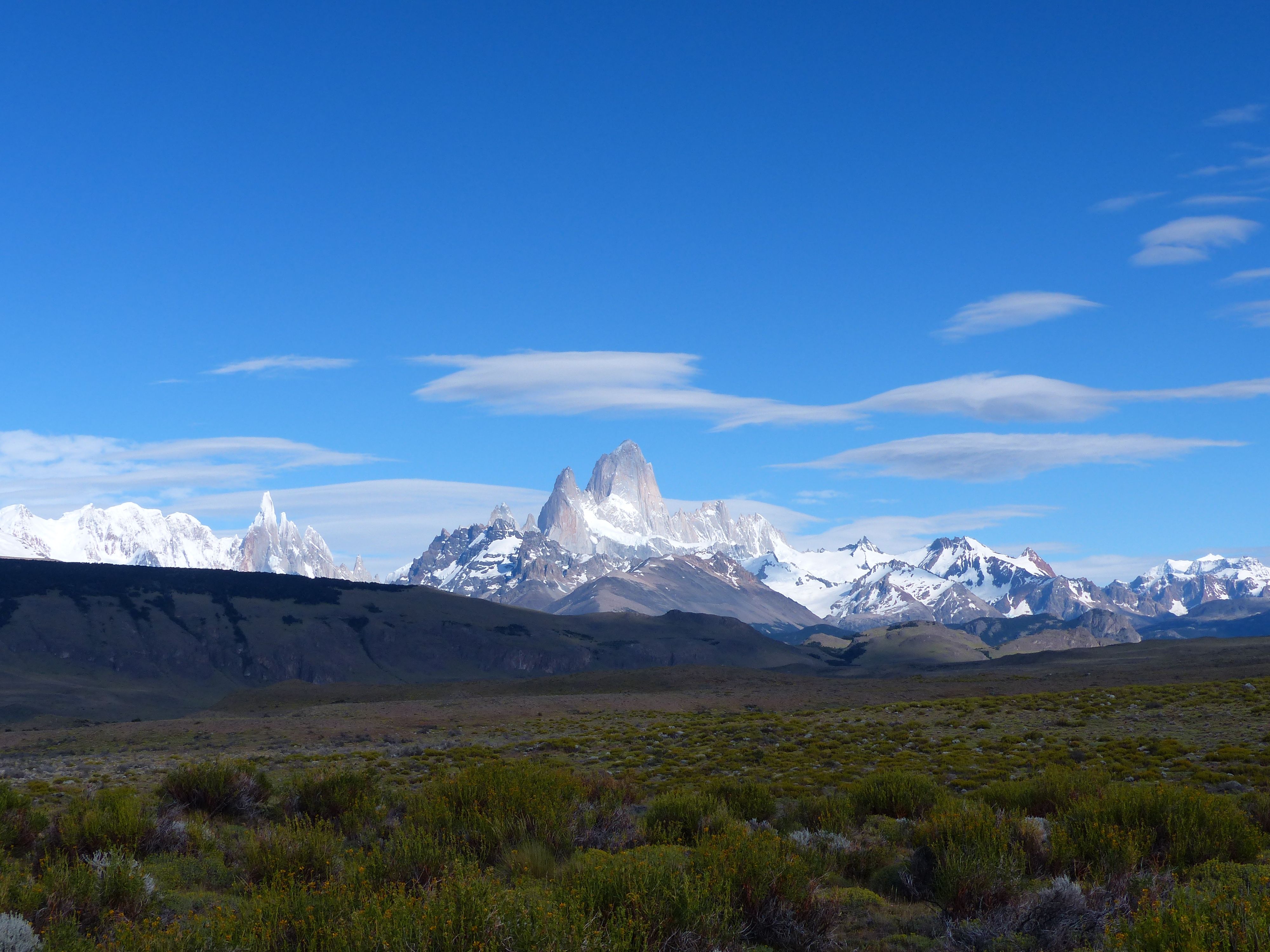
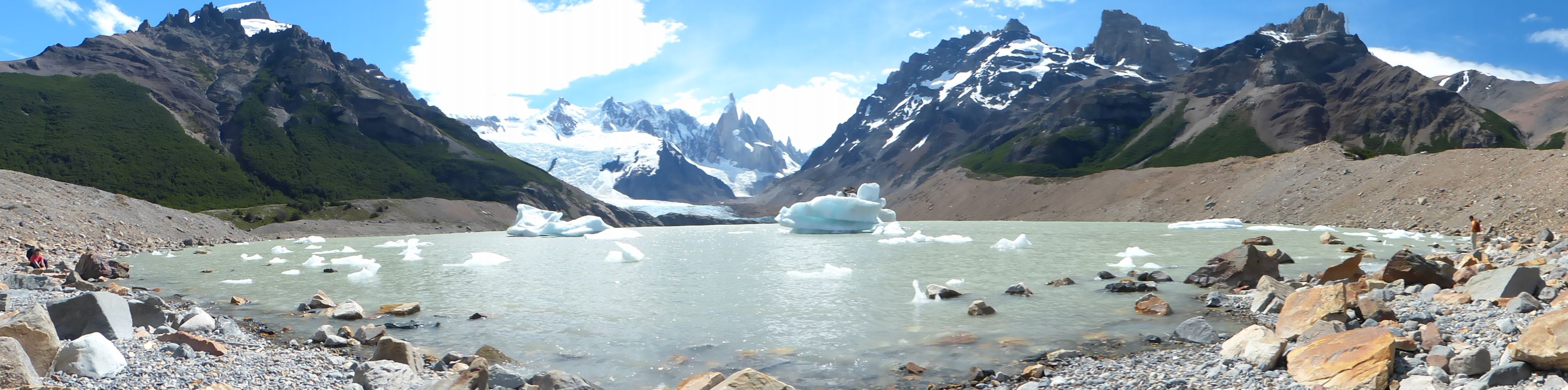
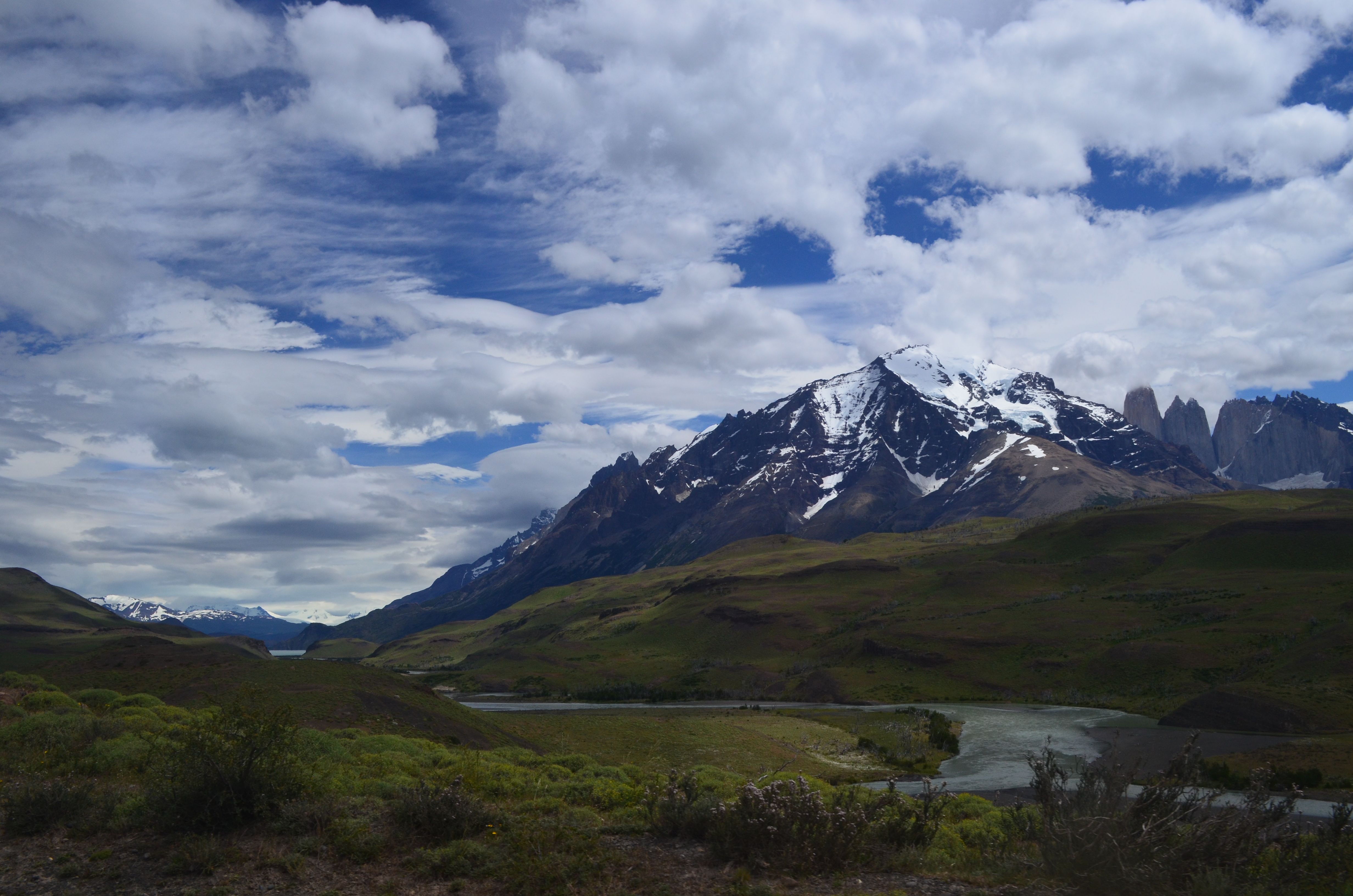
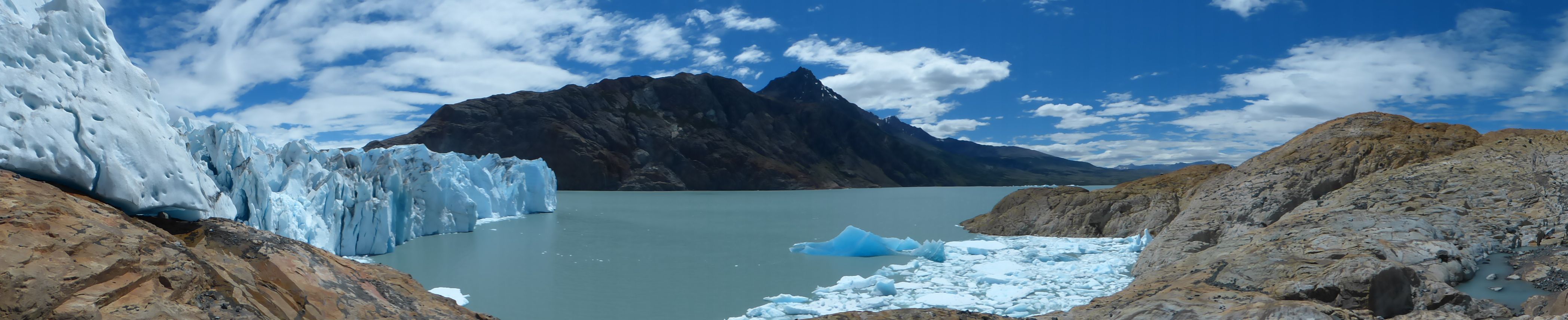
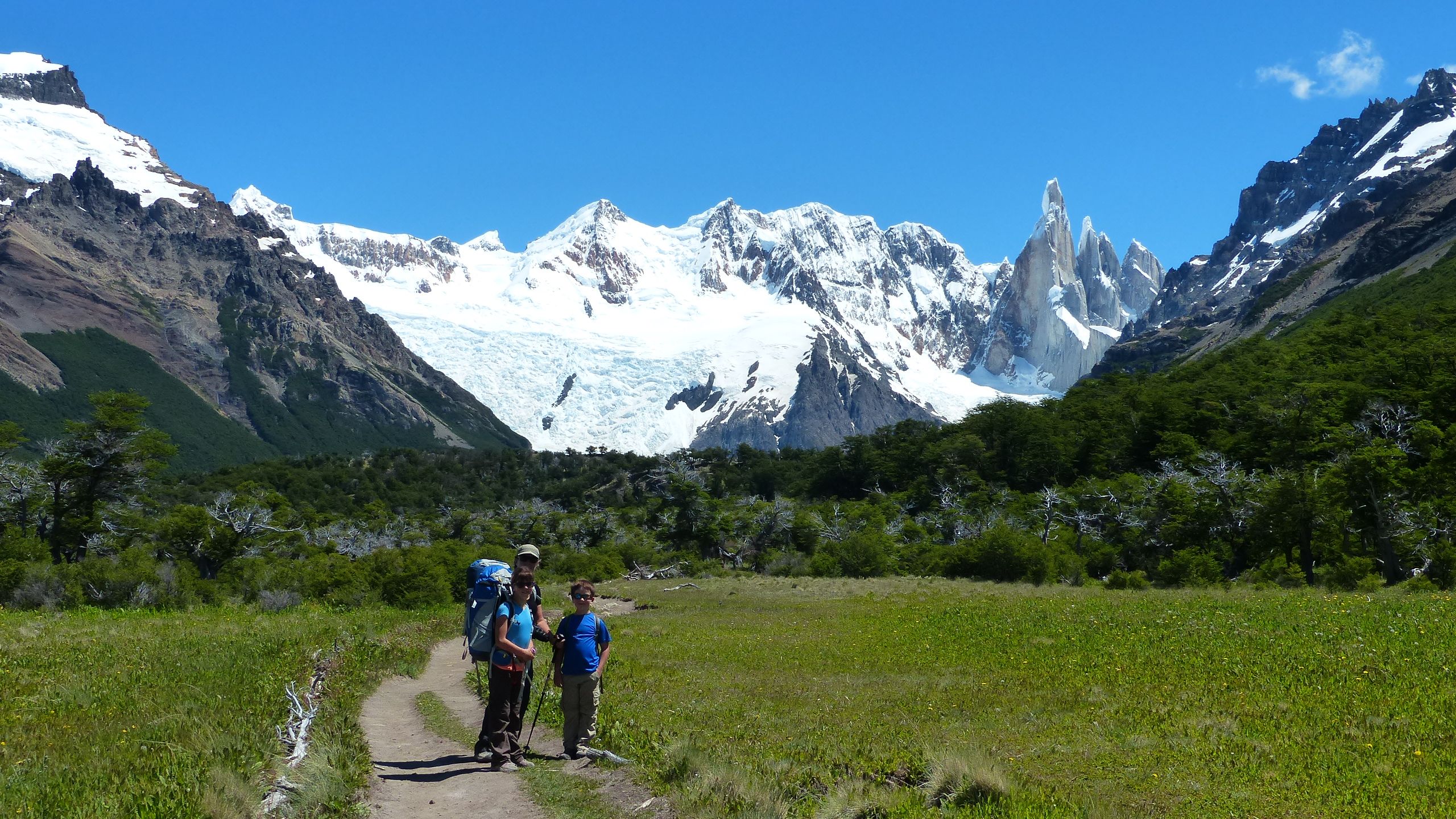
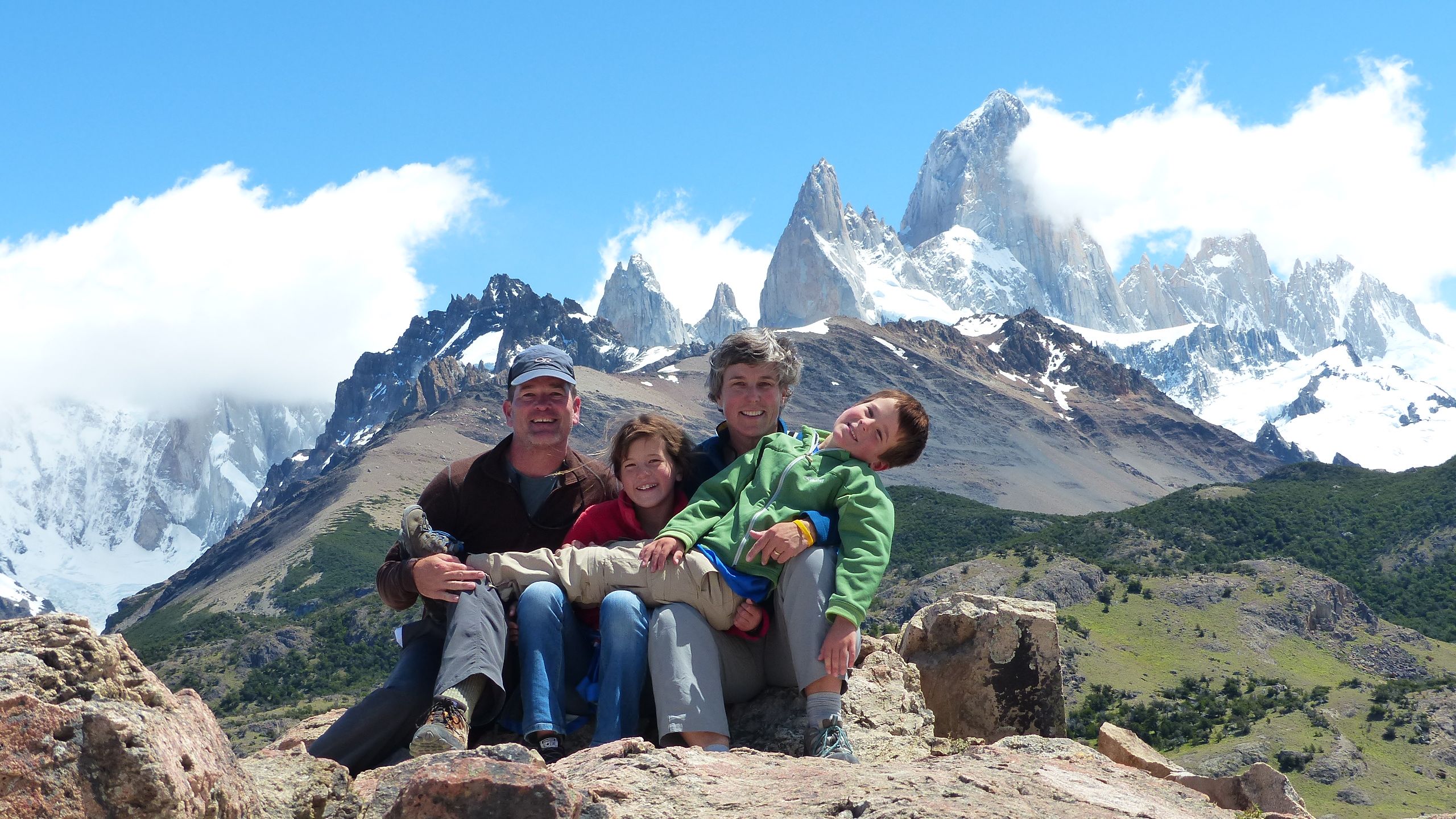
Going to Southern Patagonia was like finding the place we have always wanted to be. It is mesmerizing and might be like what the American West was before super highways and strip malls. We know we will be back to Patagonia, so when we left it was hasta luego not adios.

Beyond simply visiting interesting places, our travel has changed each of us individually and also as a family unit. Individually, we are each now more gentle with ourselves and others. Our expectations for everything going as planned has diminished considerably since leaving the US. Repeatedly experiencing extended periods of waiting for an unknown outcome and the feeling of being lost as we try to navigate our way through unmarked routes in foreign lands has taught us that most people are really quite helpful and a sense of humor about pretty much everything is essential to successful travel.

(translation – the road is in a bad state)
When Deb left her wallet in a taxi in Peru, the driver came back to the airport and found us to return it with everything still in it. When we were having trouble getting the rental car company to do anything about our car that wouldn’t start, the gentleman at the hotel desk became our valiant defender summoning a tow truck within 15 minutes.
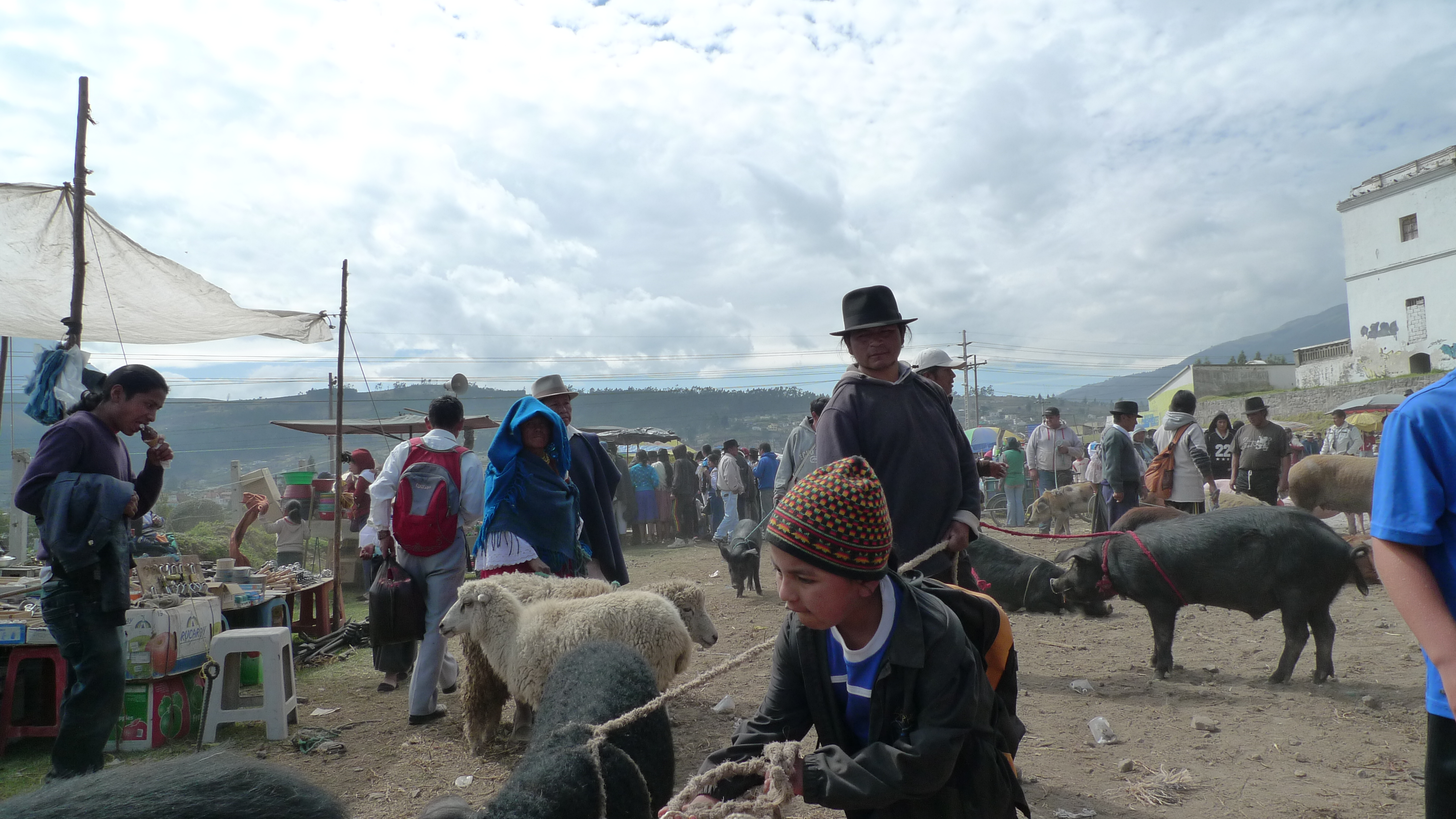
We have seen first hand the struggle to survive that both people and animals experience when their world is not abundant. This has given us a greater awareness of how our individual actions at home impact people, places and animals unseen to us. Discussing the loss of habitat in Costa Rica lead to a discussion about us decreasing our consumption of animal products and the illegal pet trade. Seeing the ecological impact of large-scale agriculture for export has made us more aware of our choices when fruits and vegetables in the US are imported from the Southern Hemisphere. Learning about the long-term effects of colonization, oppression, and exploitation has made us more aware of the freedoms we take for granted.
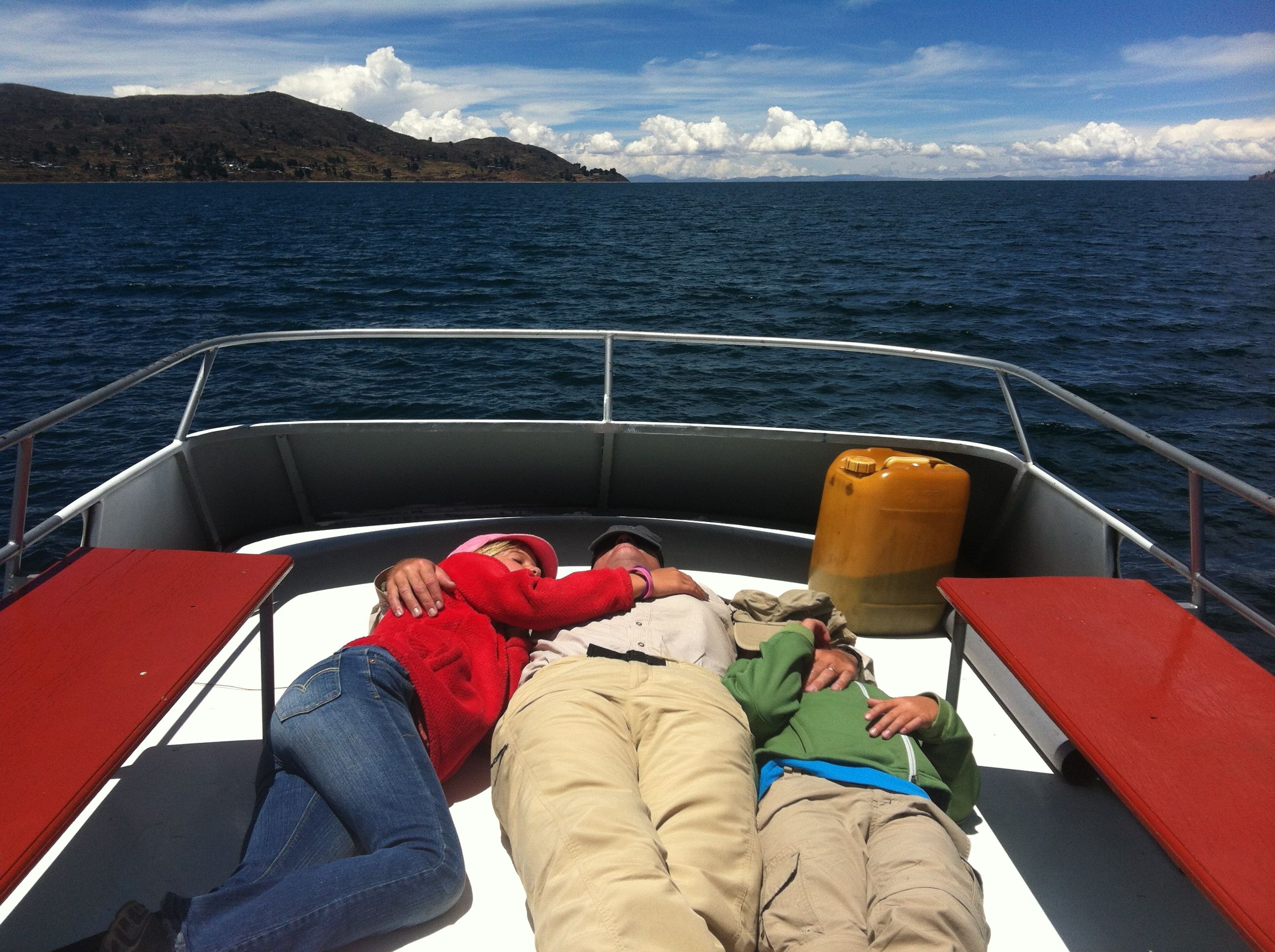
We are also more aware of the importance of gentle words, especially when we are stressed. We are much closer to each other both physically and emotionally for we have supported each other through difficult challenges – Colca Canyon, Torres del Paine, and homeschooling while on the road. Twenty-six weeks of being together all day every day has given us insight in to what makes each other tick and who can be relied upon for what. We are now much more of a team than we were when we left the US and have a heightened sense that we are stronger as a unit than we are as individuals. The children now ask, “What can I do to help?” instead of declaring, “I want …” or “Where is my…” The adults are more likely to say, “I could use a hand…” instead of “Go get the…” or “I need you to…”. Mac and Lucia have learned that there are not always three meals per day, sometimes not even two, and dinner at 10:00 or 11:00 pm is just fine. They can now be hungry and tired without being cranky.

Perhaps the most important thing we have learned is that family really is the foundation for happiness. There really in nothing more important than family. Without our jobs or school to distract us, we are now able to focus on each other. This is not to say that we were not close when we were in the US, but rather that we each had to split our attention between our family and school, work, friends. Similarly, visits to family members further away had to be arranged when our work or school would let us leave, not when it would be beneficial to see them. With family as far away as Australia and Argentina, it is difficult to visit them for only a week or two. And, if you can only visit for a week or so, there is a tendency to focus on “doing” things all of the time rather than simply enjoying being together. Lucia commented on this when we first arrived at the campito, a small weekend house outside of Buenos Aires for Colburn’s Argentine family, saying that she felt like she should have been there five years ago. When we went back two months later, it was like coming home for all of us. It has been wonderful to be able to share some of their life, not just a visit.
We have truly enjoyed our time traveling so far and feel that we are incredibly blessed to be able to do so.





 The Shindells - Four to Go